Ancient genomes from southern Africa reveal deep population stratification, long-term stability, and unique Homo sapiens-specific genetic variants, highlighting southern Africa as a long-standing refugium and providing insights into human evolution and adaptation.
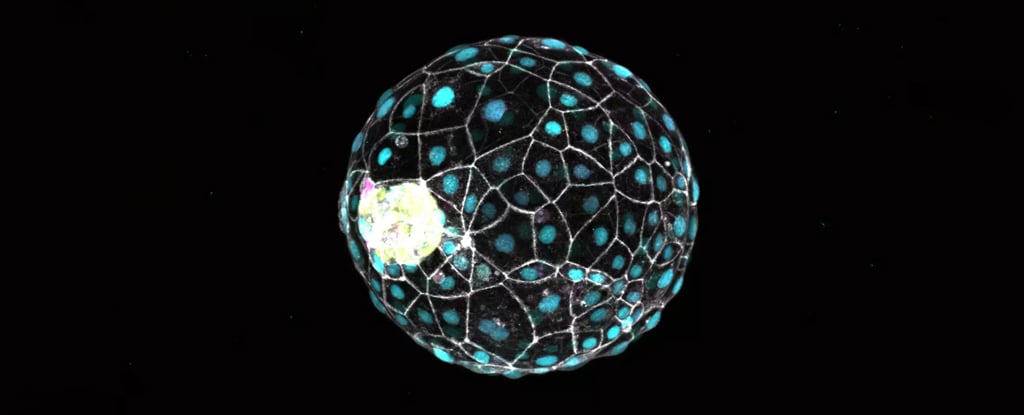
Research suggests that remnants of ancient viral DNA, specifically the LTR5Hs gene, play a crucial role in early human embryonic development by influencing tissue formation and gene regulation, highlighting how viral elements have been repurposed in human evolution.
Scientists at UC San Diego have identified a specific DNA region called HAR123 that acts as a molecular enhancer influencing brain development and cognitive flexibility in humans, providing insights into what makes the human brain unique and its evolution, with potential implications for understanding neurodevelopmental disorders like autism.
A new analysis of viral genomes reveals that humans pass on almost twice as many viruses to domestic and wild animals as we receive from them, posing a significant threat to other species. This is due to our large population size, global distribution, and behavior, which stress out the environment and make neighboring creatures more susceptible to viruses. The study also identifies features that could warn of a virus's ability to become zoonotic, emphasizing the importance of surveying and monitoring human-to-animal transmission of viruses for both human and animal health.
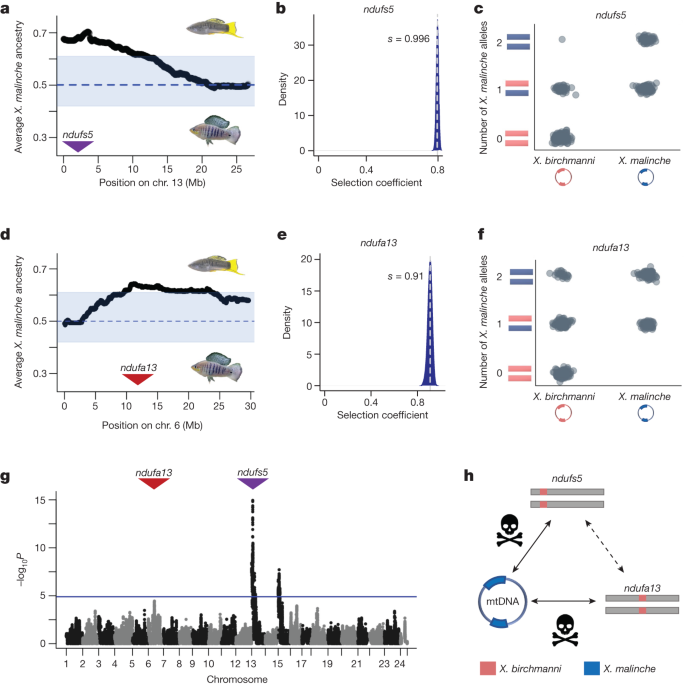
Biologists have identified a lethal mitonuclear hybrid incompatibility in swordtail fish, shedding light on the mechanisms that maintain isolation between species. By studying the Xiphophorus birchmanni and Xiphophorus malinche species, researchers pinpointed two nuclear-encoded genes, ndufs5 and ndufa13, that are lethal when mismatched with the mitochondrial genome of the other species. These incompatibilities affect embryonic development and physiological traits, providing insights into the evolutionary processes driving the emergence of hybrid incompatibilities. The study highlights the significance of mitonuclear interactions in the evolution of hybrid incompatibilities and the impact of historical hybridization on species evolution.
Researchers from Kiel University and the Max Planck Institute for Evolutionary Biology have identified a new genetic element, known as the YpfΦ prophage, that Yersinia pestis acquired between the Middle Ages and the modern pandemic. This genetic element is linked to the virulence of the pathogen, enhancing our understanding of the emergence of the modern plague pandemic in the 19th century. The study also highlights the potential dangers of the plague, including its rapid evolution and resistance to antibiotics, and emphasizes the importance of studying historical disease evolution to prevent future pandemics.
Researchers from Kiel University and the Max Planck Institute for Evolutionary Biology have studied the genetic evolution of the plague pathogen, Yersinia pestis, by examining ancient and modern genomes. They discovered that a new genetic element, known as the YpfΦ prophage, was acquired by Y. pestis between the Middle Ages and the modern pandemic, which increased the virulence of the pathogen. This prophage produces a protein similar to toxins found in other pathogens, potentially contributing to the severity of the disease. The study highlights the importance of understanding the evolution of pathogens to detect new forms of diseases and prevent future pandemics.
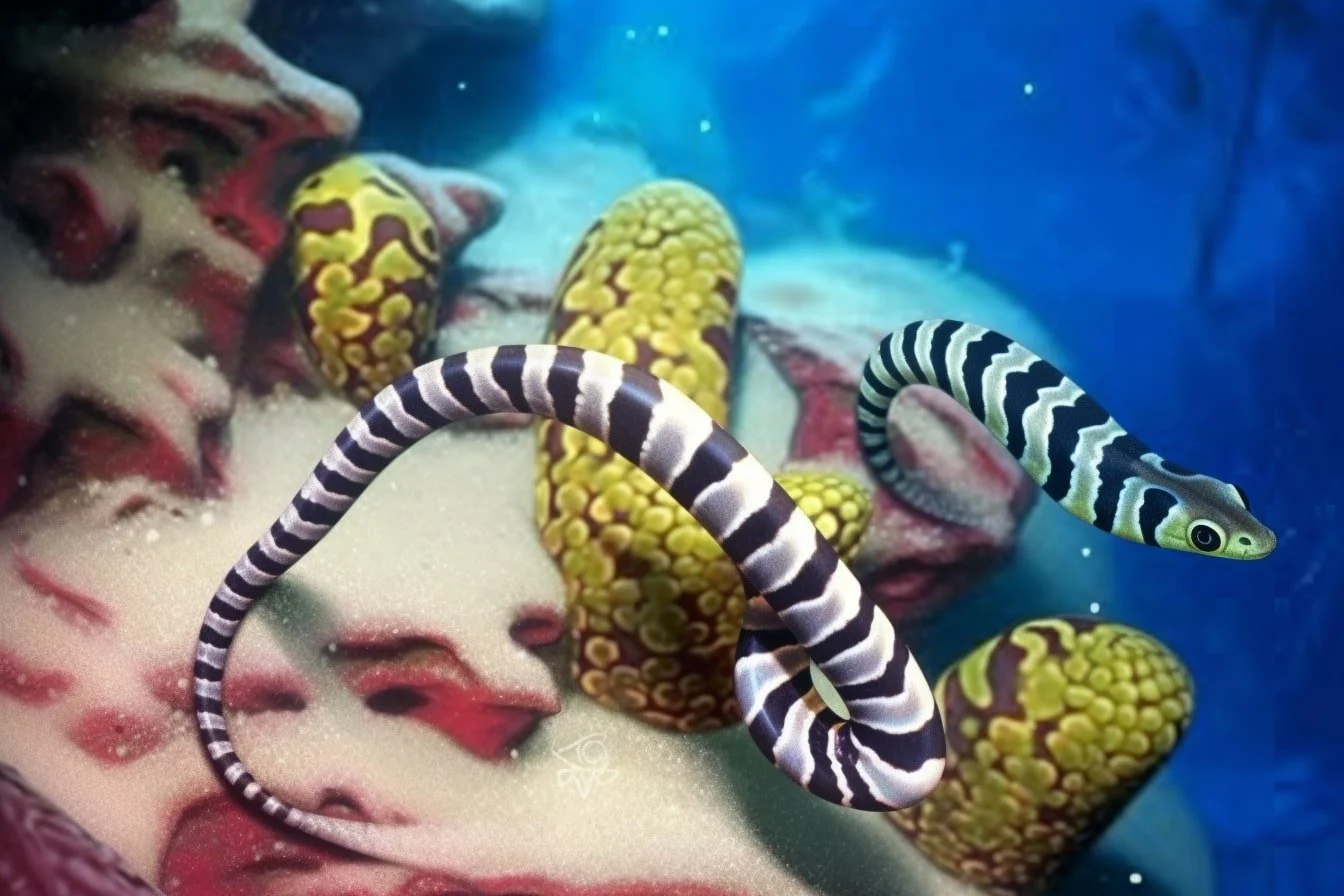
The annulated sea snake has evolved to regain color vision, perceiving a wider range of colors than its ancestors. Early snakes lost color vision during their adaptation to dim-light burrowing lifestyles, but sea snakes, which inhabit brighter marine environments, regained color vision. Two out of four intact copies of the snake's opsin gene SWS1 evolved a new sensitivity to longer wavelengths dominant in ocean habitats, enabling better color discrimination. This adaptation potentially helps sea snakes distinguish predators, prey, or potential mates against colorful marine backgrounds. The re-emergence of color vision in sea snakes contrasts the evolution of opsins in mammals like bats, dolphins, and whales, which experienced further opsin losses adapting to dim-light and aquatic environments.
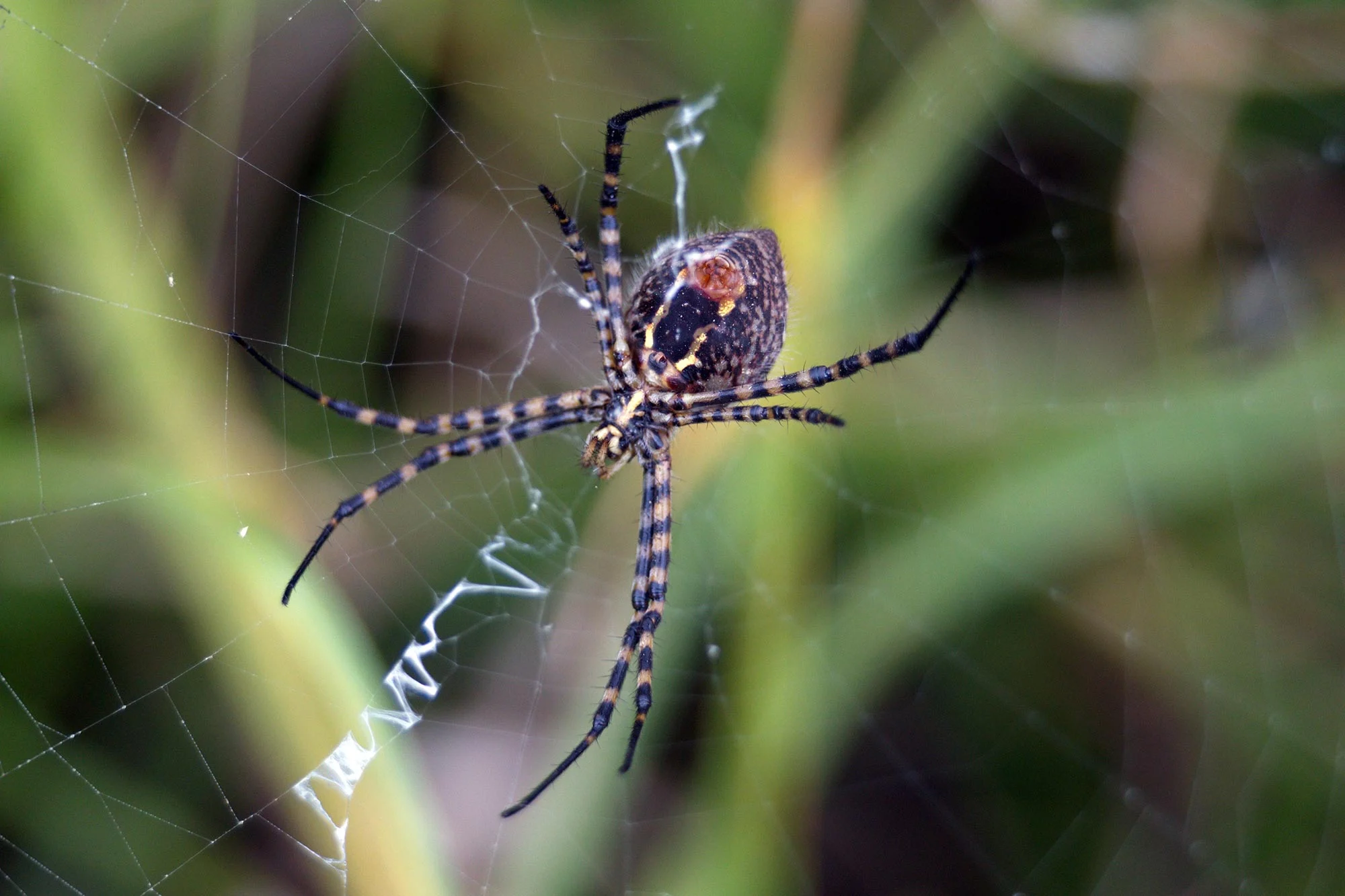
Scientists have discovered that orb weaver spiders’ web glue properties evolve based on the species’ living environment. Although the web glue consists of similar proteins, the proportions differ, affecting the glue’s properties. The glue’s ability to absorb water from the atmosphere and its stickiness are crucial for the spiders’ survival, and understanding these adaptations could have potential applications in industry, medicine, and beyond. Spider silk fibers and glues represent a fantastic model for answering such questions since they are primarily made of proteins and proteins are encoded by genes.