Tag

Ecosystem Impact

All articles tagged with #ecosystem impact

environment19 days ago

Britain's Deer Dilemma

Britain's deer population has surged to around two million, causing significant ecological, agricultural, and road safety issues, prompting calls for more aggressive management strategies including culling, fencing, and rewilding with predators like wolves and lynx, though these solutions face social and logistical challenges.
environment2 months ago

Florida Coral Species Declared Functionally Extinct Due to Heat Waves

A record-breaking heat wave in Florida in 2023 has nearly wiped out two key coral species, elkhorn and staghorn, rendering them functionally extinct and causing significant ecological and economic damage, including increased coastal vulnerability and loss of biodiversity, highlighting the urgent need for advanced conservation efforts amid ongoing climate change.

science5 months ago

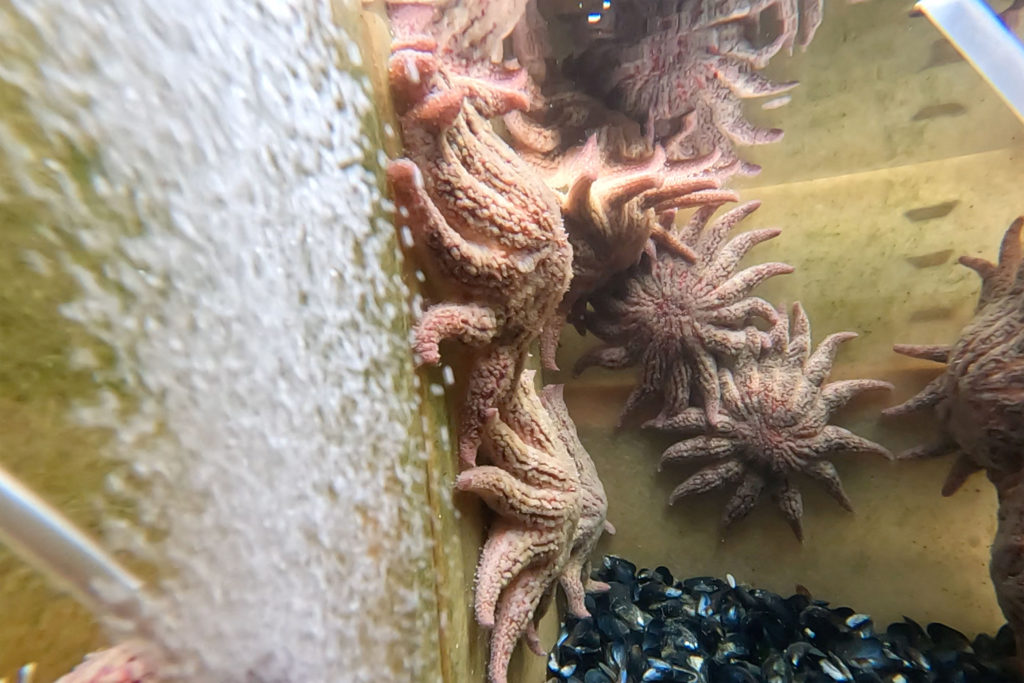
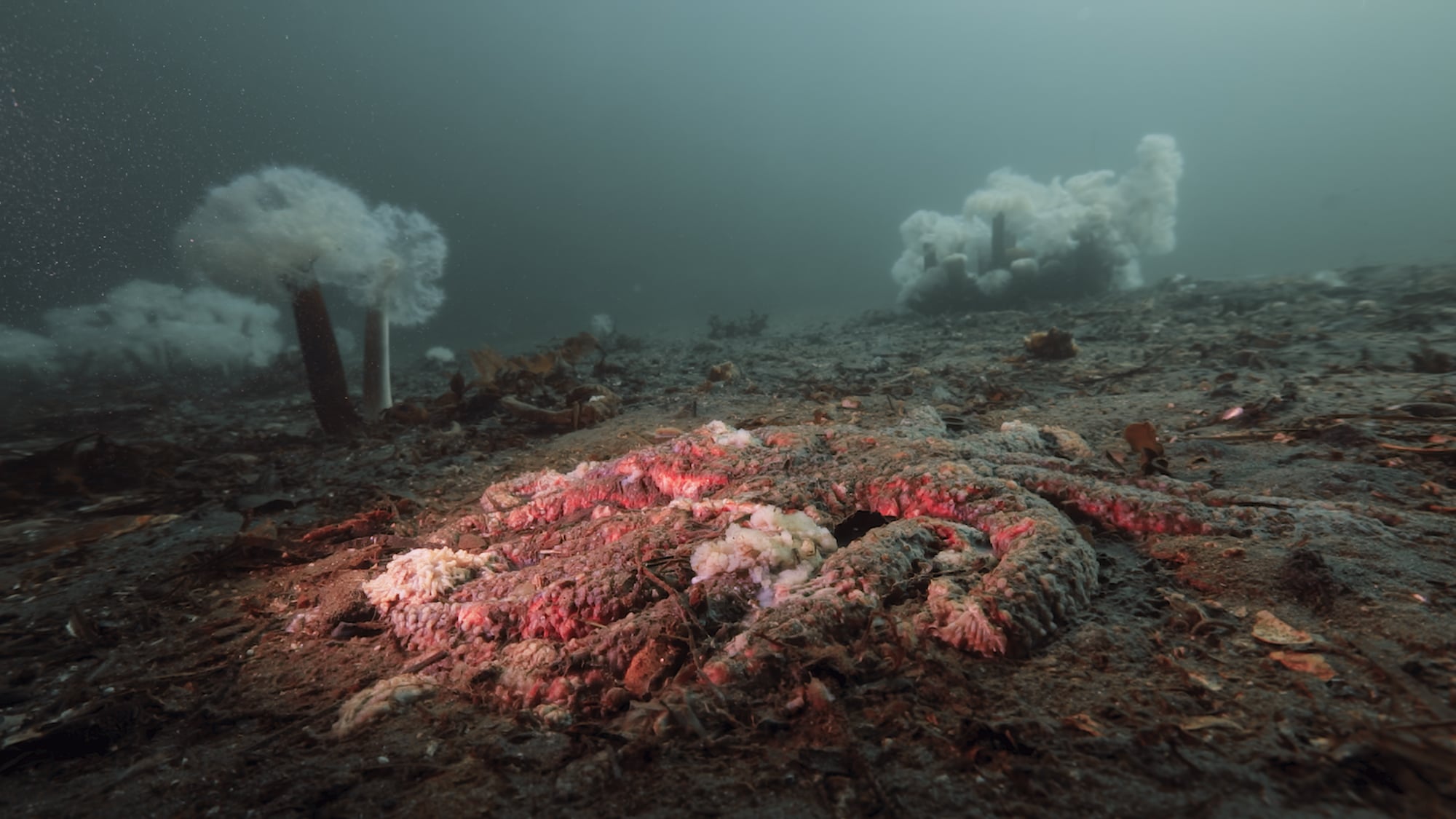
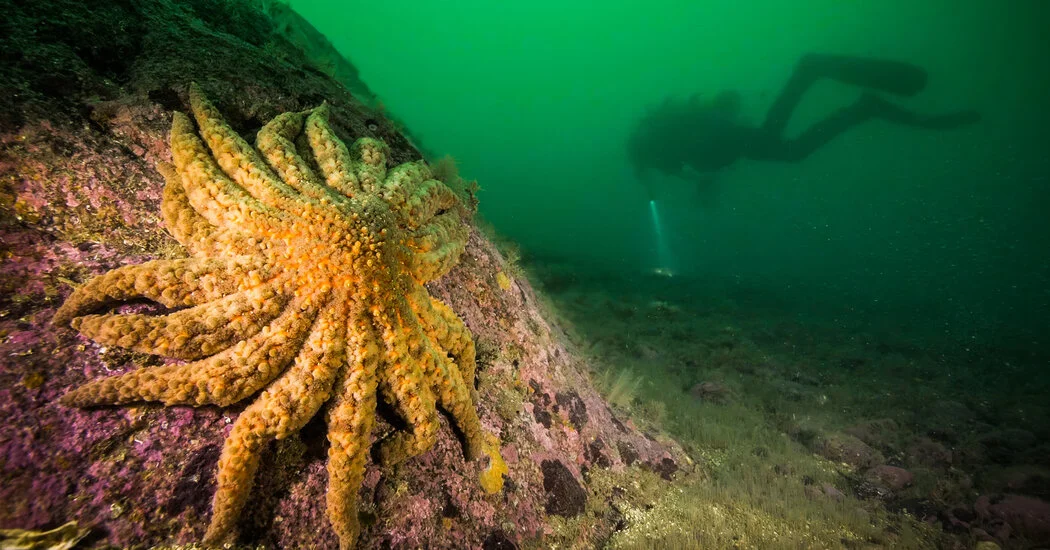
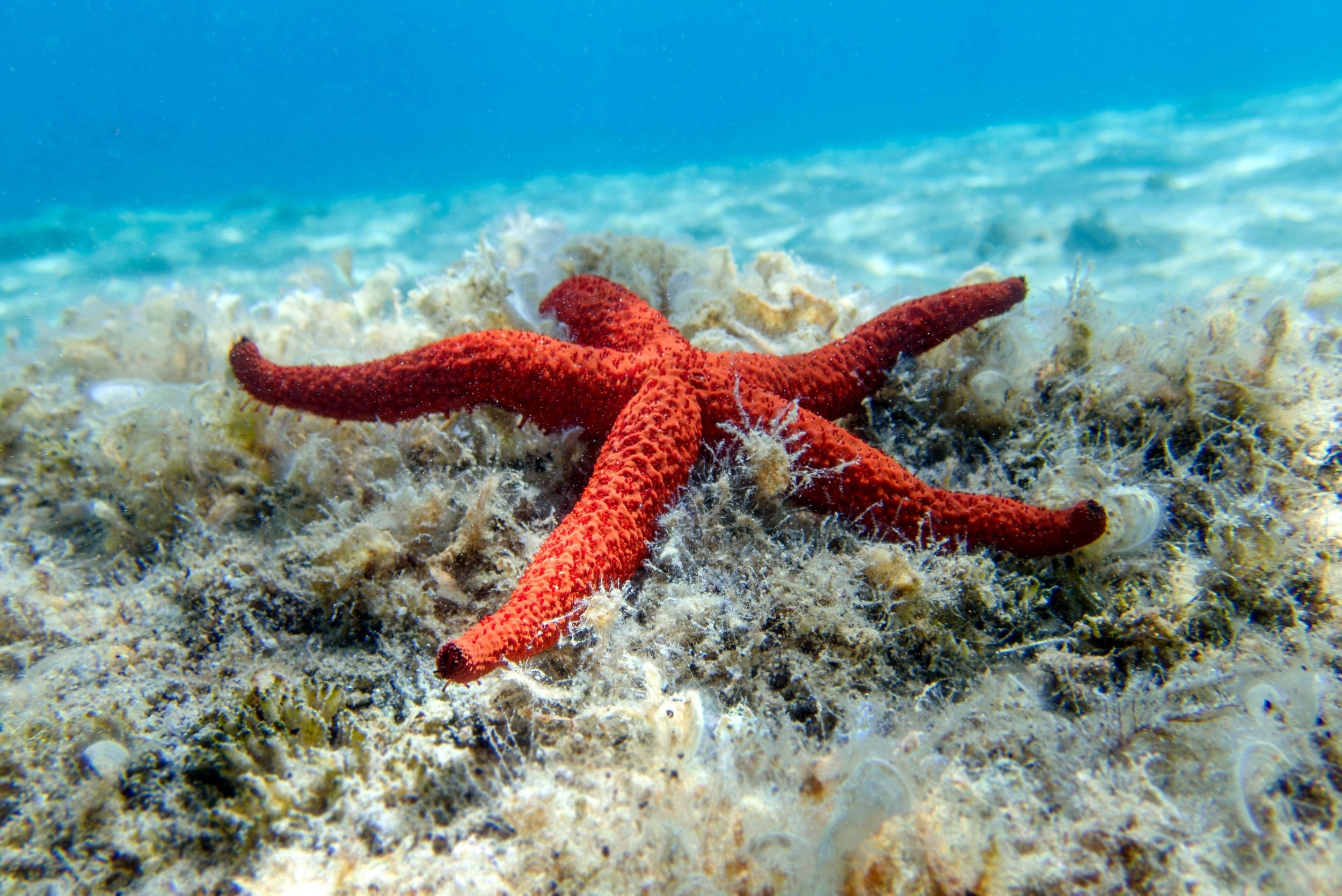
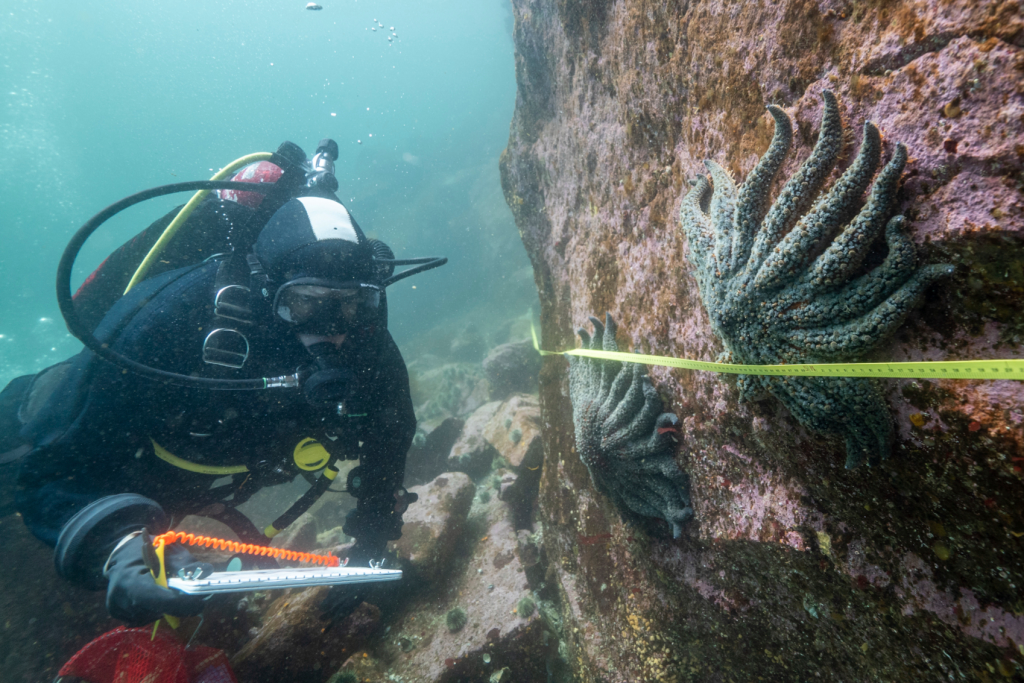
Scientists identify bacteria behind massive sea star die-off on the West Coast

Scientists have identified a strain of bacteria, Vibrio pectenicida, as the cause of the wasting disease that has killed billions of starfish along the West Coast since 2013, leading to ecological shifts such as sea urchin overpopulation and kelp decline. The discovery offers hope for recovery efforts, including breeding resistant starfish and restoring kelp forests, while raising questions about environmental triggers like climate change.

science6 months ago

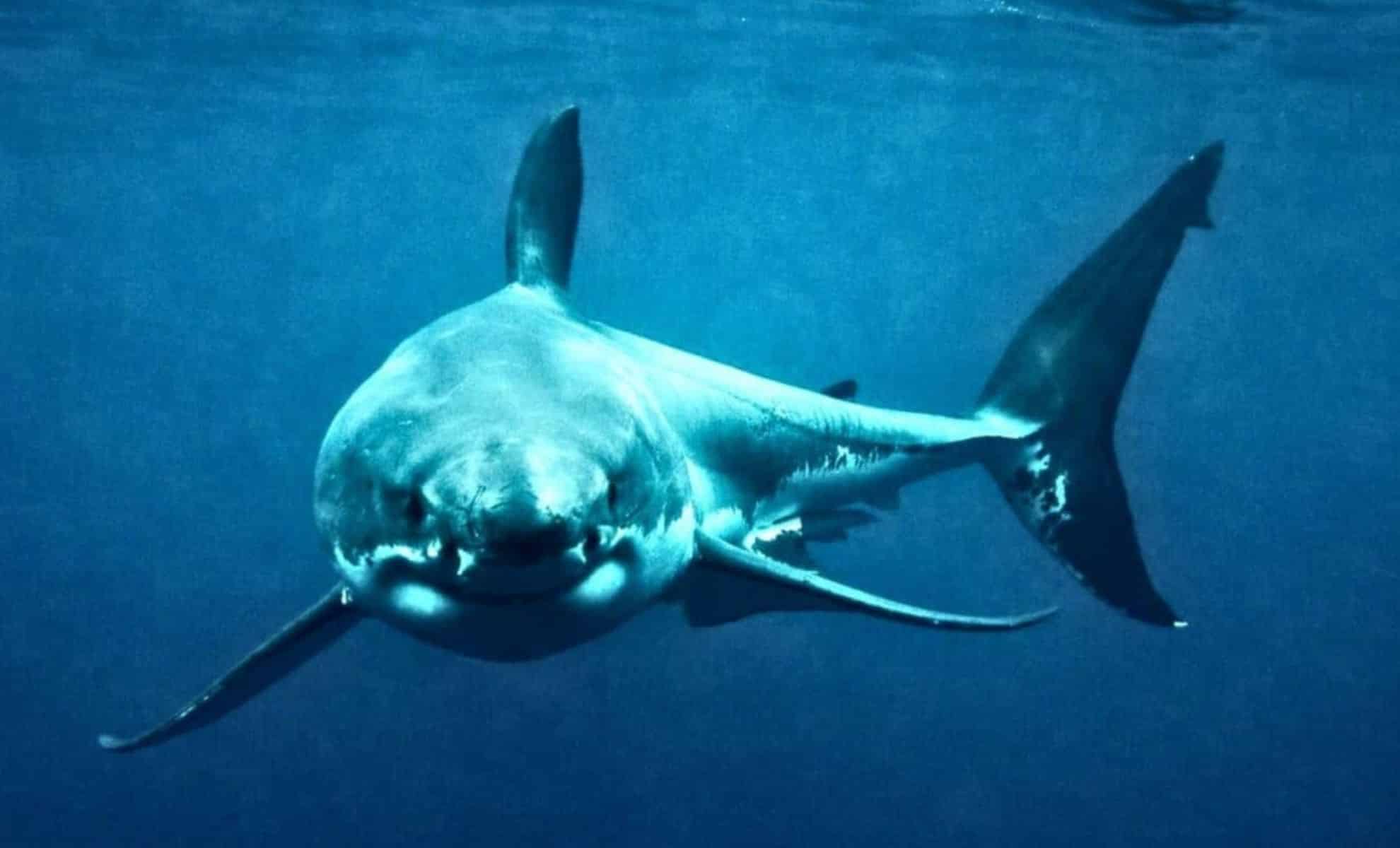
Great White Sharks Face Their Deadliest Rival

Great white sharks, long the ocean's top predators, are now being preyed upon by orcas in Australian waters, marking a significant shift in marine predator dynamics. Evidence shows orcas targeting sharks' livers with surgical precision, which could lead to declines in shark populations and broader ecological impacts. This behavior, previously observed in South Africa, is spreading, indicating a potential change in the marine food chain.

environment1 year ago

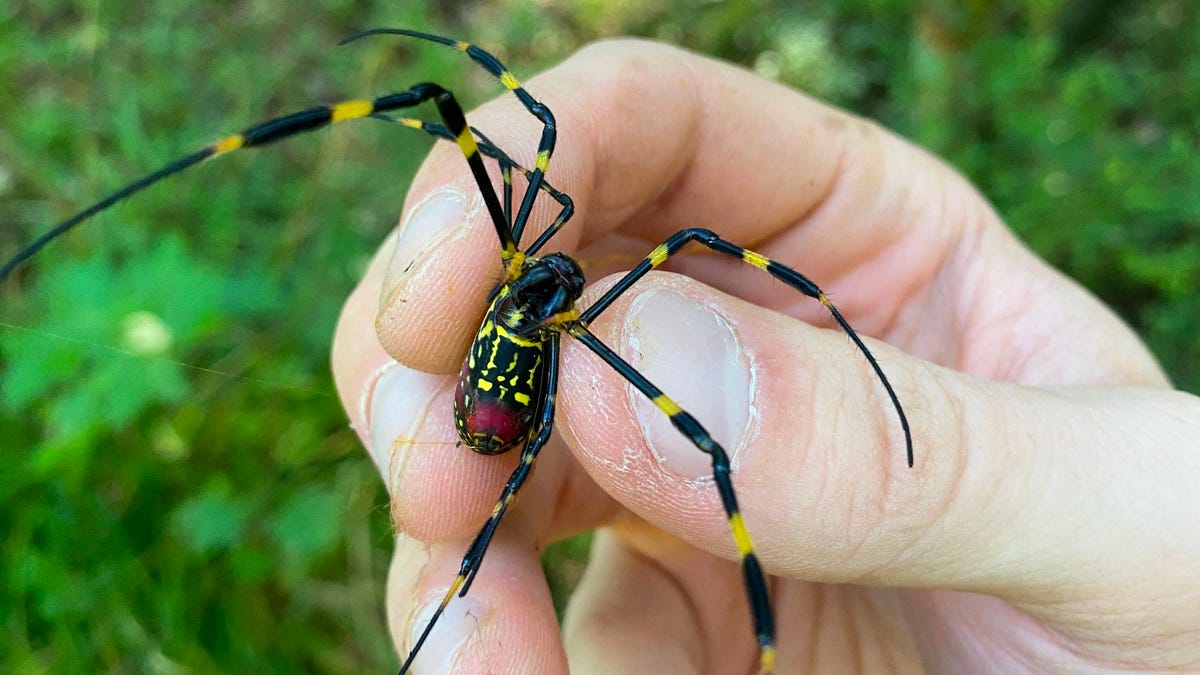
"Venomous Giant Flying Spiders to Invade New York in 2024"

Joro spiders, giant venomous arachnids from Japan, are expected to invade the Northeast US, including New York, after initially spreading in the Southeast. Known for their striking appearance and ability to "balloon" through the air, these spiders could disrupt local ecosystems by preying on native insects. While their venom is not typically deadly to humans, it can cause discomfort and allergic reactions. Pest control experts emphasize the need for education and responsible management to coexist with these invasive spiders.

environment1 year ago

"The Impact of One Degree of Warming: A Closer Look"

A study led by Northern Arizona University ecologist Andrew Richardson found that even slight increases in temperature in boreal forests can lead to a significant reduction in snowpack, resulting in increased plant stress, mortality, and potential fire risk. The research, published in the Journal of Geophysical Research: Biogeosciences, used long-term warming experimental results to show that less snowpack leads to warmer air temperatures and more snowmelt, with implications for ecosystem functioning and climate modeling. The findings suggest that transitioning to low- or no-snow winters could have major negative impacts on northern ecosystems.

environment2 years ago

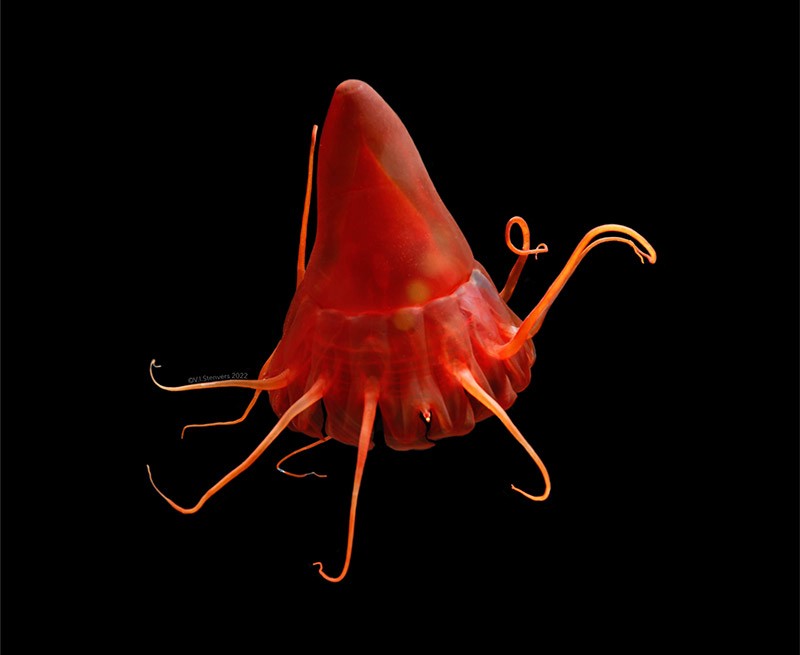
The Perils of Deep-Sea Mining: Stressed Jellyfish Reveal Threats

A first-of-its-kind study suggests that deep-sea mining could harm jellyfish by disrupting their metabolism. Sediment stirred from mining sites could activate stress responses in jellyfish, leading to excessive mucus production and increased energy requirements. This could potentially lead to starvation and harm the health of jellyfish. If other gelatinous organisms in the deep ocean respond similarly, commercial harvesting of the sea floor could reduce biodiversity and threaten crucial ecosystem functions.

science-and-environment2 years ago

"Permafrost Melting: Reviving Ancient Pathogens Poses Unpredictable Threats"

Melting permafrost due to global warming is releasing ancient viruses that have been preserved for tens of thousands of years. A recent study modeled the interactions between an ancient virus and modern bacteria to assess the potential impact on the ecosystem. While most invading viruses had little effect, in 1.1% of simulations, an invasive virus had a substantial impact, leading to a drop in biodiversity by 32%. Although the risk may seem low, the sheer number of potential exposures is staggering. However, the least populated places on Earth are covered with permafrost, reducing the risk of widespread infection.