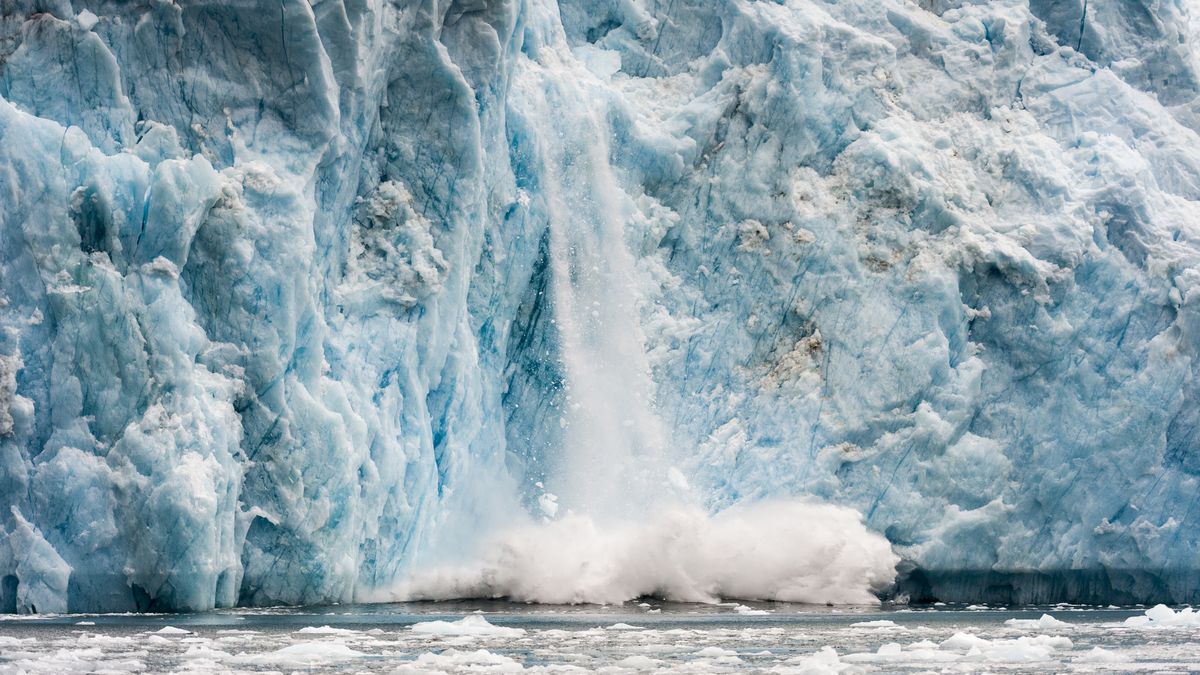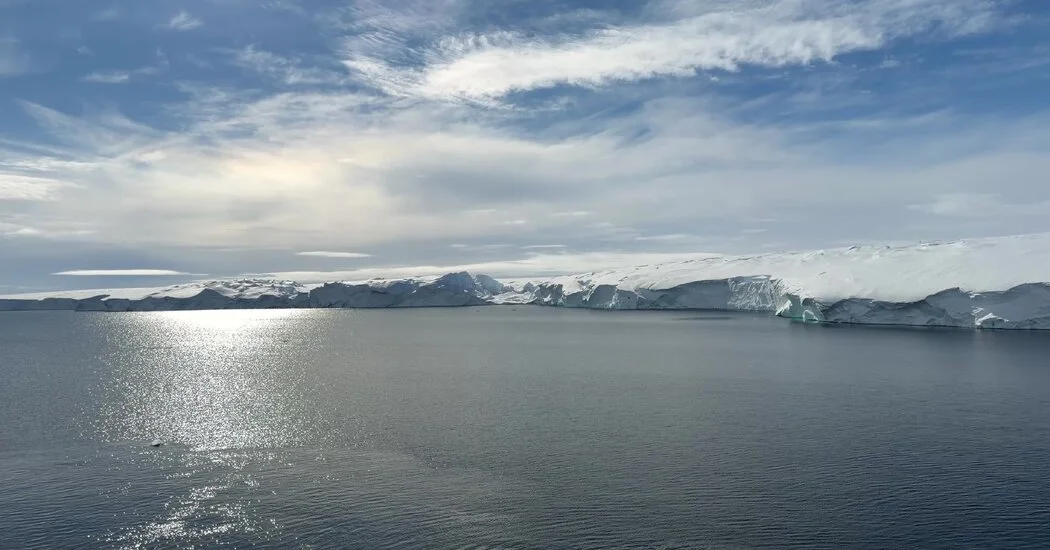
The icebreaker Araon has arrived at the Thwaites Glacier in Antarctica, where it is now surrounded by the rapidly melting glacier, highlighting concerns about climate change and ice loss in the region.
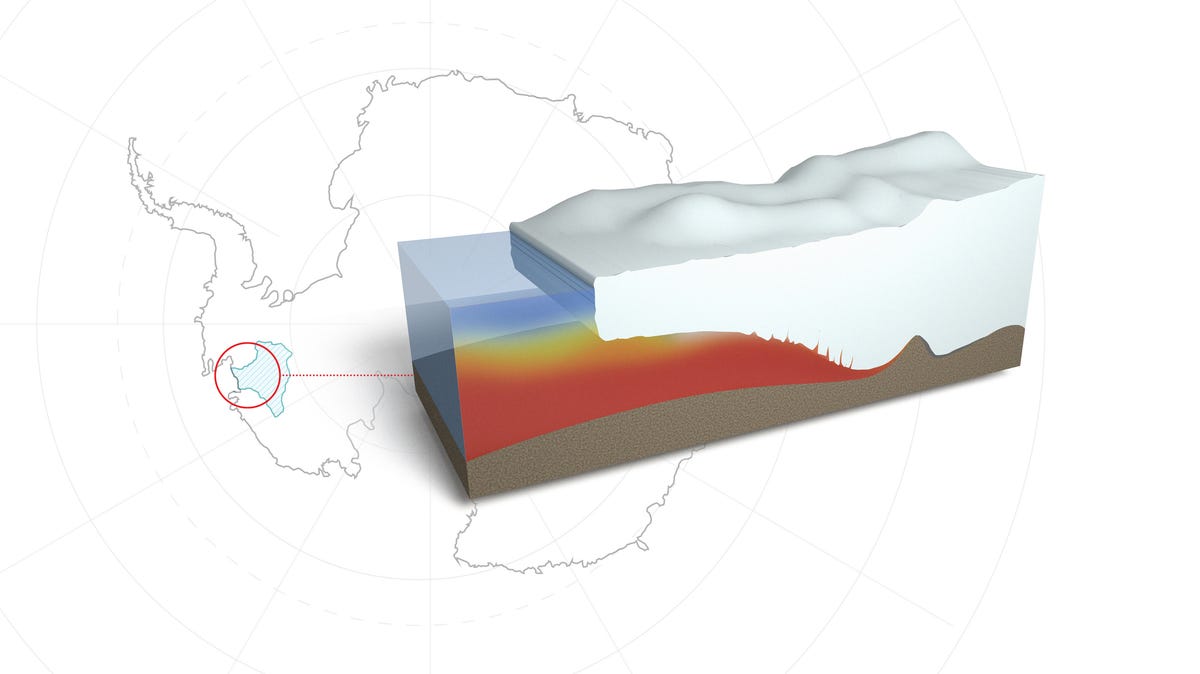
A new study reveals that the Thwaites Glacier in Antarctica, known as the "Doomsday Glacier," is melting much faster than previously predicted due to warm seawater eroding its base. This accelerated melting could lead to significant sea-level rise, potentially inundating coastal communities and displacing millions. The glacier's instability poses a severe threat, with projections indicating it could retreat to a deeper basin within 10 to 20 years, further hastening its demise and contributing to a global sea-level rise of up to 10 feet.
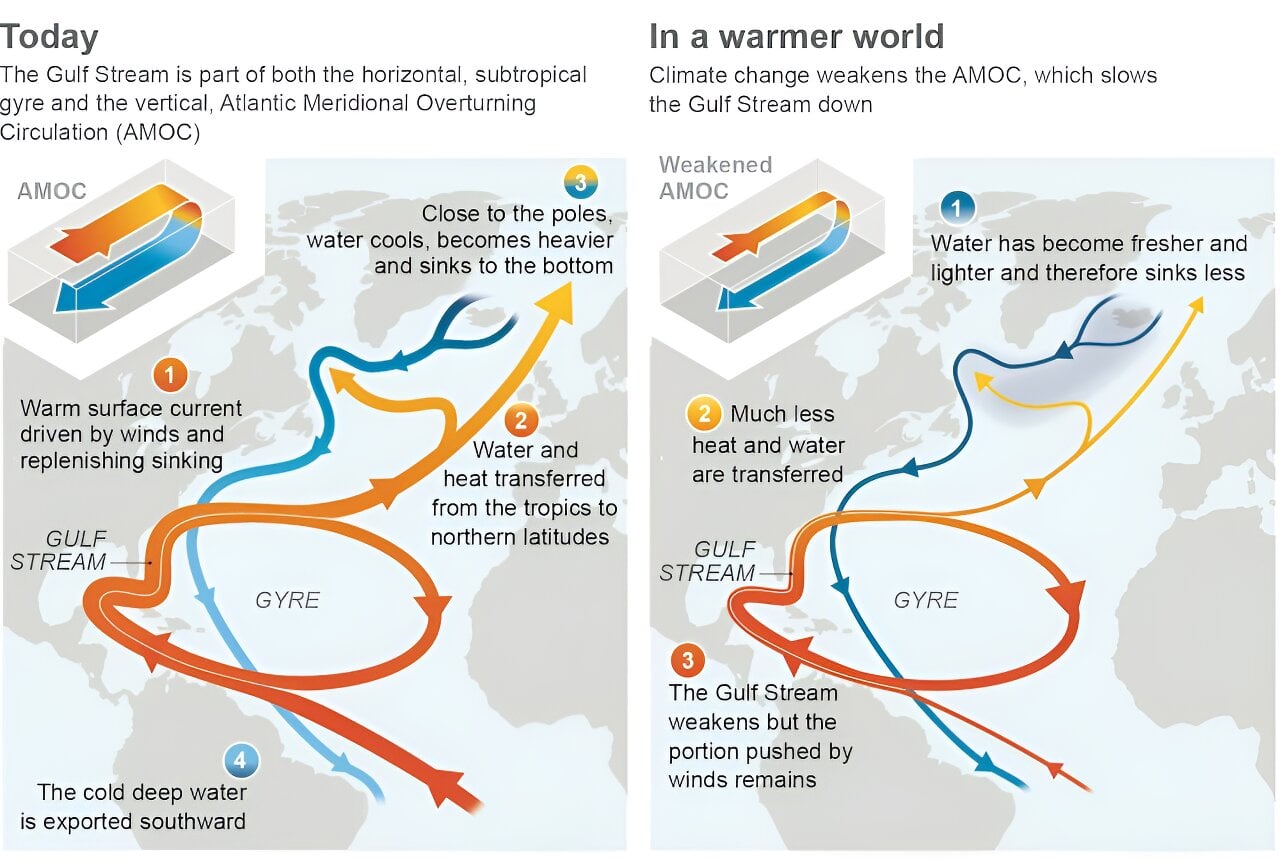
A new study using the latest climate models suggests that if melting glaciers shut down the Atlantic Ocean's circulation, extreme climate changes could occur within decades. The study indicates that the circulation could fully shut down within a century of hitting the tipping point, leading to a significant drop in average temperatures in North America, parts of Asia, and Europe. The shutdown would result in dangerous cold in the North, with regions influenced by the Gulf Stream experiencing substantial temperature drops. The study also identifies a physics-based early warning signal for when the Atlantic Ocean circulation is nearing its tipping point, with potential severe impacts on society and ecosystems.
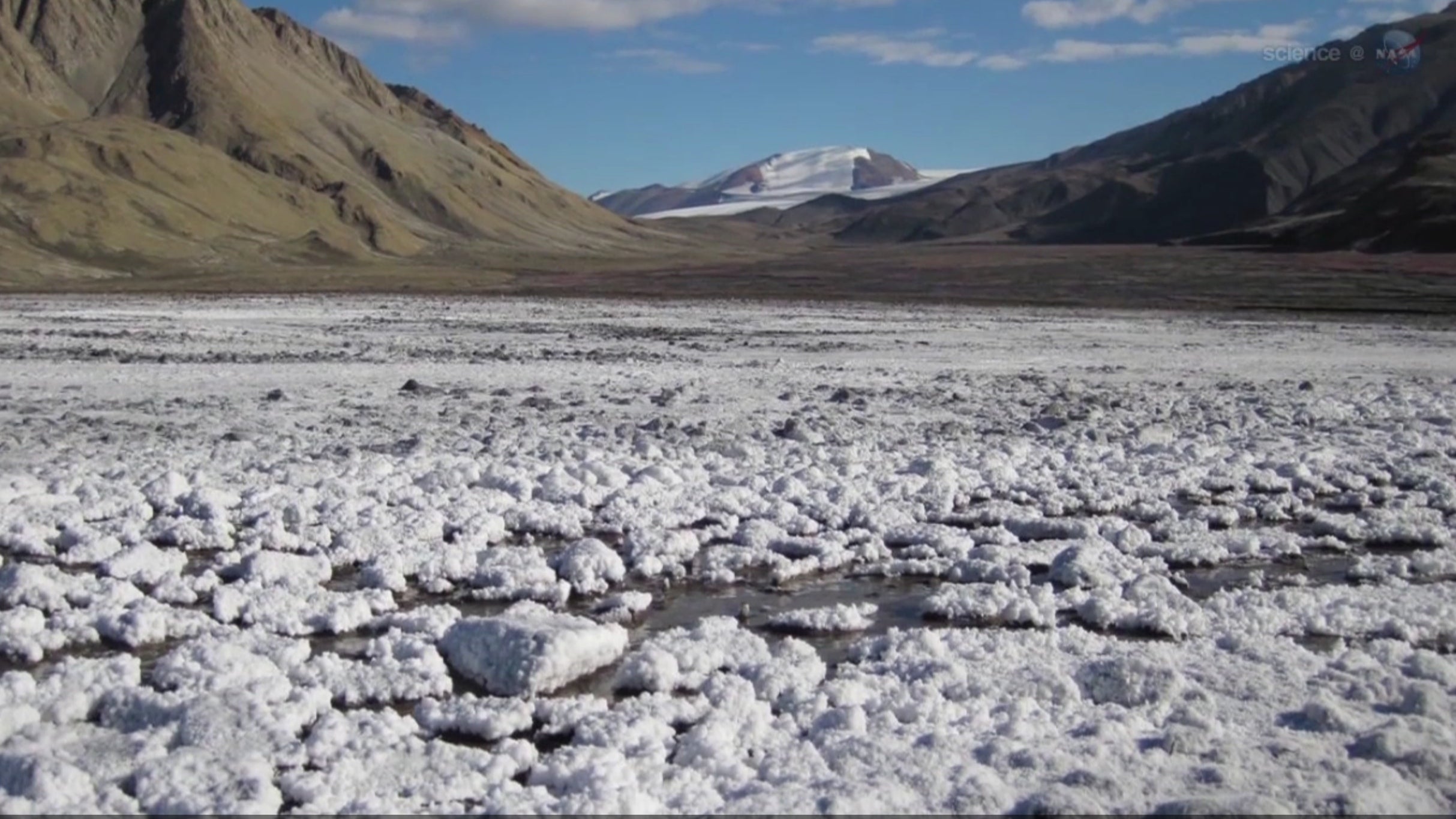
As Tibetan glaciers melt, ancient viruses dating back 15,000 years are being discovered, raising concerns about their potential release into the environment. Researchers have identified dozens of unique viruses from ice core samples, shedding light on their functions and genetic signatures. These viruses likely originated from soil or plants and may have facilitated nutrient acquisition for their hosts. While the release of ancient viruses is a concern, the melting ice also poses a threat by releasing massive reserves of sequestered methane and carbon. The study provides insights into past environmental changes and the evolution of viruses in extreme environments, highlighting the need for further exploration in this area.
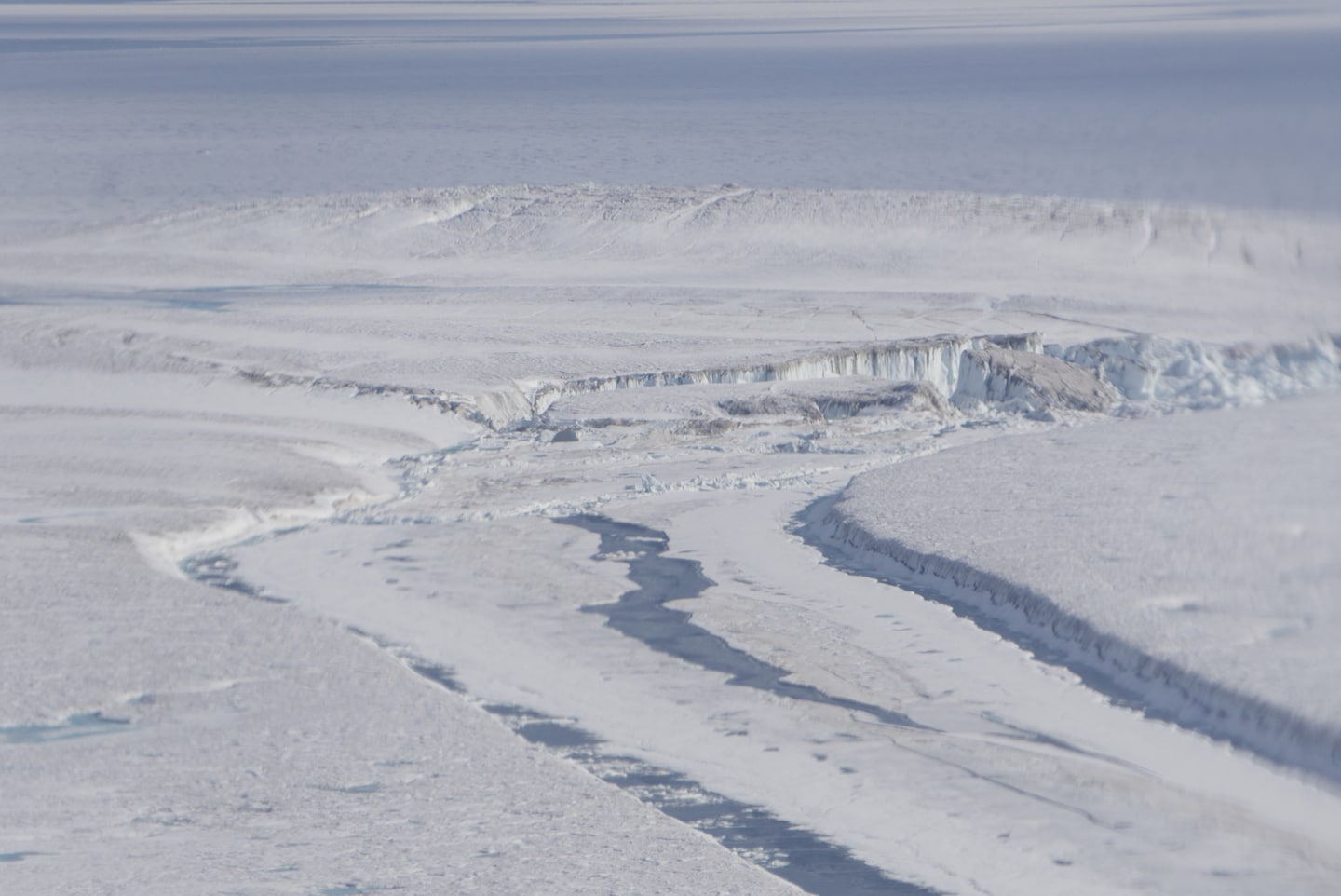
Scientists have issued a warning about the alarming collapse of Greenland's ice shelves, with three out of eight already experiencing complete collapse and the remaining five in rapid retreat. The loss of these ice shelves could lead to a rise in sea levels by nearly 7 feet, with significant consequences. Rising ocean temperatures have caused the ice shelves to lose over a third of their volume since 1978, primarily due to warm water melting them from underneath. This trend of accelerated melting is not limited to Greenland but is occurring in icy regions worldwide, contributing to observed sea-level rise.
Greenland's ice shelves, which play a crucial role in holding back sea level rise, have lost 35% of their volume since 1978, equivalent to approximately 400 billion tons of floating ice. Only five large ice shelves remain, including Petermann, Ryder, and 79 North, which could contribute 3.6 feet of sea level rise if they were to melt entirely. The retreat of these ice shelves is a clear sign of the weakening ice shelf system in Greenland, with potential grave implications for future sea level rise.
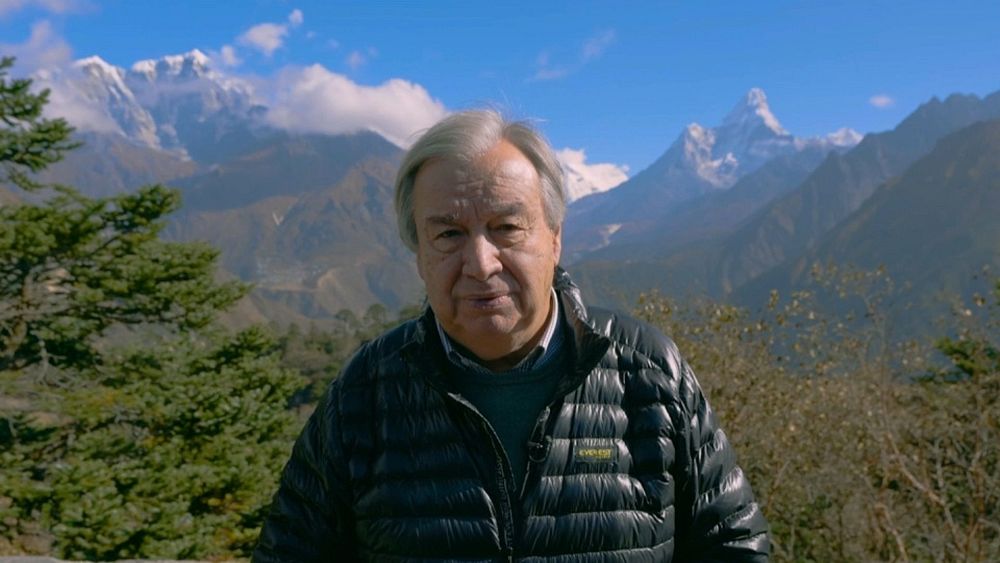
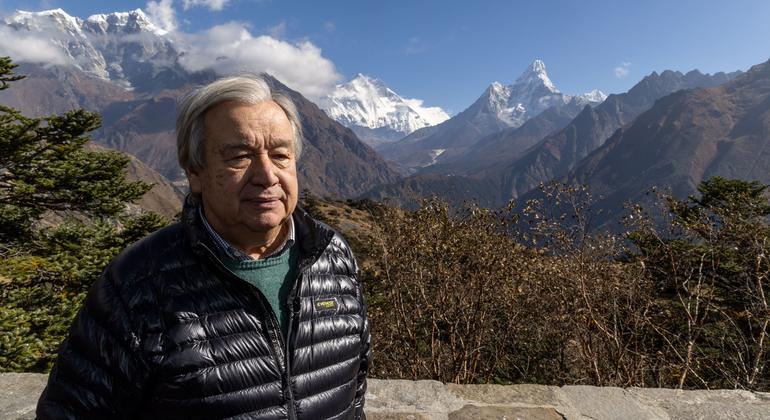
UN Secretary-General António Guterres warned that Nepal's snow-capped mountains have lost nearly one-third of their ice in over 30 years due to global warming. He emphasized the urgent need to address climate change, as melting glaciers could lead to floods, droughts, and landslides. Glaciers in the Hindu-Kush Himalaya region could lose up to 75% of their volume by the end of the century, posing risks to the 240 million people living in the area. Guterres called for limiting global temperature rise to 1.5 degrees Celsius to mitigate the impacts of climate change.
UN Secretary-General António Guterres called for urgent action to address the devastating effects of climate change during his visit to the Everest region in Nepal, where melting glaciers are endangering communities. Nepal has lost nearly a third of its ice volume in the past 30 years, with glaciers melting 65% faster in the last decade. Guterres warned that the disappearance of glaciers threatens the fresh water supply for over a billion people and could lead to catastrophic consequences, including the erasure of low-lying countries and communities. He emphasized the need to end the fossil fuel age and limit global temperature rise to 1.5°C to avert the worst of climate chaos.
A new study has found that ancient pathogens released from melting permafrost pose a potential threat to microbial communities and human health. Using computer simulations, researchers found that these ancient invading pathogens could survive and evolve in modern communities, with about 3% becoming dominant. While most had little effect on the larger community, approximately 1% caused significant disruptions, leading to the death of up to one-third of host species or an increase in diversity by up to 12%. The study suggests that the risks posed by these time-traveling pathogens, previously confined to science fiction, could be powerful drivers of ecological change and threats to human health.
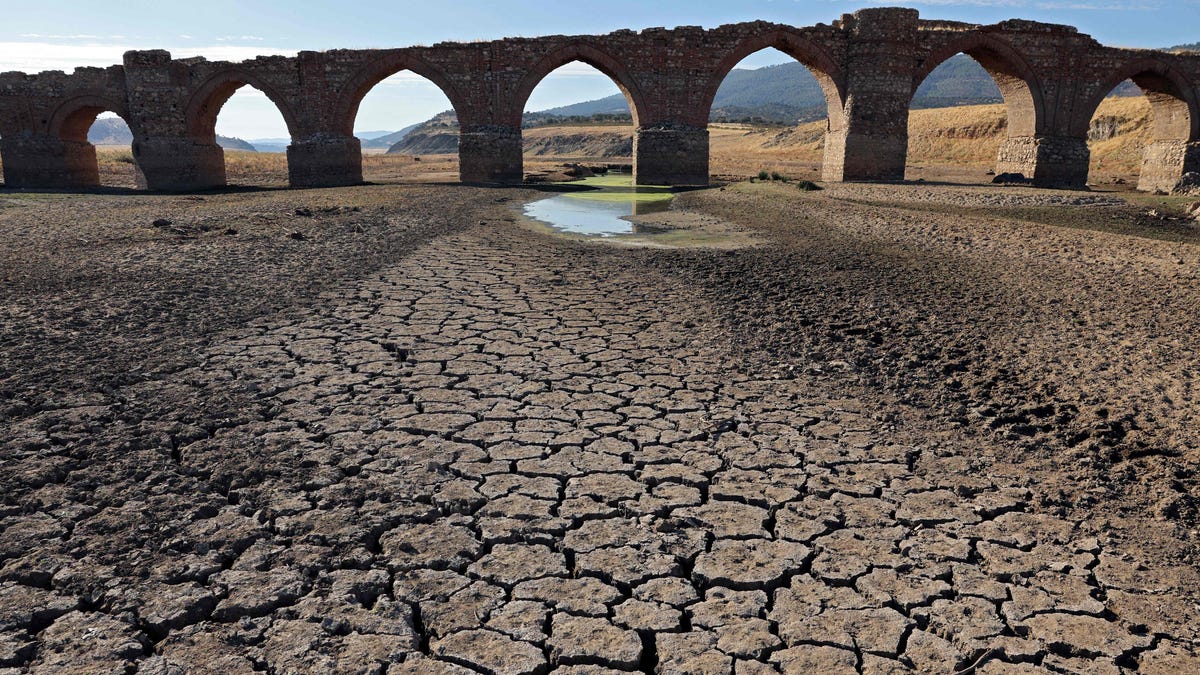
The United Nations weather agency has released a report stating that 2022 was another year of disastrous and deadly weather and climate extremes around the world, fueled in part by human-caused climate change. The report highlights that Antarctic sea ice fell to its lowest extent on record, ocean heat and acidity levels reached record heights, and the melting of some European glaciers was off the charts. The report also states that current glacier melting and sea-level rise show "we have already lost" on those two key signals of the planet's health.