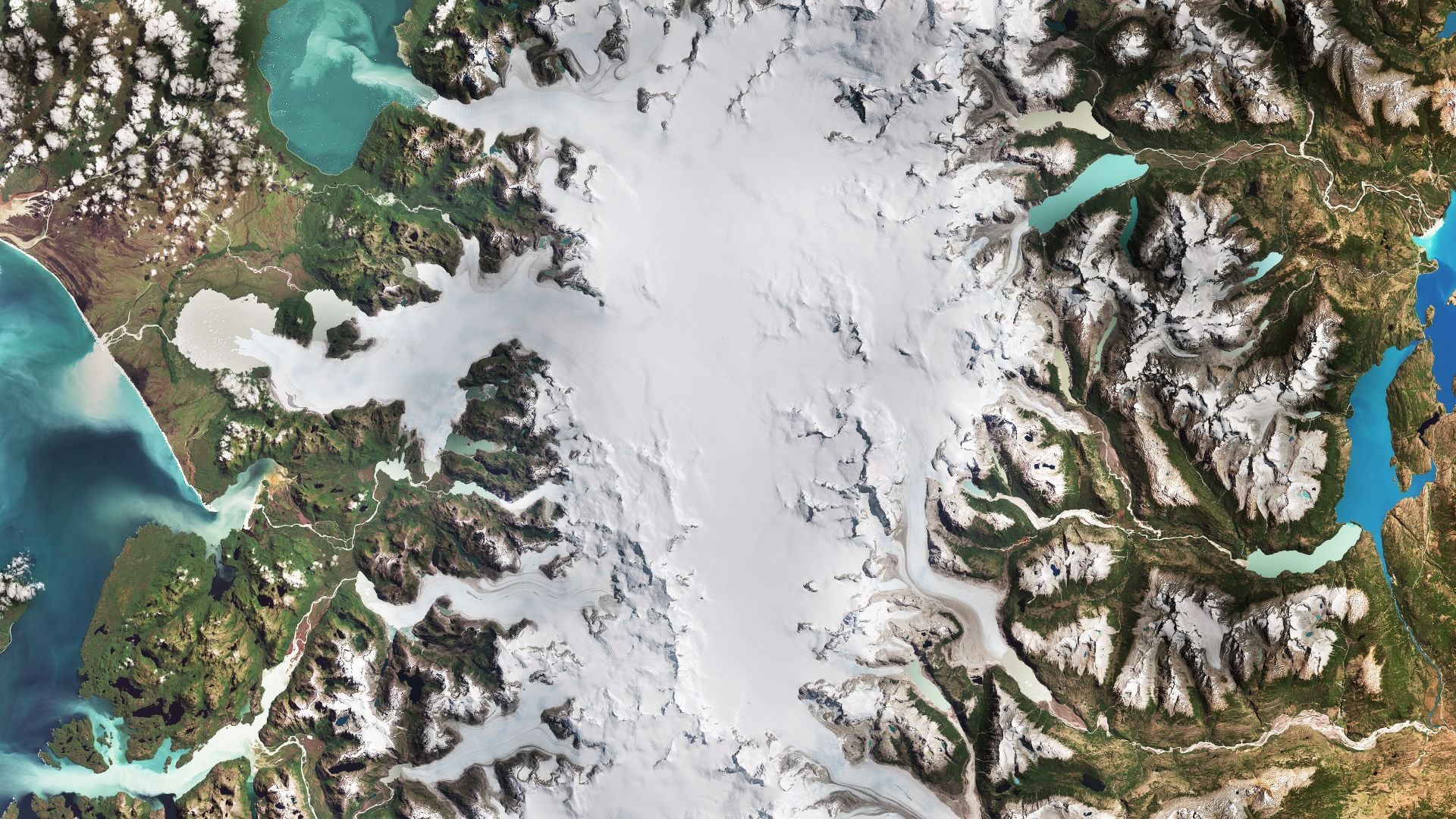
Satellites like ESA's Copernicus Sentinel-2 have captured images of glaciers in Chile's Patagonia, revealing significant retreat over decades due to climate change, which contributes to rising sea levels and landscape changes.
A recent study confirms that melting ice and ocean warming significantly contribute to rising sea levels, with an average increase of about 3 millimeters per year, highlighting the urgent need for climate mitigation efforts and providing valuable data for future climate projections.
Researchers have developed a surface pattern that allows ice disks to move autonomously by directing meltwater flow, which could inspire new energy generation methods and rapid defrosting techniques.
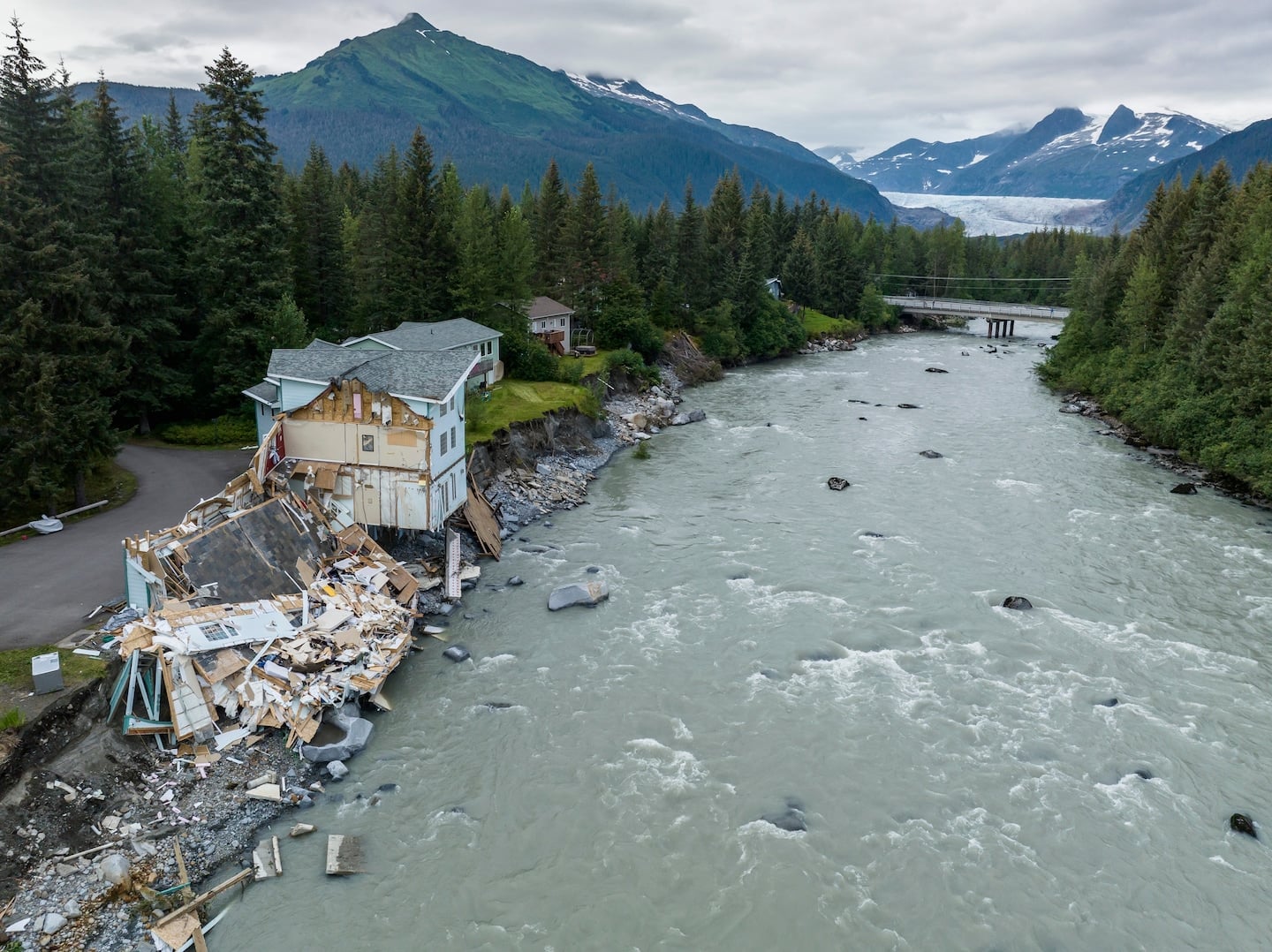
Scientists discovered a surprising and unprecedented flood in Greenland in 2014, where over 24 billion gallons of water burst through a 300-foot-thick ice sheet, challenging existing understanding of meltwater flow and highlighting the urgent need to address climate change and ice loss.
At the Republican National Convention, former rivals like Nikki Haley and Ron DeSantis endorsed Donald Trump, emphasizing party unity. Meanwhile, new studies reveal that melting ice is slowing Earth's rotation and affecting its axis, highlighting the profound impact of climate change.
Satellite measurements show that the Earth's rotation is slowing down faster than before due to melting ice in places like Greenland and Antarctica, impacting the planet's core and overall rotation speed. This affects the timekeeping system, Coordinated Universal Time (UTC), and may require adjustments in the future. The redistribution of mass from melting ice and other factors are contributing to the Earth's slowing spin, highlighting how global warming not only impacts the environment but also affects our timekeeping systems.
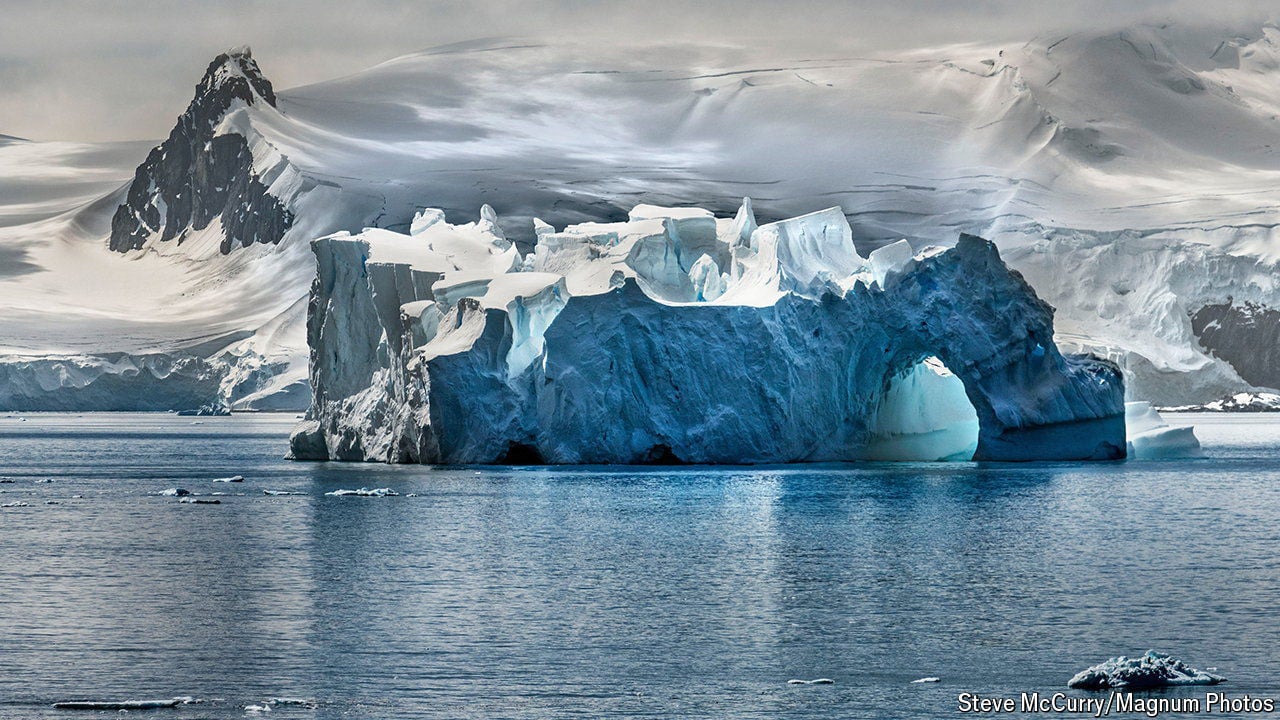
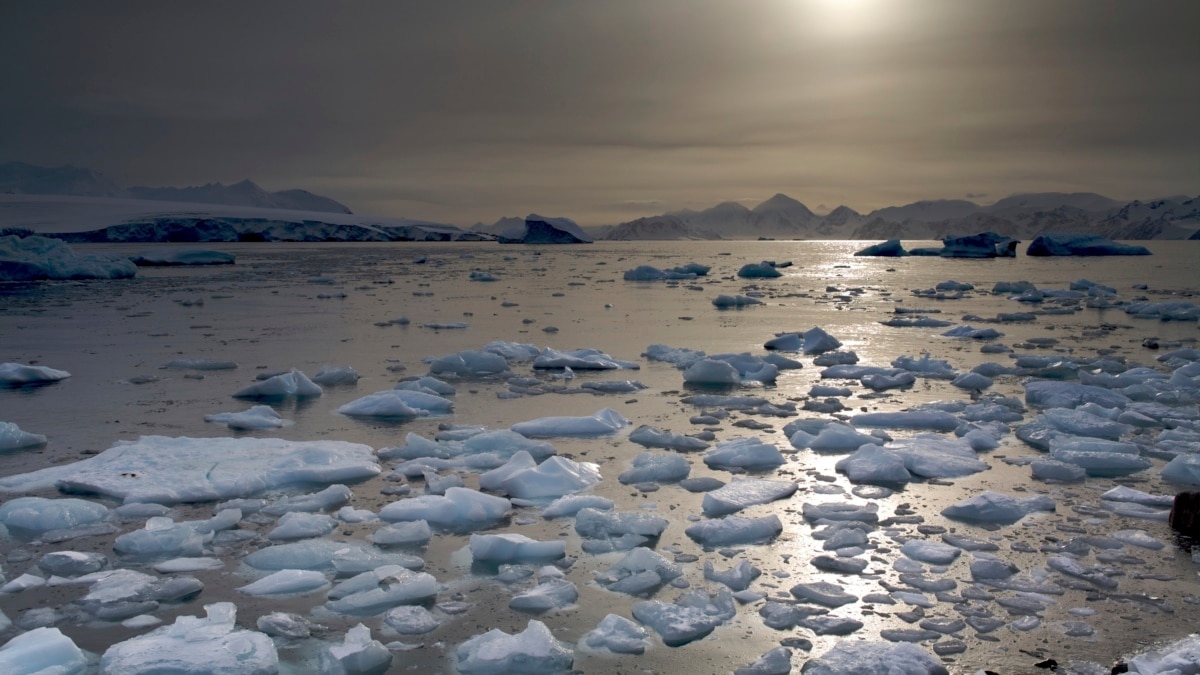
Antarctica, often overlooked in the climate change narrative, is experiencing significant changes, including record-low sea ice levels, massive ice shelf collapses, and extreme heatwaves. These changes are contributing to rising sea levels and disrupting the Antarctic overturning circulation, impacting global climate and ocean ecosystems. The melting ice in Antarctica could disproportionately raise sea levels in the northern hemisphere, affecting coastal regions worldwide, and has the potential to significantly impact the global carbon sink and ocean currents.
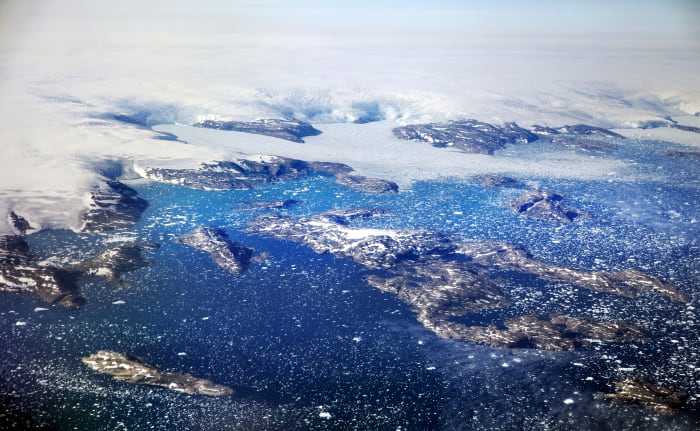
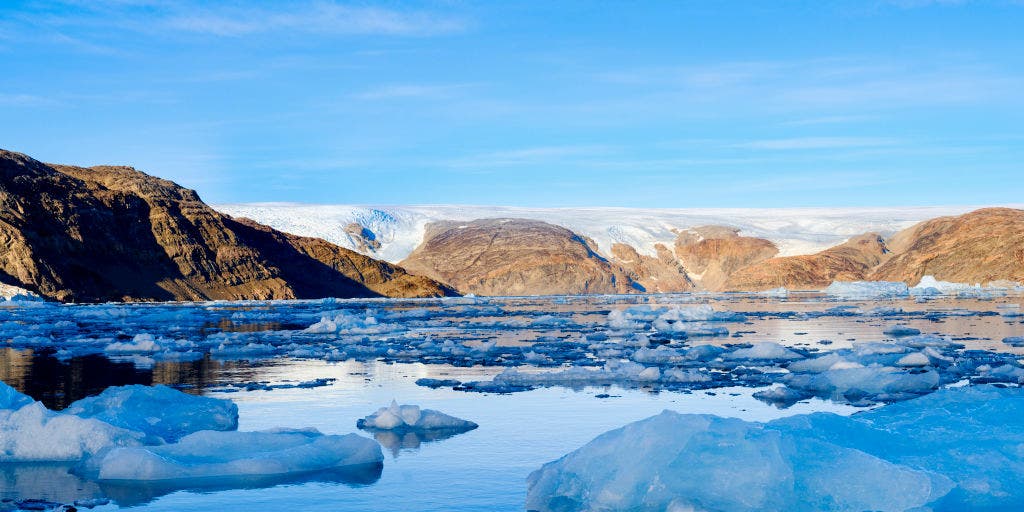
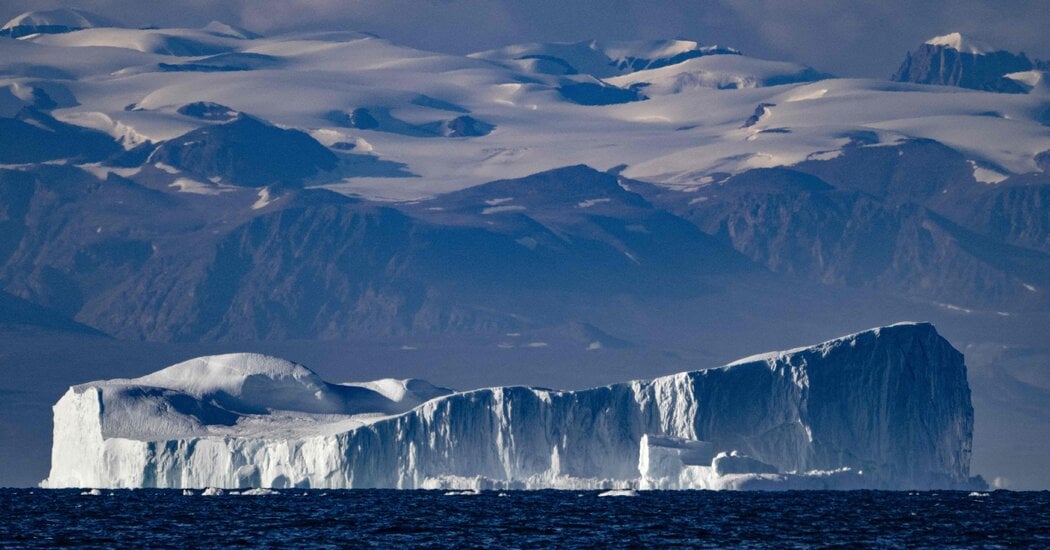
Greenland's ice sheet is melting at an alarming rate due to climate change, leading to a significant increase in vegetation and wetlands coverage over the past 30 years. The warming Arctic, especially Greenland, has experienced a temperature rise twice as much as the rest of the world since the 1970s, causing drastic changes in the land-climate system. This "shrubification" is altering the energy balance, microclimatology, and feedback mechanisms, ultimately contributing to the acceleration of ice melt and rising sea levels. Greenland was historically much greener, and the name "Greenland" was chosen to attract settlers, but various factors, including volcanic eruptions and changes in trade, led to the island's current icy state.
A photo of a polar bear sleeping on an iceberg has won the Natural History Museum's Wildlife Photographer of the Year award, highlighting the impact of climate change on polar bear habitats. The bear is one of an estimated 3,000 living in the Barents Sea, facing crisis as melting ice forces them to swim longer distances and seek food on shore. Researchers have linked greenhouse gas emissions to the survival of polar bear cubs and are calling for stronger protections under the Endangered Species Act. Despite the challenges, experts believe that curbing fossil fuel emissions could still help conserve polar bear populations.
The Arctic experienced its hottest summer on record, with the region warming nearly four times faster than anywhere else on the planet. The National Oceanic and Atmospheric Administration's report card reveals that the Arctic is becoming less icy, wetter, and greener due to climate change. This summer, the effects of warming were evident through out-of-control wildfires, glacial thinning causing severe flooding, record-high temperatures near Greenland's ice sheet, and the opening of the Northwest Passage and Northern Sea Route for ships. Salmon populations in western Alaska were at record lows, while sockeye salmon surged to record highs. The report emphasizes the urgent need for action to mitigate the rise in global temperatures and the resulting impacts on ecosystems.
The National Oceanic and Atmospheric Administration (NOAA) has released its 18th annual Arctic Report Card, revealing that the Arctic experienced its warmest summer on record in 2023, with temperatures rising four times faster than in other regions. The report highlights the impact of rising temperatures on the Arctic landscape, including the loss of Greenland's ice sheet and the sixth-lowest extent of floating sea ice in the satellite record. The report also emphasizes the devastating effects of wildfires in the region, with Canada experiencing its worst wildfire season on record. The inclusion of observations from Indigenous communities in the report underscores the growing collaboration between Western scientists and local people with firsthand knowledge of the changing conditions in the Arctic.
A new study predicts that a significant portion of Antarctica, particularly the Amundsen Sea region, is expected to experience "unavoidable" melting of protective ice, leading to a rise in sea levels by nearly 1.8 meters over hundreds of years. The study suggests that even if carbon emissions are reduced, the warming of the ocean and melting of ice shelves cannot be prevented, potentially causing the collapse of the West Antarctic Ice Sheet. The research highlights the urgent need to address climate change and reduce carbon emissions to mitigate the impacts of melting ice in Antarctica.
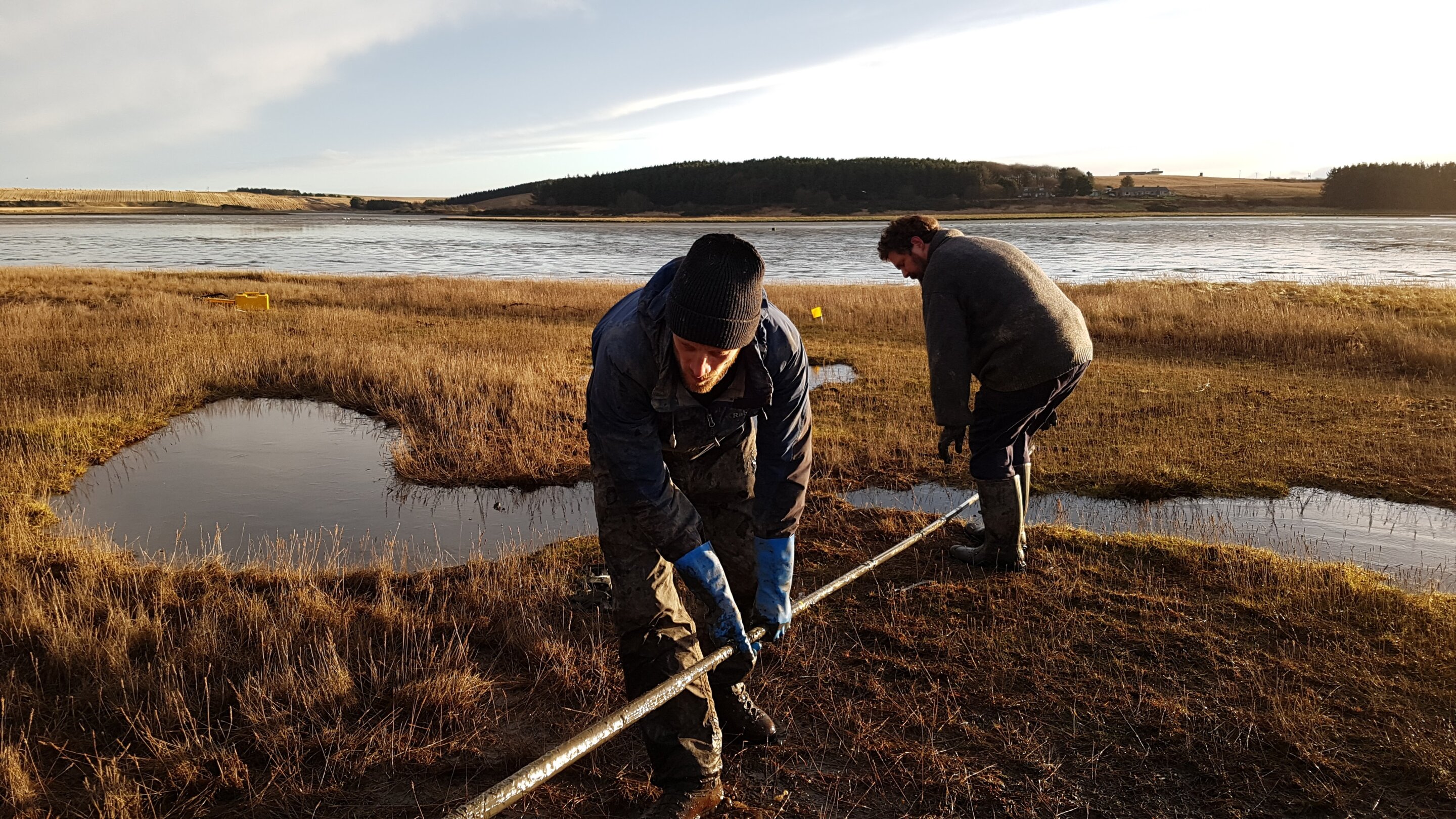
Scientists studying geological samples from the Ythan Estuary in Scotland have identified a melting ice sheet as the likely trigger of a major climate change event over 8,000 years ago. The event caused cooling in the North Atlantic and Northern Europe, disrupted ocean currents, and affected global rainfall patterns. The analysis of core samples suggests that the melting of the Hudson Bay Ice Saddle, rather than a giant lake, was responsible for the influx of freshwater into the North Atlantic. The findings provide insights into how present-day ice loss in Greenland could impact global climate systems.
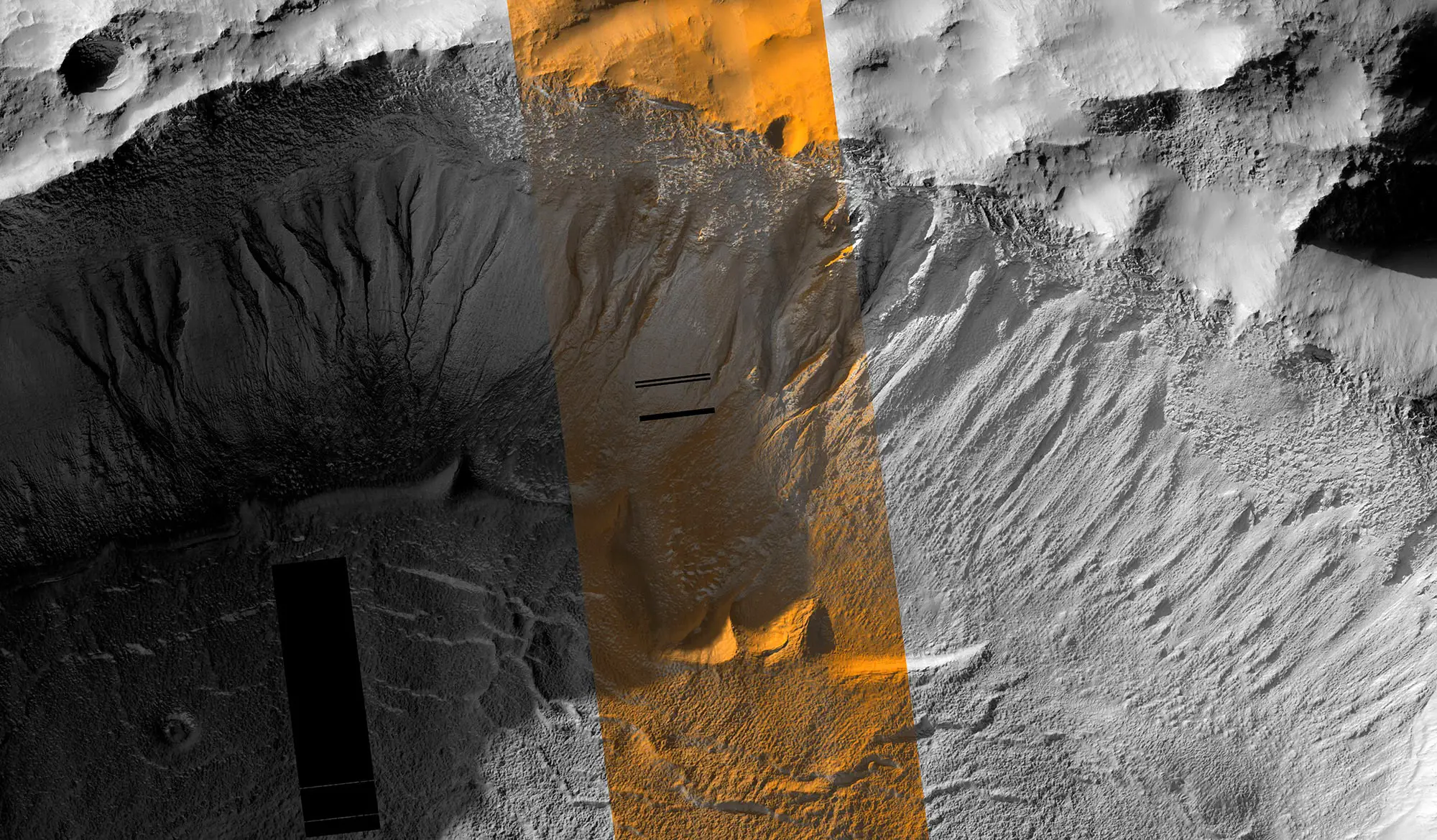
Scientists from Brown University have conducted a study suggesting that gullies on Mars may have formed from periods of liquid meltwater resulting from melting ice on and beneath the planet's surface. By simulating conditions on Mars, the researchers found that when the planet tilts on its axis to 35 degrees, the atmosphere becomes dense enough for brief episodes of melting to occur at gully locations. This study fills in gaps in understanding how these gullies formed and raises questions about the potential for life on Mars.
Melting permafrost due to global warming is releasing ancient viruses that have been preserved for tens of thousands of years. A recent study modeled the interactions between an ancient virus and modern bacteria to assess the potential impact on the ecosystem. While most invading viruses had little effect, in 1.1% of simulations, an invasive virus had a substantial impact, leading to a drop in biodiversity by 32%. Although the risk may seem low, the sheer number of potential exposures is staggering. However, the least populated places on Earth are covered with permafrost, reducing the risk of widespread infection.