Tag

Memory Impairment

All articles tagged with #memory impairment

health-research1 year ago

The Long-Term Impact of Junk Food on Adolescent Memory

Research led by USC indicates that consuming a high-fat, sugary diet during adolescence can lead to persistent memory impairments, despite later dietary improvements, with long-term effects on brain function and memory. Rats fed a high-fat, high-sugar diet during their adolescence experienced memory impairment, and the study suggests that these effects may last into adulthood. The research highlights the significant impact of junk food diets on memory function and the potential long-term consequences, emphasizing the importance of healthy eating habits during adolescence for brain development.

health-and-neuroscience1 year ago

"Adolescent Junk Food Diet Linked to Long-Term Memory Damage"

A study on rats suggests that a junk food diet during adolescence may lead to long-lasting memory impairments due to disruptions in acetylcholine, a crucial neurotransmitter for memory and learning. Even after switching to a healthier diet, the memory deficits persisted into adulthood, highlighting the potential irreversible effects of poor dietary habits on cognitive functions. The research emphasizes the critical impact of diet on brain development and suggests avenues for future research on mitigating the impact of dietary choices.

health1 year ago

The Lasting Impact of Junk Food on Childhood Memory

A study at the University of Southern California suggests that a diet high in fat and sugar during adolescence may lead to long-term memory impairment in adulthood, similar to findings in rats. The research indicates that a junk food-filled diet may disrupt a teen’s memory ability for a long time, affecting the levels of acetylcholine, a neurotransmitter essential for memory and brain function. While the study shows hope for intervention with medication inducing the release of acetylcholine, further research is needed to understand how memory problems from a junk food diet during adolescence may be reversible.

health-and-science1 year ago

The Impact of Diet on Memory Functioning

Researchers have found that early consumption of a Western diet can lead to long-lasting deficits in episodic memory, despite not causing obesity or metabolic dysfunction. The study, conducted on rats, suggests that disruptions in hippocampal acetylcholine signaling may mediate these memory impairments. While changes in the gut microbiome due to the diet were reversible with a healthy diet intervention, the cognitive impairments persisted. The findings highlight the critical role of diet in brain health, particularly during early developmental stages, and emphasize the need for further research on the translational relevance to humans.

health1 year ago

"Long Covid Linked to Persistent Cognitive Impairment, New Study Reveals"

A study suggests that people with long Covid may experience measurable memory and cognitive deficits, equivalent to a difference of about six IQ points, lasting a year or more after infection. The research, which assessed over 140,000 individuals, found that those with persistent symptoms for more than 12 weeks had more significant deficits in memory, reasoning, and executive function. While those with resolved longer-lasting symptoms showed improvement in cognitive functions, individuals who had been hospitalized for Covid-19 exhibited the most noticeable deficits. The study highlights the quantifiable impact of "brain fog" and the potential long-term cognitive effects of Covid-19.

health2 years ago

"Nutrient Supplementation: A Promising Early Intervention for Alzheimer's Patients"

Nutrient supplementation may have a beneficial effect on cognitive performance and memory impairment in patients with Alzheimer's disease (AD). Previous studies have shown improvements in AD severity with the use of supplements such as phosphatidylserine (PS) and phosphatidic acid (PA), as well as a nutraceutical formulation (NF) containing folate, alpha-tocopherol, vitamin B12, S-adenosyl methionine, N-acetylcysteine, and acetyl-L-carnitine. Early intervention with these supplements is particularly important in the early stages of AD. However, more research is needed to establish standardized guidelines for supplement quality and safety, as well as to explore the potential long-term systemic toxicity and drug interactions.

health2 years ago

New Breakthrough in Halting Dementia Progression Discovered by Scientists

Scientists from the University of Helsinki have discovered that a compound known as a PREP inhibitor can prevent the build-up of a harmful protein responsible for memory disorders, among other things. The inhibitor reduces Tau accumulation and toxicity in cellular models, including patient-derived neurons from frontotemporal dementia patients. After promising cellular results, PREP inhibitor treatment was also tested in a mouse model of frontotemporal dementia, leading to normal cognitive skills. The results support the further development of PREP-targeting drugs.

neuroscience2 years ago

New Discoveries in Alzheimer's Research: Identifying Vulnerable Neurons and Developing Potential Treatment

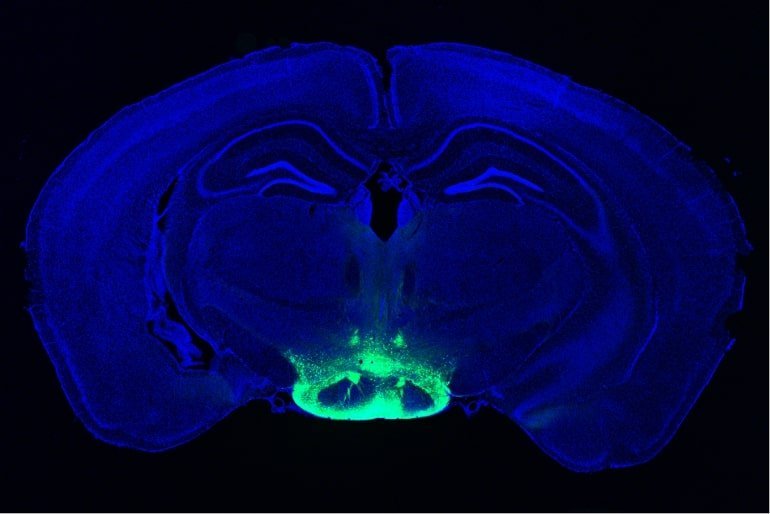
Researchers have identified a subset of neurons in the mammillary body of the hypothalamus that are susceptible to hyperactivity and neurodegeneration, leading to memory impairment associated with Alzheimer’s disease. The lateral mammillary body neurons become hyperactive and undergo neurodegeneration in Alzheimer’s disease, while the medial mammillary body neurons do not. Treating these neurons with a drug currently used in the treatment of epilepsy reverses memory impairments caused by this hyperactivity and neurodegeneration. The findings suggest that this region may contribute to some of the earliest symptoms of Alzheimer’s disease, making it a good target for potential new drugs to treat the disease.

neuroscience2 years ago

Steroid Use Linked to Memory Impairment

A new study led by the University of Bristol has identified memory impairment associated with steroid use. The study found that even a short course of prescribed steroids led to impaired memory performance when carrying out a memory and learning-related task. The functional activity of the hippocampus, the brain region important for memory and learning, was significantly altered by the treatment. The findings provide breakthrough insights into the impact steroid treatment has on memory processes in the absence of underlying medical conditions and identify the critical importance of matching a prescribed course of medical treatment to endogenous steroid release.