Faye Greenwood, a Lewes-based influencer, experienced a heart attack at age 24 while on holiday in Paris, leading to a heart transplant and raising awareness about heart health in young adults. She and her fiancé, also an influencer, shared their story to highlight the importance of recognizing symptoms early, despite misconceptions about age and heart risks. The couple faced significant medical bills and uncertainty about her future career, emphasizing the need for awareness and prompt medical attention for heart issues in young people.
Recent research suggests that the rise in pancreatic cancer diagnoses among young adults is primarily due to an increase in the detection of endocrine tumors, which are generally less aggressive and more treatable than the more common adenocarcinoma. This increase in detection is attributed to advancements in imaging technology, such as CT and MRI scans, rather than an actual rise in cancer incidence. Experts are considering reclassifying these tumors to better reflect their nature and improve data accuracy.
A Pew Research Center study reveals that nearly 40% of young Americans aged 18 to 29 get their news from social media influencers, many of whom lean conservative. The study, which analyzed 500 popular influencers and surveyed over 10,000 Americans, found that these influencers often lack traditional journalism backgrounds and are predominantly male. Despite claims of right-wing censorship, conservative influencers outnumber liberals on platforms like Facebook and Instagram. The study highlights the growing influence of these figures in shaping public opinion, especially during election periods.
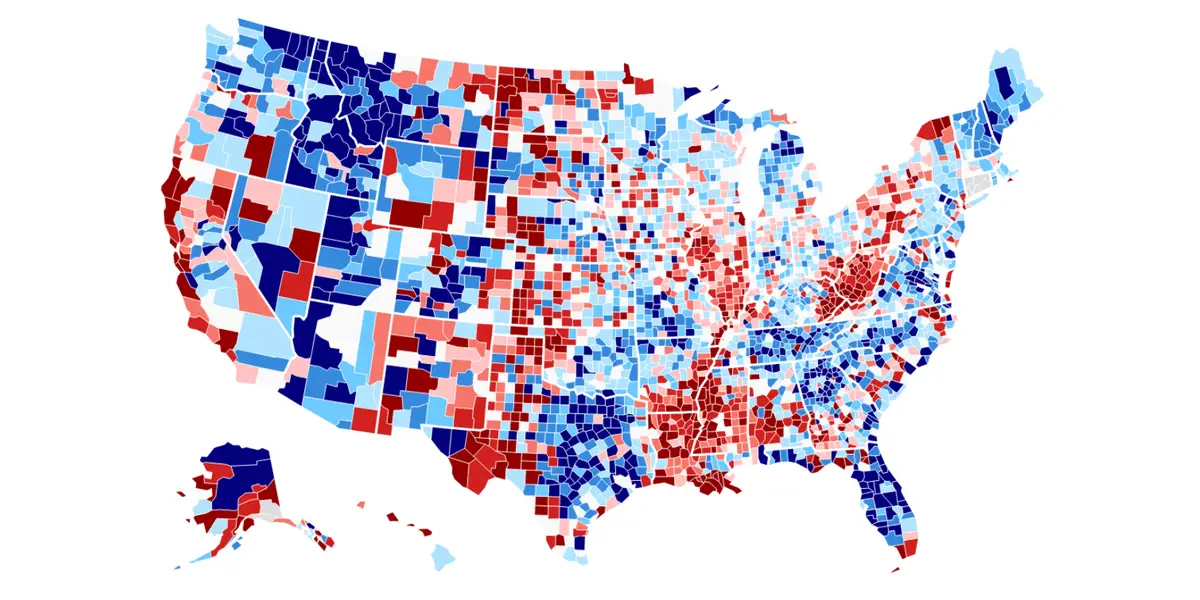
Younger Americans, particularly those aged 25 to 44, are increasingly moving from urban areas to rural regions, reshaping local demographics and economies. This trend, observed since 2020, is driven by new work opportunities and the appeal of natural surroundings, with significant migration to areas like the Colorado Rockies and Georgia's Blue Ridge Mountains. Rural counties have seen a rise in new businesses and income, contrasting with stagnant or declining young adult populations in major cities. This shift is part of a broader economic movement towards the South, with rural areas experiencing a notable boom.
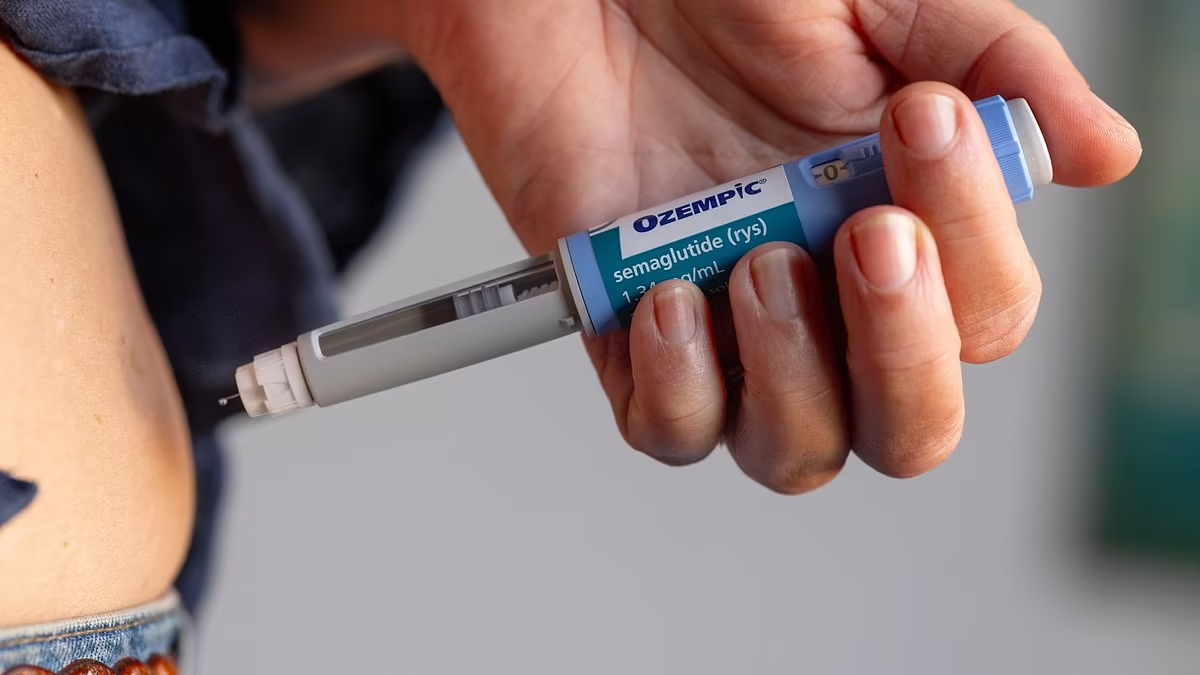
Scientists are exploring the potential of weight loss drugs like Ozempic and Mounjaro to combat the rising incidence of colorectal cancer in young people. These drugs, known as GLP-1 agonists, may help prevent gut bacteria changes linked to cancer. With funding from Cancer Research UK, trials will test their effectiveness in reducing early onset tumors. The rise in young adult cancer cases is suspected to be linked to obesity, diet, and environmental factors. The research aims to understand how these drugs and dietary changes can impact cancer risk.
Colon cancer, traditionally associated with older adults, is increasingly affecting younger individuals due to lifestyle factors like poor diet and lack of exercise. Early detection is crucial for effective treatment. It's important to be aware of the signs and symptoms, especially if you're under 50, including changes in bowel habits, blood in stool, abdominal pain, unexplained weight loss, and fatigue. Early detection is key, and with proper treatment, many people are able to beat this disease and live healthy lives.
A study published in the Journal of the American Heart Association has revealed a significant increase in death rates from infective endocarditis among young adults aged 25 to 44, correlating with the opioid epidemic. Infective endocarditis is a rare but serious condition where bacteria infect the heart, and it's becoming more common in states heavily affected by opioid abuse. The study calls for public health interventions, including harm reduction programs and comprehensive care plans that address substance use disorder. Preventative measures for infective endocarditis include maintaining good oral and general hygiene, managing existing heart conditions, and taking precautions for at-risk procedures.