The President emphasizes the importance of awareness, early detection, and research in the fight against breast cancer, acknowledging survivors and mourning those lost, and commits to efforts to reduce cancer rates and improve health outcomes in the U.S.
A study by the American Cancer Society reveals a global rise in early-onset colorectal cancer (CRC) cases, with increasing rates in 27 out of 50 countries, particularly among young adults. The research, published in The Lancet Oncology, highlights the need for increased awareness and prevention strategies, as well as innovative tools to address factors like diet, physical inactivity, and obesity. The study emphasizes the importance of recognizing symptoms early to reduce diagnosis delays and mortality.
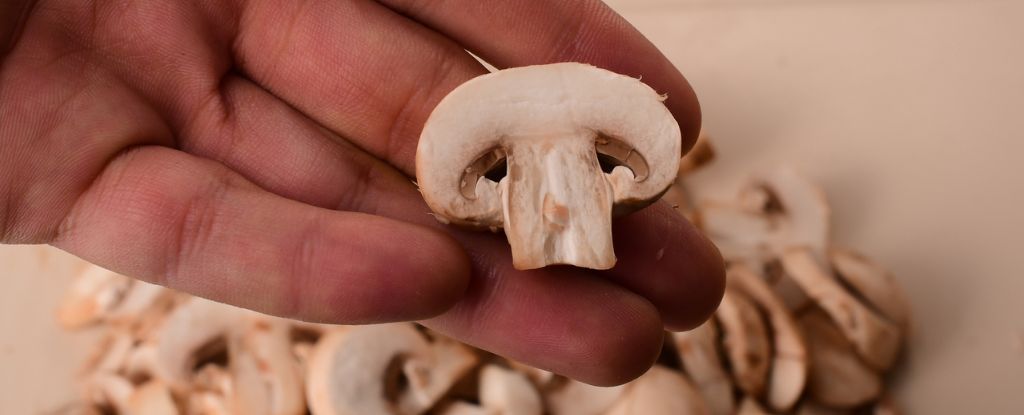
Researchers at the City of Hope have found that white button mushroom extract may slow or prevent prostate cancer growth by reducing myeloid-derived suppressor cells, which suppress the immune response. Early trials in mice and humans show promising results, suggesting the extract could enhance anti-cancer immune defenses when used alongside traditional treatments. While the exact mechanism is unknown, the study supports the potential of 'food as medicine' in cancer care. The findings were published in Clinical and Translational Medicine.
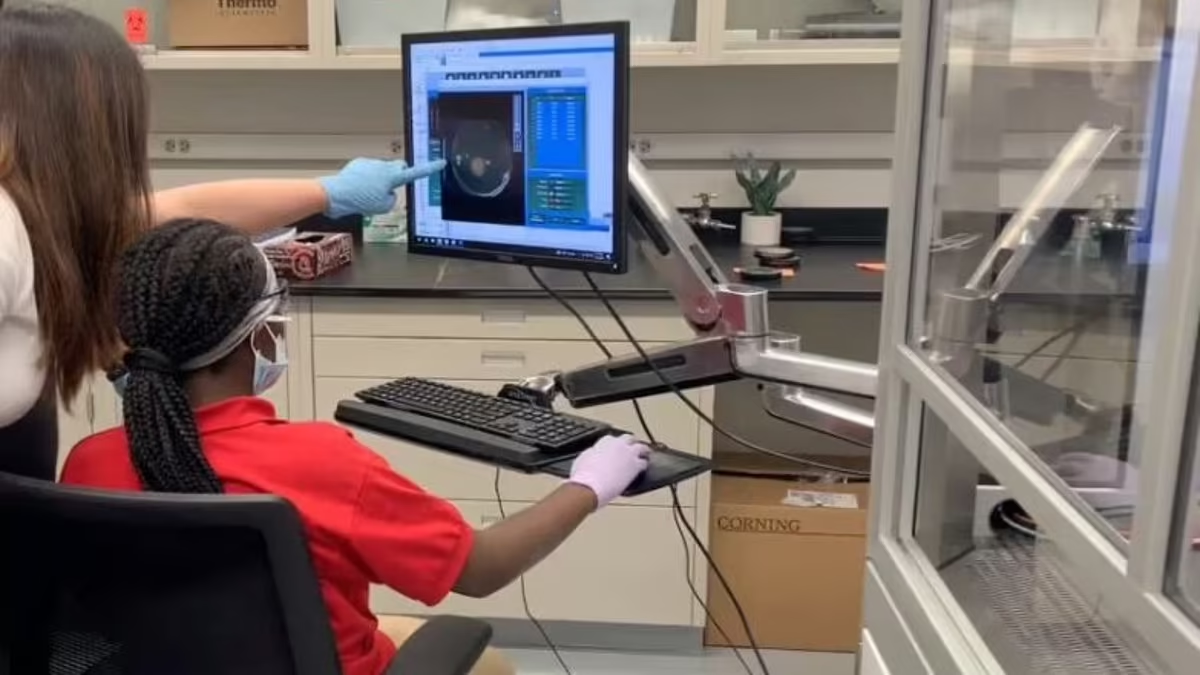
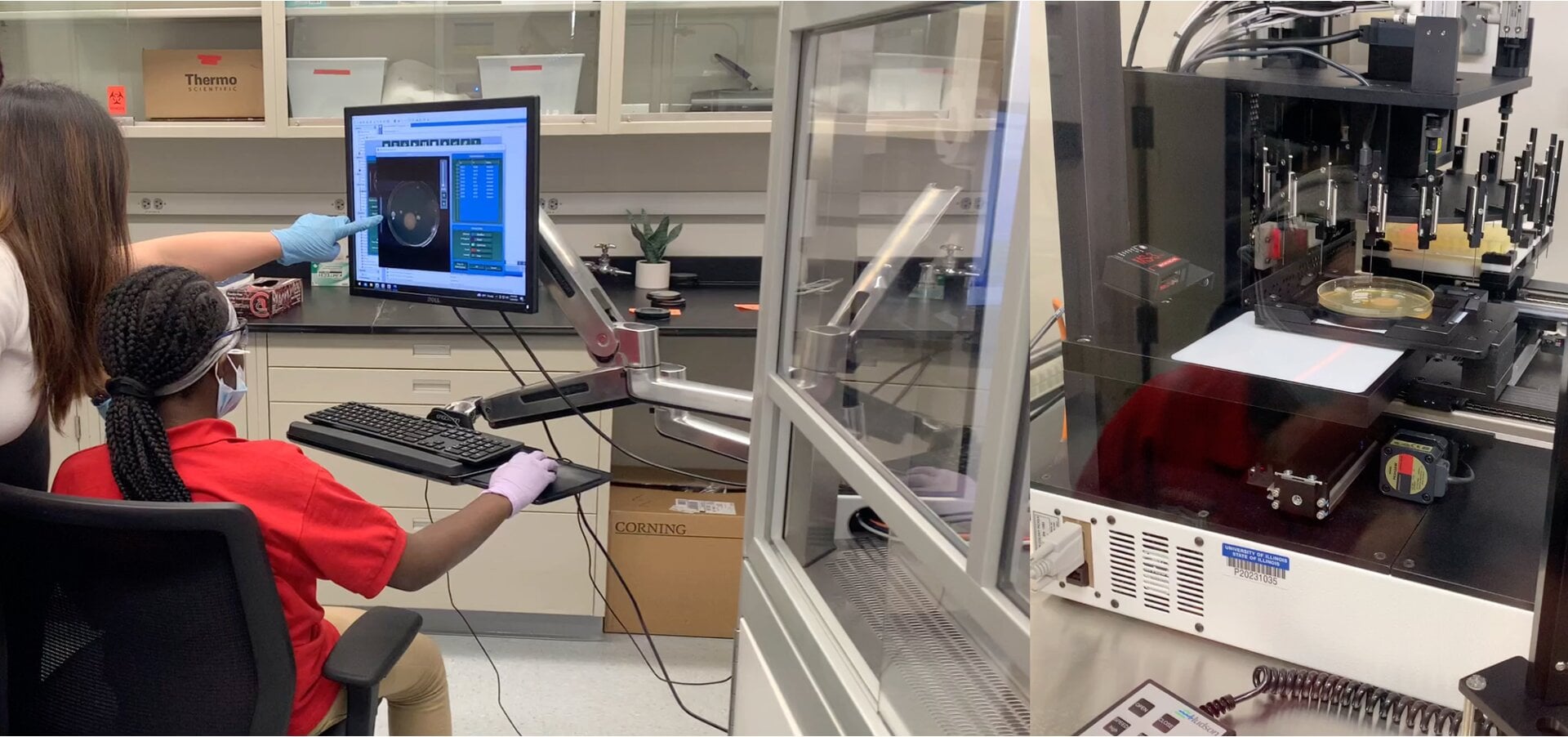
A middle school student from Chicago, Camarria Williams, discovered a new compound in goose droppings that slows the growth of melanoma and ovarian cancer cells during a science project with the University of Illinois Chicago. Her findings, part of a program engaging youth in STEM, have been published in ACS Omega. The discovery highlights the potential of integrating educational programs with scientific research, though the CDC advises caution when handling bird droppings due to health risks.
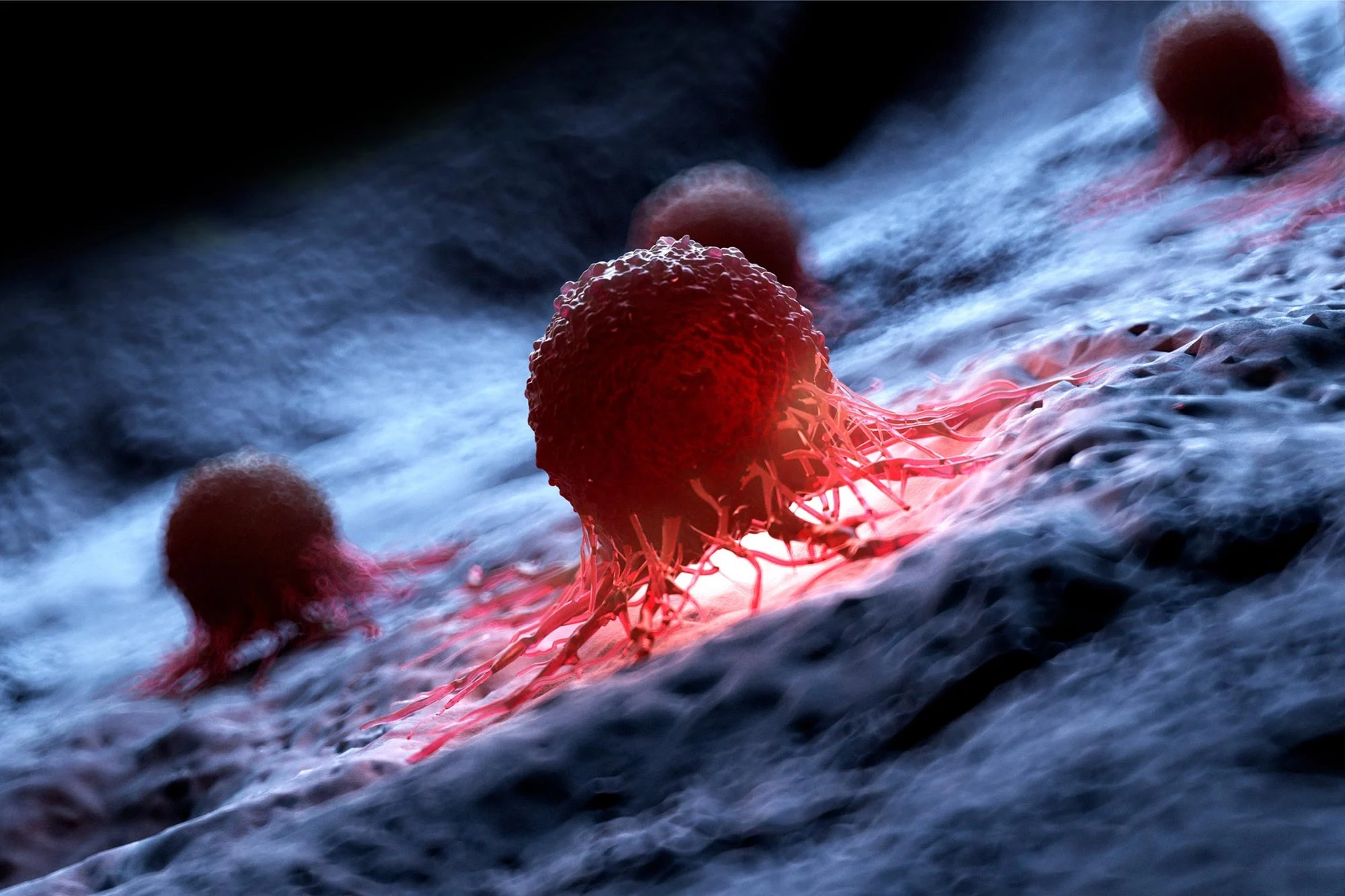
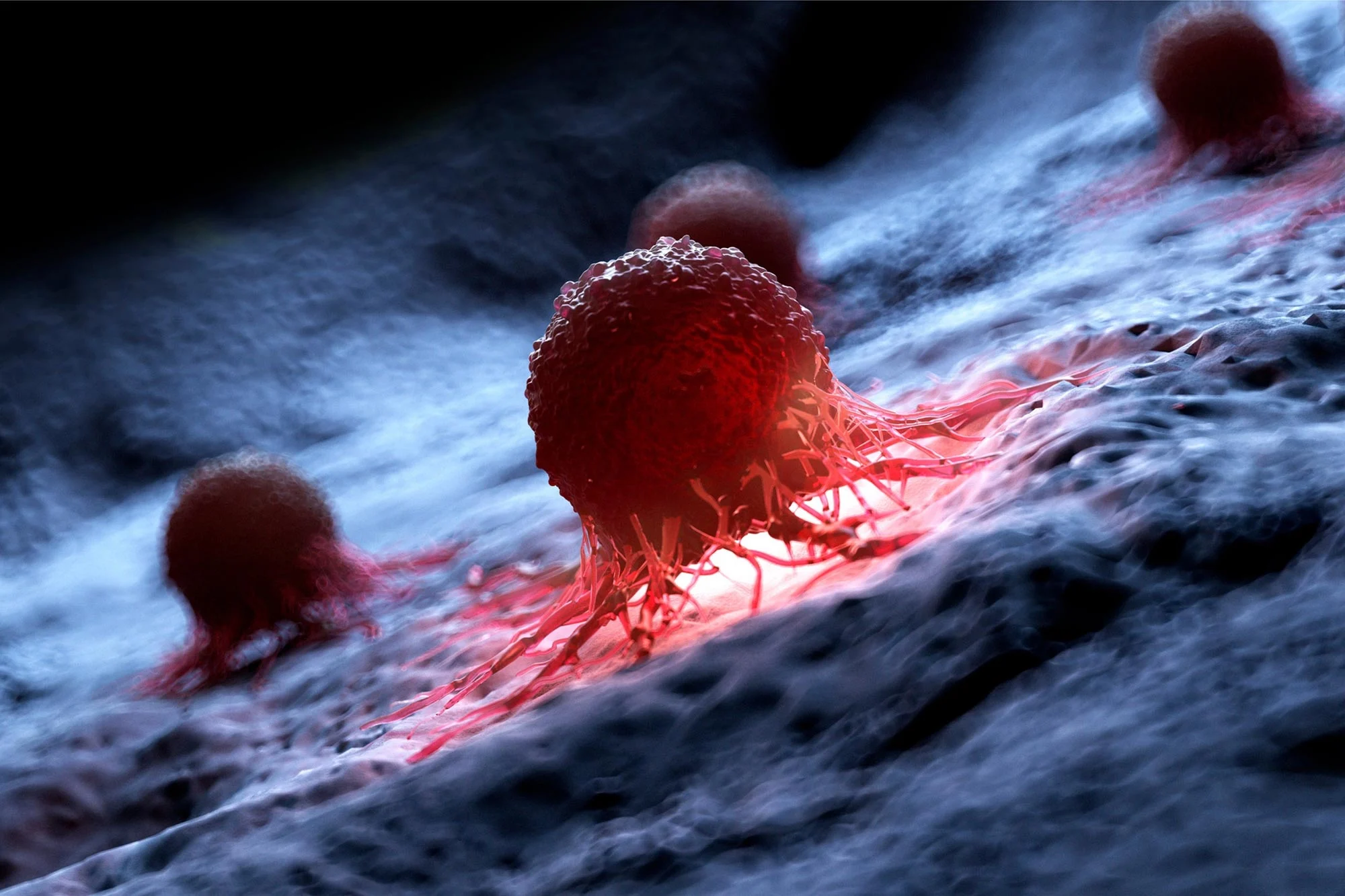
New research from the University of Cologne and the Centre for Genomic Regulation challenges the long-held belief that tumors grow faster at their edges. Using spatial genomics and computer simulations, scientists found that liver tumors grow uniformly throughout their mass, with evenly distributed mutations. This discovery, published in eLife, suggests that tumors are not 'two-speed' entities and highlights the complexity of tumor evolution and therapy resistance. The study's findings, while focused on liver cancer, may not apply to all cancer types and primarily address early-stage tumor growth.
A middle school student in Chicago discovered a new cancer-fighting compound, orfamide N, from a bacterium isolated from goose poop during a science outreach program. This bacterium, Pseudomonas idahonensis, also showed antibiotic properties, inhibiting the growth of certain bacteria. The discovery highlights the potential of educational programs in contributing to scientific research and the ongoing search for new antibiotics and cancer treatments.
A middle school student discovered a novel compound in goose poop through a partnership with the University of Illinois at Chicago, highlighting the potential of combining educational outreach with scientific research. The compound, orfamide N, was found to inhibit the growth of human melanoma and ovarian cancer cells, showcasing the importance of engaging young students in STEM fields and fostering university-community collaborations. This initiative provided hands-on scientific experience to underrepresented students, encouraging them to pursue careers in science.
Researchers at Cold Spring Harbor Laboratory have discovered that menadione, a vitamin K precursor, can slow prostate cancer progression in mice by disrupting cancer cells' recycling processes, causing them to burst. This finding offers potential new treatment avenues for resistant prostate cancer and myotubular myopathy, a rare muscle condition in infants. The study suggests that menadione's pro-oxidant properties could be effective where antioxidant treatments have failed, providing hope for improved quality of life and extended survival.
Recent trends in the U.S. show that young and middle-aged women are being diagnosed with lung cancer at higher rates than men, despite many of these women having never smoked. This rise is partly attributed to genetic mutations, such as those affecting the EGFR gene, which are more prevalent in women and certain ethnic groups. The late Susan Wojcicki, former CEO of YouTube, highlighted the need for more research and resources for lung cancer, especially for women and nonsmokers. Current screening guidelines primarily target smokers, leaving a gap in early detection for nonsmokers.
The article discusses the rising incidence of bowel cancer in young patients under 50, with a potential link to antibiotic use, which may harm the gut microbiome and increase cancer risk. A 2022 study found a 50% higher risk of bowel cancer in under-50s who used antibiotics. Lifestyle factors like diet, smoking, and lack of exercise, as well as environmental factors, may also contribute. Improving gut health through diet and probiotics is suggested as a preventive measure. The article also critiques NHS league tables for hospital performance, warning of unintended consequences.
British researchers have uncovered how cordycepin, a compound from the caterpillar fungus Cordyceps militaris used in traditional Chinese medicine, can slow cancer cell growth by interfering with cell growth signals. This discovery, published by the University of Nottingham, highlights cordycepin's potential as a basis for new cancer treatments that may be less harmful to healthy tissues. The study found that cordycepin is converted into cordycepin triphosphate, which mimics ATP and disrupts cancer cell growth pathways.
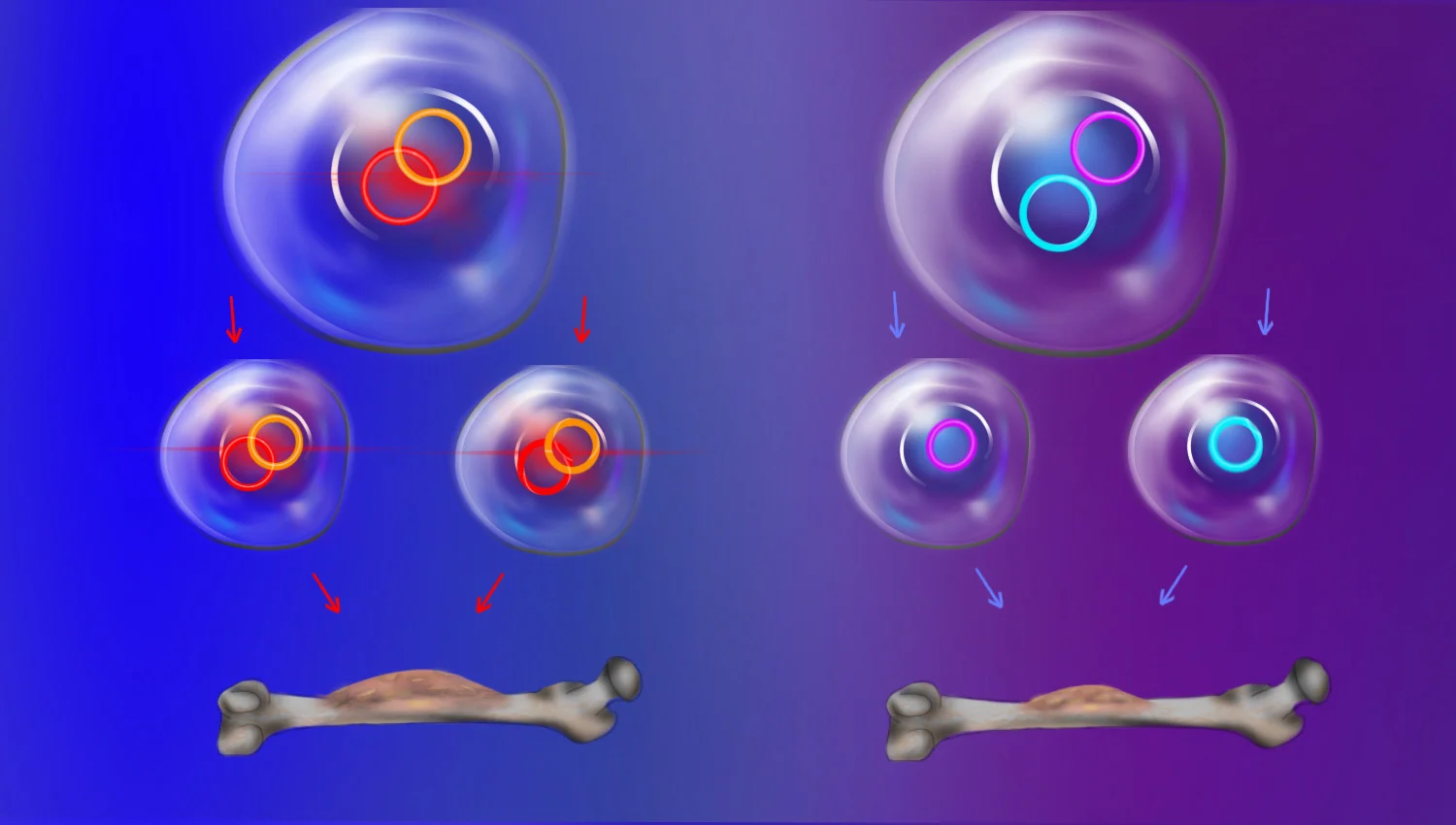
Stanford Medicine researchers have discovered that extrachromosomal DNA (ecDNA), previously considered insignificant, plays a crucial role in cancer development. Their studies reveal that ecDNA is present in 17.1% of tumors and can drive cancer growth by containing oncogenes and immune-modulating genes. This challenges Mendel's law of independent assortment, as ecDNA can be inherited together, enhancing cancer cell survival. The research also identifies a potential cancer therapy targeting ecDNA, with a CHK1 inhibitor currently in clinical trials.
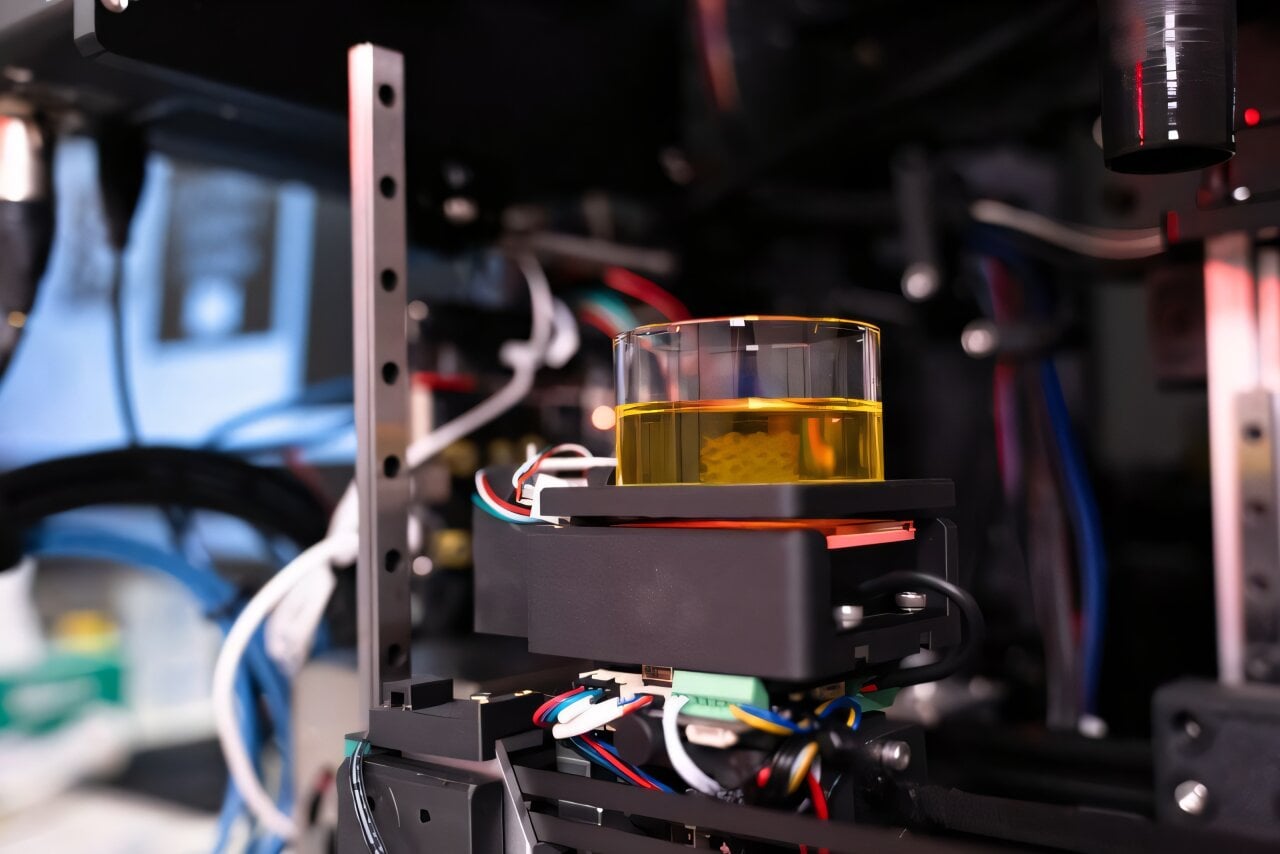
Researchers at the University of Melbourne have developed a high-speed 3D bioprinter that can create structures mimicking human tissues, from soft brain tissue to hard bone. This innovative technology uses acoustic waves to position cells accurately, significantly improving print speed and cell survival rates. The bioprinter's ability to replicate complex tissues quickly and precisely offers promising advancements for cancer research and drug discovery, reducing reliance on animal testing. The research, published in Nature, has garnered positive feedback from leading medical institutions.
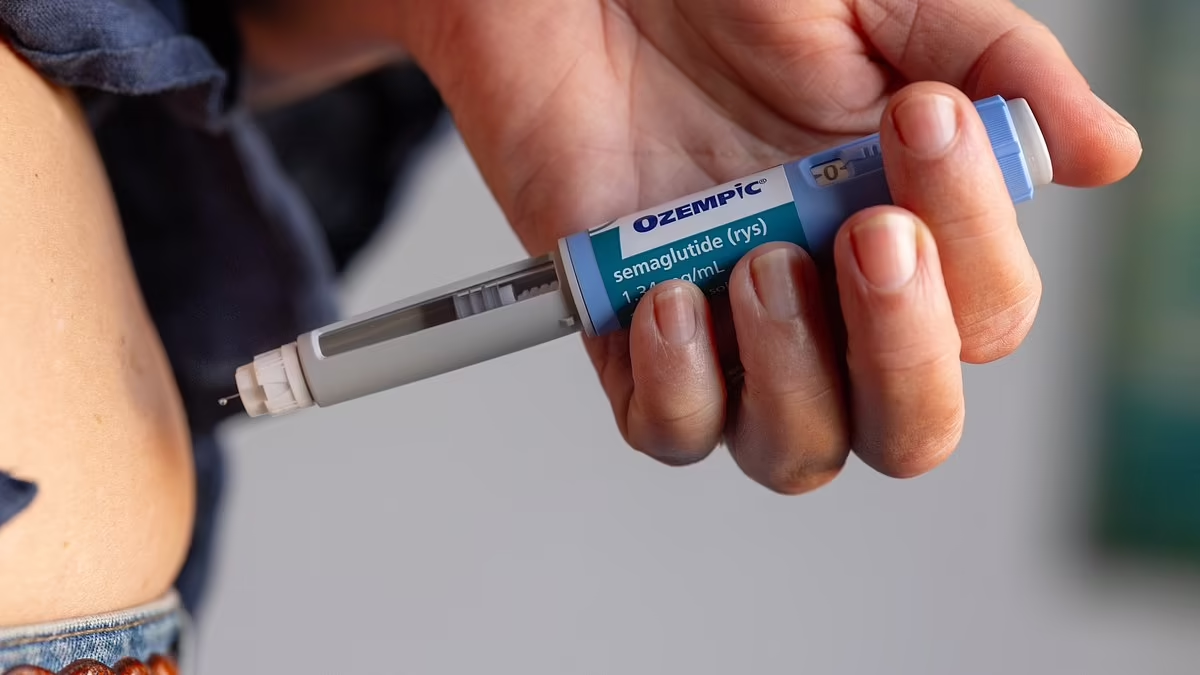
Scientists are exploring the potential of weight loss drugs like Ozempic and Mounjaro to combat the rising incidence of colorectal cancer in young people. These drugs, known as GLP-1 agonists, may help prevent gut bacteria changes linked to cancer. With funding from Cancer Research UK, trials will test their effectiveness in reducing early onset tumors. The rise in young adult cancer cases is suspected to be linked to obesity, diet, and environmental factors. The research aims to understand how these drugs and dietary changes can impact cancer risk.
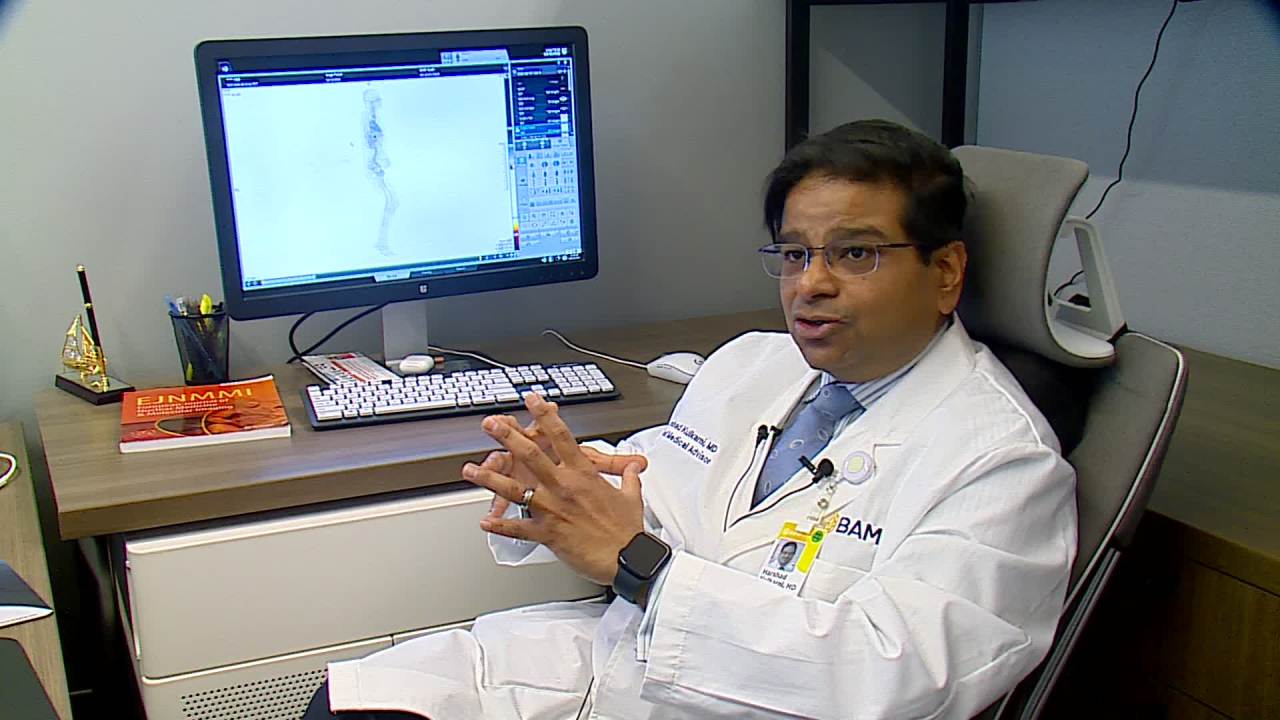
A West Michigan man with pancreatic cancer became the first person in the world to test a new imaging agent as part of a clinical trial conducted by BAMF Health, which aims to improve the detection of the disease. The imaging agent, labeled with a radioactive isotope, was used in conjunction with a total-body PET/CT scanner to localize the presence of the disease in the patient. The trial's results could potentially lead to the development of targeted treatments for pancreatic cancer, which currently do not exist.