Tag

Weightlossdrugs

All articles tagged with #weightlossdrugs

health1 year ago

US Obesity Rates Decline Amid Surge in Weight-Loss Drug Use

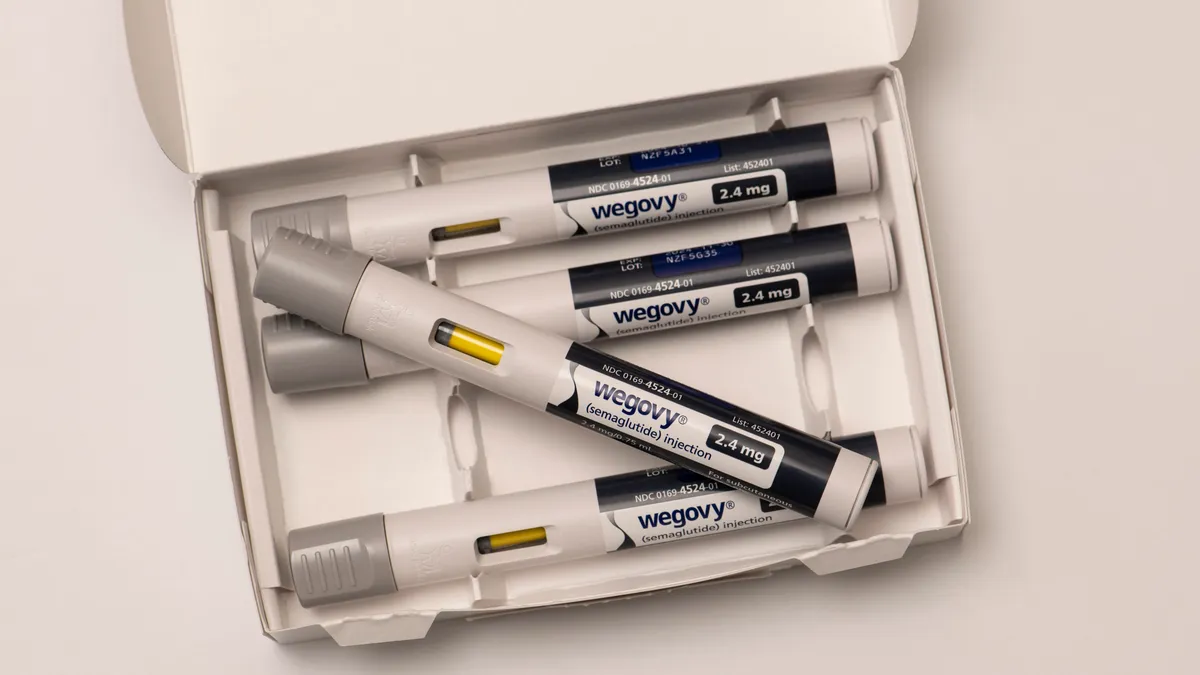
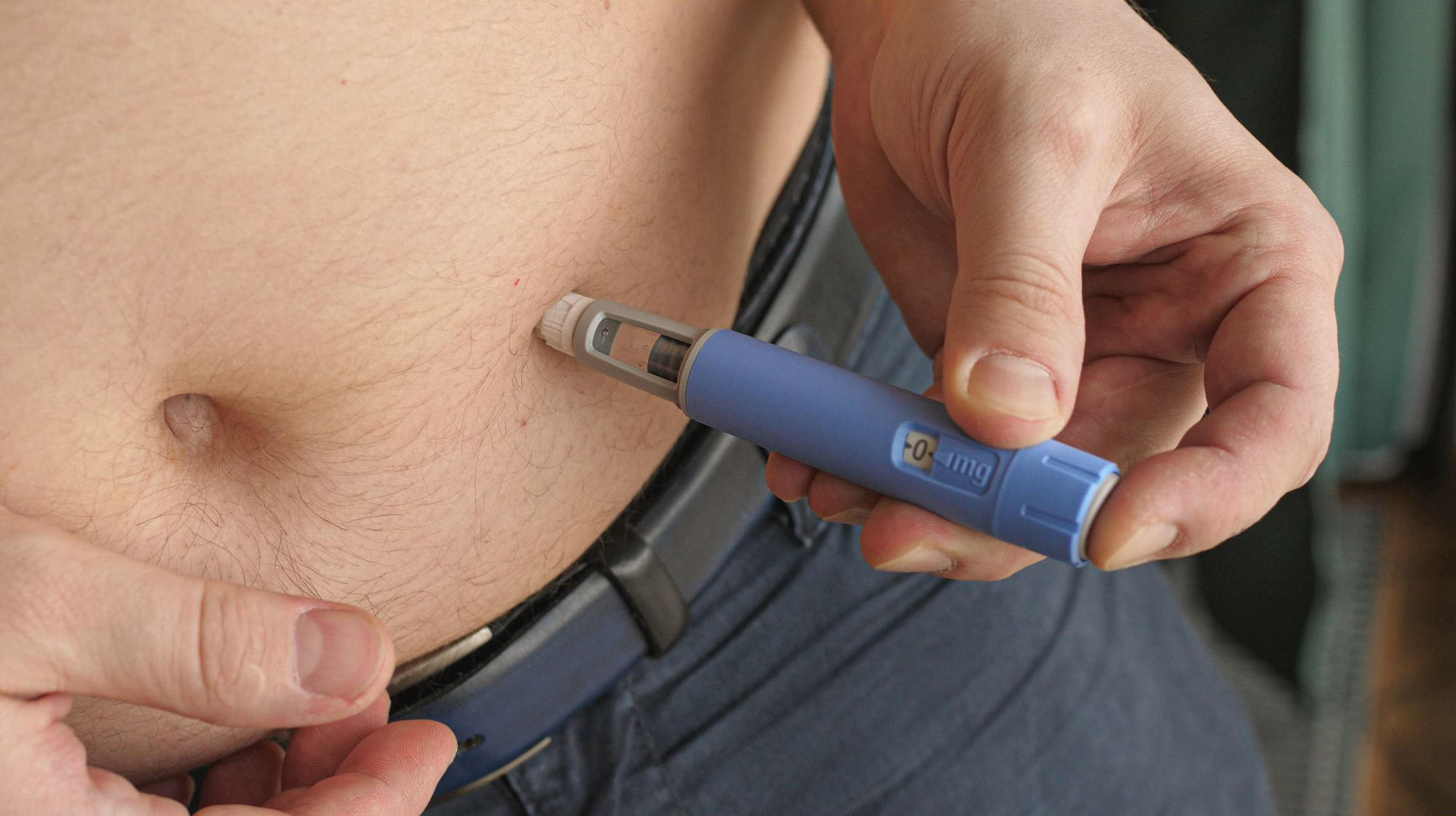
Obesity rates among U.S. adults slightly decreased for the first time in over a decade, potentially due to the rise of weight loss drugs like Ozempic, according to a study published in JAMA Health Forum. The study, which analyzed BMI data from over 16.7 million adults, found the most significant declines in the South, particularly among women and older adults. However, the decrease was not uniform across all demographics, with some groups, like Asian Americans, experiencing increases. Experts caution that more research is needed to determine if this is a lasting trend.
health1 year ago

Weight Loss Drugs Like Ozempic May Curb Alcohol Consumption

A study published in JAMA Network Open suggests that weight-loss drugs like Wegovy and Mounjaro, which are GLP-1 medications, may help reduce alcohol consumption. The study surveyed around 14,000 WeightWatchers members, with 45% of those who drank alcohol reporting reduced consumption after starting these medications. This aligns with previous findings that GLP-1 drugs, such as Ozempic, could aid in curbing addictions. While the study indicates a potential link, further research is needed to establish a causal relationship between GLP-1 drugs and reduced addictive behaviors.

health1 year ago

Weight Loss Drugs Show Unexpected Heart Health Benefits

Recent studies published in the Journal of the American College of Cardiology reveal that anti-obesity drugs like tirzepatide and semaglutide offer significant cardiovascular benefits beyond weight loss. These medications improve cardiac structure and function in heart failure patients and enhance outcomes for those who have undergone cardiac bypass surgery. Additionally, lifestyle interventions for weight loss in Type 2 diabetes patients can alter cardiac biomarkers, potentially reducing the risk of cardiovascular disease and heart failure.

health1 year ago

Study Links Weight-Loss Drugs to Enhanced Kidney Health

A study published in the Lancet Diabetes & Endocrinology journal reveals that weight-loss drugs, specifically GLP-1 receptor agonists, can significantly improve kidney health by reducing the risk of kidney failure and worsening kidney function by up to 22%. The meta-analysis of 11 clinical trials involving over 85,000 participants also confirmed cardiovascular benefits, with a 14% reduction in cardiovascular events. These findings suggest that GLP-1 receptor agonists could play a crucial role in managing chronic kidney disease and cardiovascular conditions, potentially influencing future clinical guidelines.

health1 year ago

Tirzepatide Shows Promise in Diabetes Prevention and Weight Loss

A study published in the New England Medical Journal reveals that tirzepatide, the active ingredient in Eli Lilly's Mounjaro, significantly reduces the risk of developing diabetes by 94% in high-risk individuals. Conducted over three years with over 2500 pre-diabetic participants, the trial showed that only 1.3% of those taking tirzepatide developed diabetes compared to 13.3% in the placebo group. The drug, which mimics the body's feeling of fullness, also led to substantial weight loss and maintained blood sugar control, suggesting long-term protective benefits against diabetes.

health1 year ago

Potential Breakthrough Drug Targets Rising Colon Cancer in Youth

Scientists are exploring the potential of weight loss drugs like Ozempic and Mounjaro to combat the rising incidence of colorectal cancer in young people. These drugs, known as GLP-1 agonists, may help prevent gut bacteria changes linked to cancer. With funding from Cancer Research UK, trials will test their effectiveness in reducing early onset tumors. The rise in young adult cancer cases is suspected to be linked to obesity, diet, and environmental factors. The research aims to understand how these drugs and dietary changes can impact cancer risk.

health2 years ago

"Study Clarifies Semaglutide's Impact on Mental Health and Side Effects"

A new NIH study has found that the diabetes and weight loss drugs Ozempic and Wegovy, which contain semaglutide, do not increase the risk of suicidal thoughts compared to other weight loss medications. The study analyzed health records of patients with obesity or overweight and found a lower risk of first-time or recurring suicidal ideation in those taking semaglutide. This research comes after concerns were raised by anecdotal reports and regulatory reviews in Europe and the U.S. Despite the safety findings, access to these drugs remains limited due to high costs and supply shortages.

health-and-medicine2 years ago

"Study Confirms Popular Weight Loss Drugs Ozempic, Wegovy Do Not Raise Suicide Risk"

A study published in Nature Medicine has found no evidence that the weight loss and diabetes drugs Wegovy and Ozempic, which contain the active ingredient semaglutide, increase the risk of suicidal thoughts. The research, which analyzed health records of millions of U.S. patients, actually showed a lower risk of suicidal ideation among those taking semaglutide compared to other medications for obesity and type 2 diabetes. This comes as a positive sign amidst ongoing investigations by health agencies in Europe and the U.S. into the potential side effects of these popular drugs. Further research is needed to explore any causal relationships and long-term effects, as well as the potential of semaglutide in curbing addiction and compulsive behaviors.

business-and-finance2 years ago

"Novo Nordisk Soars on Obesity Drug Breakthrough and Strategic Biotech Partnerships"

Novo Nordisk's stock saw a significant rise after announcing two new partnerships aimed at enhancing its weight-loss drug portfolio. The company's collaboration with Omega Therapeutics will explore thermogenesis for fat burning, while a deal with Cellarity will focus on developing a treatment for metabolic dysfunction-associated steatohepatitis (MASH), a serious liver disease. These deals, which could total up to $532 million in payments plus royalties, underscore Novo's commitment to expanding its presence in the obesity and metabolic disease market, building on the success of its diabetes and weight-loss drugs like Ozempic and Wegovy.

health-and-medicine2 years ago

"Study Reveals Weight Loss Drugs' Risks and Mental Health Impacts"

Dr. Rahul Jandial appeared on KTLA 5 Morning News to discuss the unexpected and potentially concerning effects of weight loss drugs. While the specific details of these effects were not provided in the excerpt, the segment highlights the importance of being aware of the possible unusual outcomes when using such medications. For more information, Dr. Jandial's insights can be followed on social media and through CityOfHope.org.

health2 years ago

"FDA Investigates Ozempic for Potential Hair Loss and Suicidal Thought Side Effects"

The FDA is investigating reports of serious side effects potentially linked to popular weight loss drugs, including Ozempic, Wegovy, Mounjaro, and Zepbound. These side effects include hair loss (alopecia), aspiration during surgery, and suicidal ideation. While some side effects have led to updates in drug labels and calls for further study, the FDA has not yet confirmed a causal relationship between these medications and the reported issues. The European Medicines Agency is also reviewing the risk of suicidal thoughts associated with these drugs. The FDA's postmarketing surveillance aims to ensure drug safety throughout their lifecycle.

health2 years ago

"Rising Concerns Over Weight Loss Drugs: Efficacy, Risks, and Shortages"

The Banner Poison Drug and Information Center in Arizona has reported a significant increase in calls related to popular weight-loss drugs, with the number of calls more than doubling from 40 in 2022 to 95 in 2023. The drugs in question, such as Ozempic and Wegovy, contain Semaglutide and are approved for type two diabetes treatment but are also used off-label for weight loss. Misuse, including self-administration of incorrect doses, has led to severe side effects like dehydration, nausea, and vomiting. Health professionals urge users to discuss potential adverse reactions with their doctors and to monitor symptoms closely.

health-and-medicine2 years ago

"The Future of Obesity Treatment: Exploring the Broad Impact of New Weight-Loss Drugs"

Weight-loss drugs containing semaglutide, like Novo Nordisk's Ozempic and Lilly's Mounjaro, are being explored for their potential benefits in treating a variety of health conditions beyond type 2 diabetes. These include chronic kidney disease, cardiovascular disease, neurological disorders such as Alzheimer's and Parkinson's, liver disease, sleep apnea, polycystic ovary syndrome (PCOS), knee osteoarthritis, and even alcohol addiction. The drugs are part of a class known as GLP-1 therapies, which are currently undergoing various stages of clinical trials to determine their efficacy in these new applications.

health-and-lifestyle2 years ago

"The Impact of Weight-Loss Drugs and Fat Bias on Medical Apologies"

A patient who declined weight-loss drugs from her new doctor received an unintended email from another doctor, which was dismissive of her decision. The patient, an expert on apologies, responded constructively, leading to a heartfelt apology from the second doctor. This incident improved the patient's relationship with her primary care physician, highlighting the power of a good apology and the importance of respectful doctor-patient communication. The patient advocates for better apologies as a New Year's resolution, promoting kindness over weight loss.

health2 years ago

"2023's Revolutionary Anti-Obesity Drugs: A Modern Approach to Weight Loss"

New GLP-1 agonist weight-loss drugs like Novo Nordisk's Wegovy have shown promising results in combating obesity, with patients experiencing significant weight loss. However, high demand and steep prices are limiting access, particularly for marginalized groups and those on government health plans. The pharmaceutical industry is expanding with competitors entering the market, potentially reaching a $100 billion value. Concerns about long-term effects and equitable access are prompting discussions among healthcare professionals on how to best utilize these treatments for those in need, while also considering the affordability and sustainability of weight loss through medication.