Scientists may have discovered a potential universal treatment for snake bites, which could significantly reduce fatalities and amputations caused by venomous snakes like the black mamba in Africa.
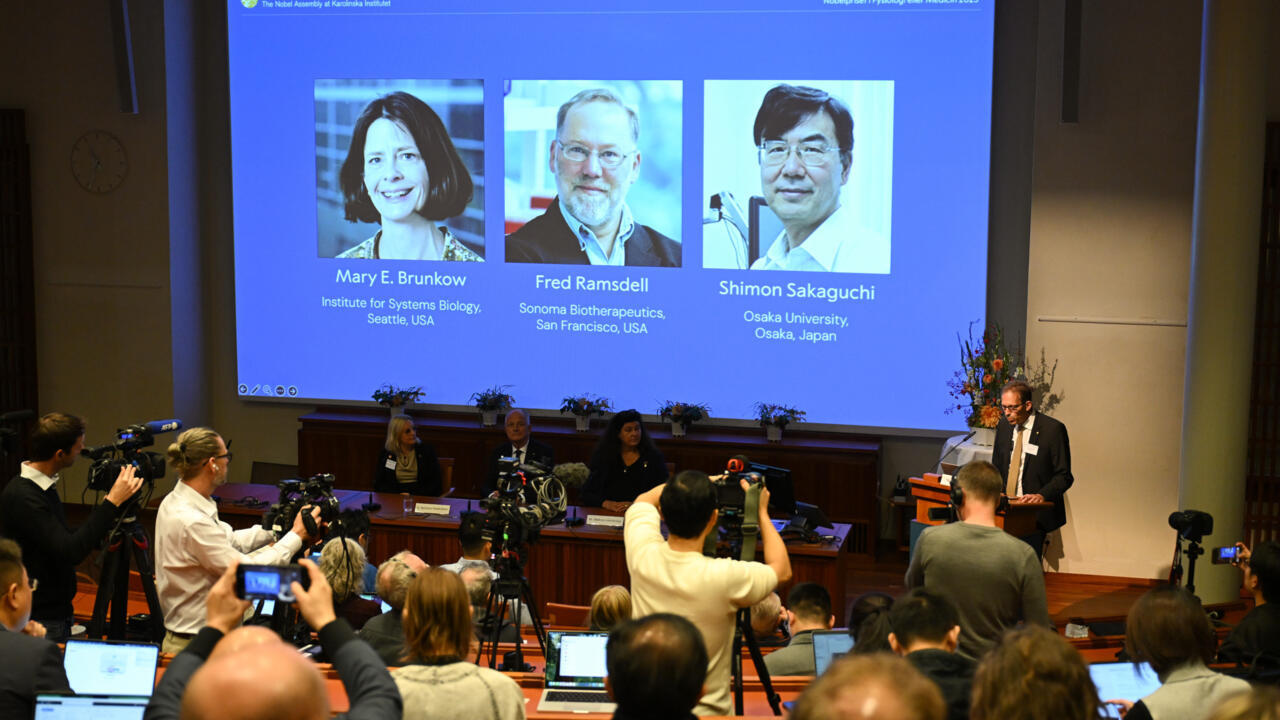
Fred Ramsdell, a Nobel laureate in Medicine for his work on immune system regulation, is currently unreachable while hiking off the grid, highlighting his digital detox. The Nobel committee has been unable to contact him or his co-recipient Mary Brunkow, but they have been recognized for their groundbreaking research on regulatory T-cells that prevent autoimmune diseases. The discoveries have opened new avenues for medical treatments and clinical trials.
A recent study published in JAMA Network highlights a significant decline in cervical cancer deaths among women under 25, attributed to the widespread vaccination against human papillomavirus (HPV). Researchers, including Ashish Deshmukh from MUSC's Hollings Cancer Center, emphasize this as a major public health success, crediting the HPV vaccine for the reduction in cancer cases.
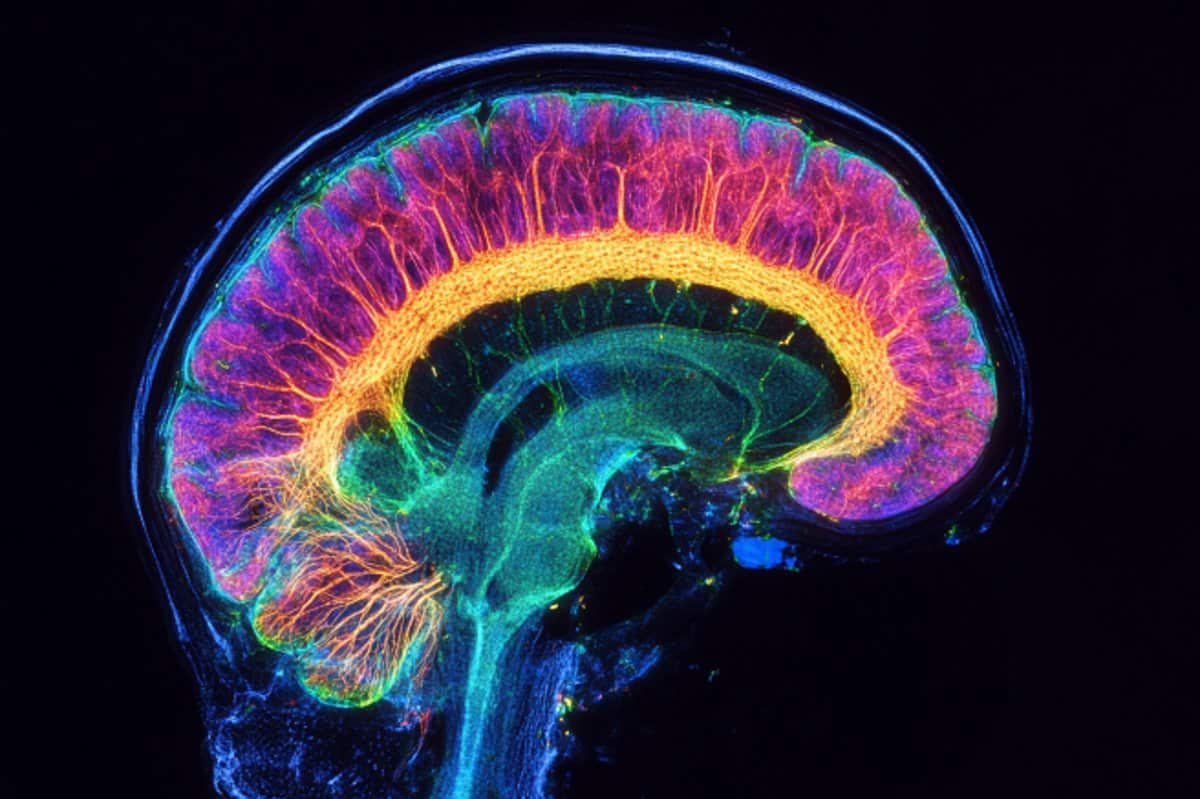
Swiss researchers have developed a technique using deep brain stimulation to help individuals with incomplete spinal cord injuries regain mobility. By targeting the lateral hypothalamus, a brain region associated with motivation and arousal, the method has shown promising results in trials, allowing patients to walk more easily and even climb stairs independently. The approach involves implanting electrodes in the brain to enhance neural signals to the spinal cord, though its effectiveness varies depending on the patient's existing neural connectivity. Further research is needed to optimize this treatment.
Researchers have developed a new method to map gene activity in the living human brain using RNA and DNA from electrodes implanted in epilepsy patients. This approach links molecular data with electrical seizure recordings, potentially improving epilepsy surgery precision and offering insights into other neurological disorders like Alzheimer's and Parkinson's. The study, a collaboration between FutureNeuro and international partners, represents a significant advancement in understanding brain disorders at the molecular level.
Recent research suggests that the rise in pancreatic cancer diagnoses among young adults is primarily due to an increase in the detection of endocrine tumors, which are generally less aggressive and more treatable than the more common adenocarcinoma. This increase in detection is attributed to advancements in imaging technology, such as CT and MRI scans, rather than an actual rise in cancer incidence. Experts are considering reclassifying these tumors to better reflect their nature and improve data accuracy.
Recent reports suggesting a surge in pancreatic cancer cases may not be as alarming as initially thought. New analyses indicate that the increase in reported cases could be attributed to improved diagnostic techniques and better awareness, rather than an actual rise in incidence. This suggests that while vigilance is necessary, the situation may not be as dire as previously feared.
Scientists have developed the first 3D cell model using immortalized lip cells, which could significantly advance treatments for lip injuries. This breakthrough, published in Frontiers in Cell and Developmental Biology, involves altering gene expression to extend cell life, allowing for the creation of stable, replicable lip cell lines. These models can mimic real lip tissue, aiding research into wound healing and infections, and potentially benefiting thousands of patients with lip defects.
A biotech company, LyGenesis, has begun human trials for an experimental treatment that involves injecting a cocktail containing donated liver cells into patients with end-stage liver disease, aiming to transform a lymph node into a functional liver. If successful, this therapy could potentially allow one donated liver to treat many ESLD patients, addressing the current organ supply-demand imbalance. The treatment, which has shown promise in animal tests, could provide a lifeline for the thousands of people on the liver transplant waiting list by utilizing only a few cells from a liver to treat multiple patients.
Two rigorous government studies conducted at the National Institutes of Health found no unusual pattern of injury or disease in the brains of people with Havana syndrome, a mysterious cluster of symptoms experienced by government employees stationed in various countries. The studies involved more than 80 individuals and concluded that there was no evidence supporting the idea that the symptoms were the result of attacks by other nations. While the findings challenge the notion of targeted attacks, some experts believe that a more holistic assessment of individual cases is needed, while others suggest that counterintelligence may be the answer if there is indeed something triggering Havana syndrome.
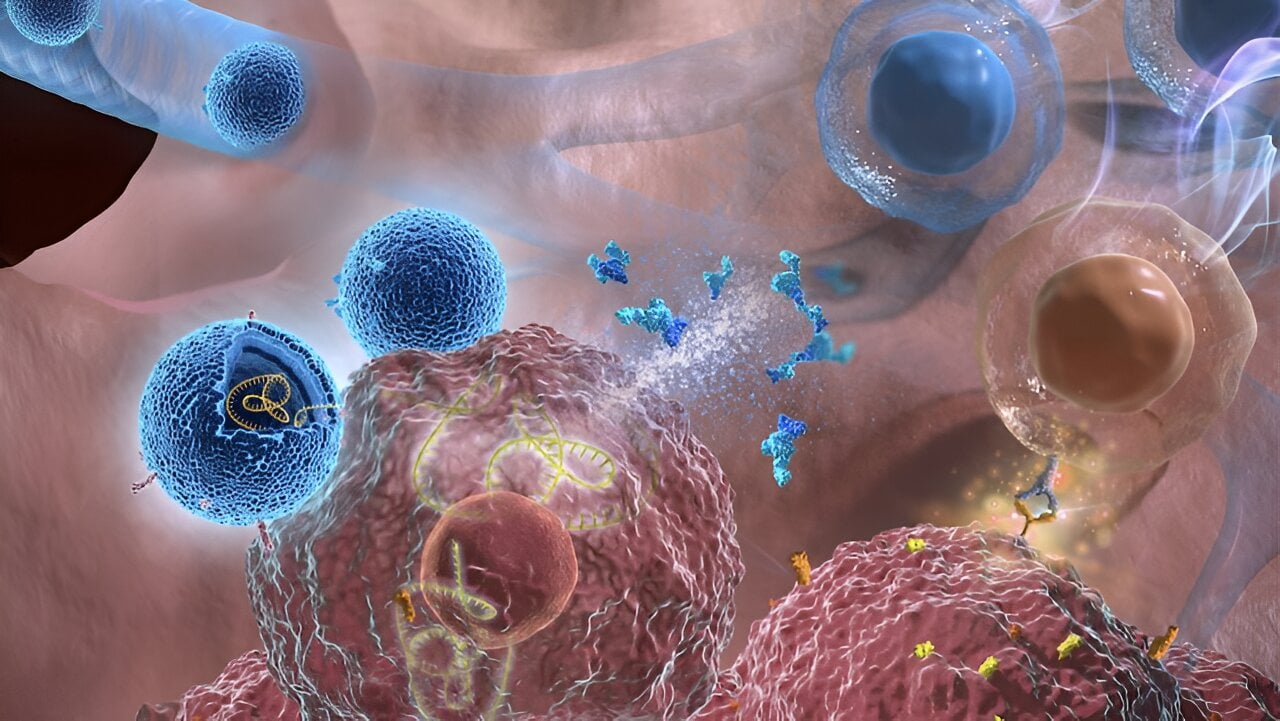
A study published in Nature Nanotechnology reveals a new inhalable therapy using nanobubbles called exosomes to deliver interleukin-12 (IL-12) messenger RNA (mRNA) directly to the lungs, demonstrating potential as a significant advancement in lung cancer treatment. This method efficiently delivers IL-12 to the lungs, activating immune cells to target and destroy tumor cells, while also training them to recognize and eliminate tumor cells throughout the body. The therapy shows promise in suppressing lung tumors and enhancing resistance against tumor rechallenges, with researchers aiming to translate these results into clinical benefits for lung cancer patients.
A report by the Alzheimer’s Association reveals that an estimated 16,500 seniors in South Dakota are living with Alzheimer's, with the highest rates found in Hand and McPherson counties at 13.5%. The U.S. faces a growing Alzheimer's crisis, with 6.7 million Americans currently affected and projections suggesting a potential doubling of cases by 2060 without medical breakthroughs. The FDA-approved drug lecanemab offers hope by slowing disease progression, but its high cost raises concerns about accessibility. The data aims to assist in developing localized care and budgeting for the increasing financial burden of Alzheimer's, which could reach nearly $1 trillion by 2050.
Dr. Michael J. Stephen discusses the challenges of treating myalgic encephalitis (ME/CFS), a condition with symptoms exacerbated by COVID-19, and shares insights from his conversation with Dr. Anthony Fauci. Fauci suggests focusing research on post-COVID patients with strict diagnostic criteria to understand the disease better. Studies indicate potential viral persistence and mitochondrial dysfunction, but no FDA-approved treatments exist yet. With rising COVID cases, the urgency to find solutions grows, but there is hope with ongoing clinical trials and preventive measures like vaccines to reduce the incidence of long COVID.
Researchers at NYU Langone Health have found that seizures during sleep may contribute to some cases of sudden unexplained death in childhood (SUDC), after analyzing home monitoring videos that captured the deaths of seven sleeping toddlers. The study, though small, provides the first direct evidence of a potential seizure link in SUDC, which is similar to SIDS but occurs in children after their first birthday. The findings suggest that while fever-related seizures are common and usually harmless in young children, they could occasionally be a warning sign of a more serious condition. Further research is needed to identify at-risk children and potentially change outcomes.
Researchers at NYU Langone Health have found that seizures during sleep may contribute to some cases of sudden unexplained death in childhood (SUDC), after analyzing home monitoring videos that captured the deaths of seven sleeping toddlers. The study, though small, provides the first direct evidence of a potential link between seizures and SUDC. The findings, published in the journal Neurology, suggest that while fever-related seizures are common and usually harmless in young children, they could occasionally be a warning sign of a more serious condition. The research aims to identify children at risk and potentially change outcomes, but more extensive research is needed to understand the underlying causes of SUDC.