Tag

Publichealth

All articles tagged with #publichealth

Measles Resurgence Tests Hospitals' Readiness
health1 day ago

Measles Resurgence Tests Hospitals' Readiness

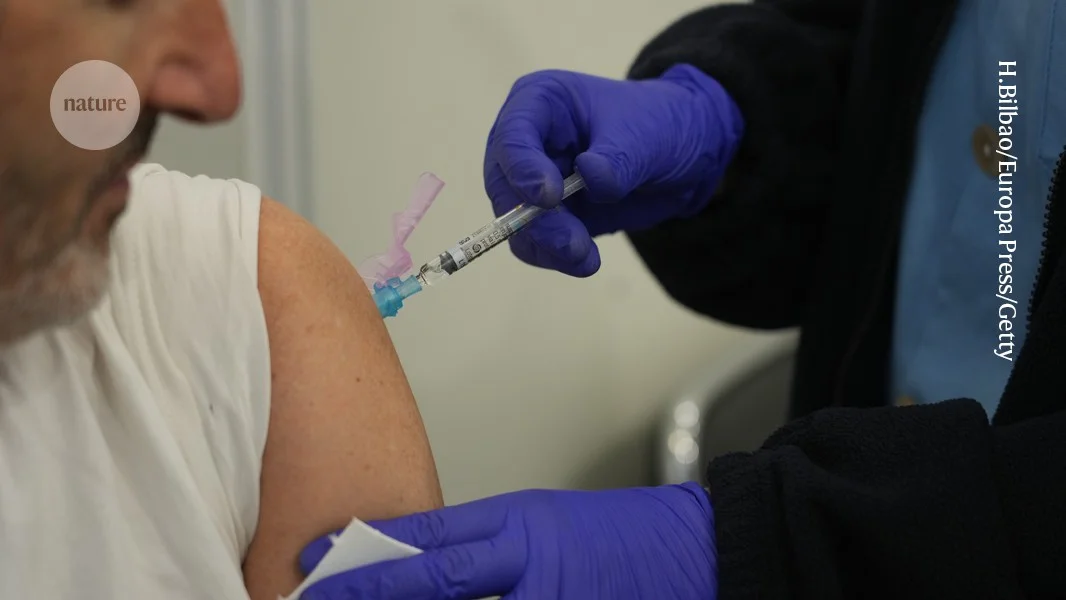
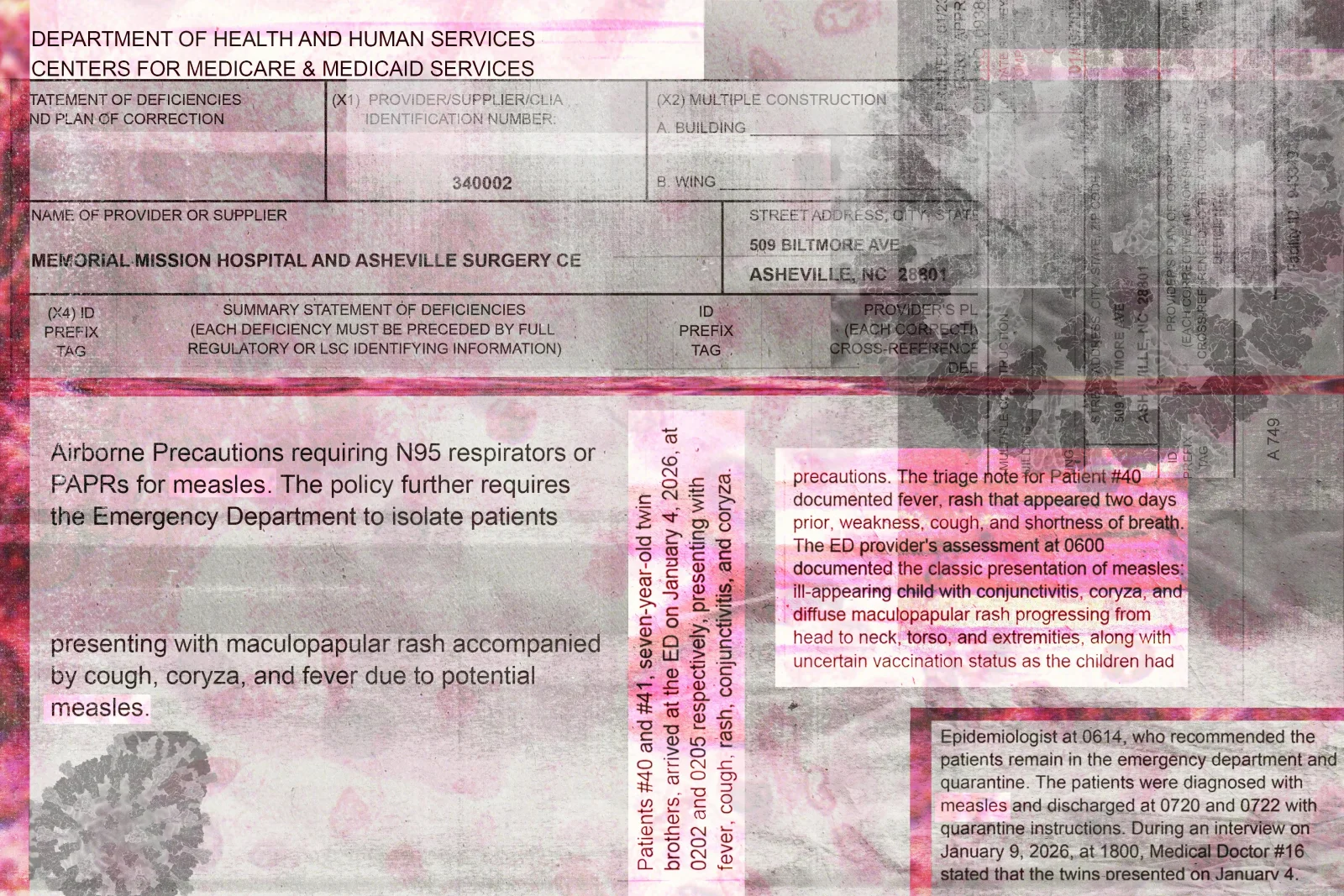
Measles is resurging in the U.S., challenging hospitals and clinicians who have rarely treated the disease. In Asheville, Mission Hospital’s delayed isolation of two infected twins led to a CMS Immediate Jeopardy designation and exposure of at least 26 others. Nationwide, over 3,000 cases have been reported since 2025, with North Carolina chalking up 20+ cases and South Carolina’s outbreak exceeding 900. Many clinicians must rely on unfamiliar 'morbilliform' presentations and the three Cs (cough, coryza, conjunctivitis) to diagnose quickly, while vaccine hesitancy and mixed public-health messaging complicate response efforts. Hospitals are expanding isolation precautions and vaccination campaigns as officials track outbreaks through dashboards and state health agencies.

Vaccination Surveillance Goes Quiet as CDC Data Gaps Expand
health1 month ago

Vaccination Surveillance Goes Quiet as CDC Data Gaps Expand

A study in Annals of Internal Medicine finds that by Oct 2025 about half of the CDC’s monthly-updated databases—mostly vaccination-related—had been paused or gone stale, hindering assessment of vaccine coverage and disease trends; researchers and experts question the lapses, while officials describe them as routine data-management decisions rather than politicized moves.

Canada rules out new mystery brain illness in New Brunswick after review
health1 month ago

Canada rules out new mystery brain illness in New Brunswick after review

Canadian officials in New Brunswick found no evidence of a new mystery brain illness after reviewing about 222 cases; most patients are likely diagnosed with existing conditions, and no consistent environmental exposure (herbicides or heavy metals) was identified, though testing issues limit conclusions. The protocol for unexplained neurological cases now requires two specialists, and findings will be shared with the Public Health Agency of Canada for further review.

Mutated H3N2 Subclade K Is Driving a Severe Flu Season
health1 month ago

Mutated H3N2 Subclade K Is Driving a Severe Flu Season

A highly mutated H3N2 influenza variant, subclade K, has risen to global dominance, contributing to a worse-than-average flu season as the circulating strain differs from the vaccine, while immunity from past infections wanes. Vaccines may still protect against severe disease, but the season started earlier and cases are surging in multiple countries, straining healthcare systems.

Berkeley Warns of Rat-Borne Leptospirosis at Harrison Street Encampment, Urges Relocation and Rodent Control
health1 month ago

Berkeley Warns of Rat-Borne Leptospirosis at Harrison Street Encampment, Urges Relocation and Rodent Control

Berkeley health officials warned after animals at a Harrison Street homeless encampment tested positive for leptospirosis, a bacterial disease spread by rats and capable of affecting dogs and humans. Residents are urged to relocate at least a third of a mile away due to ongoing rat infestations and transmission risk; dog and free-roaming cat owners are advised to vaccinate pets. Precautions include avoiding water in Codornices Creek and nearby standing water. Authorities are investigating the outbreak; cleanup and ongoing rodent control are expected to take about 30 days, but a federal injunction prevents full encampment clearance at Harrison Street as investigators work to curb spread to the surrounding area.

health1 month ago

Debate Over U.S. Food Guidelines and Red Meat Consumption

The American Society for Nutrition (ASN) supports the dietary recommendations in the 2025-2030 Dietary Guidelines for Americans but raises concerns about the lack of transparency and scientific rigor in the process of developing these guidelines, emphasizing the importance of evidence-based, transparent review processes to maintain public trust and improve health outcomes.

NYC Declares End to Harlem Legionnaires' Disease Outbreak
health6 months ago

NYC Declares End to Harlem Legionnaires' Disease Outbreak

New York City has declared the end of a Legionnaires' disease outbreak in Harlem, with no new cases since August 9. The outbreak, linked to cooling towers at Harlem Hospital and a nearby construction site, resulted in 114 cases, 7 deaths, and prompted new safety measures including increased inspection and testing of cooling towers. City officials emphasize ongoing efforts to prevent future outbreaks and protect public health.

Rare and new mosquito-borne virus detected in Salt Lake County
health6 months ago

Rare and new mosquito-borne virus detected in Salt Lake County

Health officials in Salt Lake County have detected the rare St. Louis encephalitis virus in local mosquitoes for the first time, a virus similar to West Nile but less common in the U.S., with most infections being asymptomatic or mild, and no reported fatalities in Utah. The virus has been previously found in other parts of Utah, but this is its first detection in Salt Lake County mosquitoes, prompting health advisories to prevent mosquito bites.

Legionnaires’ Disease Outbreak in NYC Causes 3 Deaths and 58 Illnesses
health6 months ago

Legionnaires’ Disease Outbreak in NYC Causes 3 Deaths and 58 Illnesses

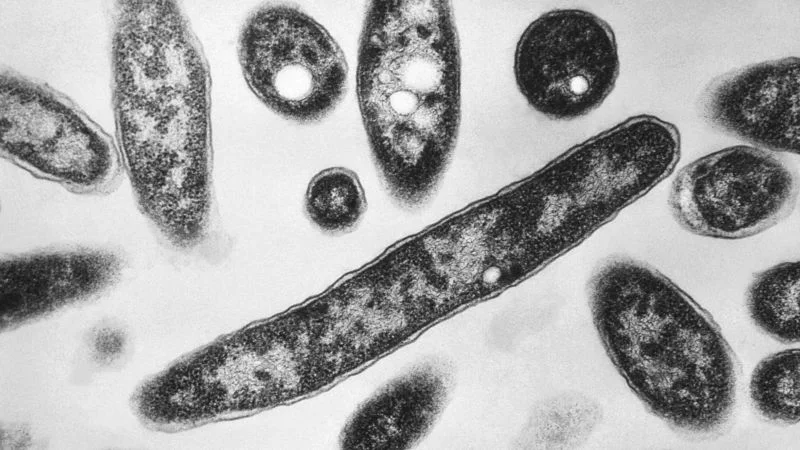
An outbreak of Legionnaires’ disease in New York City has infected 58 people and caused 2 deaths, likely linked to contaminated cooling towers in Central Harlem. The city is testing and remediating cooling towers, and health officials advise those with flu-like symptoms in the area to seek medical attention. Legionnaires’ disease, a bacterial lung infection, is treatable but can be fatal if untreated, especially for vulnerable populations.

Post-treatment support essential for weight loss drugs, NHS guidance advises
health6 months ago

Post-treatment support essential for weight loss drugs, NHS guidance advises

New NHS guidance emphasizes the importance of long-term support and behavioral changes for individuals stopping obesity medications like Wegovy and Mounjaro, as many tend to regain weight after treatment ends. The advice recommends check-ups for at least a year, building sustainable habits, and utilizing support networks to maintain weight loss, highlighting that obesity management is a lifelong process. The drugs, which help reduce appetite, are part of a broader strategy that includes diet and exercise, but long-term success depends on ongoing behavioral support.