
Rising Lung Cancer Cases in Young Women and Non-Smokers
Lung cancer is increasing among young women, especially non-smokers, due to environmental factors like radon and pollution, with experts urging awareness of symptoms for early detection.

All articles tagged with #earlydetection
Lung cancer is increasing among young women, especially non-smokers, due to environmental factors like radon and pollution, with experts urging awareness of symptoms for early detection.

Liver cancer is increasingly affecting healthy individuals, often linked to metabolic conditions like obesity and diabetes rather than traditional causes. Early detection through routine screenings and lifestyle modifications are crucial for prevention and effective treatment, with options like surgery and TACE improving outcomes. Awareness and proactive health measures are vital to combat this rising global health threat.

A 2-year-old boy named Carter was initially misdiagnosed with constipation but was later found to have stage 3 kidney cancer, highlighting the importance of parental advocacy and early detection in childhood cancer. Now in remission, his story underscores resilience and the need for vigilance in pediatric health issues.

A 2-year-old boy named Carter was initially misdiagnosed with constipation but was later found to have stage 3 clear cell sarcoma of the kidney, a serious cancer. After extensive treatment including surgery, chemotherapy, and radiation, he is now in remission, highlighting the importance of parental advocacy and early detection in childhood cancer cases.

A large study found that subtle changes in banking habits, such as reduced travel spending and fewer online logins, can signal early cognitive decline and risk of dementia up to ten years before formal diagnosis, highlighting the potential of financial data for early detection and intervention.

Recent research suggests that the rise in pancreatic cancer diagnoses among young adults is primarily due to an increase in the detection of endocrine tumors, which are generally less aggressive and more treatable than the more common adenocarcinoma. This increase in detection is attributed to advancements in imaging technology, such as CT and MRI scans, rather than an actual rise in cancer incidence. Experts are considering reclassifying these tumors to better reflect their nature and improve data accuracy.
Researchers at the University of Toronto have discovered a link between speech rate and cognitive decline in older adults, suggesting that speech patterns could serve as early indicators of neurodegenerative diseases like Alzheimer's. By using AI-powered speech analysis, the study highlights the potential for early detection and intervention strategies, offering a non-invasive alternative to traditional cognitive assessments. This breakthrough could revolutionize cognitive health monitoring and treatment by identifying subtle changes in speech years before severe symptoms appear.

Desta, a prominent New York City nightlife figure, was diagnosed with stage 3 colon cancer despite maintaining a seemingly healthy lifestyle focused on fasting, juice cleanses, and exercise. He suspects his late-night meals and alcohol consumption may have contributed to his condition. Research supports that eating late and alcohol can increase cancer risk. Desta's story highlights the importance of early cancer detection and lifestyle awareness, as colon cancer rates rise among younger populations. He is currently undergoing chemotherapy, with community support aiding his treatment.

Dr. Mark Bloomston, a surgical oncologist, shares new hope for pancreatic cancer patients, emphasizing that cures are possible and significant advancements have been made in diagnosis and treatment. The "Whipple" procedure, a 100-year-old surgery, is now considered for older patients, and chemotherapy has improved to offer a longer and better quality of life. Combining chemotherapy and surgery has led to unprecedented survival rates. Physicians are now more proactive in early diagnosis, listening for symptoms and screening high-risk patients, with the goal of providing patients with a longer, quality life.
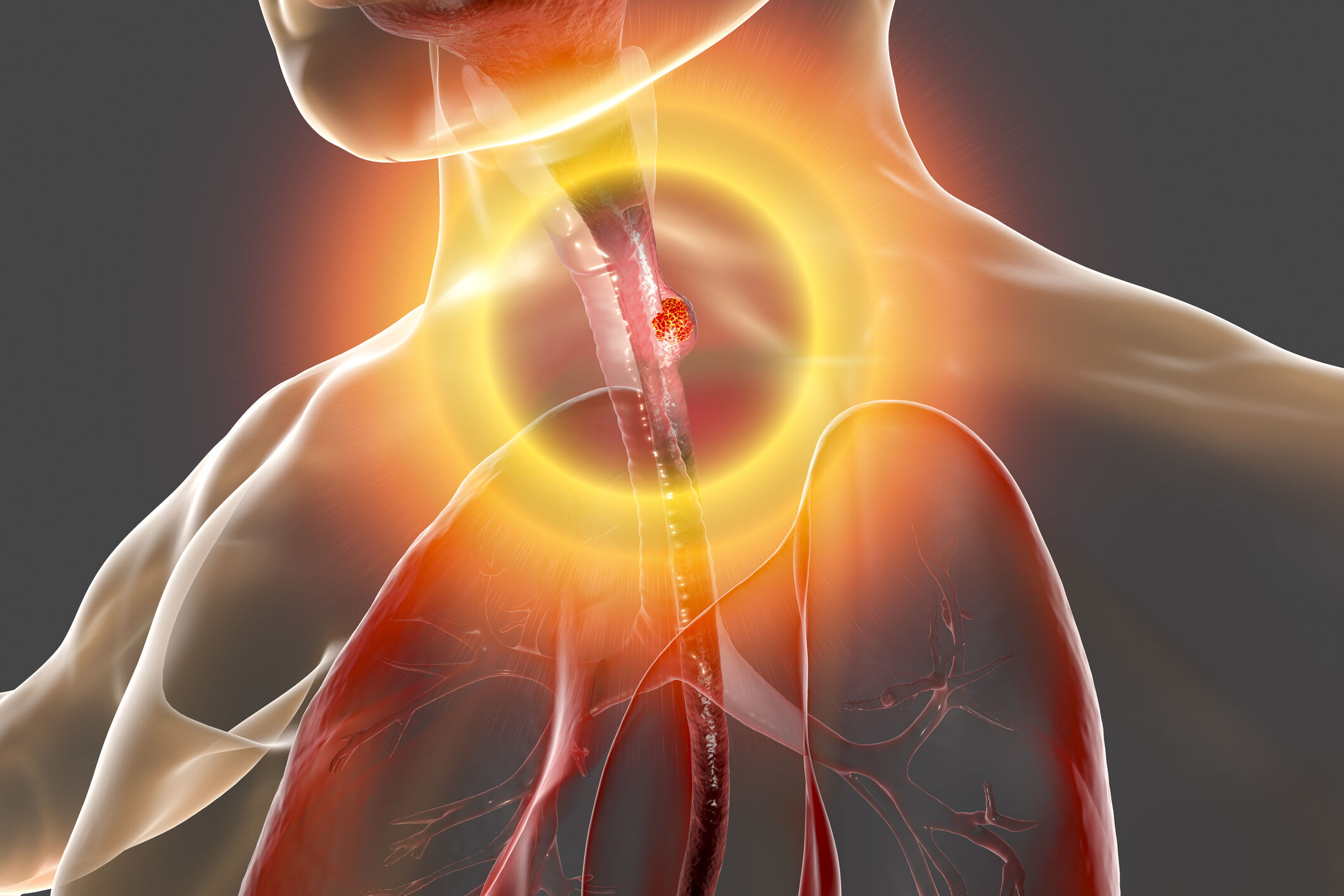
Esophageal cancer symptoms include difficulty swallowing and weight loss, with some patients being asymptomatic. Early detection is crucial for better outcomes, and diagnosis involves tests such as endoscopic ultrasound, CT scans, and PET scans to determine the extent of the cancer. Treatment typically involves chemotherapy, radiation therapy, and surgery, which is a complex procedure due to the location of the cancer. Awareness and understanding of symptoms are important for timely intervention.

A new blood test has shown promise in detecting early-stage pancreatic cancer with up to 97% accuracy by identifying genetic markers shed by the cancer. When combined with an existing pancreatic cancer marker test, the accuracy increased to 97% for stage 1 and 2 cancers. The test offers potential for early detection, which is crucial as pancreatic cancer is often diagnosed at advanced stages. However, further research is needed before it can be widely used.

Colorectal cancer, including colon and rectal cancer, is on the rise among adults under 50, with warning signs such as abdominal pain, diarrhea, blood in bowel movements, and iron deficiency anemia. Dr. Derek Ebner emphasizes the importance of early detection and shares ways to reduce risks, including maintaining a healthy lifestyle and being mindful of symptoms. He urges individuals to discuss colorectal cancer screening with their healthcare providers and highlights the significance of prompt medical attention for any concerning symptoms.

Colon cancer, traditionally associated with older adults, is increasingly affecting younger individuals due to lifestyle factors like poor diet and lack of exercise. Early detection is crucial for effective treatment. It's important to be aware of the signs and symptoms, especially if you're under 50, including changes in bowel habits, blood in stool, abdominal pain, unexplained weight loss, and fatigue. Early detection is key, and with proper treatment, many people are able to beat this disease and live healthy lives.

Researchers at MIT have developed computer models using artificial intelligence to identify more high-risk individuals for pancreatic cancer, potentially increasing the number of patients who can benefit from screening from 10% to 35%. The models analyzed electronic health records to identify patterns common among those who developed pancreatic cancer, showing promising results. While the approach still needs to be proven in clinical settings, the study's diversity and large-scale analysis offer hope for early detection of hard-to-find cancers. The team is also exploring the application of the model for other cancers, such as kidney and ovarian cancer.

The article emphasizes the importance of recognizing early warning signs of cancer for timely intervention and improved treatment outcomes. It lists 10 symptoms that should not be ignored: unexplained weight loss, persistent fatigue, skin changes, persistent pain, changes in bowel or bladder habits, persistent cough or hoarseness, difficulty swallowing, changes in breast tissue, persistent indigestion or heartburn, and changes in menstrual patterns. Regular health check-ups and communication with healthcare providers are crucial for early detection and successful treatment of cancer.