A 12-week Nordic walking program significantly improves functional capacity and heart health, especially beneficial for those with coronary artery disease, by engaging the upper body and promoting better exercise endurance.
Recent studies suggest that taking blood pressure medication at night may offer better protection against heart attacks, strokes, and cardiovascular death compared to morning doses, especially for those with non-dipping blood pressure patterns. However, the best timing depends on individual factors like medication type, routine, and health conditions, so consulting a healthcare provider is essential.
"Holiday heart" is a condition characterized by an irregular heartbeat triggered by excessive alcohol consumption, often seen during festive seasons. Known medically as alcohol-induced atrial arrhythmia, it can cause symptoms like heart flutters, dizziness, and shortness of breath. While most recover with early treatment and reduced alcohol intake, untreated cases can lead to atrial fibrillation, increasing the risk of stroke and heart attack. Prevention includes moderating alcohol intake, staying hydrated, and maintaining a healthy lifestyle.
A new study published in Frontiers in Public Health suggests that sugar-sweetened beverages may pose a greater risk to heart health than other forms of added sugar. Analyzing data from 69,705 Swedish adults over 22 years, researchers found that consuming more than eight servings of sugary drinks per week significantly increased the risk of ischemic stroke, heart failure, atrial fibrillation, and abdominal aortic aneurysm. The study highlights the importance of limiting sugary drink intake to reduce cardiovascular disease risk, while also noting that the social context of consuming treats may mitigate some negative effects.
Cold weather can impact cholesterol levels, potentially increasing the risk of heart-related issues. It's important to monitor cholesterol levels and maintain a healthy lifestyle during colder months to mitigate these risks.
To naturally lower cholesterol levels, dietary changes can be effective. Reducing saturated fats by swapping them for unsaturated fats like olive oil, and incorporating foods high in soluble fiber such as oats, barley, beans, and lentils can help. Nuts and seeds are recommended as healthy snack alternatives, while increasing fruit and vegetable intake is crucial for fiber and heart health. These changes, alongside regular exercise, can help manage cholesterol levels without relying solely on medication.
Chamomile tea, known for its calming effects, may also significantly reduce cholesterol levels and improve heart health, according to recent studies. Rich in flavonoids, chamomile tea has been linked to lower mortality from coronary heart disease and reduced "bad" cholesterol in diabetes patients. While promising, experts suggest more large-scale trials are needed to confirm these benefits. However, individuals with severe allergies, those on blood thinners, and pregnant women should avoid it.
A study from the University of Sydney suggests that even a few minutes of 'incidental' exercise, like taking the stairs or carrying groceries, can significantly reduce the risk of heart attacks, particularly in women. While not a substitute for regular exercise, these brief activities can still offer cardiovascular benefits by keeping the body active and reducing stiffness. Experts recommend incorporating more incidental exercise into daily routines, especially for those with sedentary lifestyles, to help maintain heart health.
The article highlights ten winter fruits that are essential for maintaining good heart health. These fruits are rich in nutrients and antioxidants, which can help reduce the risk of heart disease and improve overall cardiovascular wellness. Incorporating these fruits into your diet during the winter months can provide significant health benefits.
A new study presented at the American College of Cardiology’s Annual Scientific Session suggests that eggs, particularly fortified ones, may not negatively impact cholesterol levels or heart health, even among high-risk individuals. Eggs are rich in essential nutrients and antioxidants, and previous research has not found a significant link between egg consumption and heart disease. However, it's important to be mindful of how eggs are prepared and consumed, as cooking them with high-saturated fat foods may increase heart health risks. It's recommended to enjoy eggs alongside heart-healthy options and consult with a doctor regarding individual cardiovascular health.
A new study suggests that consuming two liters or more per week of artificially sweetened beverages may increase the risk of atrial fibrillation by 20%, while consuming added-sugar beverages raises the risk by 10%. Atrial fibrillation is a dangerous irregular heartbeat associated with an increased risk of stroke and other serious health conditions. The study recommends reducing or avoiding artificially sweetened and sugar-sweetened beverages whenever possible, and emphasizes the importance of further research to fully understand the health consequences of these drinks.
Living near fast food restaurants and bars may increase the risk of heart failure, while hearing relaxing words during sleep can improve sleep quality. Ginseng can reduce fatigue and aid muscle recovery after workouts, and yoga may benefit older women's memory. The speed of speech may be linked to brain health, and higher education levels are associated with slower biological aging and lower risk of death.
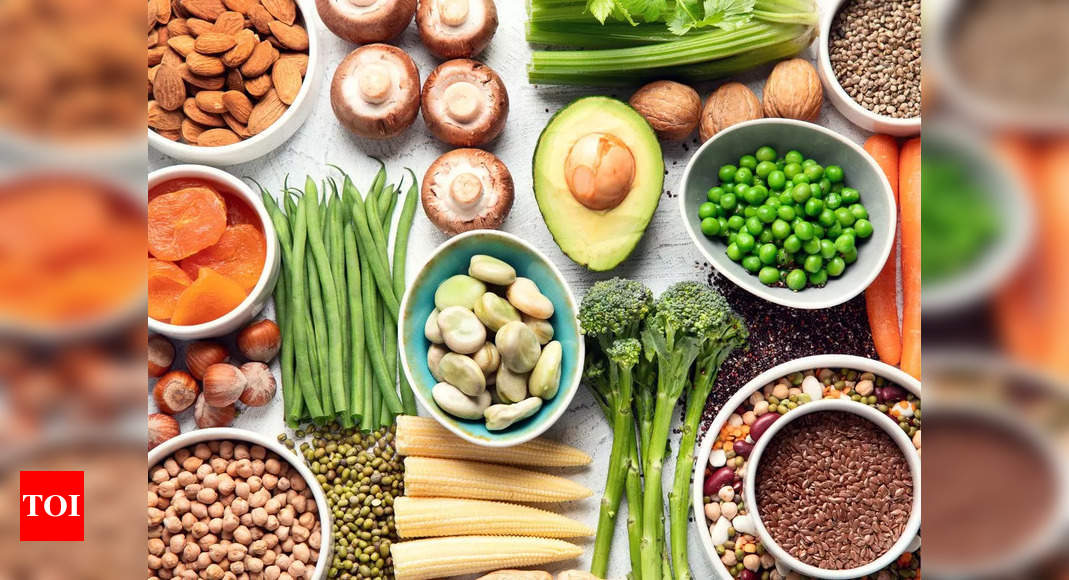
Health experts recommend incorporating plant-based foods into the daily diet to improve heart health and reduce the risk of strokes and cardiac attacks during winter. Foods such as leafy greens, berries, oats, nuts and seeds, avocado, legumes, whole grains, and garlic are rich in fiber, nutrients, and antioxidants that can help lower cholesterol levels and support cardiovascular health. These unprocessed plant-based foods also boost overall immunity and are beneficial for maintaining a healthy heart during the winter season.
Hazelnuts offer numerous health benefits, including essential nutrients like protein, healthy fats, and fiber, which can aid in weight management and reduce cardiovascular risk factors. They are a key component of the Mediterranean diet and support digestive health. While roasting can alter some nutritional aspects, it doesn't significantly change vitamins, folates, fatty acids, or protein content. However, individuals with nut allergies should consult healthcare providers before consumption. It's best to consume hazelnuts without added salt, sugar, or fats to maximize their health benefits.
Dr. Bimal Chhajer, a renowned cardiologist, suggests that it is possible to reverse arterial blockages and prevent cardiovascular ailments through lifestyle changes and diet. Key recommendations include eliminating high-fat foods, incorporating yoga and walking into daily routines, and managing stress levels. Dr. Chhajer also highlights five foods that can aid in reversing artery blockages: Arjuna bark, pomegranate, cinnamon, garlic, and turmeric, due to their antioxidant, anti-inflammatory, and cholesterol-lowering properties.