President Trump signed a law classifying fentanyl-like substances as the most dangerous drugs to increase penalties for traffickers, aiming to combat the opioid epidemic, but without additional funding for treatment or prevention.
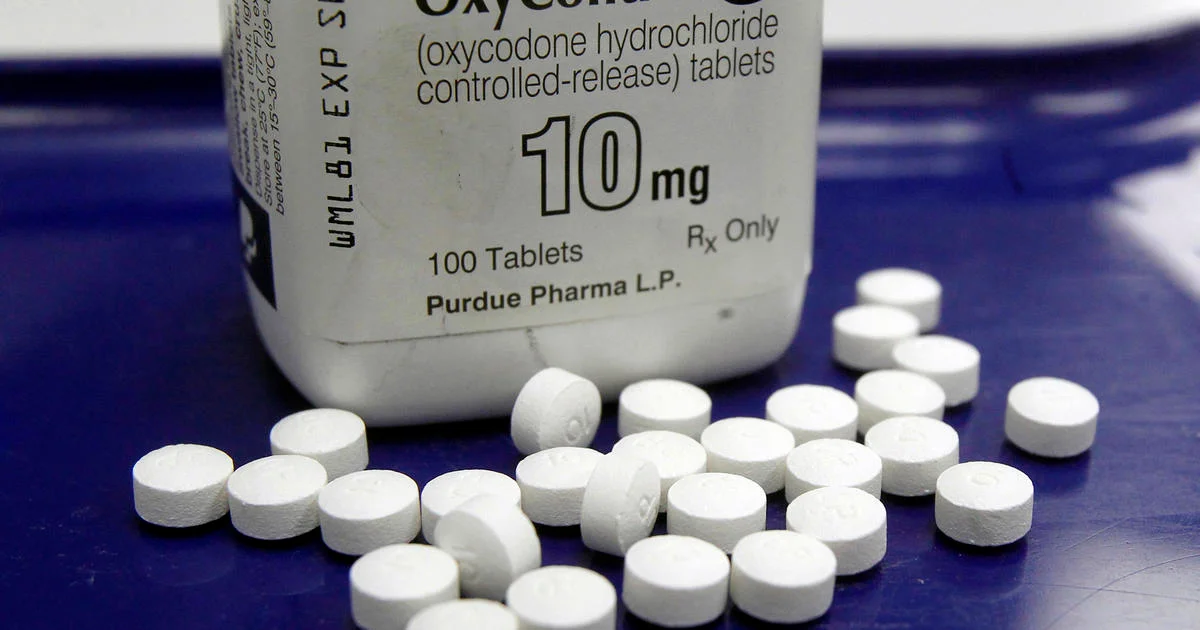
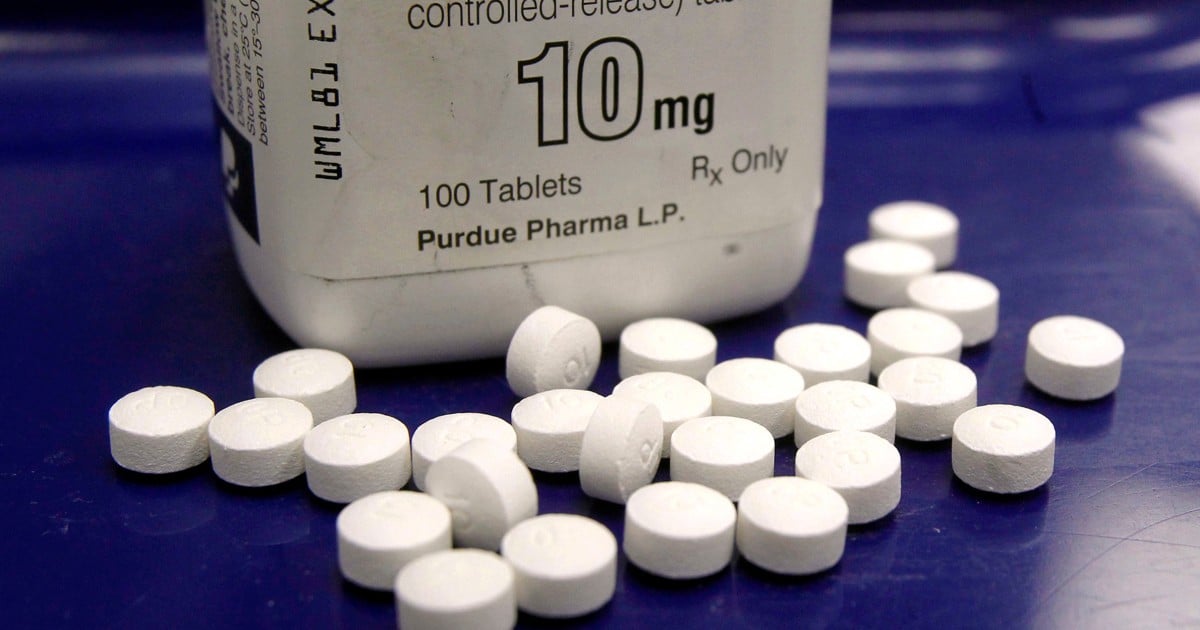
McKinsey & Co. has agreed to pay $650 million in a deferred prosecution agreement to settle a federal criminal investigation into its consulting work with Purdue Pharma, which involved advising on increasing sales of the opioid OxyContin. Additionally, a former McKinsey partner will plead guilty to obstruction of justice for destroying and concealing documents related to the probe.
Walgreens Boots Alliance is in discussions with Sycamore Partners to potentially go private, causing a 25% surge in its stock. Additionally, Walgreens, CVS, and Walmart won a legal case in Ohio, reversing a $650.9 million opioid crisis verdict. Despite these developments, Walgreens plans to close 1,200 stores by 2027 due to financial challenges, reflecting broader industry trends of pharmacy closures.
A civil jury has found drug distributors McKesson and AmerisourceBergen liable for their role in Baltimore's opioid crisis, ordering them to pay over $266 million in damages. This verdict is part of a larger legal battle that has already secured over $400 million in settlements from other pharmaceutical companies. Baltimore's lawsuit argued that these distributors failed to monitor suspicious opioid orders, contributing to the city's high overdose rates. The city plans to use the funds for addiction-related programs and may seek additional billions in a forthcoming trial phase.
McKinsey & Co. has agreed to a $78 million settlement with U.S. health insurers and benefit plans over allegations that its consulting work for drug companies, including Purdue Pharma, contributed to the opioid crisis. The settlement will establish a fund to reimburse third-party payers for opioid-related costs. McKinsey has reached several settlements related to the opioid epidemic, totaling over $900 million, but maintains that its past work was lawful. The settlement is pending judicial approval.
Consulting firm McKinsey & Co. has agreed to a $78 million settlement with insurers and healthcare funds over allegations that its work with Purdue Pharma and other drug companies contributed to the opioid crisis. The settlement, pending judicial approval, will establish a fund to reimburse prescription opioid costs and addiction treatments. This follows McKinsey's previous settlements totaling nearly $830 million with U.S. states, territories, and local entities. Despite the settlements, McKinsey maintains that its past work was lawful and ceased advising on opioid-related business in 2019.
McKinsey & Co has agreed to a $78 million settlement with U.S. health insurers and benefit plans over allegations that its consulting services for drug companies, including Purdue Pharma, contributed to the opioid epidemic. This settlement adds to McKinsey's previous payouts, totaling over $871 million, to various plaintiffs including state attorneys general, local governments, and Native American tribes. McKinsey maintains that its past work was lawful and has ceased advising on opioid-related business since 2019. The opioid crisis has led to numerous lawsuits and over $50 billion in settlements from various entities in the pharmaceutical industry.
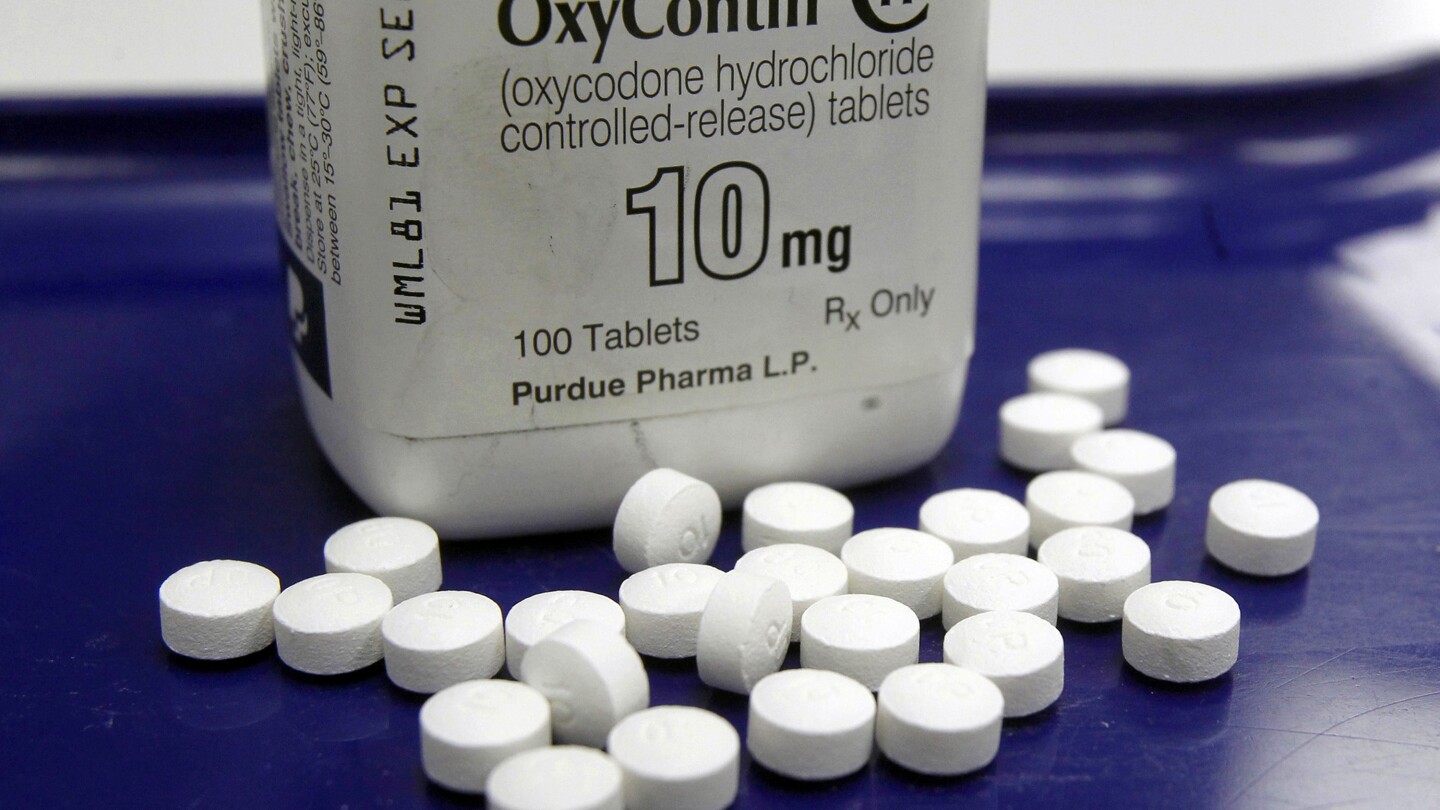
Consulting firm McKinsey and Co. has agreed to a $78 million settlement with insurers and health care funds over allegations that its marketing strategies for Purdue Pharma's OxyContin contributed to the opioid addiction crisis. The settlement, pending judicial approval, will establish a fund to reimburse prescription opioid costs. This follows previous settlements by McKinsey, including a nearly $600 million agreement in 2021 with various U.S. states and territories, and a $230 million settlement with school districts and local governments. McKinsey maintains that its past work was lawful but has ceased advising on opioid-related business since 2019.
Consulting firm McKinsey & Co has agreed to a $78 million settlement with U.S. health insurers and benefit plans over allegations of exacerbating the opioid crisis through its marketing strategies for drug companies, including Purdue Pharma. This settlement adds to McKinsey's previous payouts, totaling over $871 million, to various plaintiffs including state attorneys general and local governments. McKinsey maintains that its past work was lawful and has ceased advising on opioid-related business since 2019. The settlement is part of broader litigation that has seen over $50 billion in settlements related to the opioid epidemic in the U.S.
Boulder County, Colorado, has reported two deaths linked to a new street drug called Nitazene, an opioid more potent than fentanyl. The Colorado Department of Public Health and Environment has recorded 13 Nitazene-related deaths across the state since 2021. Nitazene is not FDA-approved and is often mixed with other drugs, making it unpredictable and dangerous. Health officials advise caution when using illicit drugs, recommending carrying Naloxone, using with others, and testing substances with fentanyl test strips. Naloxone can reverse some effects of Nitazene, similar to other opioids.
Nitazenes, a class of synthetic opioids developed in the 1950s, are emerging in the illicit drug market and have been linked to a recent overdose death in Colorado. These drugs are known to be extremely potent, with some formulations being up to 10 times as potent as fentanyl. While their presence is still relatively rare, experts expect their prevalence to increase as they remain "under the radar." Naloxone, the medication used to reverse opioid overdoses, is effective against nitazenes, but due to the potential long-acting nature of these drugs, medical treatment is still crucial after revival.
A study published in the Journal of the American Heart Association has revealed a significant increase in death rates from infective endocarditis among young adults aged 25 to 44, correlating with the opioid epidemic. Infective endocarditis is a rare but serious condition where bacteria infect the heart, and it's becoming more common in states heavily affected by opioid abuse. The study calls for public health interventions, including harm reduction programs and comprehensive care plans that address substance use disorder. Preventative measures for infective endocarditis include maintaining good oral and general hygiene, managing existing heart conditions, and taking precautions for at-risk procedures.