
media21.395 min read
Weiss-Driven CBS News Overhaul Targets a Reimagined 60 Minutes
1 day ago•Source: The Hollywood Reporter

The latest media stories, summarized by AI
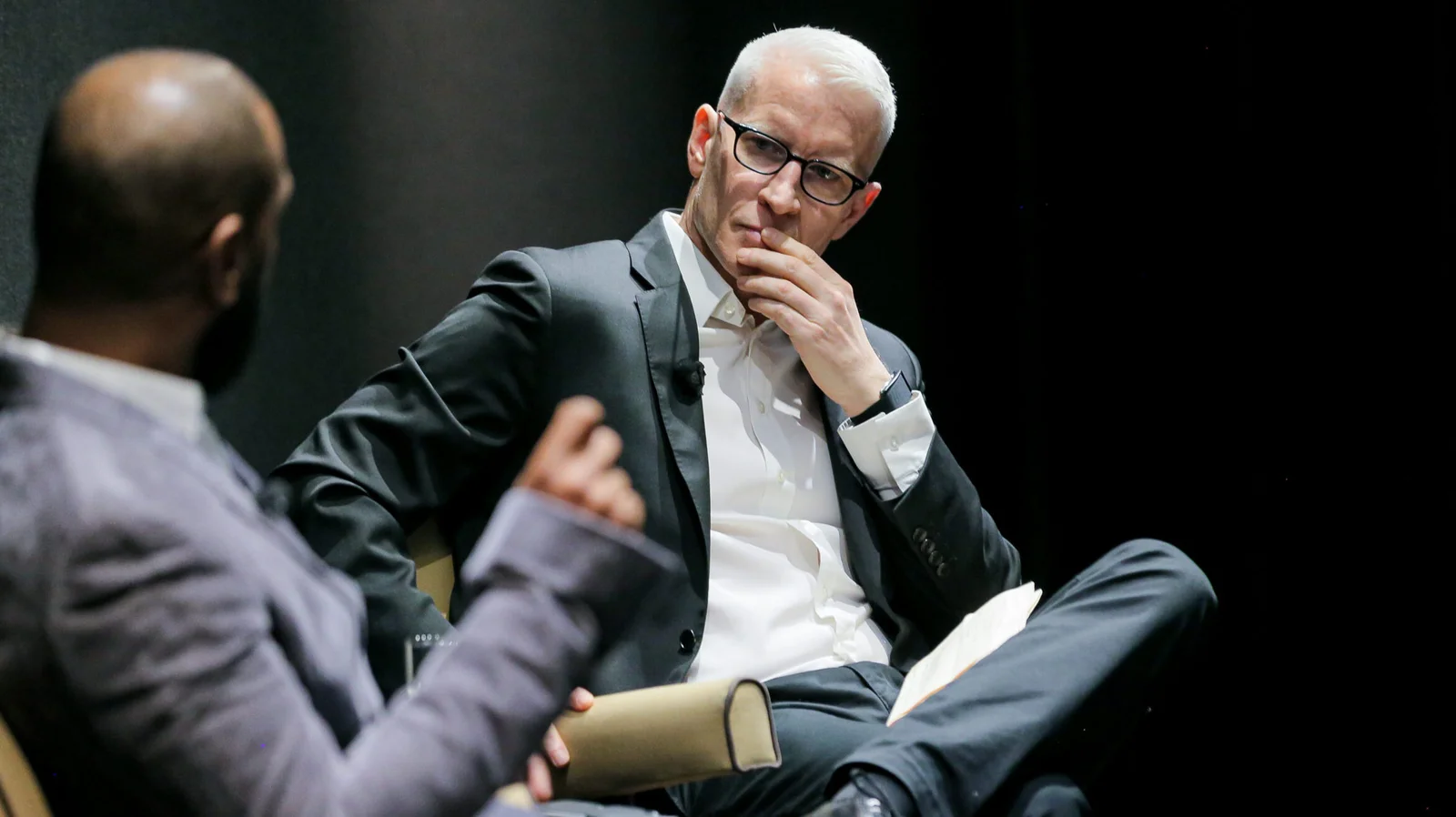
Anderson Cooper’s departure from 60 Minutes blinds CBS News leadership and signals a broader talent exodus and ongoing shakeups under Bari Weiss, as buyouts and a reframing of the network’s strategy unfold in a changing media landscape.
The Washington Post•7 days ago
The Daily Beast•8 days ago

Condé Nast named Adam Baidawi, 35, as GQ's global editorial director, replacing Will Welch. Baidawi, who led British GQ and was deputy global editorial director, will oversee all GQ editions and Pitchfork, relocate to New York, and push a more participatory, modern take on masculinity with expanded long-form video and audio.
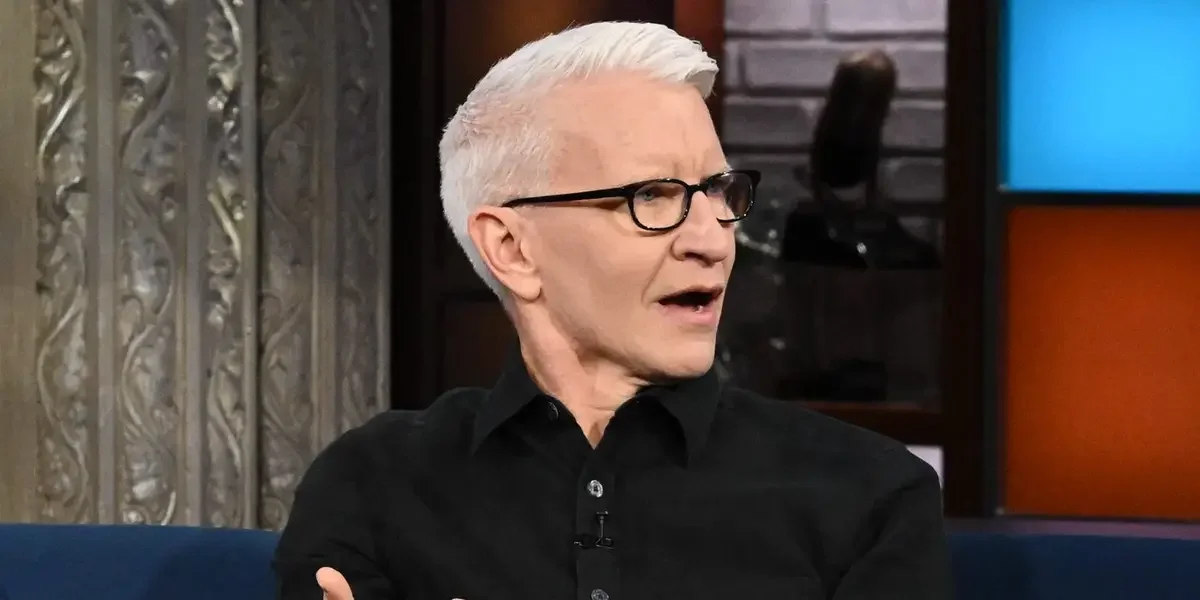
Anderson Cooper announced he is leaving CBS News' 60 Minutes after nearly 20 years to focus on CNN and his family, a decision that comes as CBS News undergoes leadership changes under Bari Weiss and has prompted prominent media voices to question the show’s future and the network’s stability.
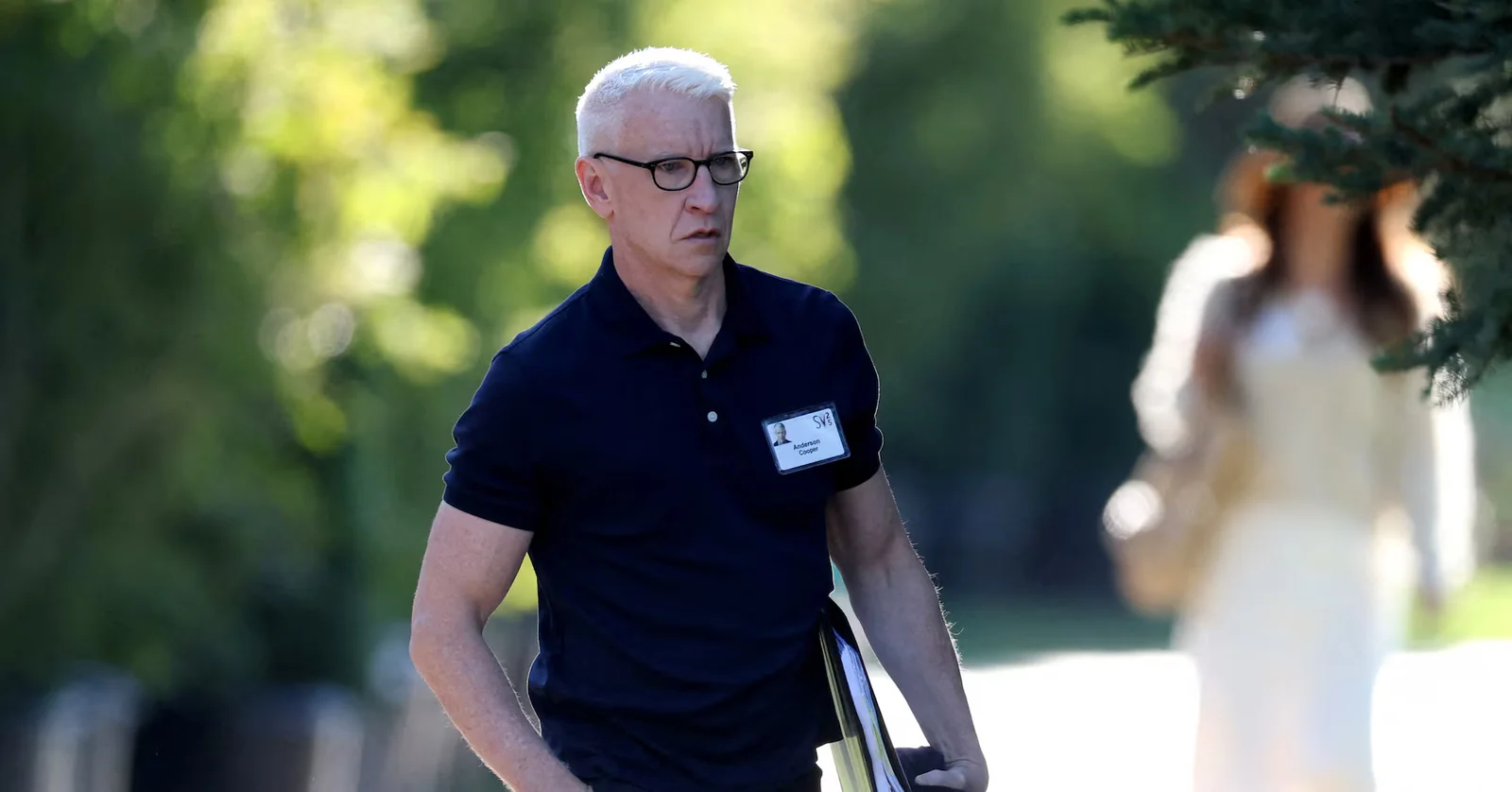
Anderson Cooper is leaving CBS News’ 60 Minutes after nearly two decades to spend more time with his young children, as the network undergoes leadership changes under Bari Weiss that aim to broaden its contributor pool and pursue a streaming-focused strategy. Cooper will continue with CNN under his existing cross-network deal.
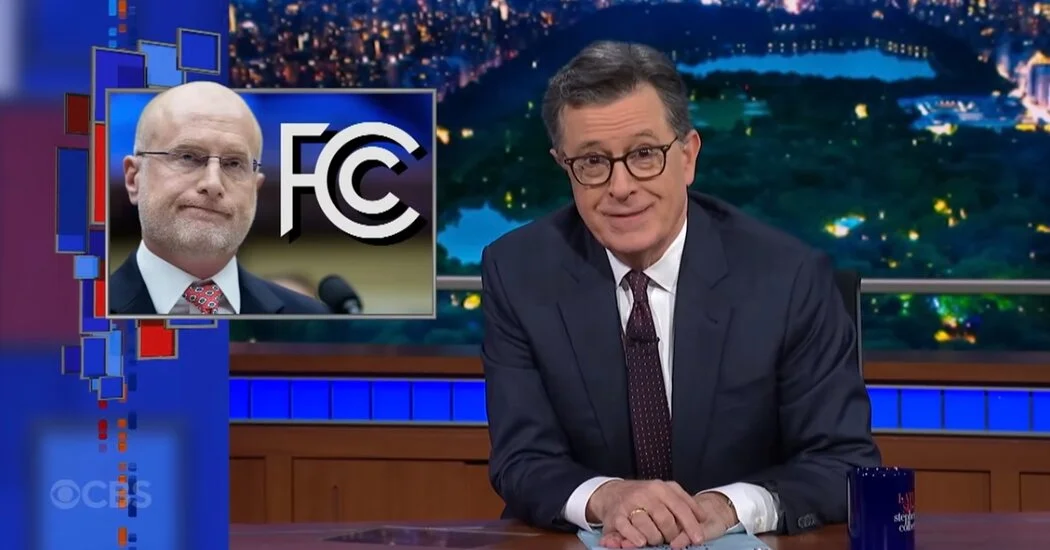
Stephen Colbert used The Late Show to criticize CBS for canceling a Texas congressman's appearance and to mock the FCC’s consideration of dropping the Equal Time Rule’s talk-show exception, arguing the move signals political bias and media silencing under FCC Chairman Brendan Carr and in the Trump era.
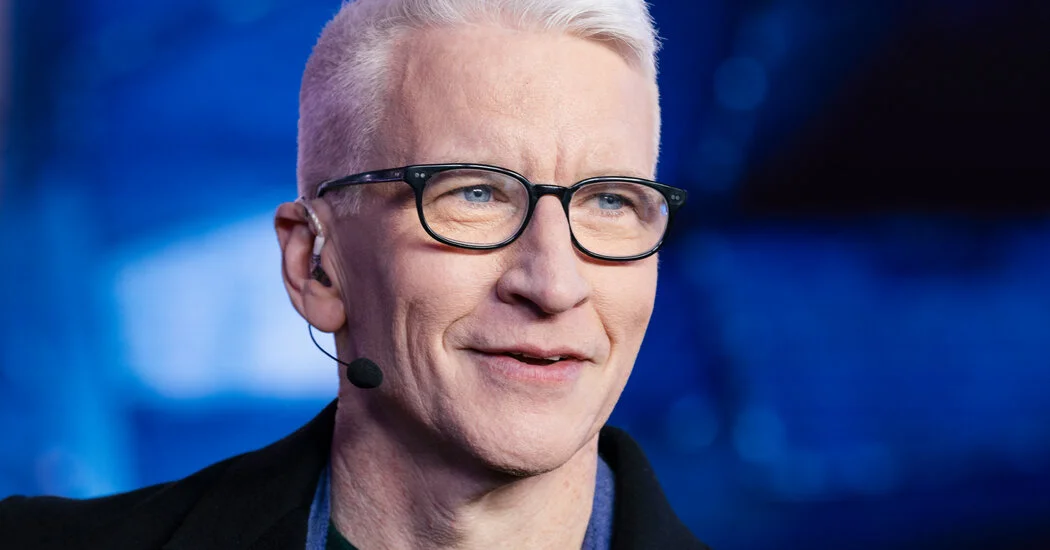
Anderson Cooper announced he is leaving CBS's 60 Minutes after nearly 20 years to focus on his CNN program and spend more time with his two young sons, a move CBS called a gratitude-filled departure that ends his long run with the program.
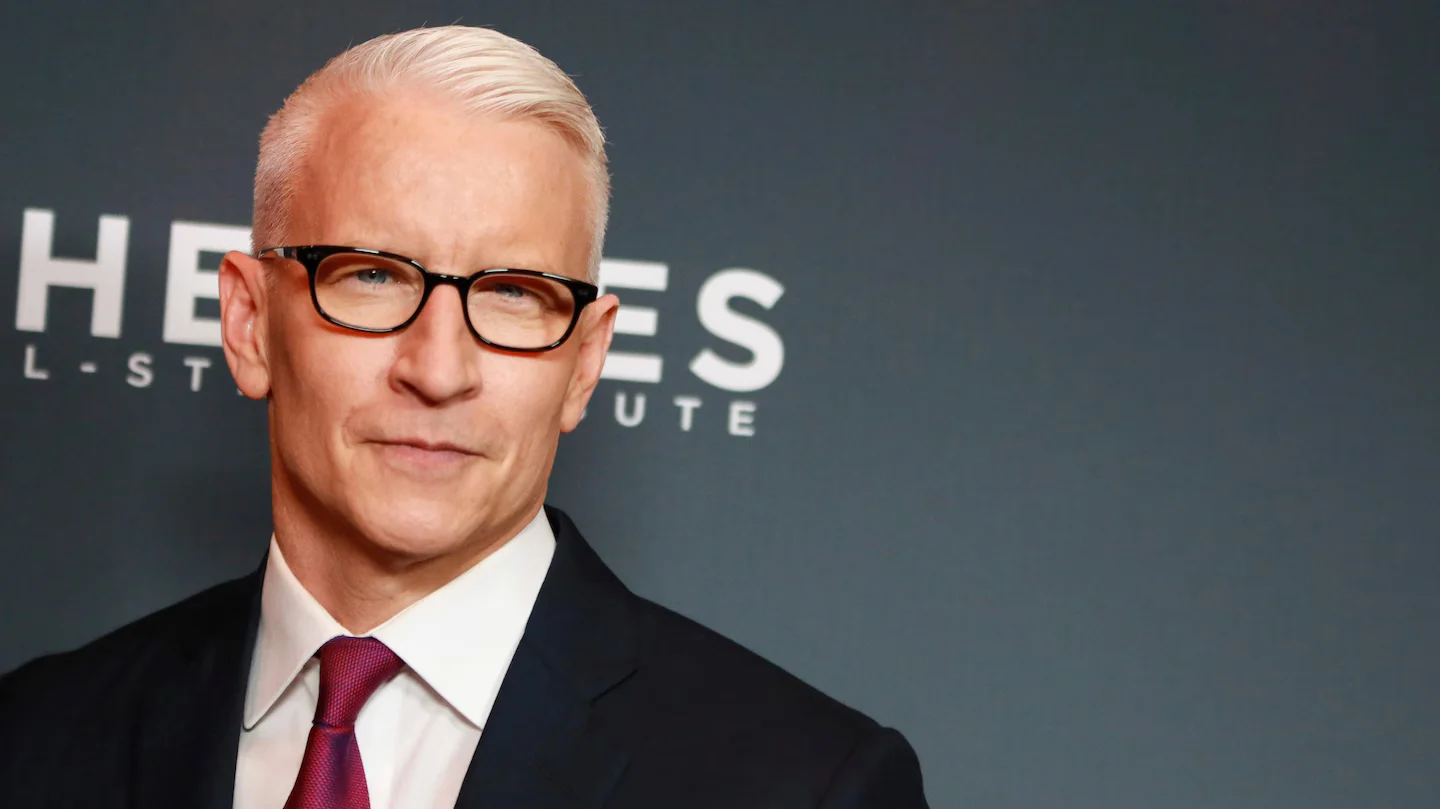
Anderson Cooper is leaving CBS’s 60 Minutes after nearly 20 years as a correspondent, saying he won’t renew his CBS contract to spend more time with his young children; he joined the program in 2006 via CNN, and CBS noted his contributions as the network undergoes leadership changes under Bari Weiss.
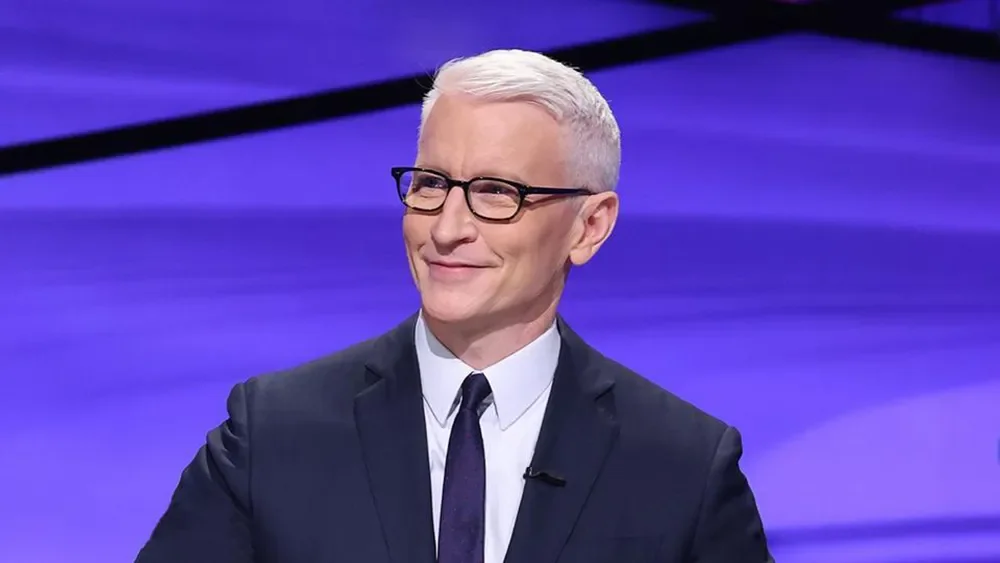
Veteran journalist Anderson Cooper is poised to leave CBS News' 60 Minutes after nearly two decades, with renewal talks reportedly stalled as he prioritiesCNN and family time; his departure would be a blow to the newsmagazine amid CBS News leadership changes under Bari Weiss, who has pursued restructuring and layoffs. Cooper has previously aired 60 Minutes segments on CNN, and his exit could reshape the program’s ability to promote its stories.
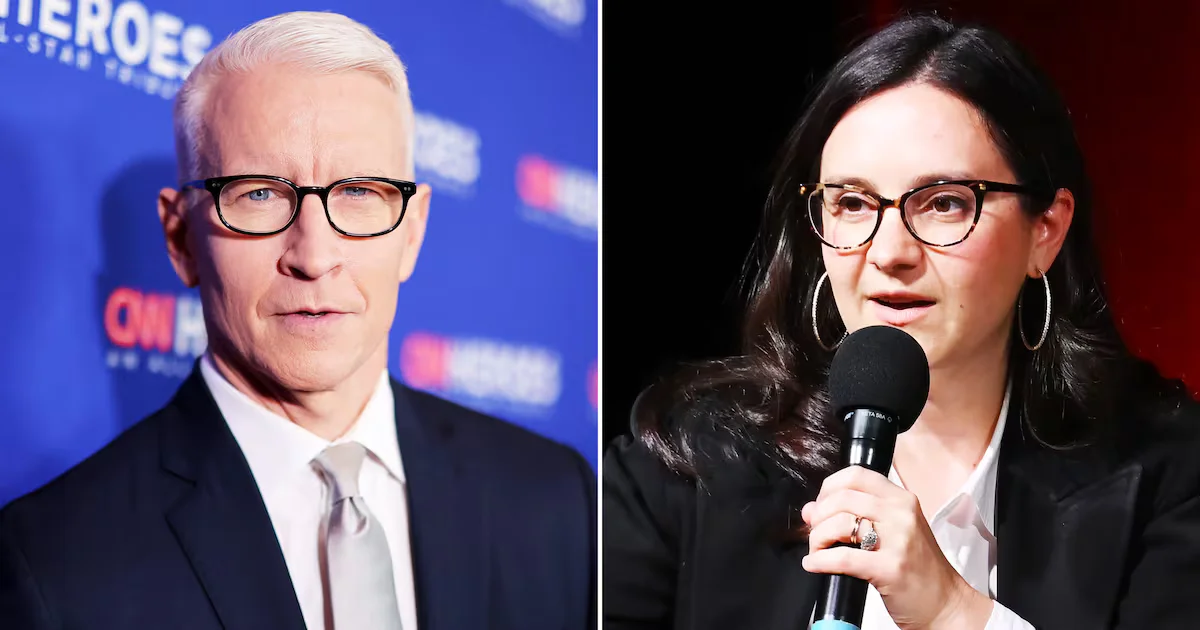
Anderson Cooper will leave 60 Minutes after declining CBS’s renewal, choosing to focus on CNN’s AC360 and his family. The exit comes as CBS News undergoes leadership changes under Bari Weiss and faces broader questions about its direction, with Cooper slated to appear on the current season only and CBS offering no immediate comment.

The Nancy Guthrie kidnapping has dominated headlines and sparked talk of tighter security in TV newsrooms, with NBC and Today reportedly boosting protection around 30 Rock and a possible move away from intimate on-air sharing on morning shows; while some say there’s no credible threat, security experts warn of broader industry changes as the FBI pursues leads and doubles the reward to $100,000.

An interview analyzes Elizabeth Bruenig's The Atlantic piece that presents a hypothetical, heavily researched measles narrative in second person, blending fiction and journalism to show the disease's biology, public-health response, and long-term risks like SSPE; Bruenig discusses her research, why she framed it as creative nonfiction, and how the editor's note clarifies it's based on reporting rather than a single true family's story—aimed at informing readers and prompting reflection on vaccination decisions despite mixed reader reactions.