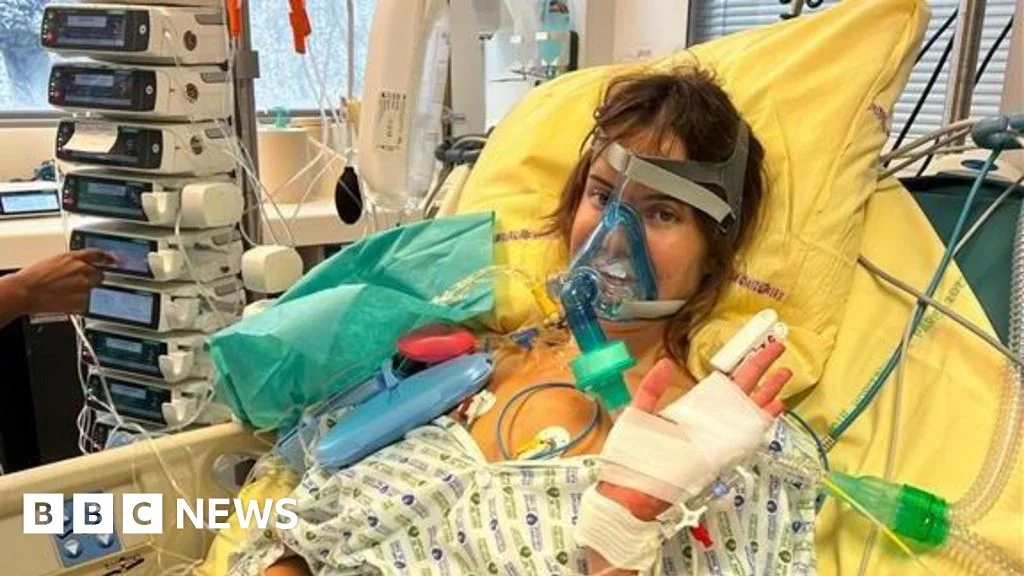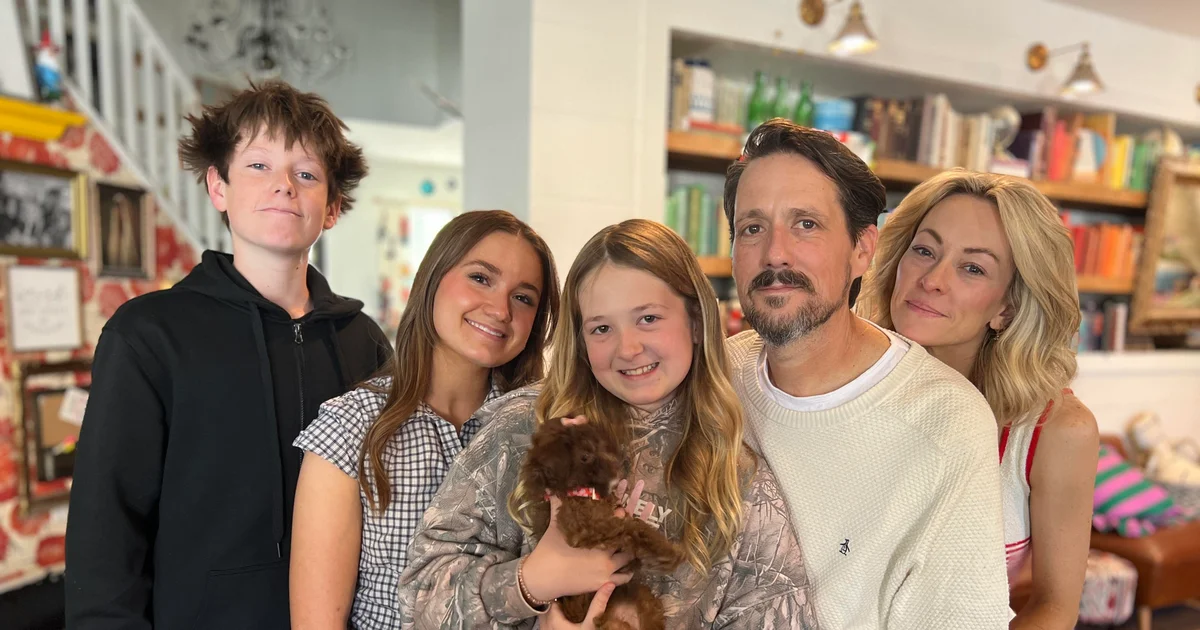
Faye Greenwood, a Lewes-based influencer, experienced a heart attack at age 24 while on holiday in Paris, leading to a heart transplant and raising awareness about heart health in young adults. She and her fiancé, also an influencer, shared their story to highlight the importance of recognizing symptoms early, despite misconceptions about age and heart risks. The couple faced significant medical bills and uncertainty about her future career, emphasizing the need for awareness and prompt medical attention for heart issues in young people.
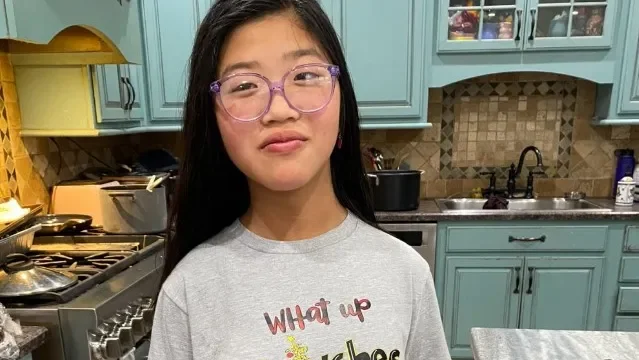
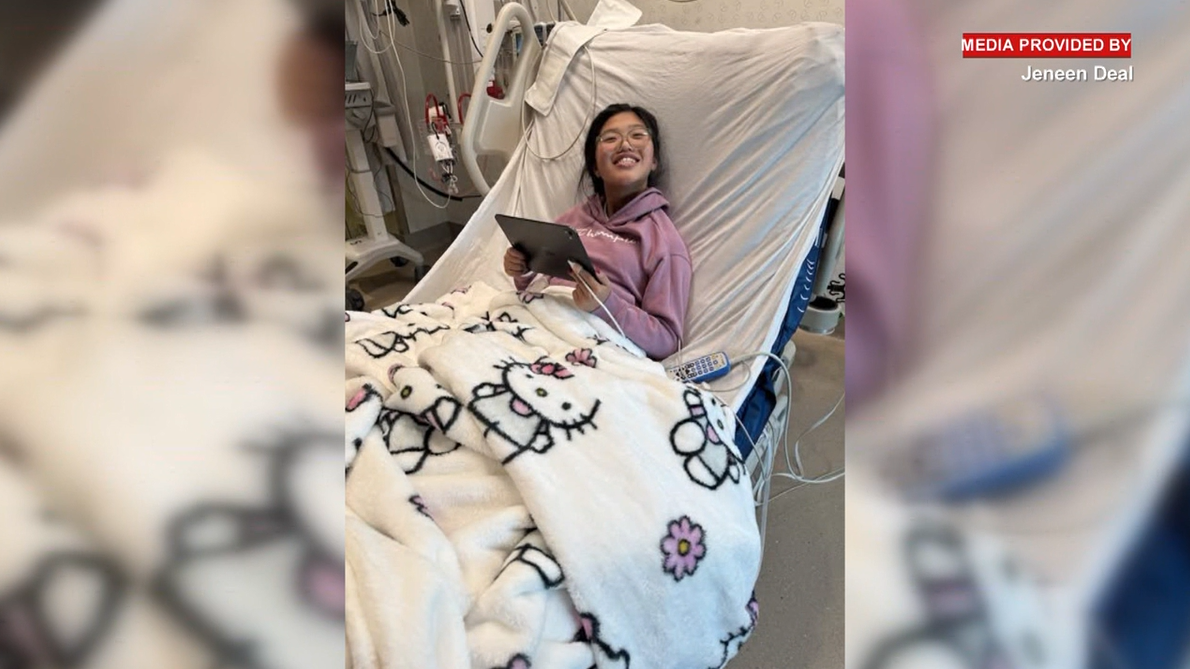
A 13-year-old girl with heart conditions was added to Cincinnati Children's transplant list after initially being refused due to her unvaccinated status, amid family and public pressure, including a letter from Donald Trump, challenging hospital vaccination policies.
A 13-year-old girl with heart conditions was initially denied a transplant due to her unvaccinated status, but her doctors waived the policy; her family supports a bill in Ohio to prevent hospitals from denying transplants based on religious or vaccine objections.
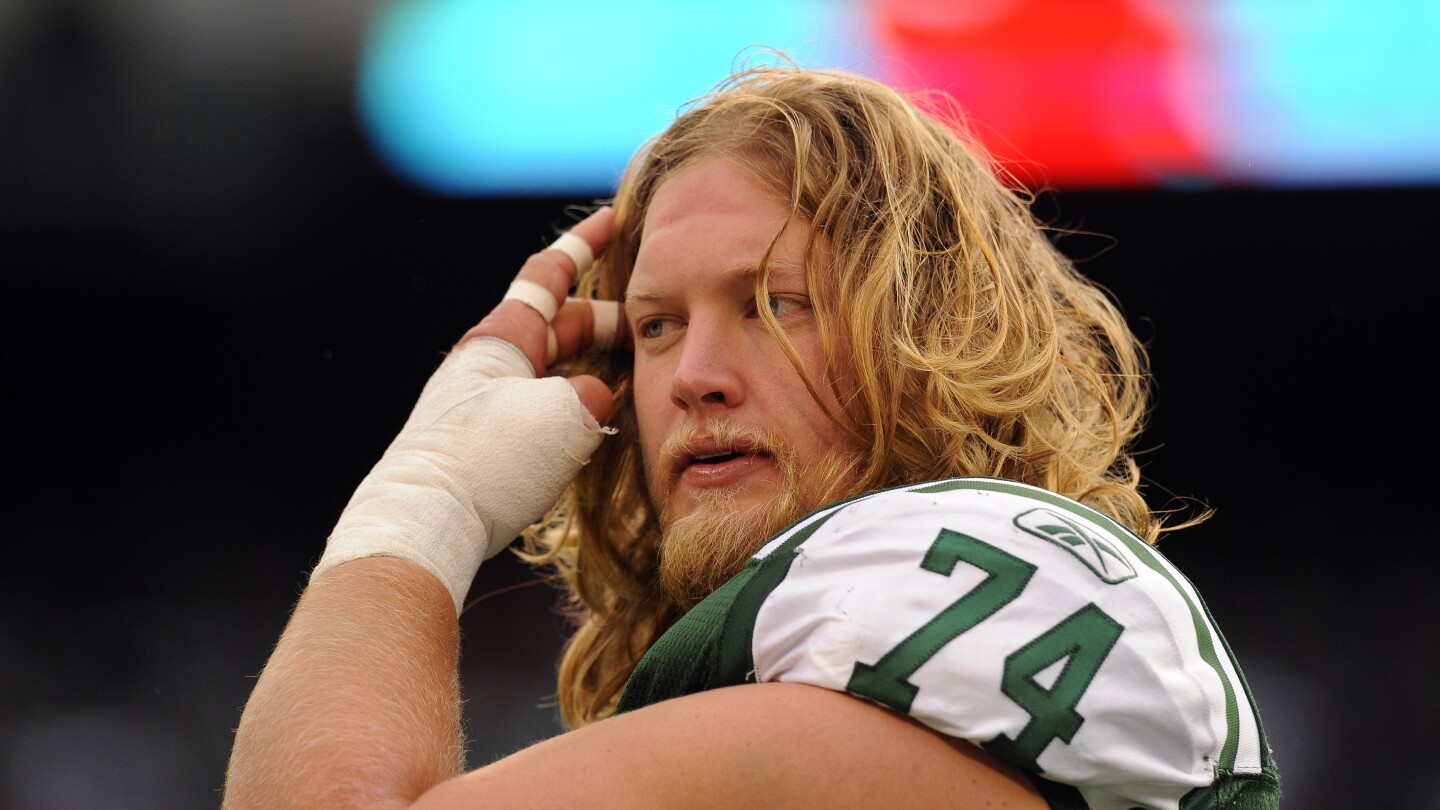
Nick Mangold, a former Jets center and seven-time Pro Bowler, is suffering from chronic kidney disease and is seeking a kidney donor with type O blood, reaching out to fans for help through a donation website.
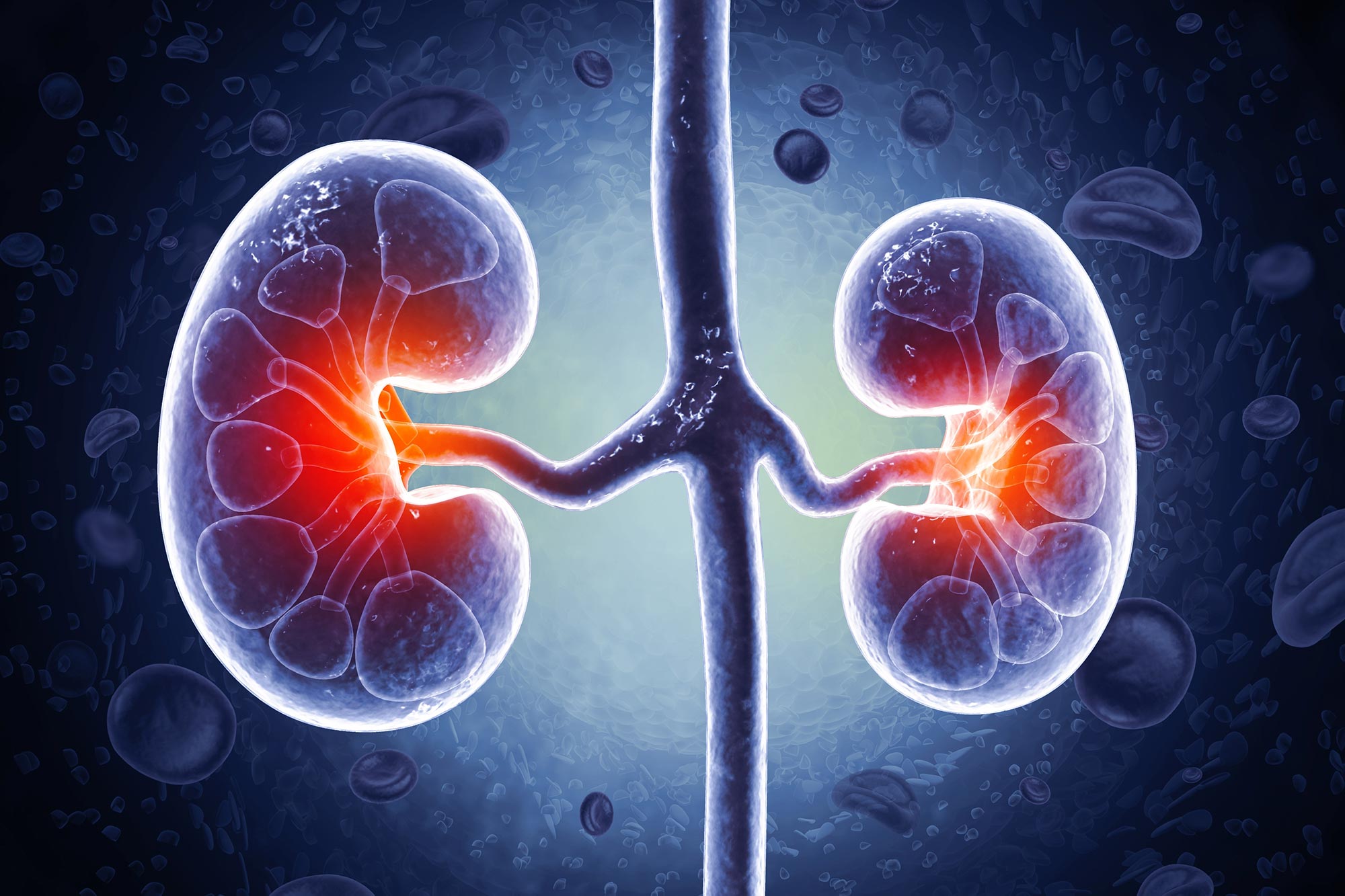
Canadian researchers have discovered a microRNA, miR-423-5p, that can protect kidney blood vessels after injury and serve as a blood-based biomarker for early detection and treatment of chronic kidney disease, with potential applications in transplantation and other vascular-related conditions.
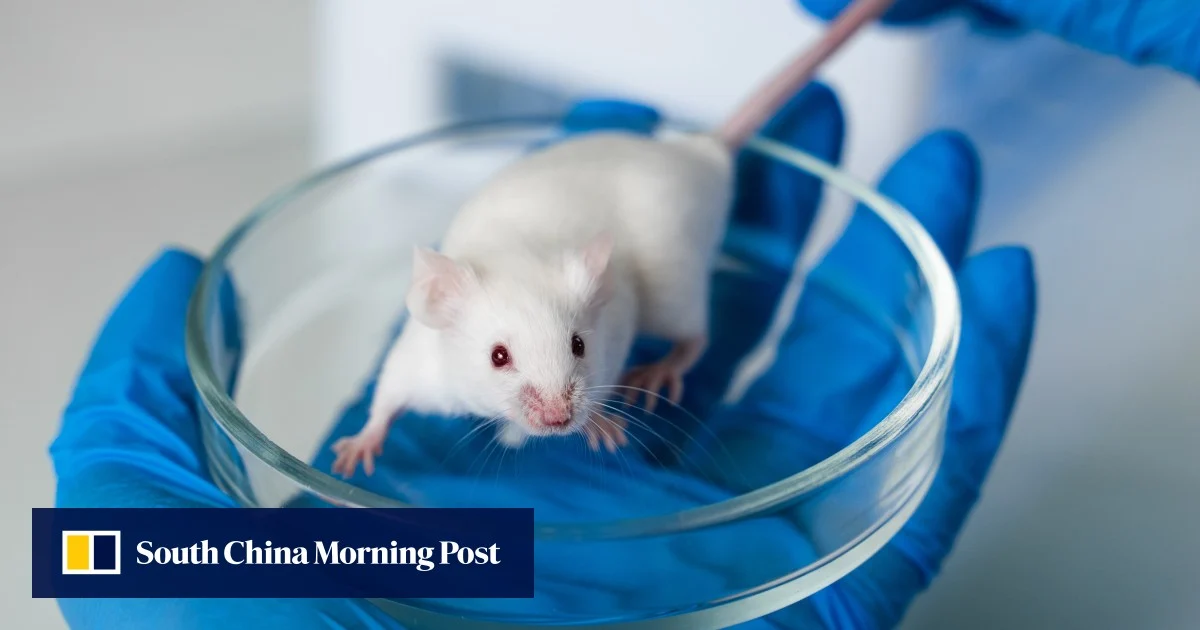
Chinese scientists have successfully transplanted human stem cell-derived dopamine-producing neurons into mice, reducing depressive behaviors and increasing pleasure, offering potential new treatments for neuropsychiatric disorders like major depressive disorder.
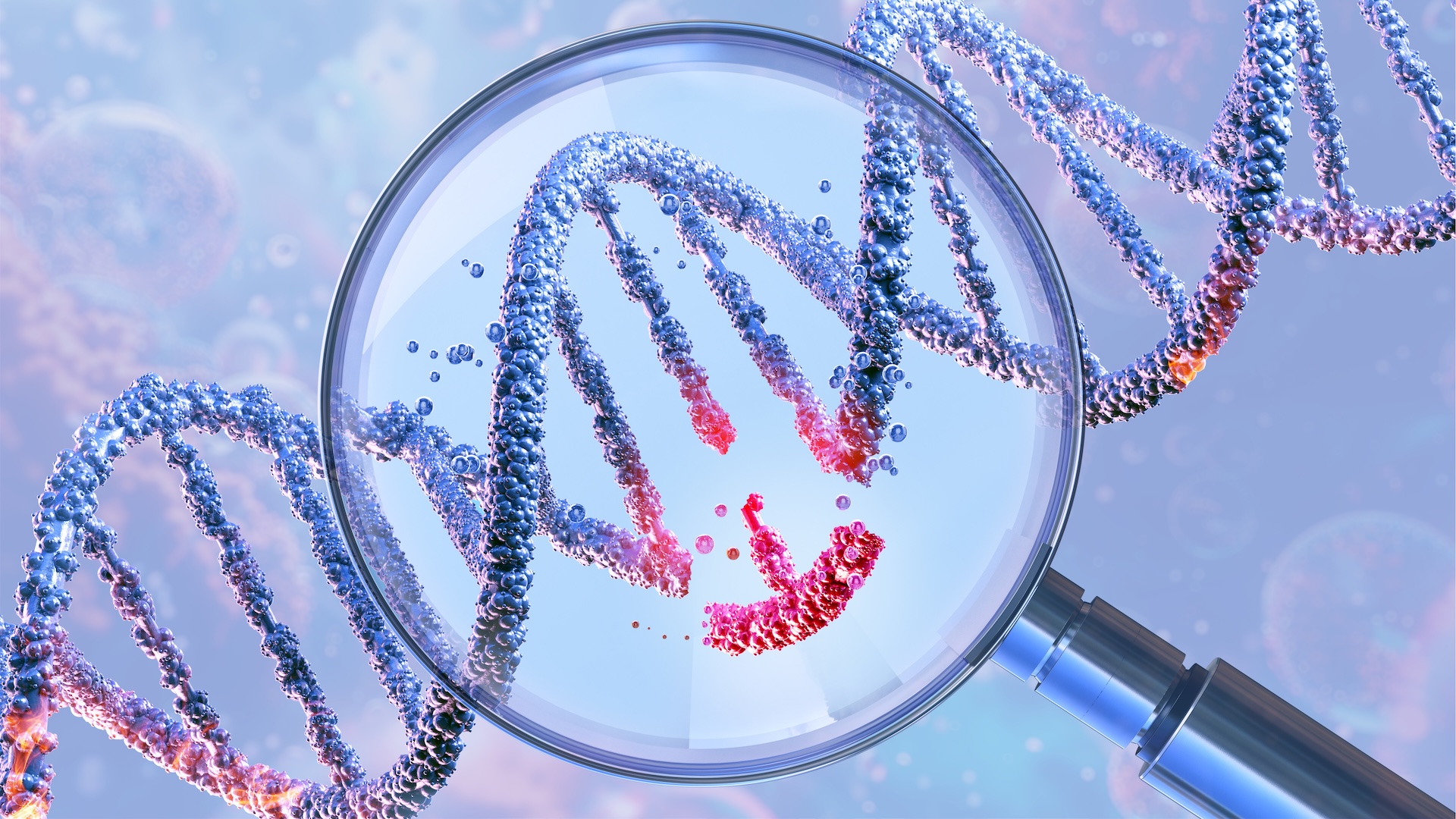
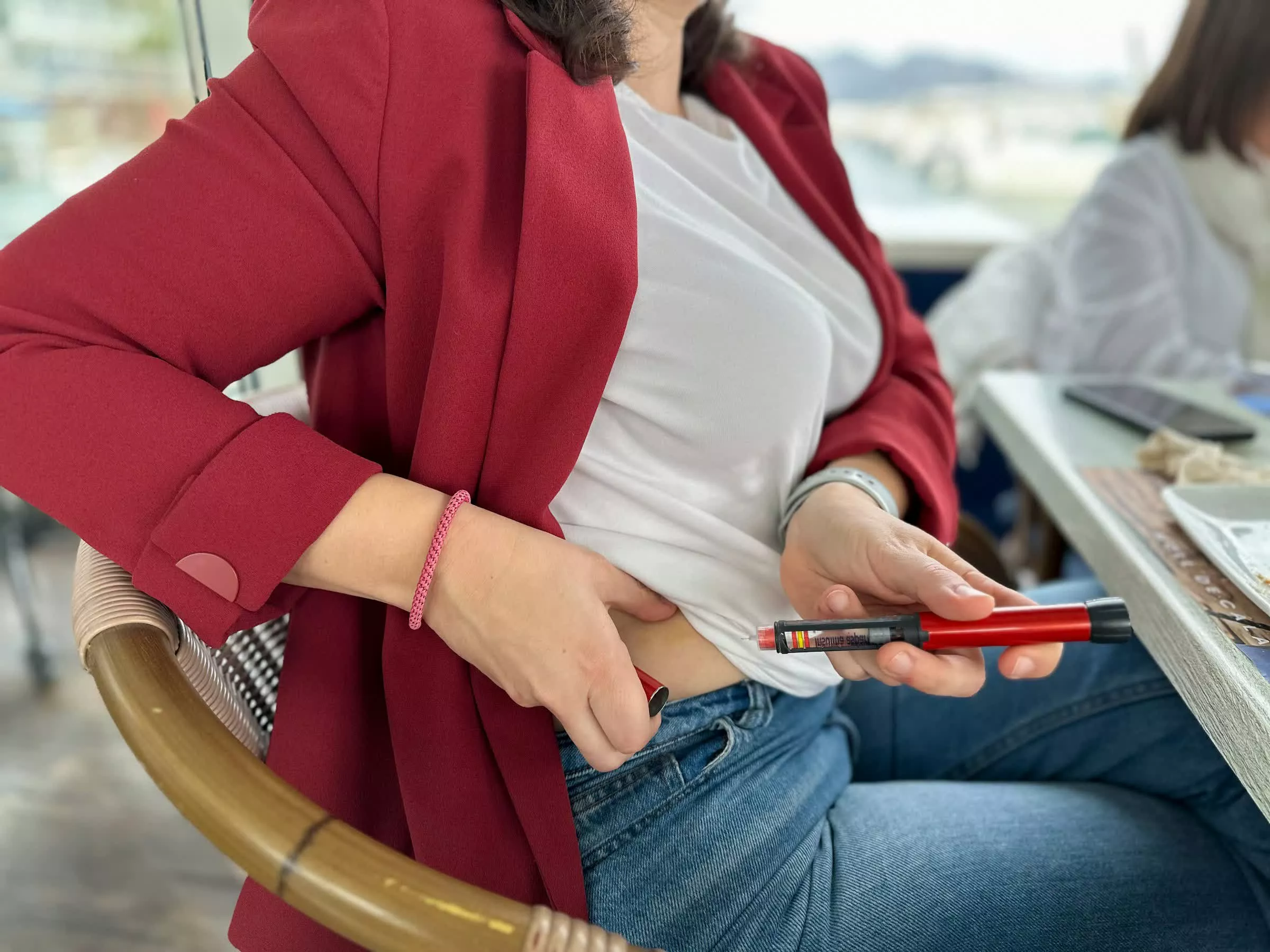
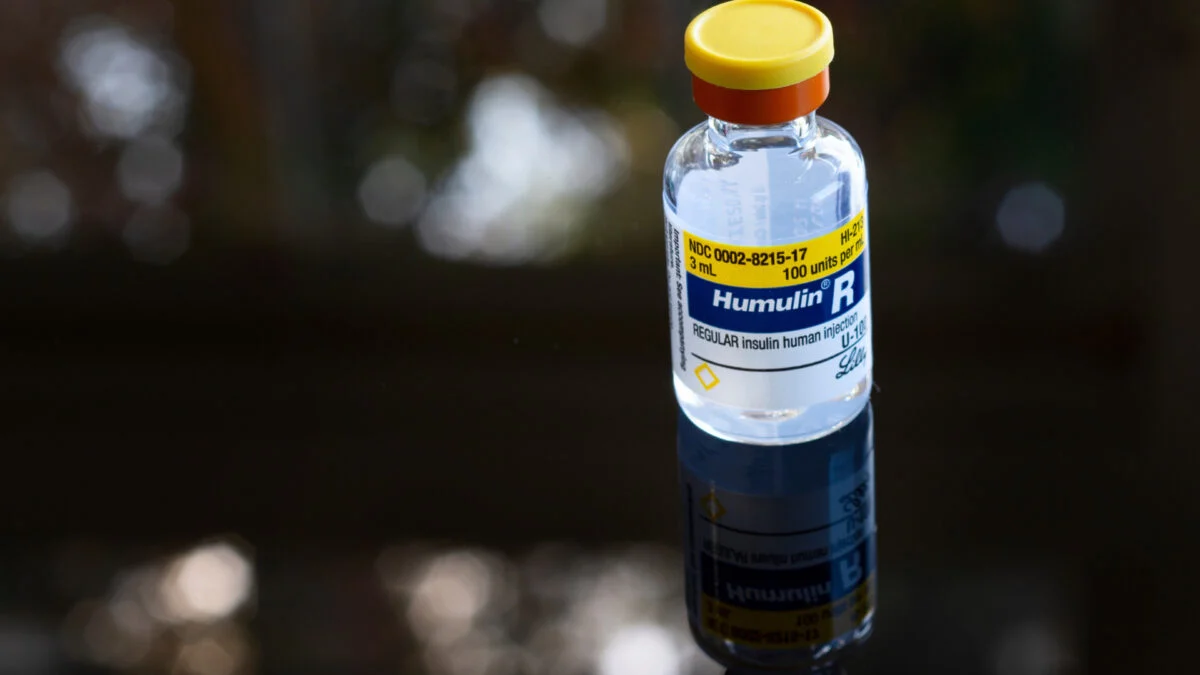
A man with type 1 diabetes has successfully produced his own insulin after receiving genetically engineered, CRISPR-edited cell transplants that evade immune rejection, marking a potential breakthrough in diabetes treatment.
A man with type 1 diabetes received genetically modified pancreatic cells via CRISPR that allowed his body to produce insulin without needing lifelong immunosuppressant drugs, marking a significant step toward a potential cure for the disease.
A man with type 1 diabetes successfully received gene-edited pancreatic cells that produce insulin without the need for immunosuppressive drugs, demonstrating a promising advance in transplantation medicine and potential future cure for diabetes.
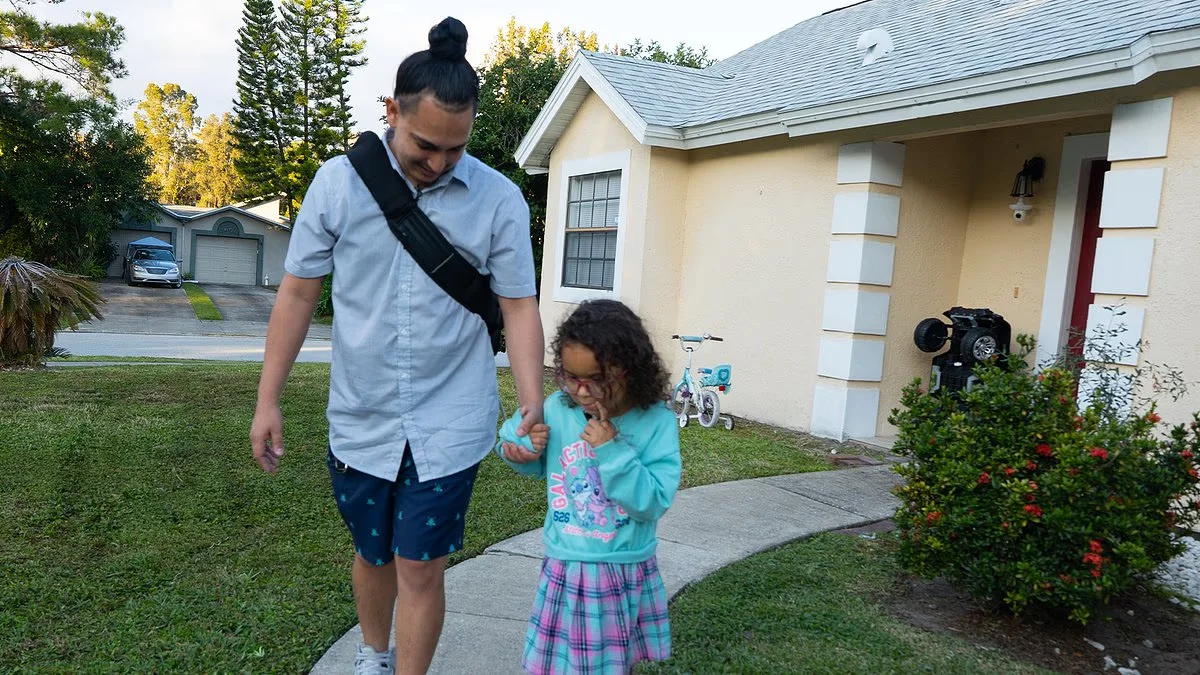
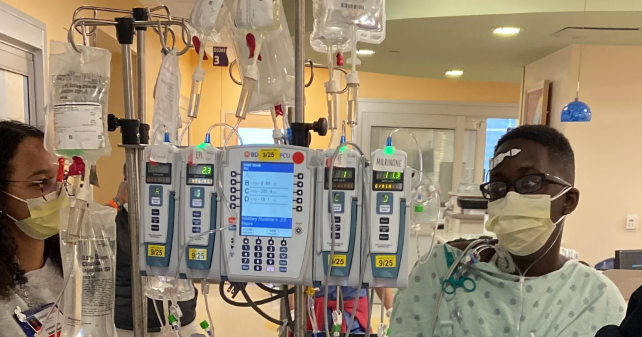
A 13-year-old boy with a rare genetic condition called Danon disease, which affects only about 300 families worldwide, was diagnosed with severe heart failure and required a heart transplant. His mother, who also has the disease, and he are among the few documented African-American cases. The story highlights the importance of support systems for young transplant patients, leading to the creation of a virtual community called Transplant Teenz to help teenagers cope with their condition.
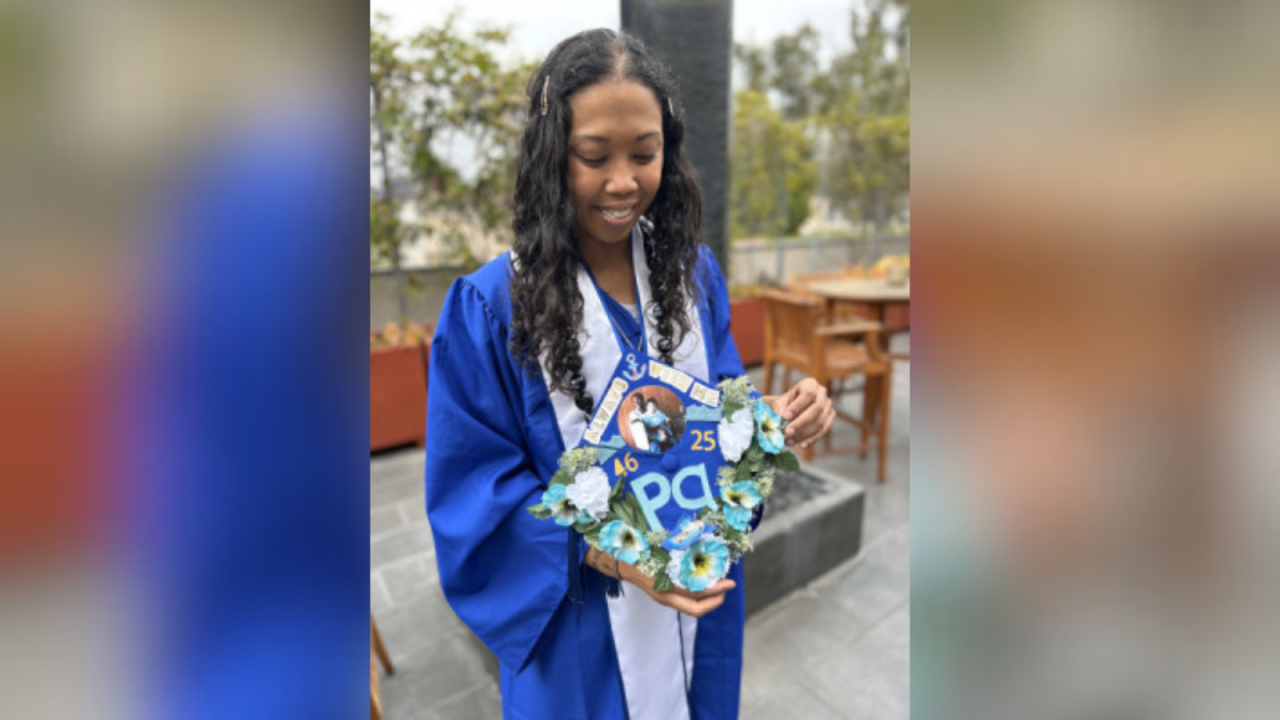
Janine Roberson, who was diagnosed with Type 1 diabetes at age 7 and suffered from severe complications, has successfully undergone a kidney-pancreas transplant, leading to a cure for her diabetes and a significant improvement in her quality of life. She recently graduated from El Camino College with an associate degree, overcoming numerous challenges including dialysis and the loss of her father, and plans to pursue a career helping children with chronic illnesses.
Curtis Jackson, a healthy man, was diagnosed with a rare and deadly liver cancer called cholangiocarcinoma during routine screenings after an initial diagnosis of primary sclerosing cholangitis. Early detection allowed for successful treatment with surgery and chemotherapy, highlighting the importance of regular health screenings for early diagnosis of serious diseases.
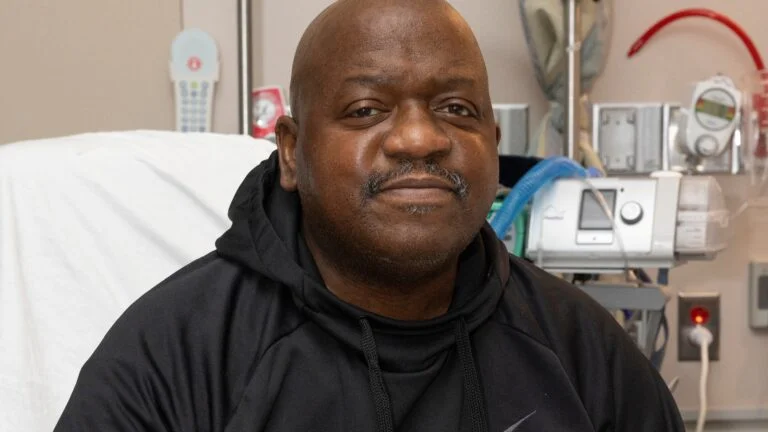
Rick Slayman, a 62-year-old man from Weymouth, died from an unexpected cardiac event two months after receiving a kidney transplant from a genetically engineered pig, according to doctors at Massachusetts General Hospital. The transplant was not rejected by his body, and his death was unrelated to the organ. Slayman, who had a known heart condition, was the first living person to undergo this procedure, which aimed to offer hope to the over 100,000 people in need of organ transplants.
Ekaterina Barrett donated her kidney to her brother Robert, who was suffering from Stage 4 kidney disease, significantly improving his health and academic performance. The siblings are now celebrating the one-year anniversary of the successful surgery.
Scott Semans reflects on his sister Heather's organ donation nine years after her unexpected hospitalization and subsequent passing. Heather's liver went to a man in need, providing closure for the family. The number of deceased donors and lifesaving transplants in the United States has been increasing, but over 100,000 people remain on the national transplant waiting list. Semans participates in a 5K to support transplant recipients and encourages others to consider organ donation, emphasizing the profound impact it can have.