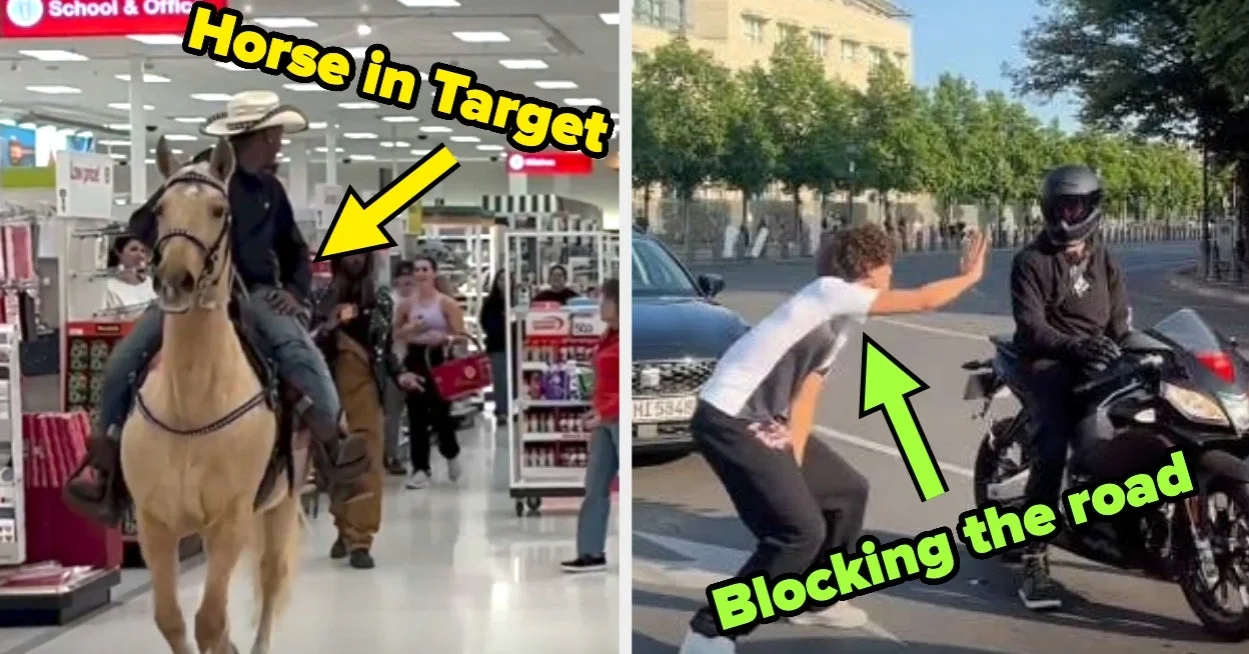
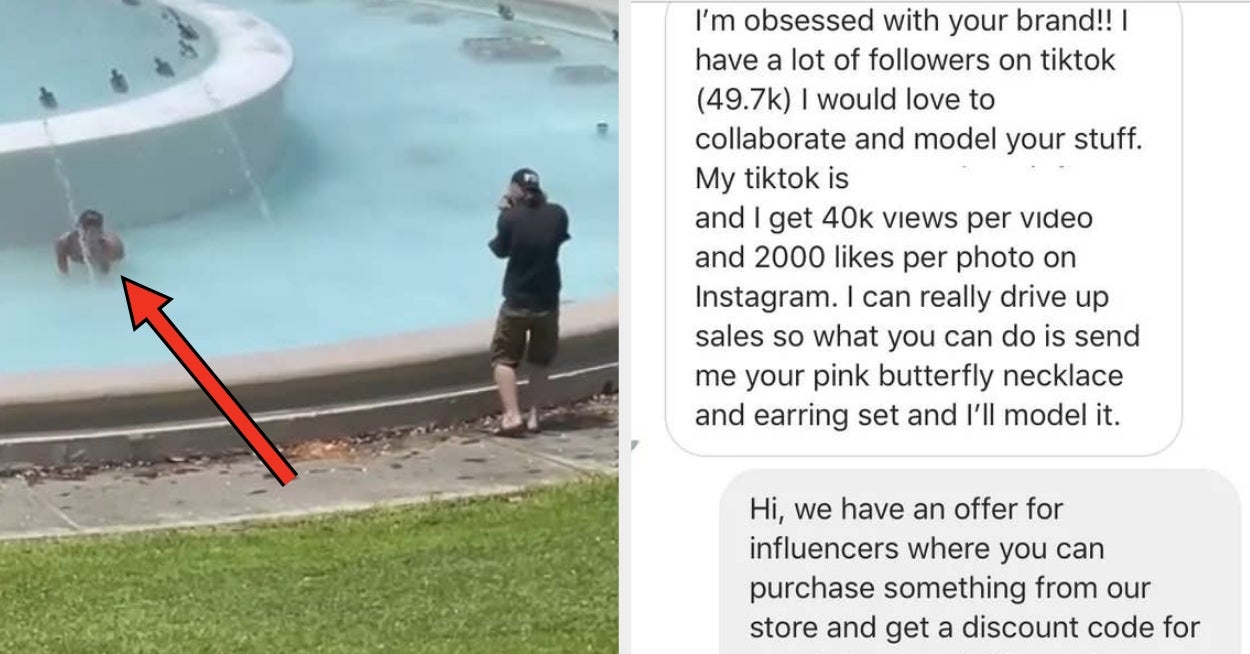
BuzzFeed's listicle catalogs 49 cringe-worthy influencer moments—ranging from over-the-top pranks to stunts—that sparked public backlash and renewed debate about the ethics of chasing online fame.
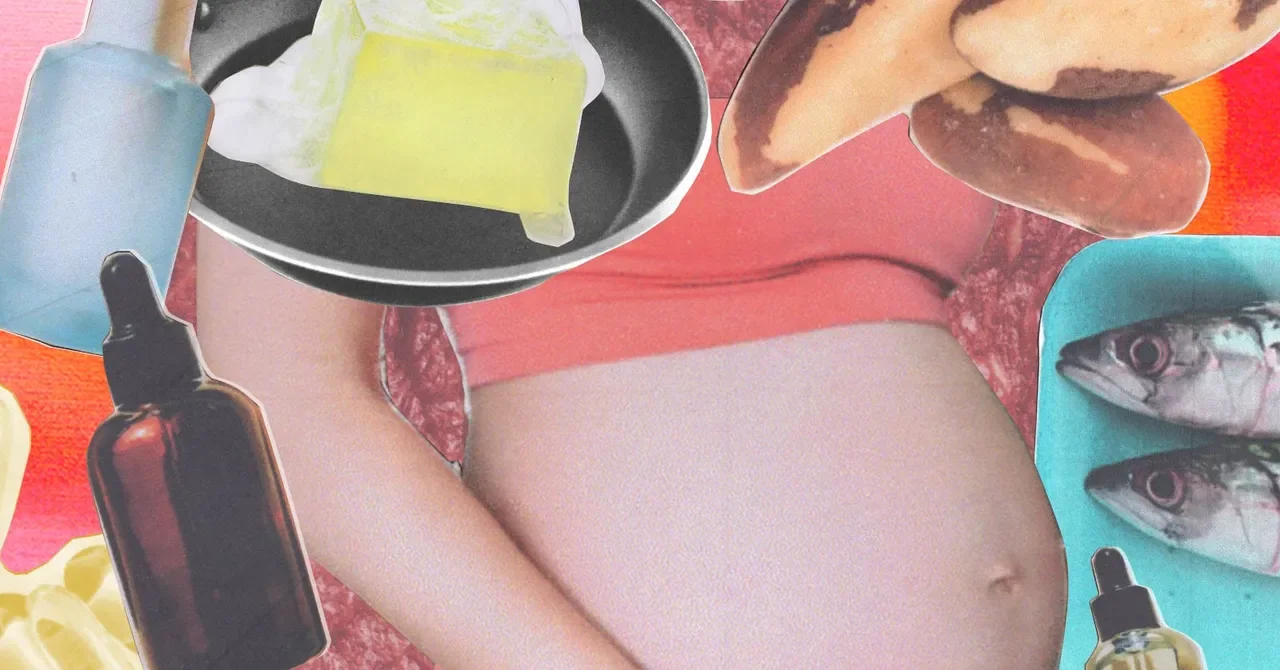
A Wired deep‑dive shows a growing “zero trimester” culture where women pursue intense preconception regimens—hormone tests, unconventional diets, and paid courses—driven by social media. Experts warn many claims lack evidence, advocate sticking to basics (folic acid, vaccinations, avoiding toxins), and remind that infertility is a disease with limited controllability, all while costs and pressures on women rise and pregnancy outcomes remain not fully predictable.
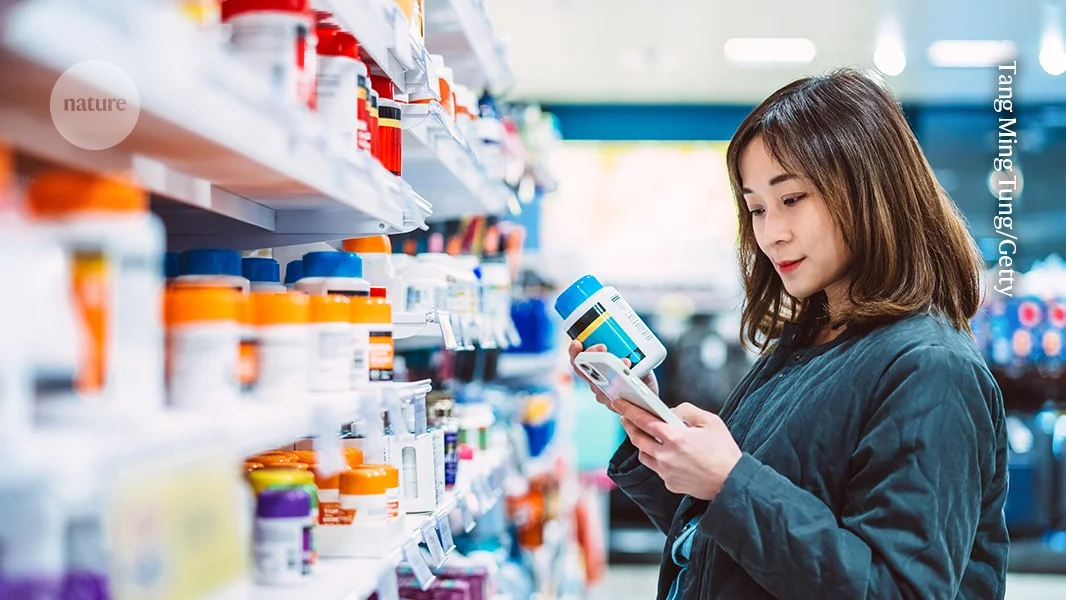
Nature’s review of Bad Influence argues that while the internet democratizes medical knowledge and can raise awareness (e.g., ADHD), it also amplifies unproven claims, self-diagnostic practices, and sponsorship-driven content, with many influencers tied to pharma and lacking consistent advertising disclosures—calling for better research transparency and safeguards against misinformation.
A growing culture around preconception health—dubbed “trimester zero”—has influencers and wellness experts urging would-be parents to optimize diet, toxins, and lab testing long before trying to conceive. The piece tracks how some claim to boost future fertility and fetal health through liver-rich diets, micronutrient testing, and detox regimens, while others caution that common medical basics (folic acid, avoiding smoking, controlling chronic conditions, vaccines) remain essential. It also notes the broader context: access to prenatal care is shrinking in some places, policy shifts complicate pregnant-care, and the claim that proper preconception habits can guarantee pregnancy or flawless pregnancies is contested by medical professionals.
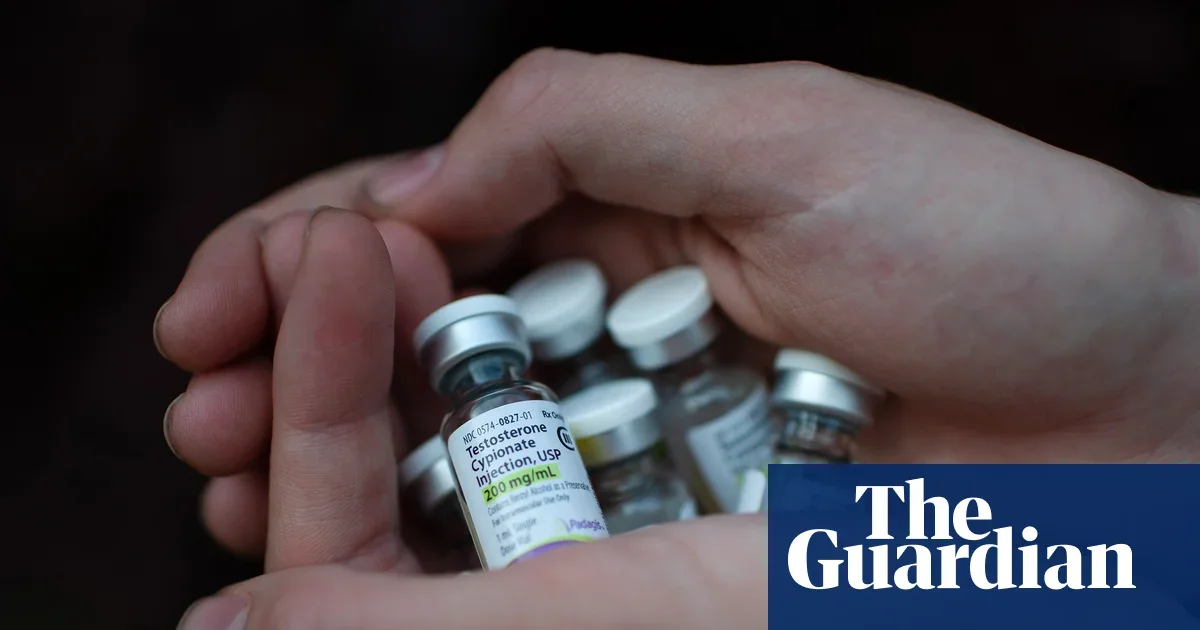
A study of 46 popular posts across TikTok and Instagram with millions of followers finds ‘manosphere’-aligned influencers promoting routine testosterone testing and treatments to healthy young men, framing normal variations in energy or mood as evidence of deficiency. The research links this marketing to broader cultural narratives about masculinity and notes many posts conceal financial ties to products. Experts say routine screening for low testosterone in asymptomatic young men is not supported by guidelines, and a single test cannot diagnose a condition given hormonal fluctuations and the need for medical context.
Two OnlyFans models were escorted off an American Airlines flight in Miami after a drunken disturbance in first class; they were arrested at the airport and later monetized the incident by selling mugshots and related merch.
The article discusses how influencers and OnlyFans models are increasingly dominating the US 'extraordinary' artist visa program, highlighting a shift in the types of individuals obtaining these visas and the impact of digital media personalities on US immigration policies.
Zohran Mamdani's NYC mayoral campaign innovatively used fandom culture and community-based influencer collaborations to connect with voters on an emotional level, contrasting with traditional campaign strategies and emphasizing the power of shared community narratives in politics.
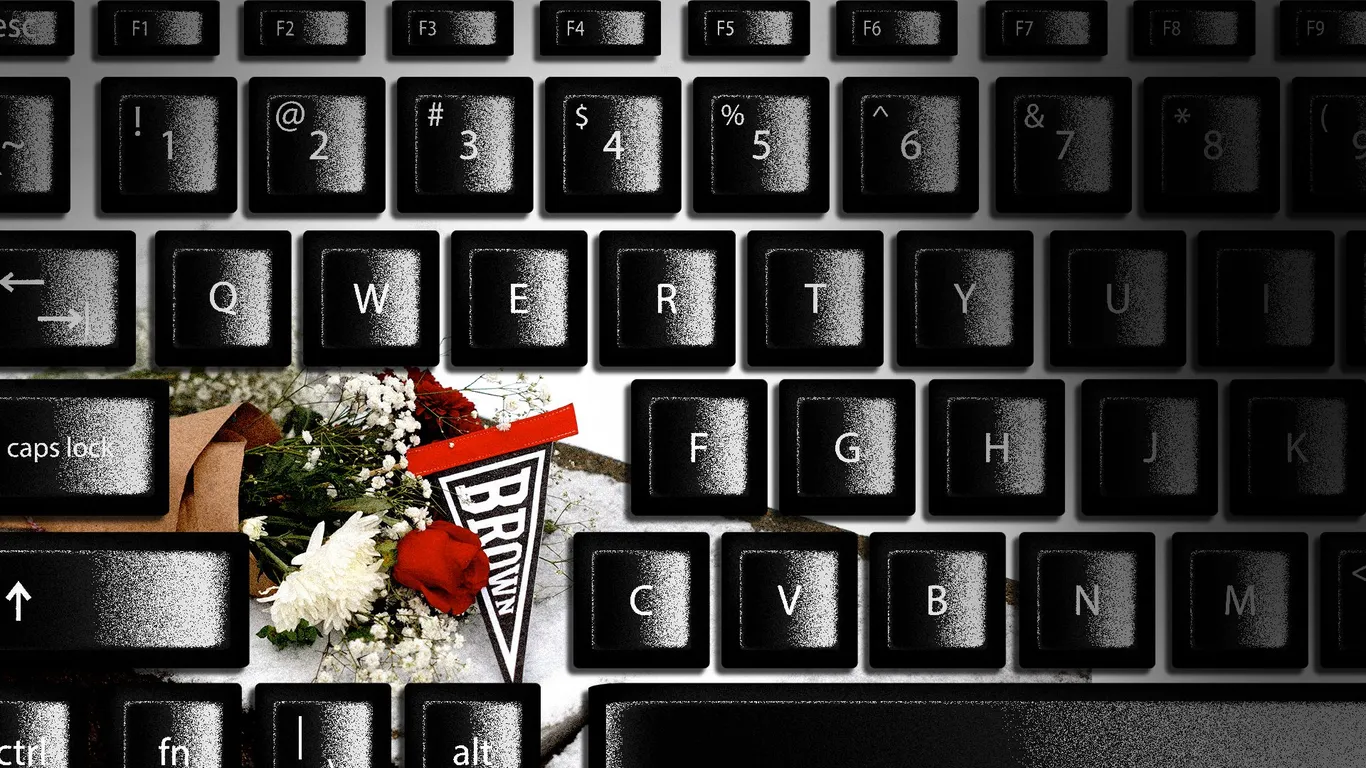
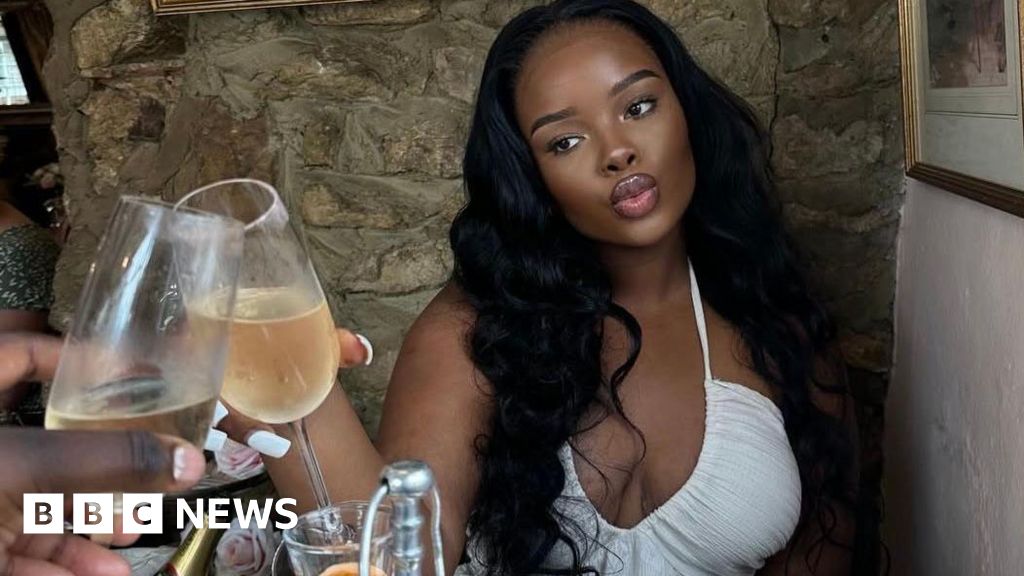
Social media influencers and online vigilantes have falsely targeted innocent individuals, such as Palestinian student Mustapha Kharbouch, amid a tragic shooting at Brown University, highlighting the dangers of rapid misinformation and lack of accountability in the digital age, which often results in real harm to innocent people.
The inaugural TikTok Awards in Hollywood faced technical issues like screen malfunctions but continued with a lively atmosphere, celebrating TikTok creators and influencers with humorous categories and notable winners like Keith Lee and Paris Hilton, emphasizing TikTok's impact on personal and professional lives.
Many women are choosing not to post their boyfriends on social media due to reasons like maintaining independence, privacy, avoiding perceived cringe, and social pressures, reflecting a shift in how relationships are publicly presented and perceived in the digital age.
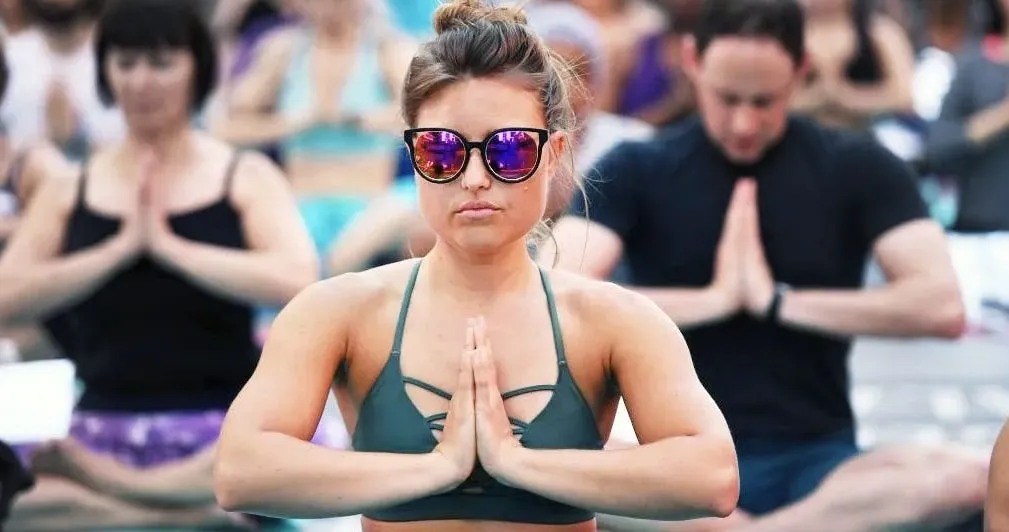
The article discusses how wellness influencers are promoting unscientific health advice and supplements, exploiting women's dissatisfaction with traditional medicine, and contributing to a growing industry driven by profit rather than evidence, leading to a collapse of trust in medical expertise.
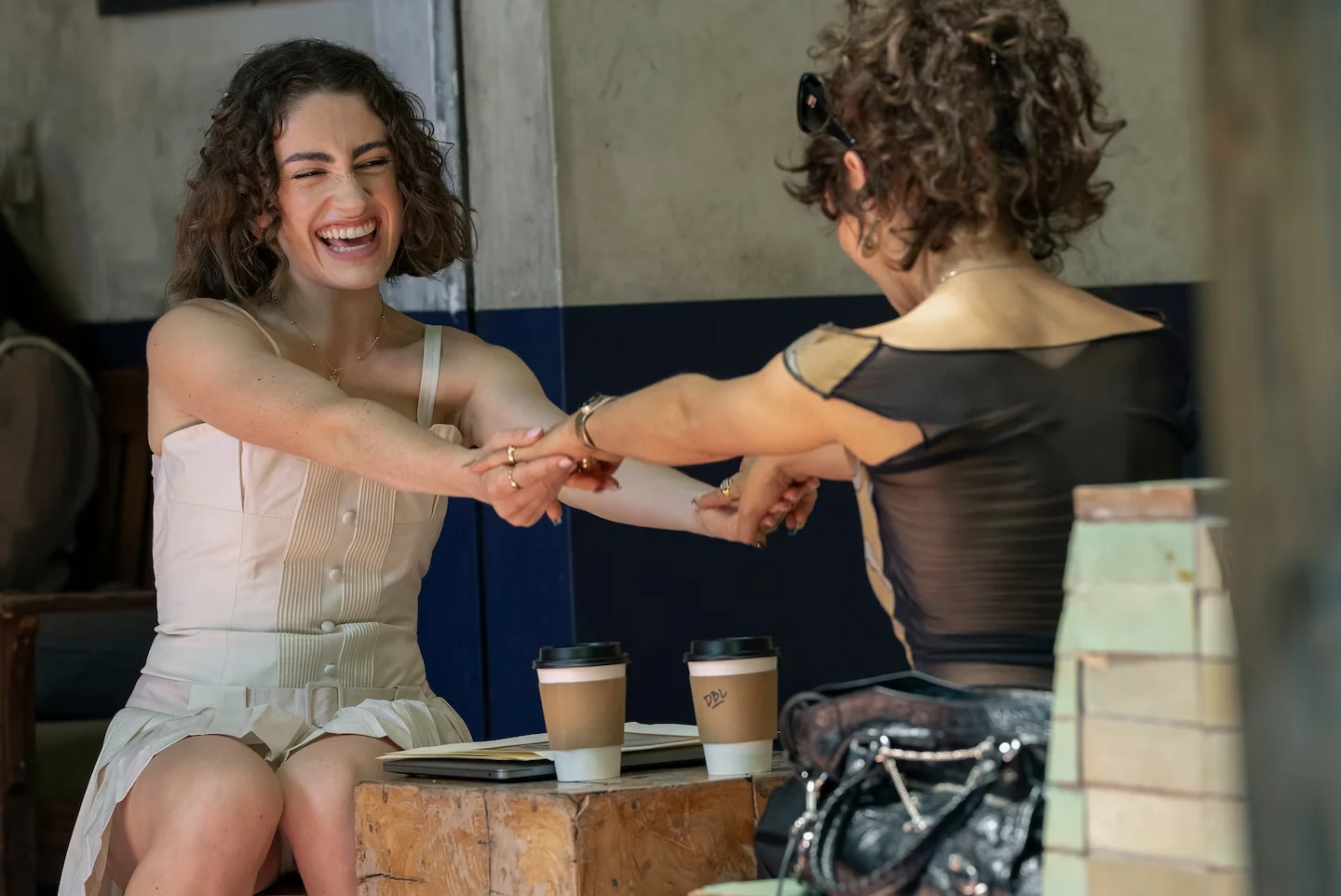
Rachel Sennott's new HBO comedy series 'I Love LA' satirizes the superficial and influencer-driven culture of Los Angeles, highlighting the obsession with designer brands, TikTok fame, and trendy cosmetic procedures.
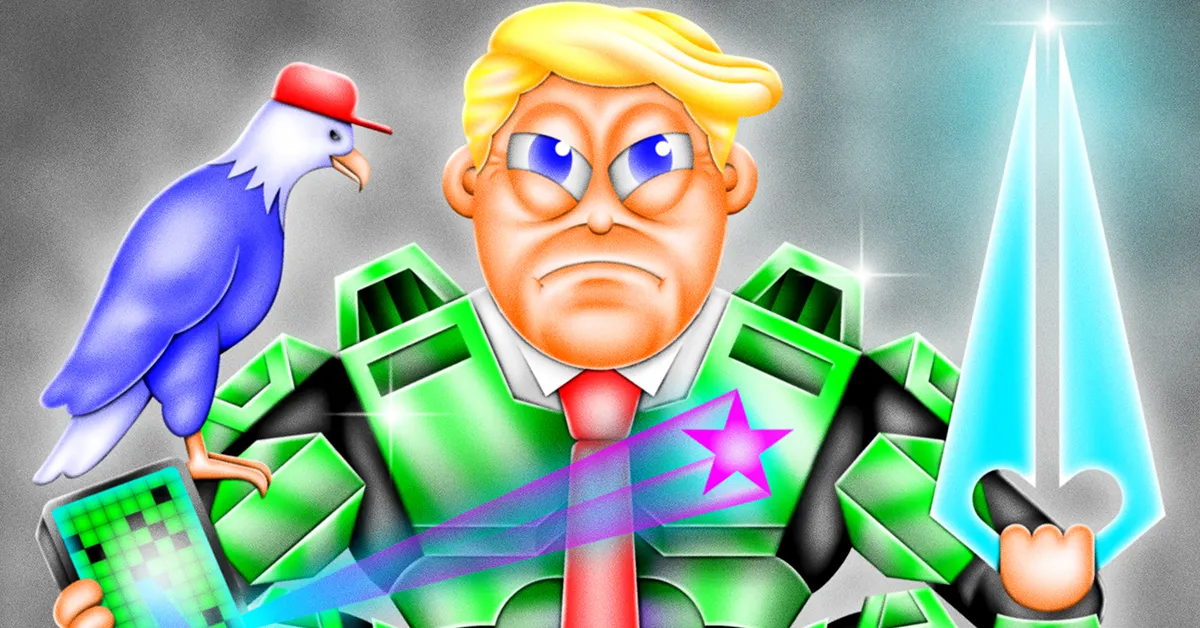
The article discusses how TikTok influencers and supporters believed that Donald Trump would take control of TikTok to make it more friendly to conservative and MAGA-aligned content, and this prediction has largely come true.
The article criticizes certain influencers for their reckless and entitled behavior in public spaces, highlighting issues like hogging locations for photos, lack of self-awareness, and the obsession with documenting everything, which often leads to dangerous or disrespectful situations.