Tag

Gutmicrobiome

All articles tagged with #gutmicrobiome

health1 year ago

What Your Poop Schedule Reveals About Your Health

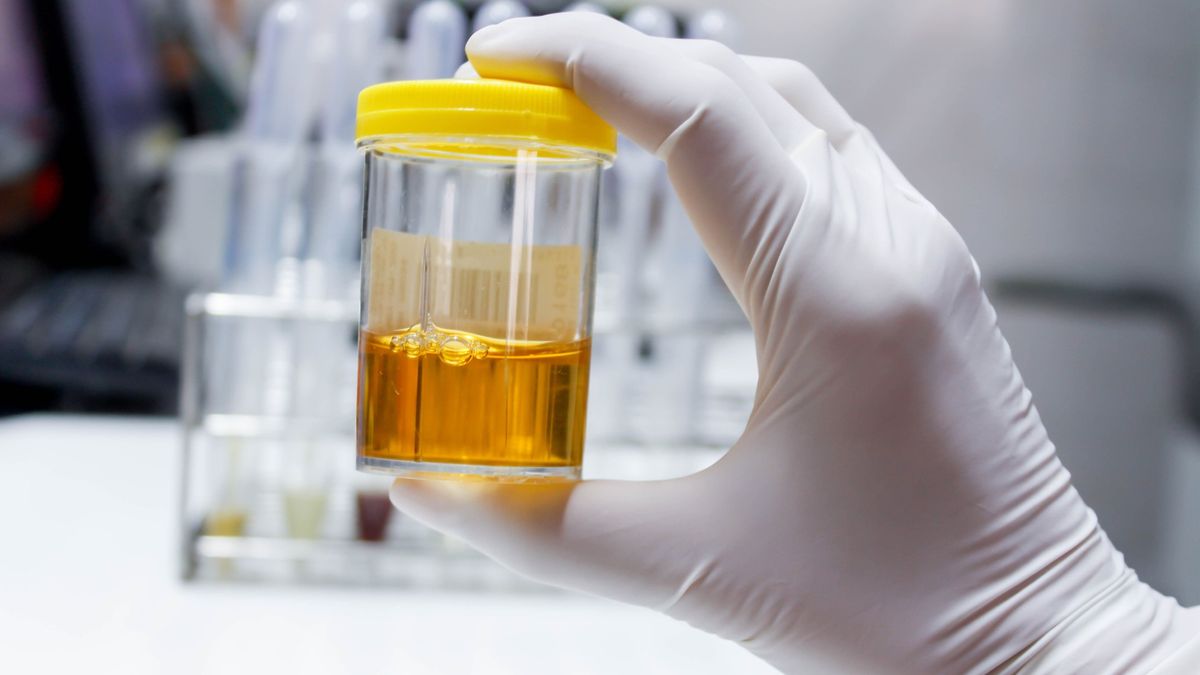
A study in Cell Reports Medicine highlights the importance of regular bowel movements for overall health, linking optimal outcomes to passing stools once or twice daily. Irregular bowel habits, such as constipation and diarrhea, are associated with increased levels of harmful toxins and potential health risks, including kidney burden and liver damage. The research emphasizes the benefits of a plant-rich diet, hydration, and physical activity in maintaining healthy bowel frequency. Further studies are suggested to explore bowel management's role in disease prevention.
health1 year ago

Potential Breakthrough Drug Targets Rising Colon Cancer in Youth

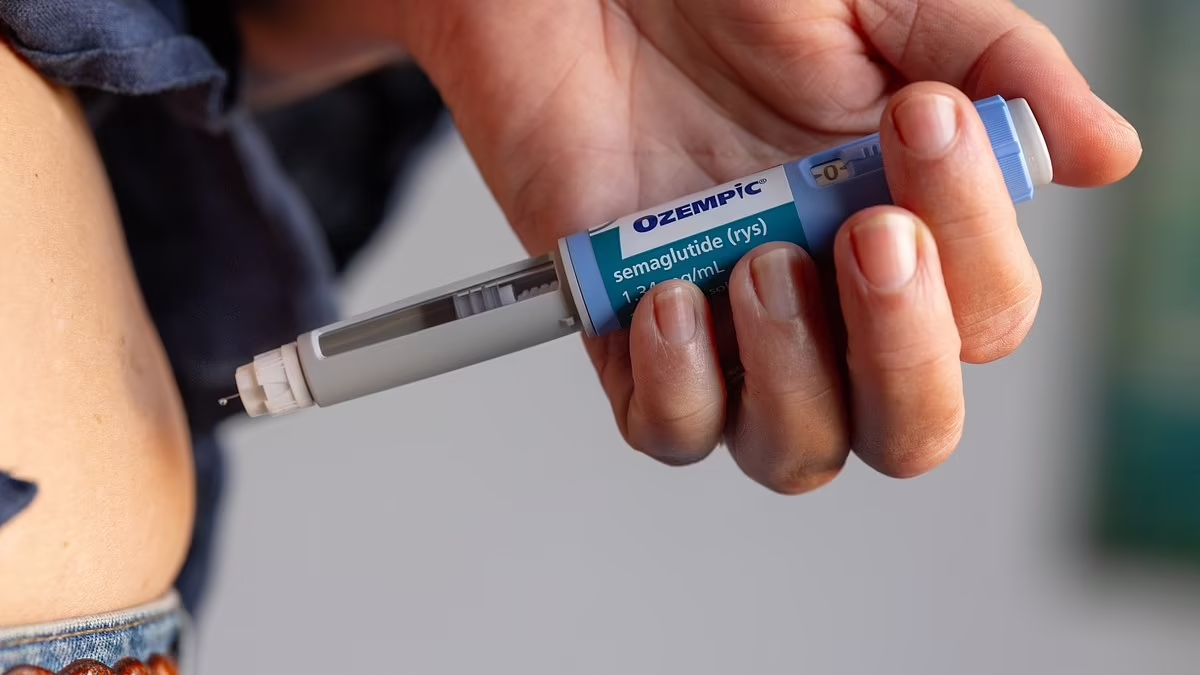
Scientists are exploring the potential of weight loss drugs like Ozempic and Mounjaro to combat the rising incidence of colorectal cancer in young people. These drugs, known as GLP-1 agonists, may help prevent gut bacteria changes linked to cancer. With funding from Cancer Research UK, trials will test their effectiveness in reducing early onset tumors. The rise in young adult cancer cases is suspected to be linked to obesity, diet, and environmental factors. The research aims to understand how these drugs and dietary changes can impact cancer risk.

science-and-health2 years ago

"Researchers Uncover Enzyme Behind the Mystery of Yellow Urine"

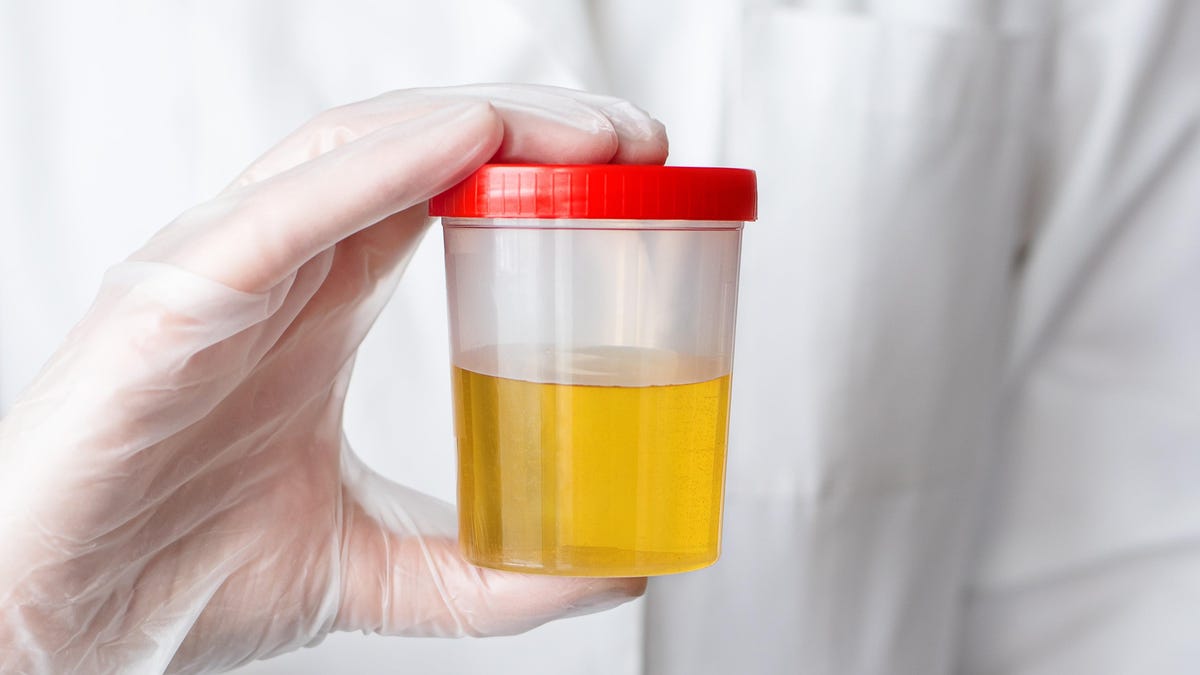
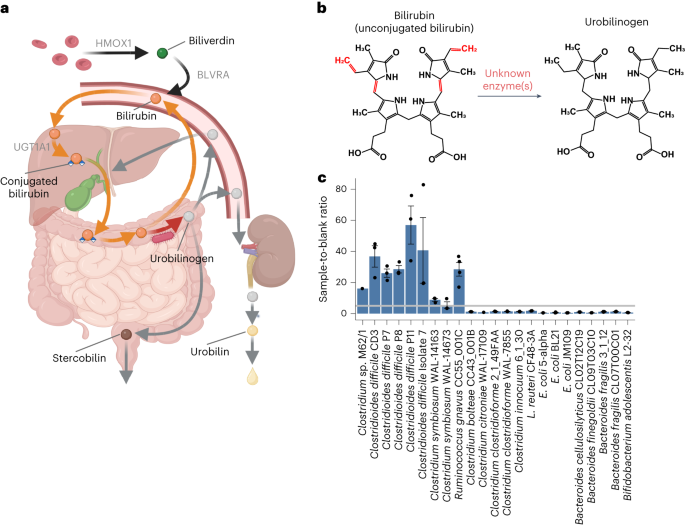
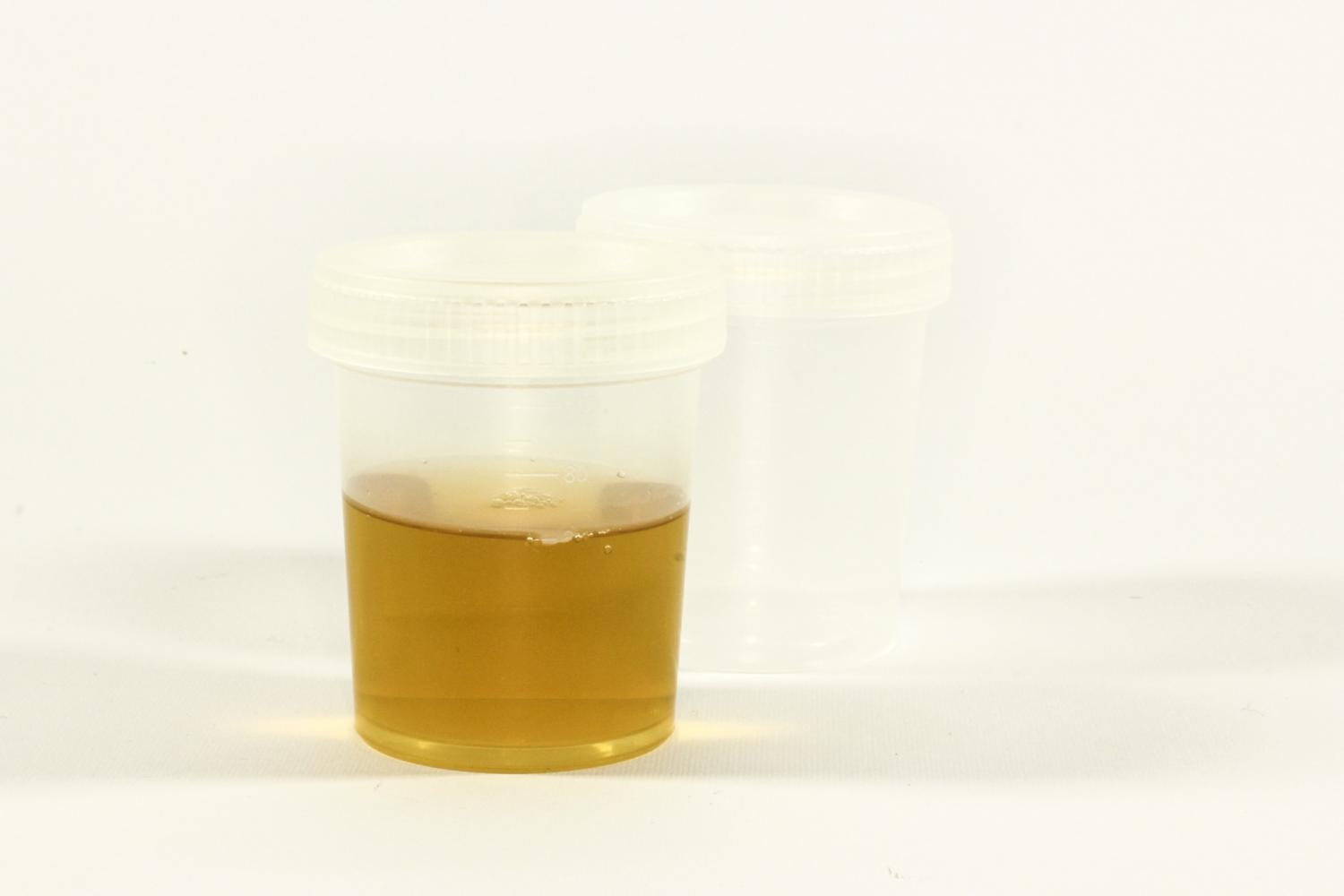
Researchers have identified the enzyme bilirubin reductase, produced by gut bacteria, as the key factor in giving urine its yellow color. This discovery, published in Nature Microbiology, enhances our understanding of how the body processes old red blood cells and the role of the gut microbiome in health conditions like jaundice and inflammatory bowel disease (IBD). The enzyme converts bilirubin into urobilinogen, which then degrades into the yellow pigment urobilin. The presence of the gene for bilirubin reductase was found in 99.9% of healthy adults but was less prevalent in individuals with IBD and young infants, who are more susceptible to jaundice.

science-and-health2 years ago

"Study Highlights Gut Bacteria's Versatile Use of Metabolites for Human Health"

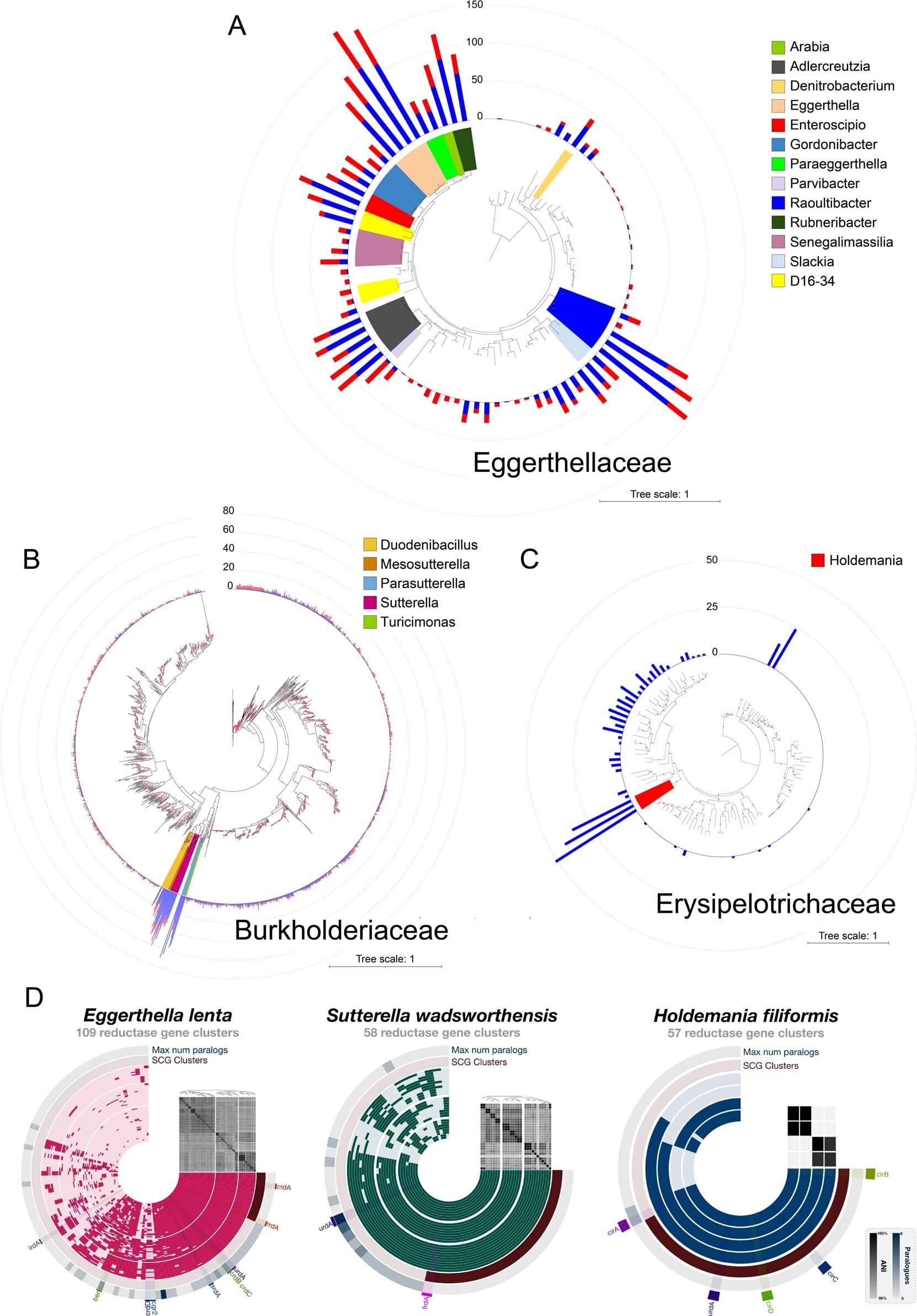
Researchers at the University of Chicago have discovered that certain gut bacteria possess a vast array of genes enabling them to use a variety of metabolites for anaerobic respiration, a process that generates energy in the absence of oxygen. These findings, published in Nature Microbiology, reveal that these bacteria can thrive in the gut's complex environment by utilizing 22 different metabolites, which may also influence human health. This research enhances our understanding of the gut microbiome's role in health and disease, potentially leading to new dietary or pharmacological interventions to manage conditions like type 2 diabetes or infections by modulating metabolite pathways.

health-and-science2 years ago

"Gut Microbe Chemical Linked to Obesity Prevention in Mice"

Researchers at Vanderbilt University have discovered that a chemical called phenyllactic acid, produced by gut microbes such as Lactobacillus, can prevent obesity in mice by blocking fat secretion in intestinal cells. This finding suggests a potential link between early antibiotic exposure, changes in gut microbiota, and childhood obesity. The study indicates that phenyllactic acid could serve as a protective agent against metabolic dysfunction caused by a high-fat diet and antibiotics, a mechanism that might also be relevant in humans, as our gut systems share similar components. The research highlights the importance of maintaining a healthy gut microbiome through diet and potentially probiotics.

science-and-health2 years ago

"Enzyme Discovery: The Key to Unlocking the Mystery of Urine's Yellow Color"

Researchers have discovered the enzyme, named bilirubin reductase (BilR), that gut bacteria produce to break down bilirubin, leading to the yellow color of urine. This enzyme is less common in newborns and individuals with inflammatory bowel disease, suggesting a potential link to conditions like jaundice and pigmented gallstones. The study enhances our understanding of the gut microbiome's role in health and could lead to further research on how gut microbes influence bilirubin levels in the blood, particularly in premature infants who are at higher risk for jaundice.

science-and-health2 years ago

"Researchers Reveal the Science Behind Urine's Yellow Hue"

Scientists at the University of Maryland and National Institutes of Health have identified the enzyme bilirubin reductase, produced by gut microbes, as the key factor in creating the yellow color of urine through the conversion of bilirubin into urobilin. This discovery not only explains a long-standing biological question but also has significant implications for understanding health conditions like jaundice and inflammatory bowel disease, and the broader role of the gut microbiome in human health. The study's findings are published in the journal Nature Microbiology.

health-and-medicine2 years ago

"Research Links Gut Microbiota to Increased Social Anxiety Behaviors"

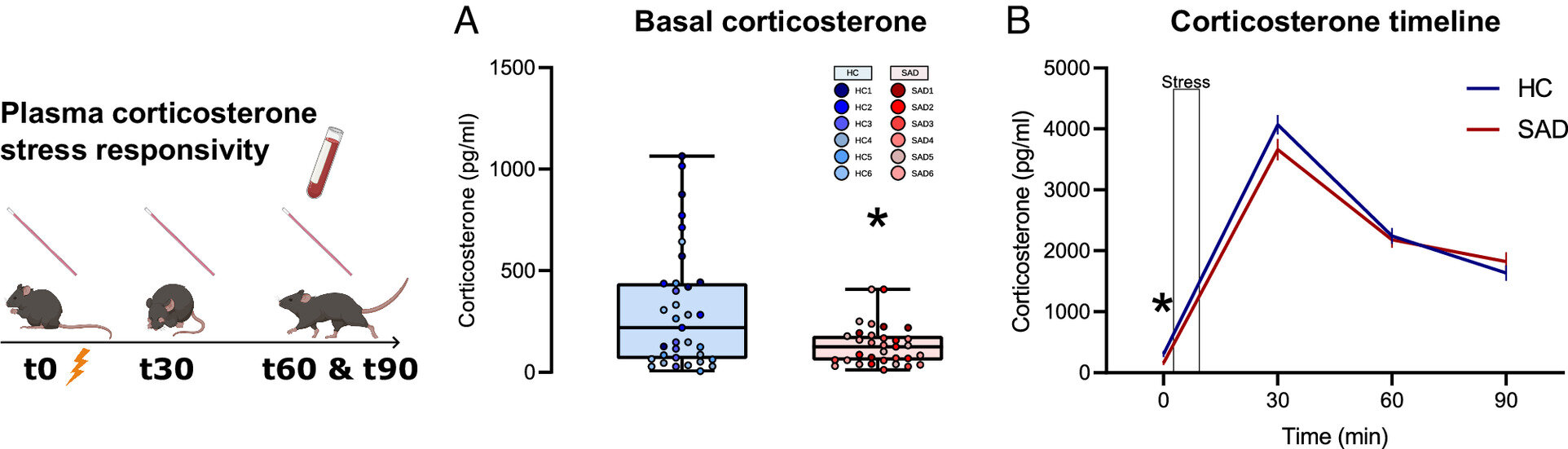
Researchers at University College Cork and University Hospital Frankfurt discovered that the gut microbiome might influence social anxiety disorder (SAD). In a mouse study, fecal transplants from humans with SAD altered the animals' behavior, leading to symptoms of SAD when the mice were exposed to unfamiliar social environments. The study, published in the Proceedings of the National Academy of Sciences, also noted differences in the microbial composition, brain chemicals, and inflammation-promoting factors in the mice receiving SAD-associated microbiota. This research suggests a potential link between gut bacteria and social anxiety, opening avenues for novel treatments.

science-and-health2 years ago

"Exploring BilR: The Microbial Enzyme Transforming Bilirubin in the Gut"

Researchers have identified a gut microbial enzyme named BilR that converts bilirubin into urobilinogen, a key process in the human body's haem degradation pathway. This discovery fills a significant gap in understanding how gut microbiota influence serum bilirubin levels, which are crucial for maintaining health. Bilirubin acts as an antioxidant at moderate levels but can be toxic when elevated. The presence of the bilirubin reductase gene was found to be nearly universal in healthy adults but less prevalent in patients with inflammatory bowel disease and infants, who are at higher risk for jaundice. This breakthrough provides a foundation for further research into disorders related to serum bilirubin homeostasis.

science-and-health2 years ago

"Enzyme Identified as Key Factor in the Yellow Coloration of Urine"

Scientists at the University of Maryland and the National Institutes of Health have identified bilirubin reductase, an enzyme produced by gut microbes, as the key factor in converting bilirubin into urobilin, which gives urine its yellow color. This discovery, published in Nature Microbiology, not only solves a longstanding biological question but also has significant implications for understanding the gut microbiome's influence on conditions like jaundice and inflammatory bowel disease. The presence or absence of bilirubin reductase in individuals could impact health conditions related to bilirubin levels, offering new insights into the gut-liver axis and the overall role of the gut microbiome in human health.

health-and-science2 years ago

"Breakthrough Study Links Gut Microbiota to Social Anxiety Disorder Treatment"

Researchers have discovered a link between the gut microbiome and social anxiety disorder (SAD). A study from University College Cork found that mice receiving gut microbes from humans with SAD exhibited more social fear after conditioning with electric shocks compared to mice with microbes from non-anxious individuals. The study also noted lower levels of social hormones and changes in immune response in the SAD microbiome mice, suggesting that the gut-brain axis plays a significant role in mental health and could lead to new treatments for conditions like social anxiety.