Researchers used high-speed X-ray imaging at SLAC to reveal erased Greek text in a 1,500-year-old palimpsest, uncovering Hipparchus’ ancient star catalog with surprisingly accurate naked-eye coordinates.
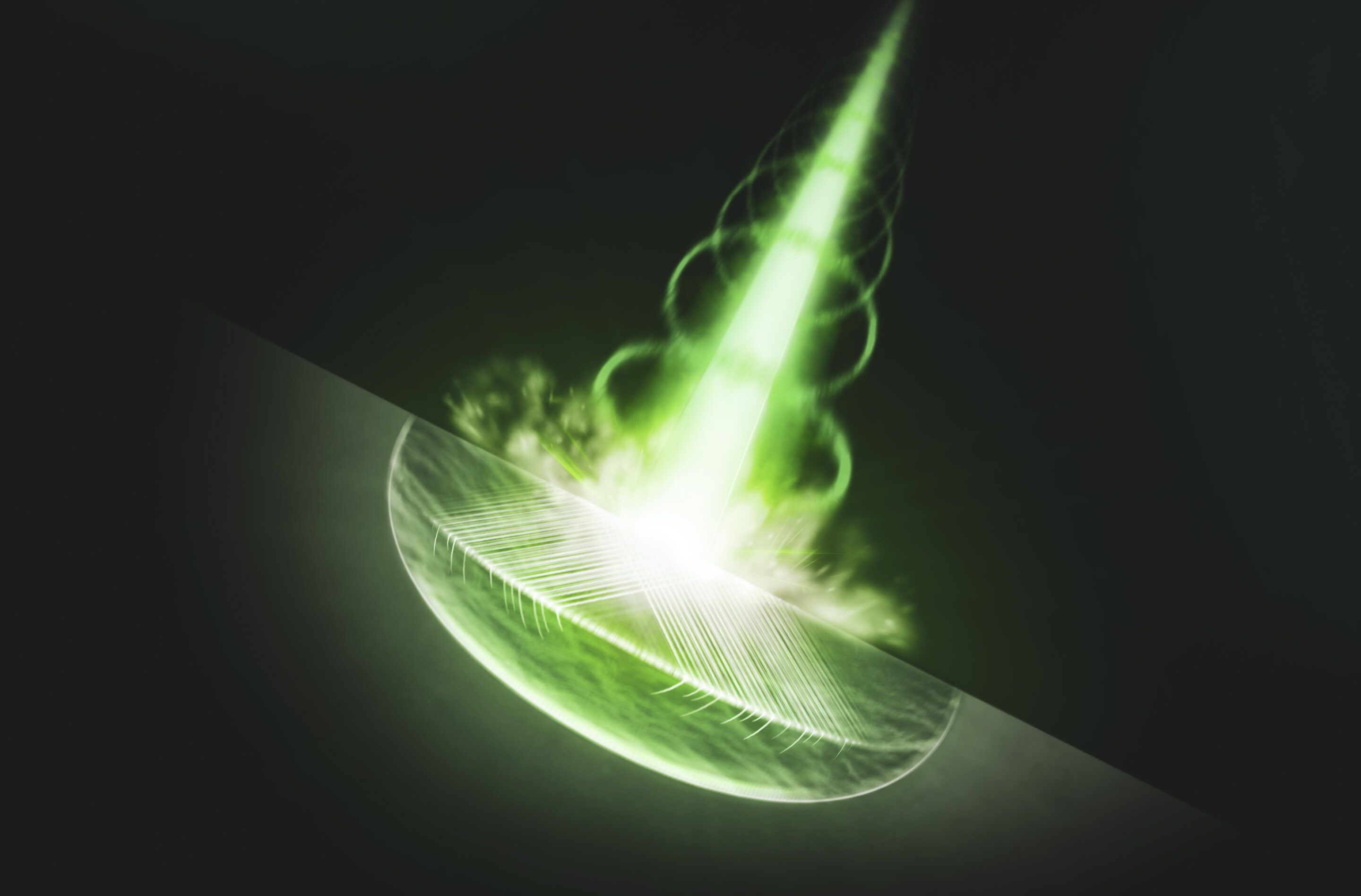
Researchers at SLAC used synchrotron X-ray fluorescence to image a medieval manuscript and reveal erased coordinates from Hipparchus’s star catalog, recovering a highly accurate ancient sky map. The new data can be compared with Ptolemy’s preserved records to reassess attribution and potentially reshape debates about the origins of early astronomy.
Researchers have developed a new method using soft X-rays and supercomputer simulations to measure the magnetic reconnection rate of solar wind energy into Earth's magnetosphere, which could improve space weather forecasting and protect space infrastructure as human activity expands beyond Earth.
Japanese scientists have developed a novel method using soft X-ray imaging to visualize and measure magnetic reconnection in Earth's magnetosphere, which could significantly improve space weather forecasting and protect infrastructure from solar storms.
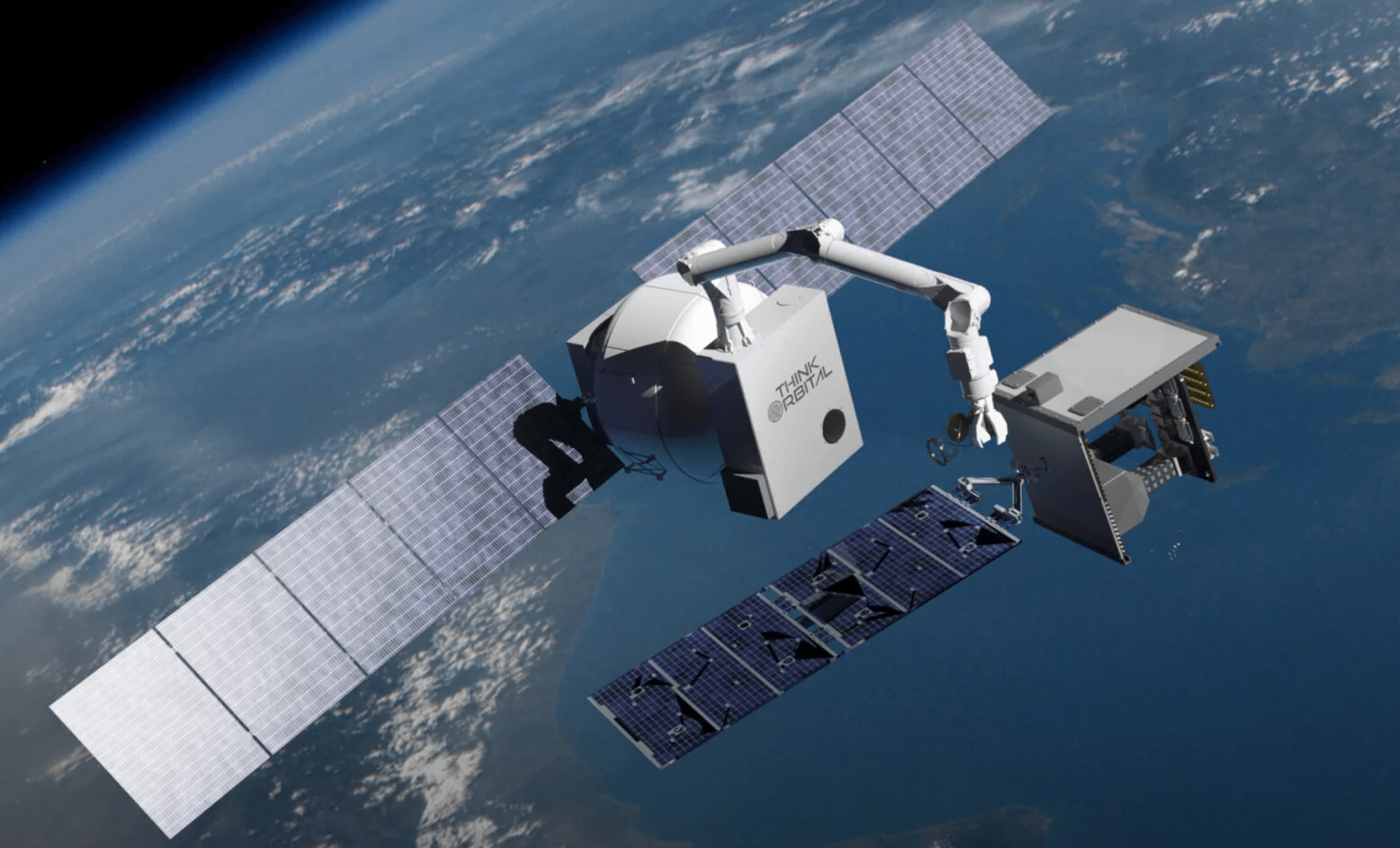
ThinkOrbital is set to demonstrate a robotic arm in space equipped with a welder gun and X-ray imaging capabilities to repair and inspect satellites. This follows their successful autonomous welding experiment aboard a SpaceX mission. The technology has garnered interest from the U.S. military for potential defense applications and is part of ThinkOrbital's broader vision to provide in-orbit repair and maintenance tools. The company is also exploring the development of a spherical habitat for debris recycling and warehousing supplies in space.
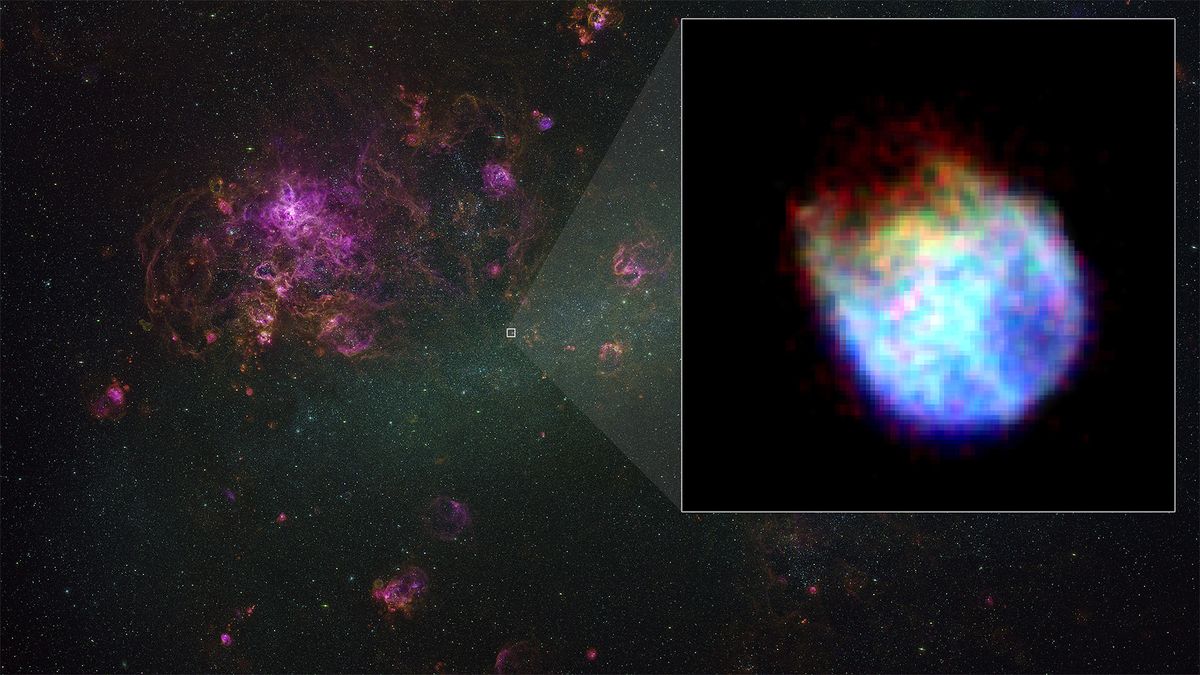
The X-ray Imaging and Spectroscopy Mission (XRISM), a joint project between JAXA and NASA, has released its first test images, including one of the supernova remnant N123D and another of galaxy cluster Abell 2319. The images were captured by the XRISM X-ray space telescope, which is designed to study extreme phenomena in the universe, such as black hole outbursts and super-hot gas clouds around galaxy clusters. The telescope's Resolve instrument revealed elements forged in the original star and blasted away during the supernova explosion, providing insights into the star's original composition and the explosion itself. The Xtend imager also captured an X-ray image of Abell 2319, showcasing its wide field of view.
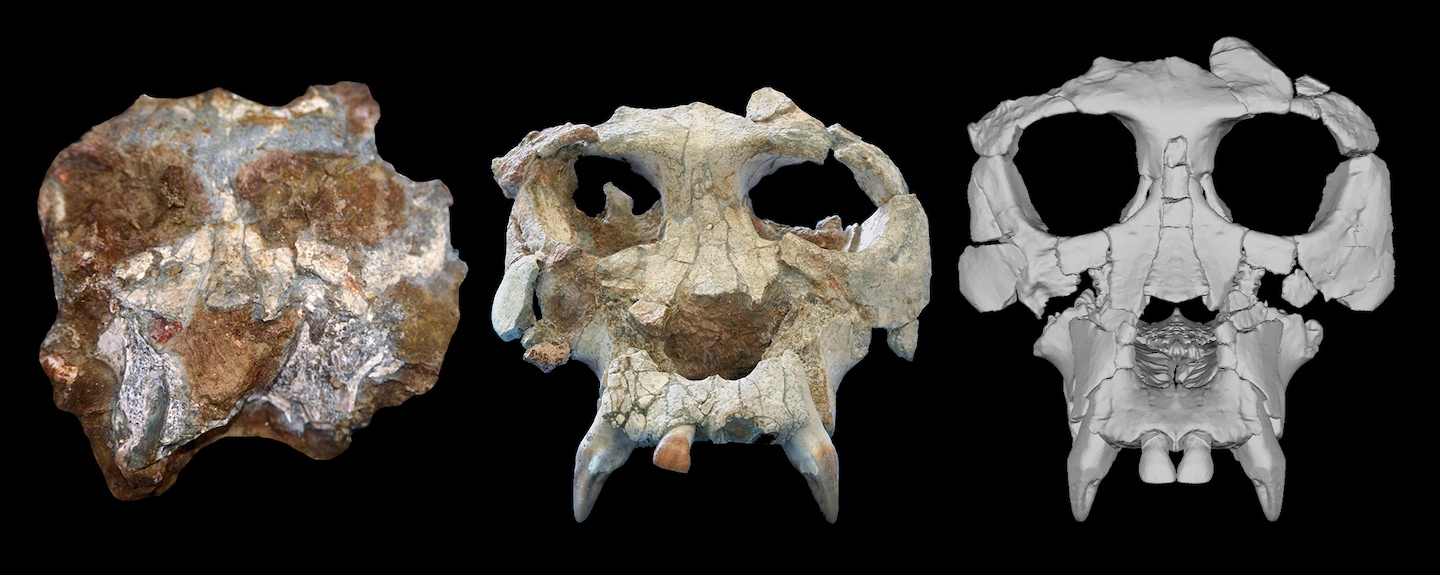
Scientists have reconstructed the face of a 12 million-year-old great ape called Pierolapithecus catalaunicus using advanced X-ray imaging technology. The three-dimensional image provides insights into primate evolution and may offer clues about human origins. The great ape had a mix of physical characteristics, some shared by living primates and others by extinct species. The reconstruction reveals a mosaic of features, including a face similar to modern great apes and shorter hands like those of monkeys. The research sheds light on the changes that have occurred over millions of years of ape evolution.
Researchers have settled a 60-year debate by discovering that tiny linear defects, known as dislocations, can propagate through a material faster than sound waves. These dislocations give metals their strength and workability but can also lead to catastrophic failures. By using X-ray radiography, scientists were able to measure the speed of dislocations propagating through diamond, providing insights into the damage they can cause in extreme conditions. The findings challenge previous assumptions about the fastest possible materials failure and have implications for understanding earthquake ruptures, structural failures, and precision manufacturing.
Researchers have discovered that linear defects, known as dislocations, can propagate through materials faster than sound waves. Using X-ray radiography, scientists measured the speed of dislocations spreading through diamond and found that they travel faster than the transverse speed of sound. This finding has implications for understanding material failure and damage in extreme conditions. The study provides new insights into the behavior of dislocations and challenges previous assumptions about the fastest possible materials failure.
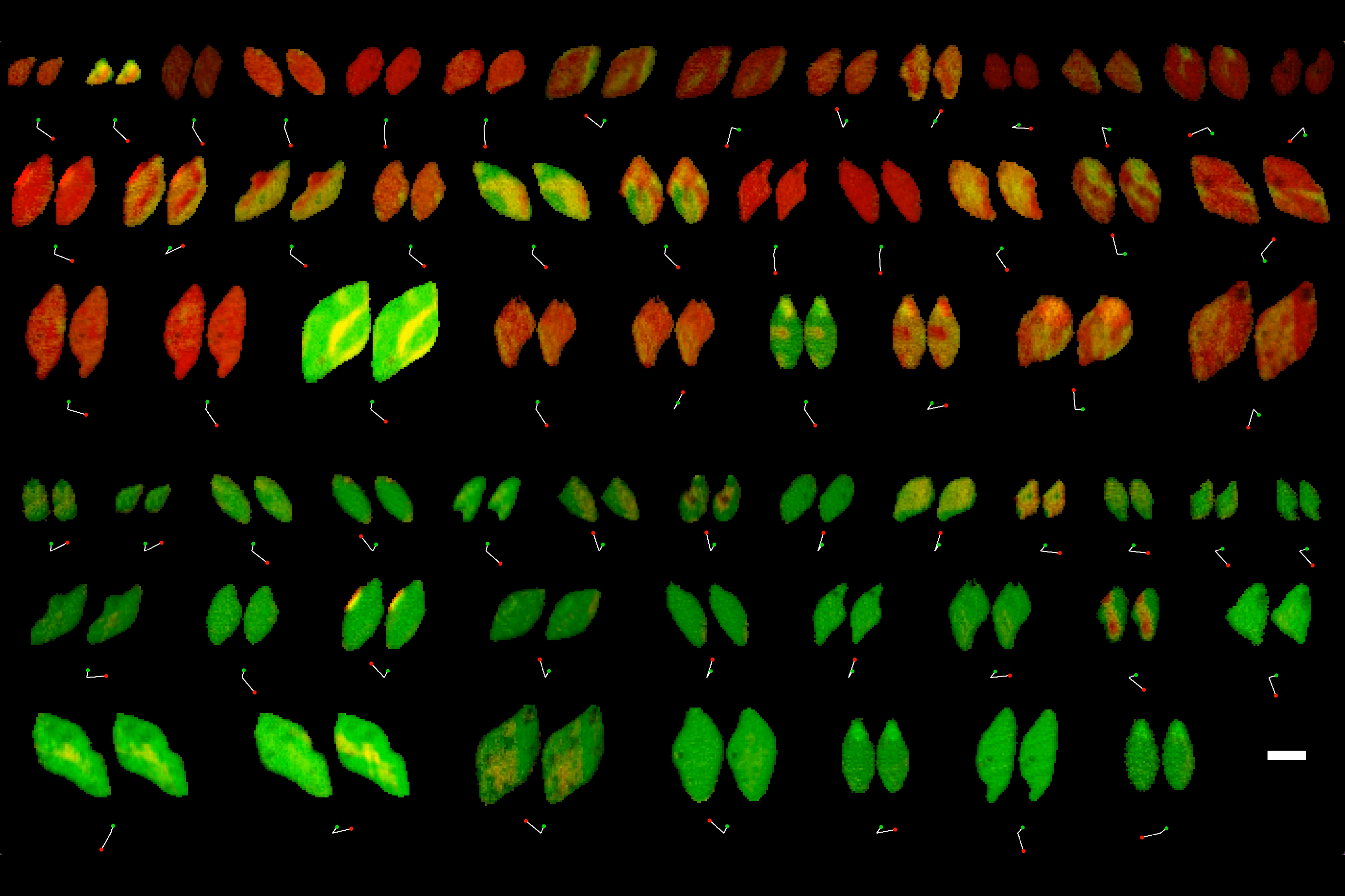
Researchers from SLAC, Stanford, MIT, and Toyota Research Institute have used machine learning and computer vision to analyze X-ray movies of lithium ions flowing in and out of battery electrode nanoparticles. By extracting pixel-by-pixel information, they were able to uncover unprecedented physical and chemical details of battery cycling. The study focused on lithium iron phosphate (LFP) particles, commonly used in lithium-ion batteries, and revealed variations in the rate of lithium insertion reactions within a single particle. The researchers also discovered that the thickness of an LFP particle's carbon coating directly affects the flow rate of lithium ions. This new understanding could lead to more efficient charging and discharging of batteries.
Researchers from MIT, Stanford University, SLAC National Accelerator, and the Toyota Research Institute have used X-ray imaging to analyze lithium iron phosphate, a material commonly used in electric car batteries. The study revealed variations in the rate of lithium intercalation reactions within different regions of the material, which were found to be correlated with differences in the thickness of the carbon coating on the surface of the particles. This finding could lead to improvements in the efficiency of charging and discharging lithium-ion batteries. The technique could also be applied to gain insights into other materials and biological systems.
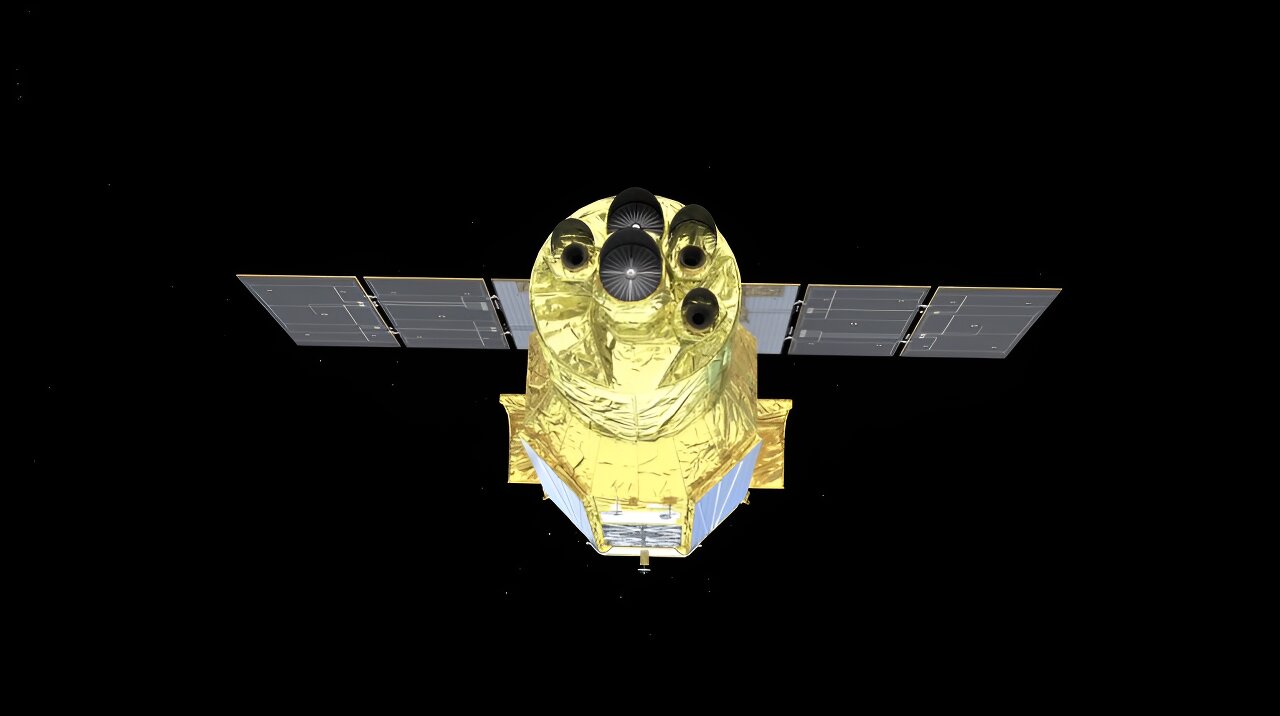
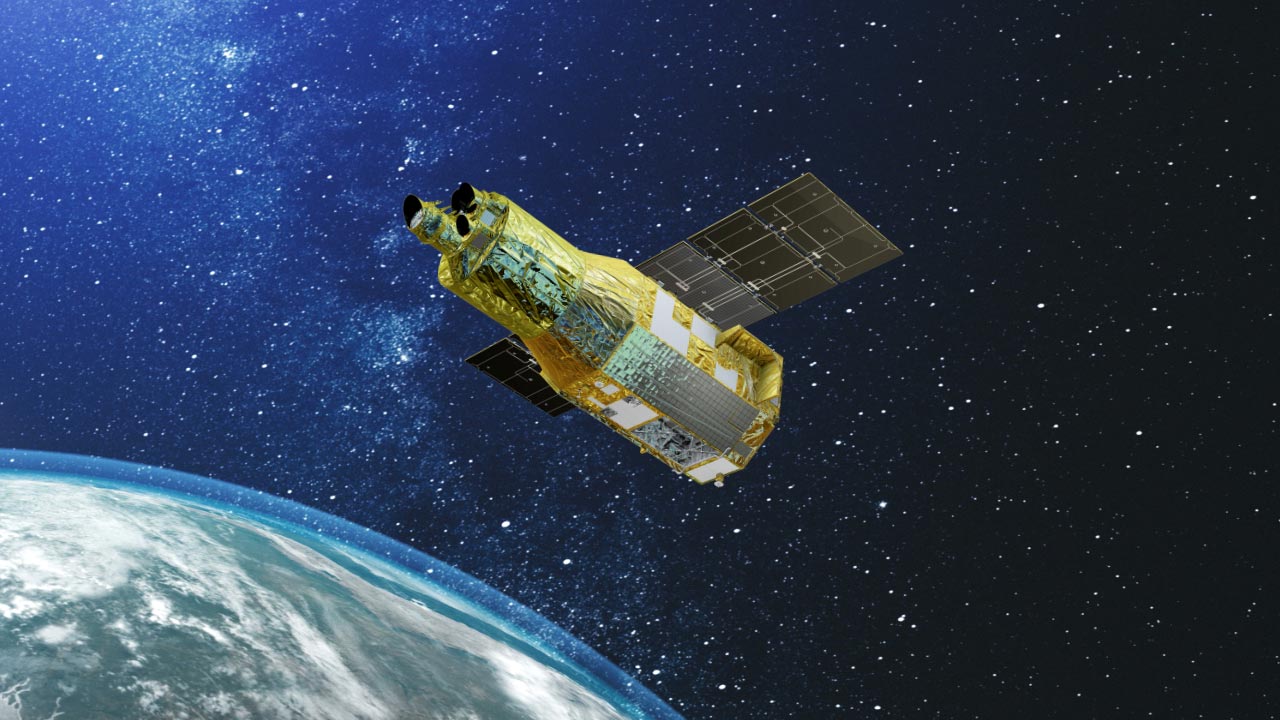
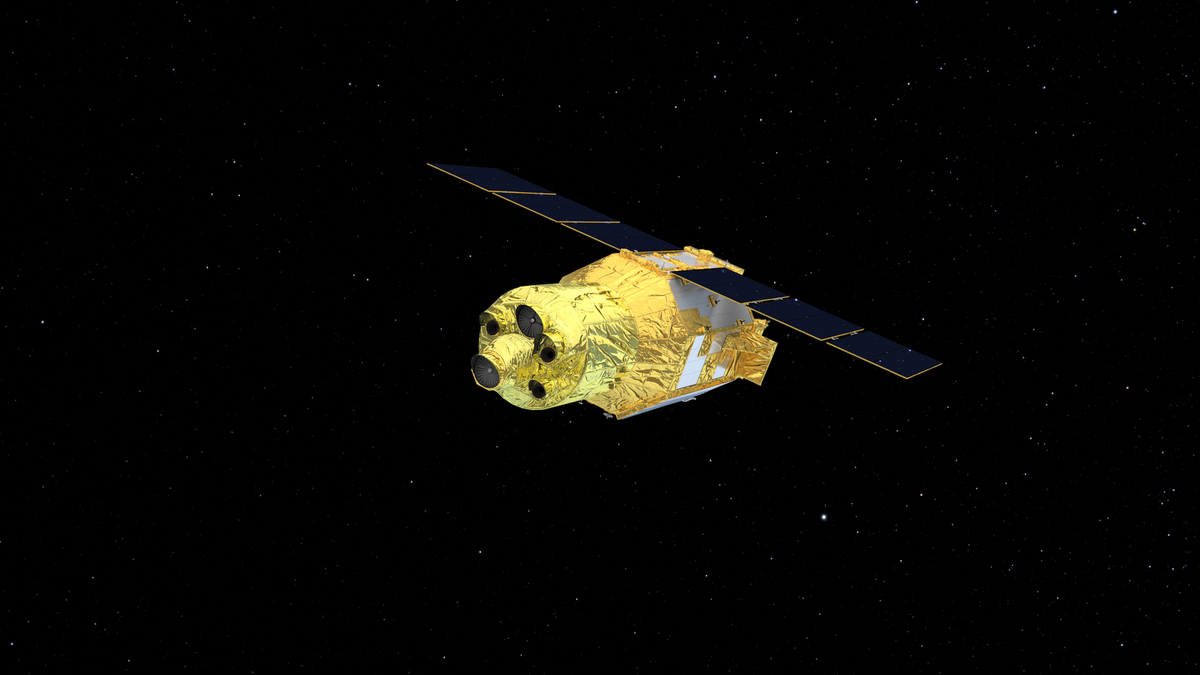
The XRISM satellite, a collaborative mission between JAXA, NASA, and the European Space Agency, has been launched to study the universe using different colors of X-rays. Unlike existing X-ray telescopes, XRISM can distinguish different wavelengths of X-ray light, providing unprecedented information about hot plasma flows, galaxy clusters, black holes, supernovae, and the elemental makeup of the universe. The satellite will also measure gas velocities and the abundances of chemical elements, shedding light on the interactions of supermassive black holes with their host galaxies and the transfer of energy within the universe. XRISM aims to open a new era of high-resolution X-ray spectroscopy and is expected to provide groundbreaking discoveries in astrophysics.
The launch of Japan's X-Ray Imaging and Spectroscopy Mission (XRISM) has been postponed due to unfavorable upper winds. XRISM, a collaborative mission between JAXA, NASA, and ESA, aims to study celestial X-ray objects with high-resolution spectroscopy and imaging. The payload includes Resolve, a soft X-ray spectrometer, and Xtend, a soft X-ray imager. The new launch date will be announced once confirmed.
The X-ray Imaging and Spectroscopy Mission (XRISM) is set to launch on August 25, aiming to study massive cosmic phenomena using instruments capable of measuring the heat of a single X-ray photon. Led by JAXA with collaboration from NASA, the mission will provide insights into difficult-to-study areas such as neutron stars and black hole-powered particle jets in active galaxies. XRISM will utilize a spectrometer called Resolve, which can catalog millions of ultra-high-resolution measurements, and a complimentary instrument called Xtend to capture images within a wider field of view than any previous X-ray imaging satellite.
Two historians suggest that Rosalind Franklin, an expert in X-ray imaging, was more a collaborator than just a victim in the discovery of DNA's double helix structure. While James Watson and Francis Crick did rely on research from Franklin and her lab without their permission, the historians found new details that challenge the simplistic narrative that Watson and Crick stole data from Franklin. The historians suggest that Franklin contributed more than just one photograph along the way and that the four researchers were equal collaborators in the work.