Researchers at SLAC used synchrotron X-ray fluorescence to image a medieval manuscript and reveal erased coordinates from Hipparchus’s star catalog, recovering a highly accurate ancient sky map. The new data can be compared with Ptolemy’s preserved records to reassess attribution and potentially reshape debates about the origins of early astronomy.
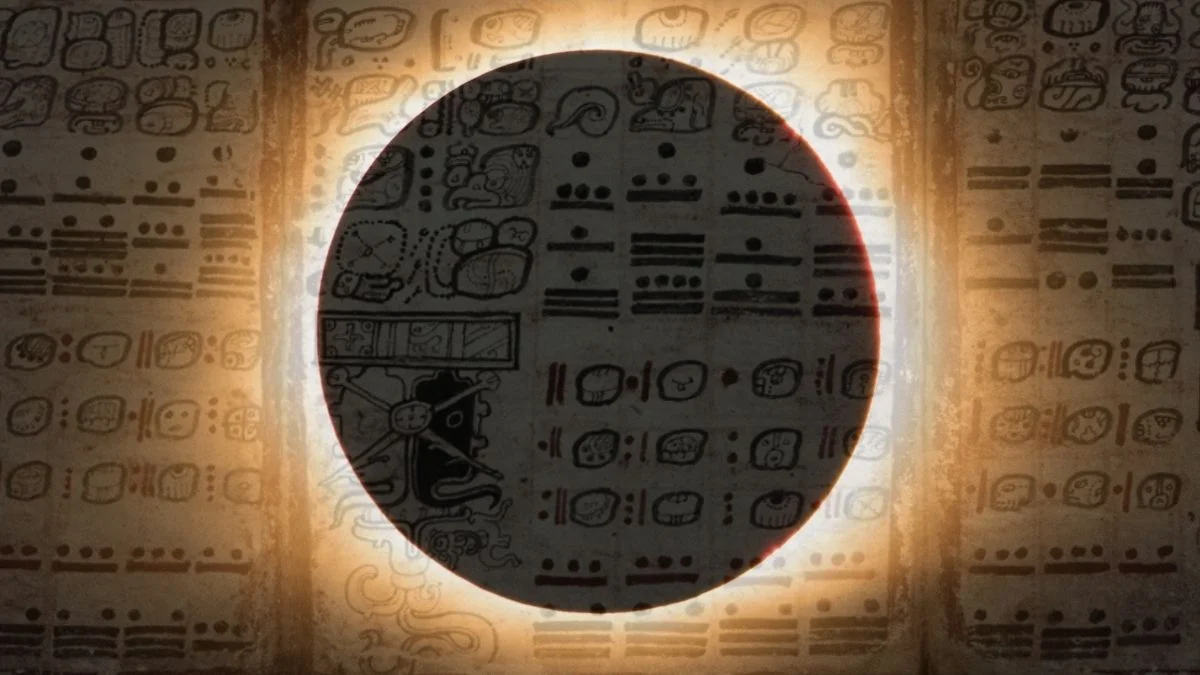
Researchers have uncovered how the Maya used a sophisticated calendar system, detailed in the Dresden Codex, to predict solar eclipses with remarkable accuracy between 350 and 1150 CE by starting new tables at specific months to correct for accumulated errors, revealing advanced mathematical and astronomical knowledge.
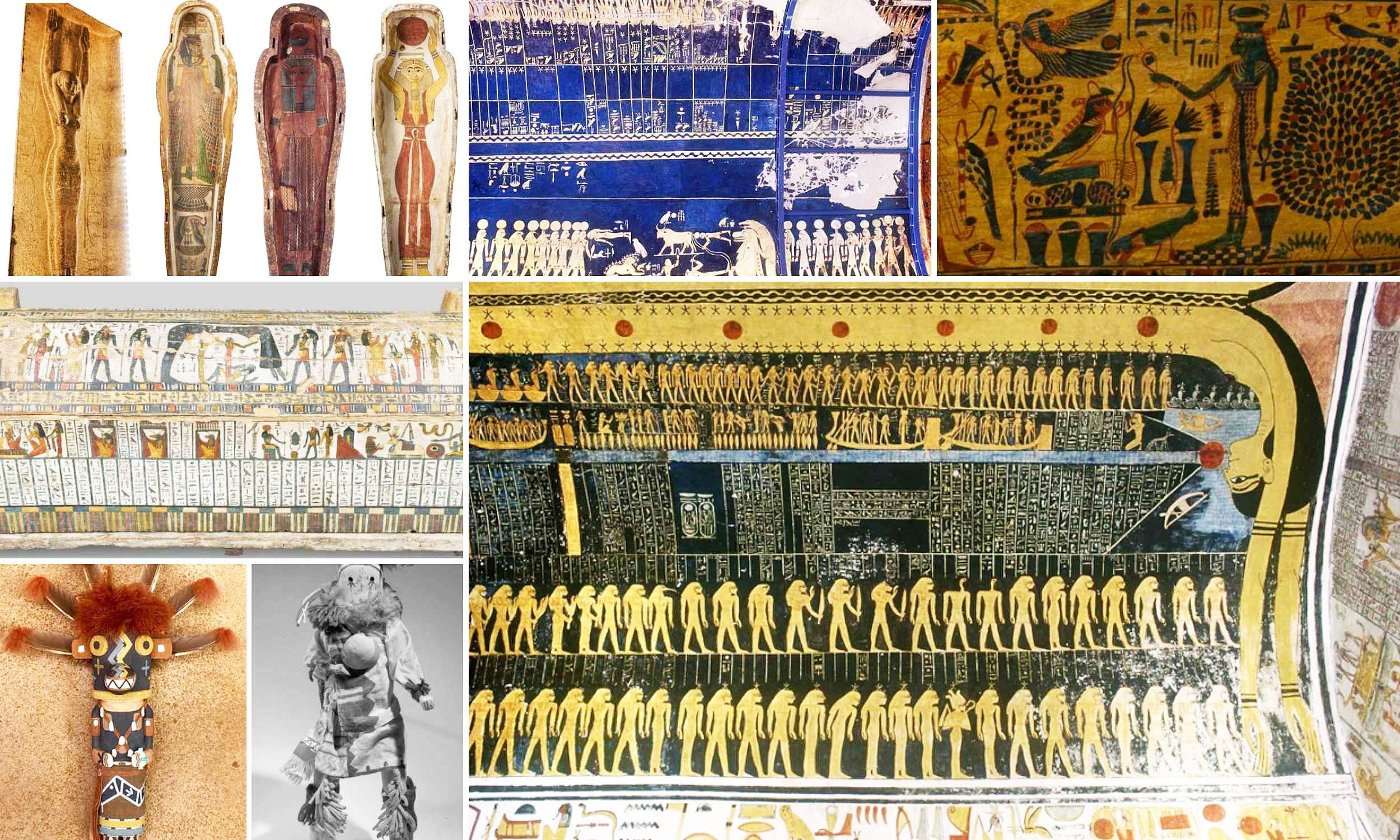
Researchers have identified the oldest known depiction of the Milky Way in an Egyptian sarcophagus, where the goddess Nut's figure and a dark, wavy curve likely represent the galaxy's Great Rift, highlighting ancient Egyptians' sophisticated observations of the night sky and their integration of astronomy with religious symbolism.
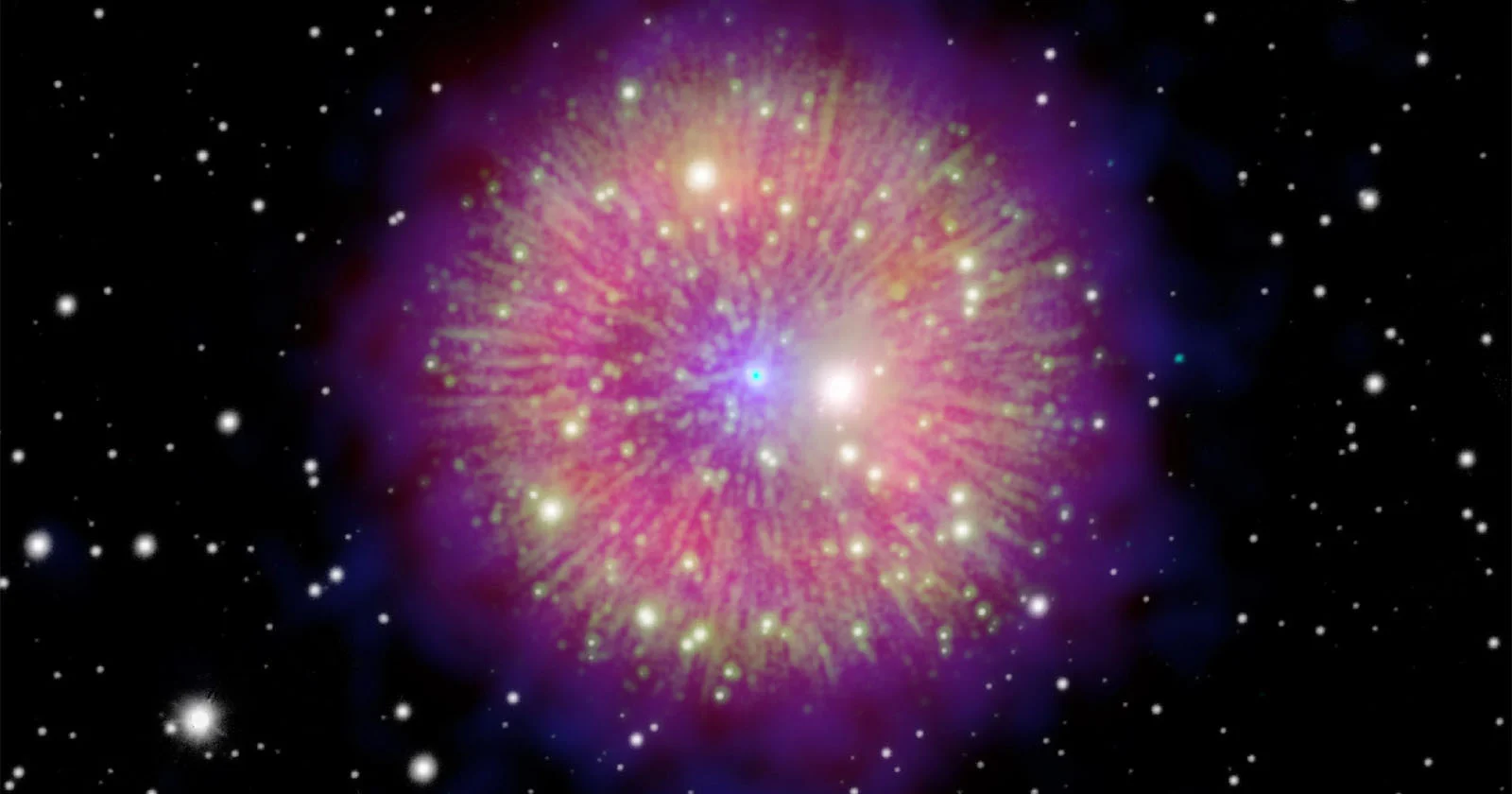
Scientists have identified the remains of a supernova that appeared in 1181, known as SN 1181, as the nebula Pa 30 in the constellation Cassiopeia. This discovery was made through the analysis of its chemical composition, suggesting it resulted from a sub-luminous Type Iax event, a special type of supernova. The nebula's central star, one of the hottest in the Milky Way, and its unique properties make it an exceptional opportunity for studying rare explosions. This finding sheds light on a historical astronomical event and provides valuable insights into the nature of supernovae.
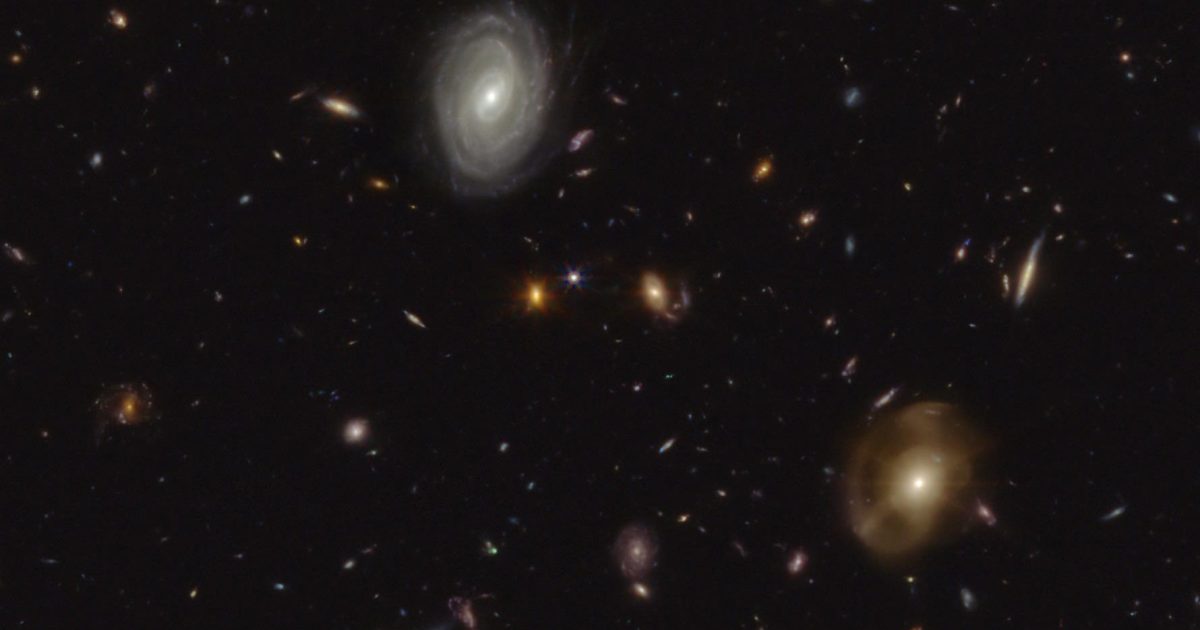
Humanity's understanding of the universe has evolved over time, with ancient peoples observing and cataloging celestial phenomena thousands of years ago. Key milestones include the prediction of eclipses by the Babylonians, the measurement of Earth's circumference by Eratosthenes, and Aristarchus' estimation of the Moon's size and distance. The discovery of planetary motion in ellipses, the periodic nature of comets, and the existence of distant planets expanded our knowledge. Modern breakthroughs include the measurement of galactic distances, the confirmation of the Big Bang, the discovery of dark matter and dark energy, and the observational evidence for inflation. New discoveries, such as those made by the James Webb Space Telescope, continue to refine our understanding of the cosmos.
A "ring of fire" solar eclipse was witnessed above Chaco Culture National Park in New Mexico, home to ancient Puebloan people and some of the oldest known sun-watchers. The eclipse occurred near the "Rock of the Sun" petroglyph, which is believed to depict a total solar eclipse from 1097. The event attracted eclipse-chasers and archaeoastronomy enthusiasts who marveled at the spectacle and the alignment of the ancient structures. The next total solar eclipse observed from Chaco is not expected until July 3, 2866.