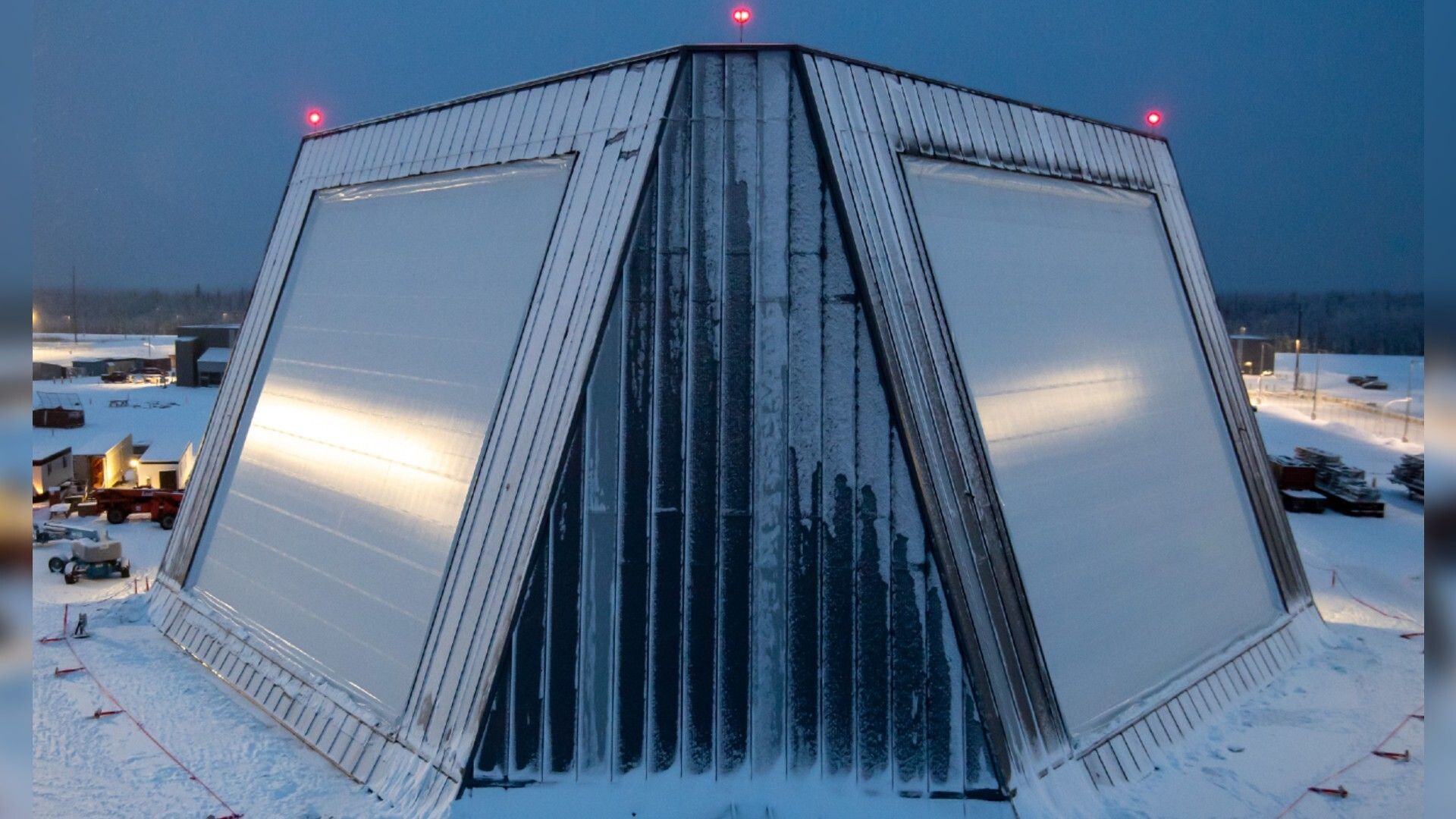
The U.S. Space Force has officially taken control of the Long Range Discrimination Radar (LRDR) at Clear Space Force Station in Alaska, marking its transition from testing to operational use to enhance missile defense capabilities with more precise tracking and faster response times.
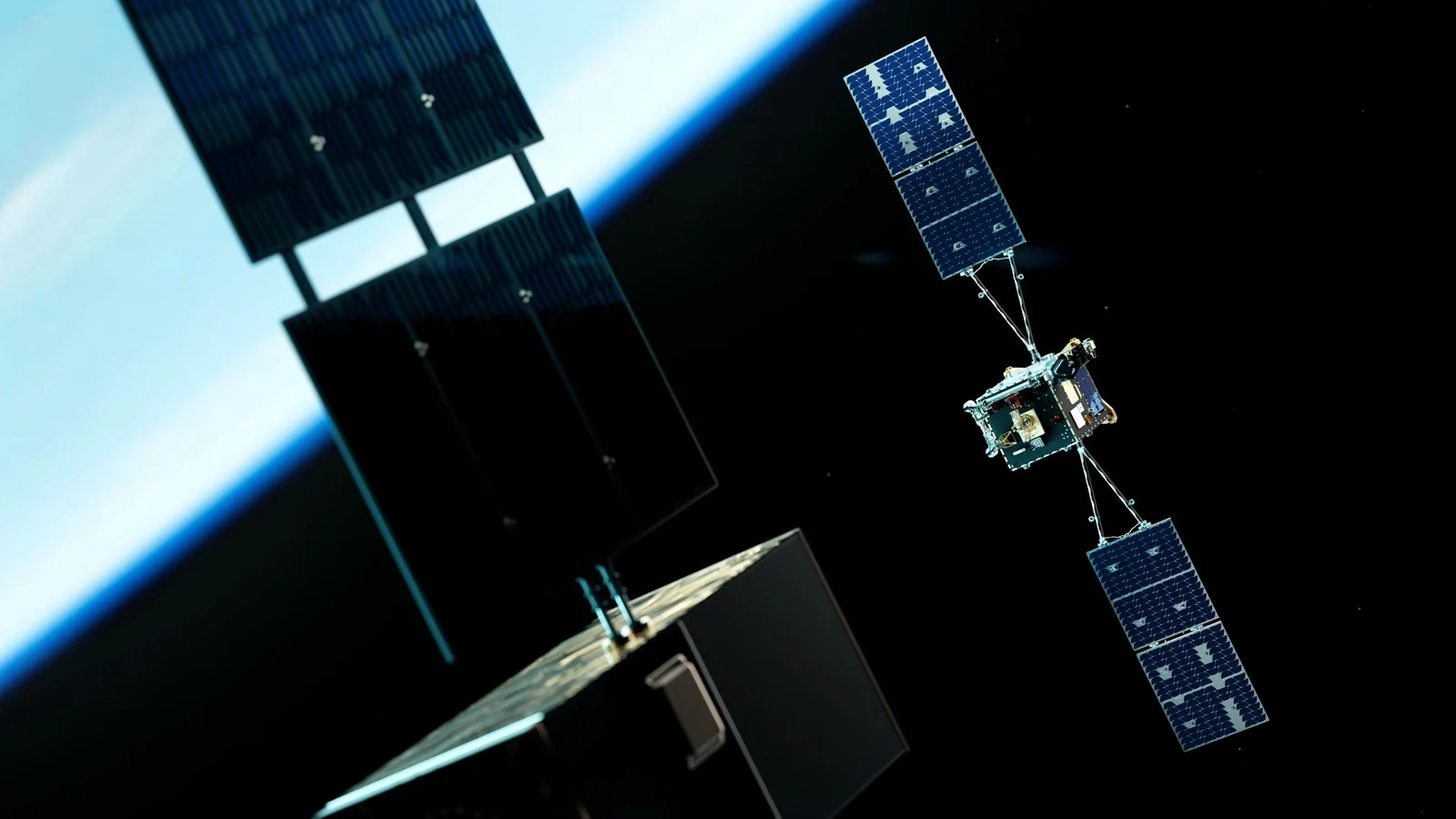
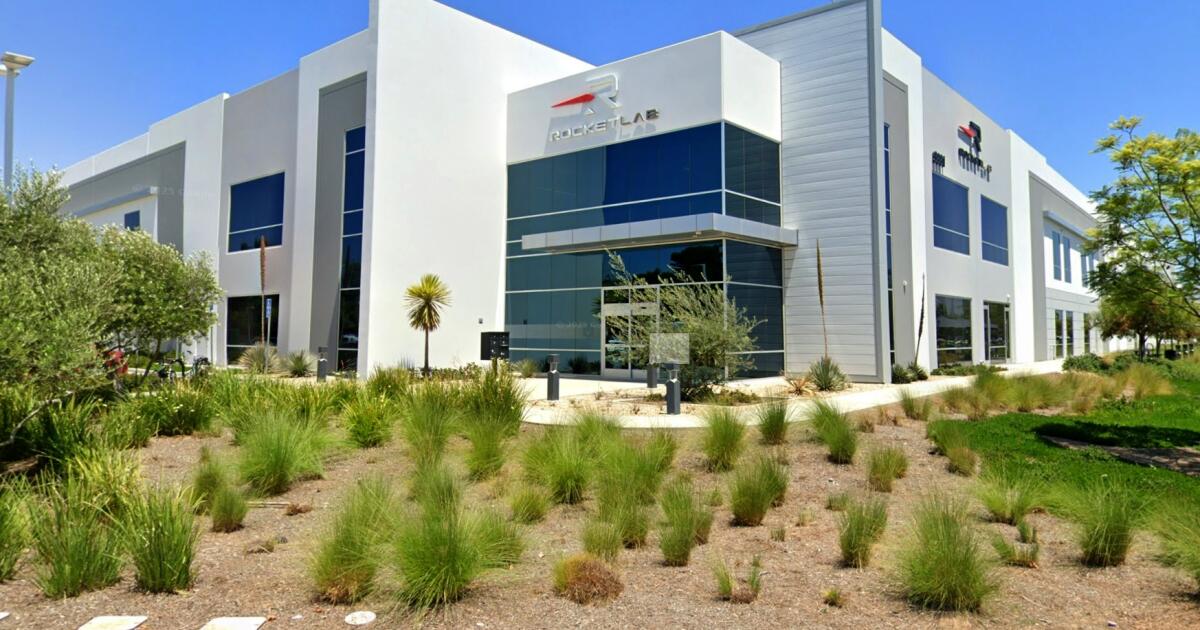
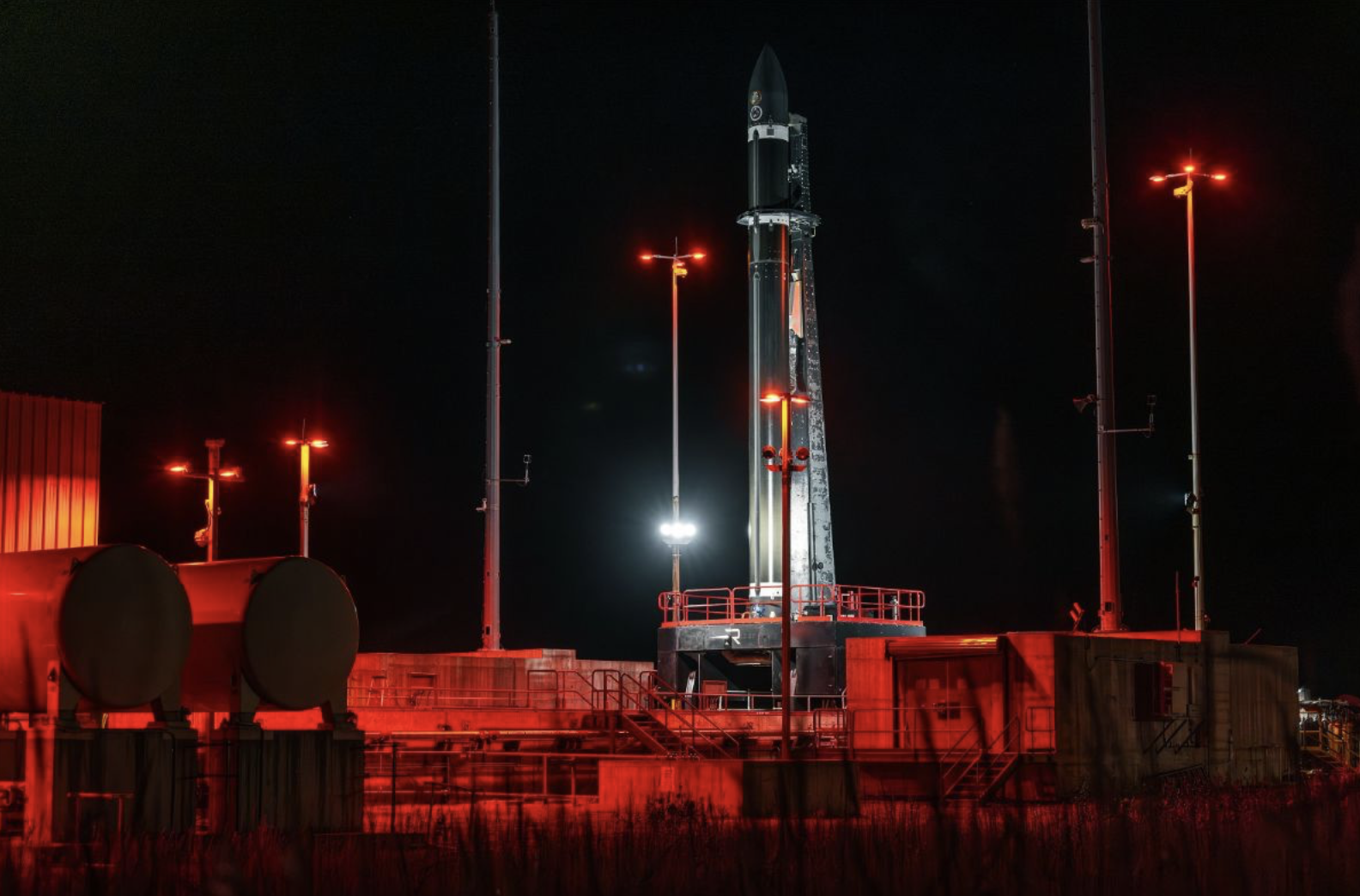
The U.S. Space Force awarded $1.6 billion in contracts to Rocket Lab and Northrop Grumman to build 36 satellites for missile warning and tracking, focusing on hypersonic missile threats, marking significant growth for Rocket Lab as it transitions into a major space contractor.
President Donald Trump signed an executive order outlining a bold American space strategy, including returning to the Moon by 2028, establishing a lunar outpost by 2030, deploying nuclear reactors in space, and promoting private sector investment, all aimed at maintaining U.S. leadership in space exploration, security, and commerce.
Rocket Lab successfully launched four DiskSat small satellites for NASA and the U.S. Space Force to test new low Earth orbit operations, including high power generation and maneuverability in very low Earth orbit, aiming to expand satellite capabilities beyond traditional designs.
The U.S. Space Force has introduced a new satellite naming system using Magic: The Gathering-style cards to give more identity and culture to its satellites, with themes inspired by mythology and nature, aiming to foster a stronger connection among Guardians and make satellite designations more engaging.
The U.S. Space Force has introduced a new satellite naming system using Magic: The Gathering-style cards to give satellites more personality and cultural identity, with themes inspired by mythology and nature, aiming to foster a stronger connection among Guardians and make satellite designations more engaging.
The U.S. Space Force is adopting new thematic names for its weapons and space systems, inspired by categories like Norse mythology and ghosts, to foster a stronger connection and identity among personnel, with the aim of creating more memorable and popular names for its systems.
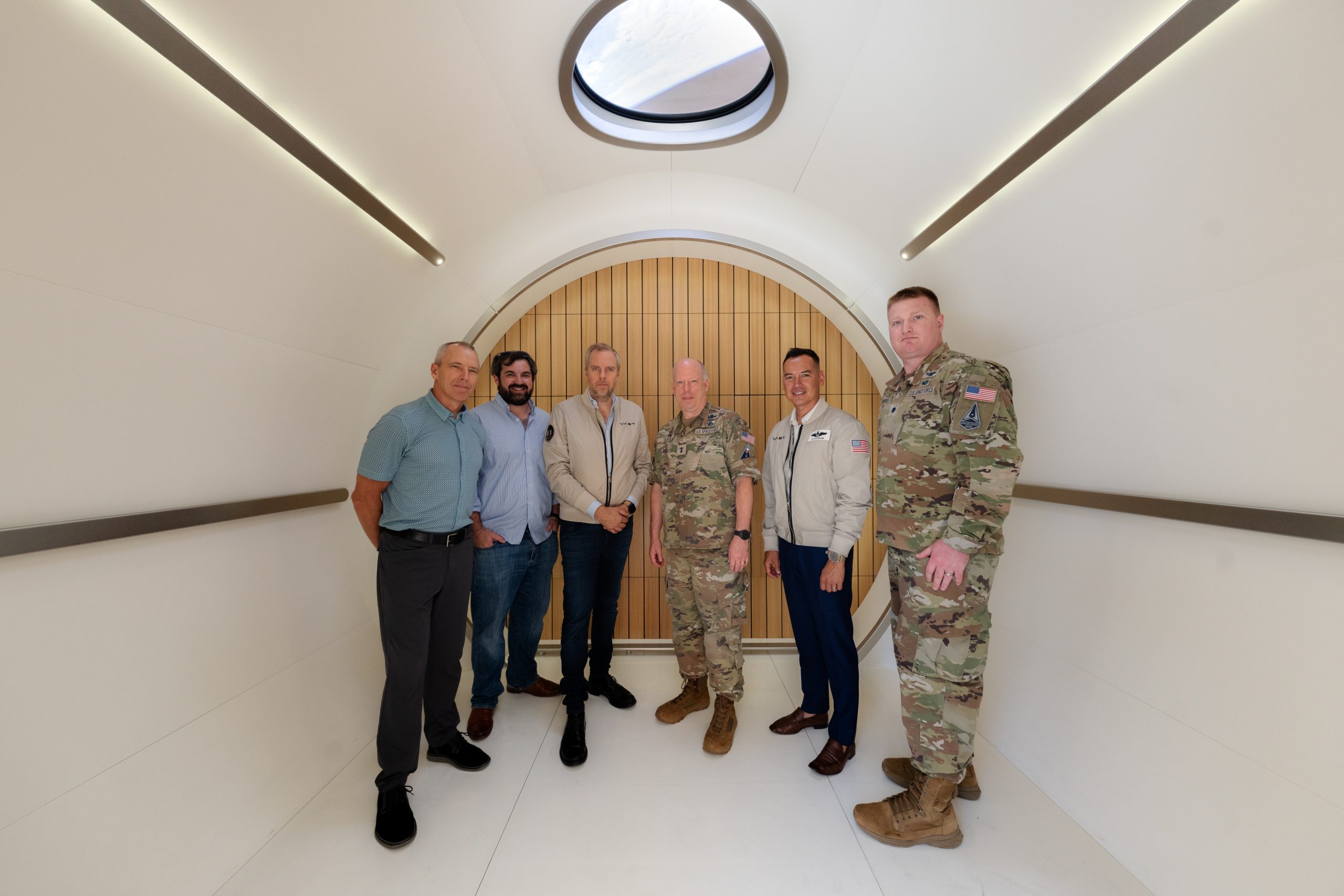
In-Q-Tel, a U.S. national security venture fund, invested in Vast, a company developing commercial space stations, primarily for market insight rather than immediate military use. The investment aims to understand market evolution and potential U.S. government support, with possible future collaborations with the Space Force and opportunities for military personnel in space. The move reflects growing interest in commercial space infrastructure, with strategic implications for national security and space deterrence.
The U.S. Space Force has awarded contracts to SpaceX and ULA for seven critical space missions to enhance national security, including deploying military communication satellites and upgrading GPS capabilities, with future launches planned through 2030 to maintain space dominance.
NASA's X-37B spaceplane's eighth mission will test revolutionary laser communication technology and quantum inertial sensors, aiming to enhance secure satellite operations and develop alternatives to GPS, supported by a $1 billion congressional investment, signaling a strategic focus on advanced space capabilities.
The article discusses a recent rebranding at the Pentagon, where the Space Force's Combat Forces Command remains, and highlights the evolving military perspective on space as a war-fighting domain, with officials openly discussing offensive capabilities in space amidst a broader 'vibe shift' towards a warrior ethos in the US military.
SpaceX successfully launched the U.S. Space Force's X-37B space plane on its eighth mission, carrying advanced tech like laser communications and quantum sensors to test in orbit, with many details kept classified.
The US Space Force's X-37B spaceplane is preparing for its eighth mission, continuing its secretive operations to test new technologies in space, though its future and role in broader defense initiatives remain uncertain amid questions about its cost-effectiveness and strategic importance.
The U.S. Space Force is launching the uncrewed Boeing X-37B spaceplane on its eighth mission via a late-night SpaceX Falcon 9 from Kennedy Space Center, with potential sonic booms in Central Florida; the mission will test advanced laser communications and quantum inertial sensors, enhancing space technology and resilience.
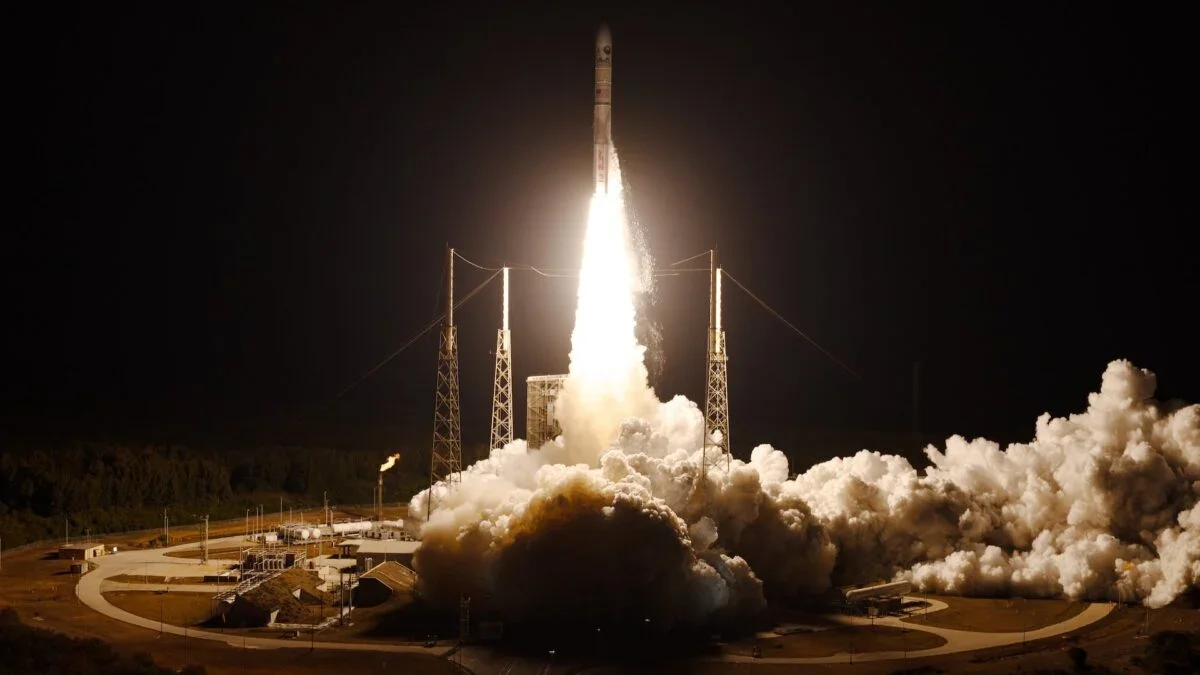
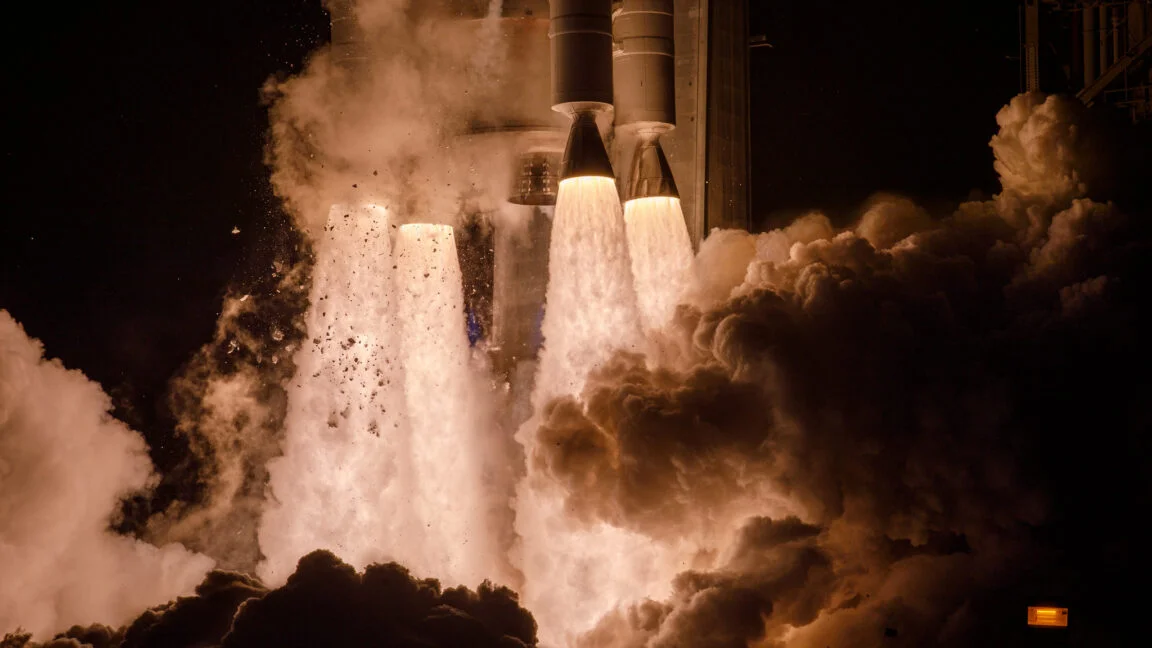
Residents of New York observed a mysterious bright shape in the sky on Tuesday night, which was actually the Vulcan USSF-106 rocket launch by the U.S. Space Force from Florida, marking a significant national security space operation.