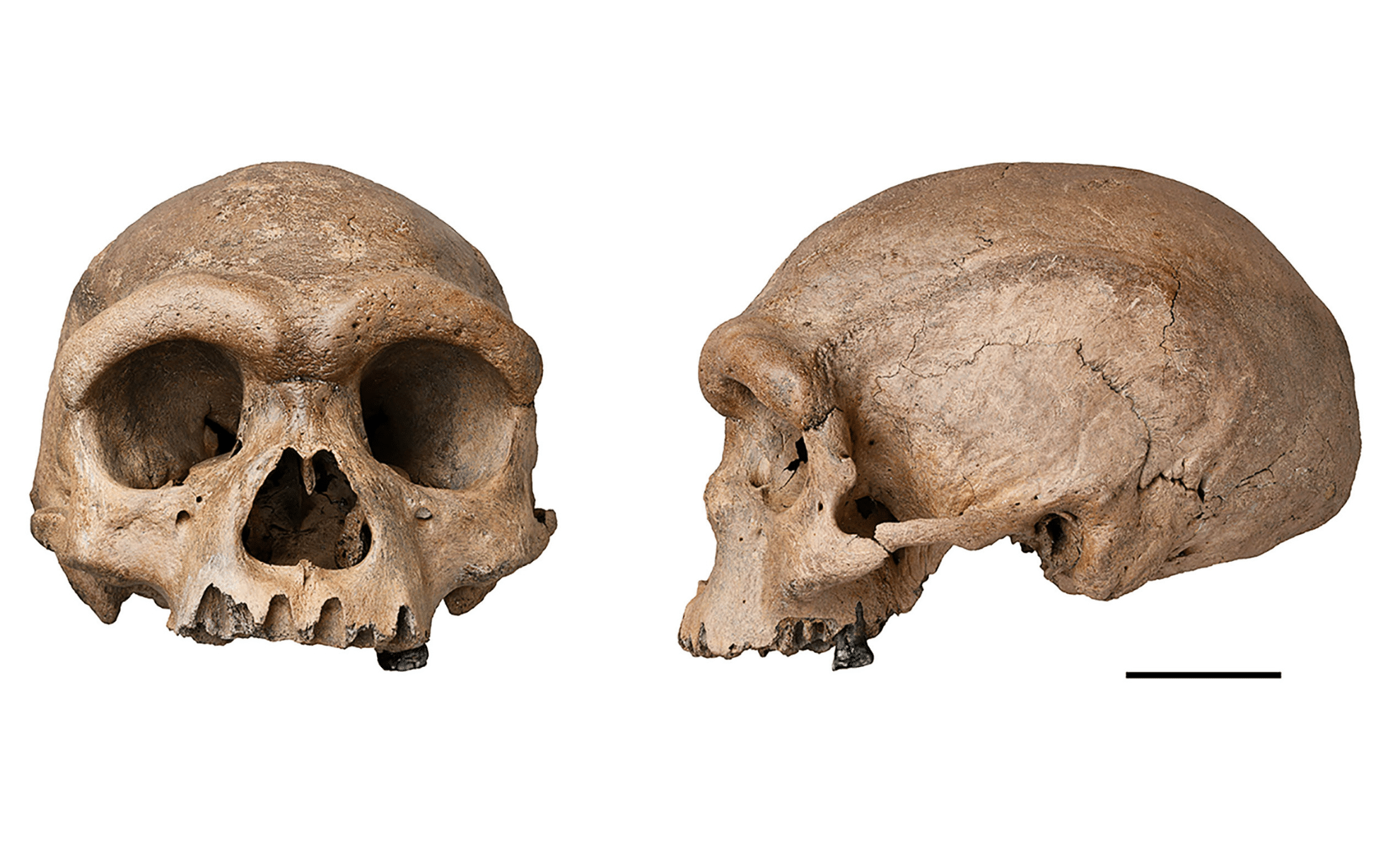
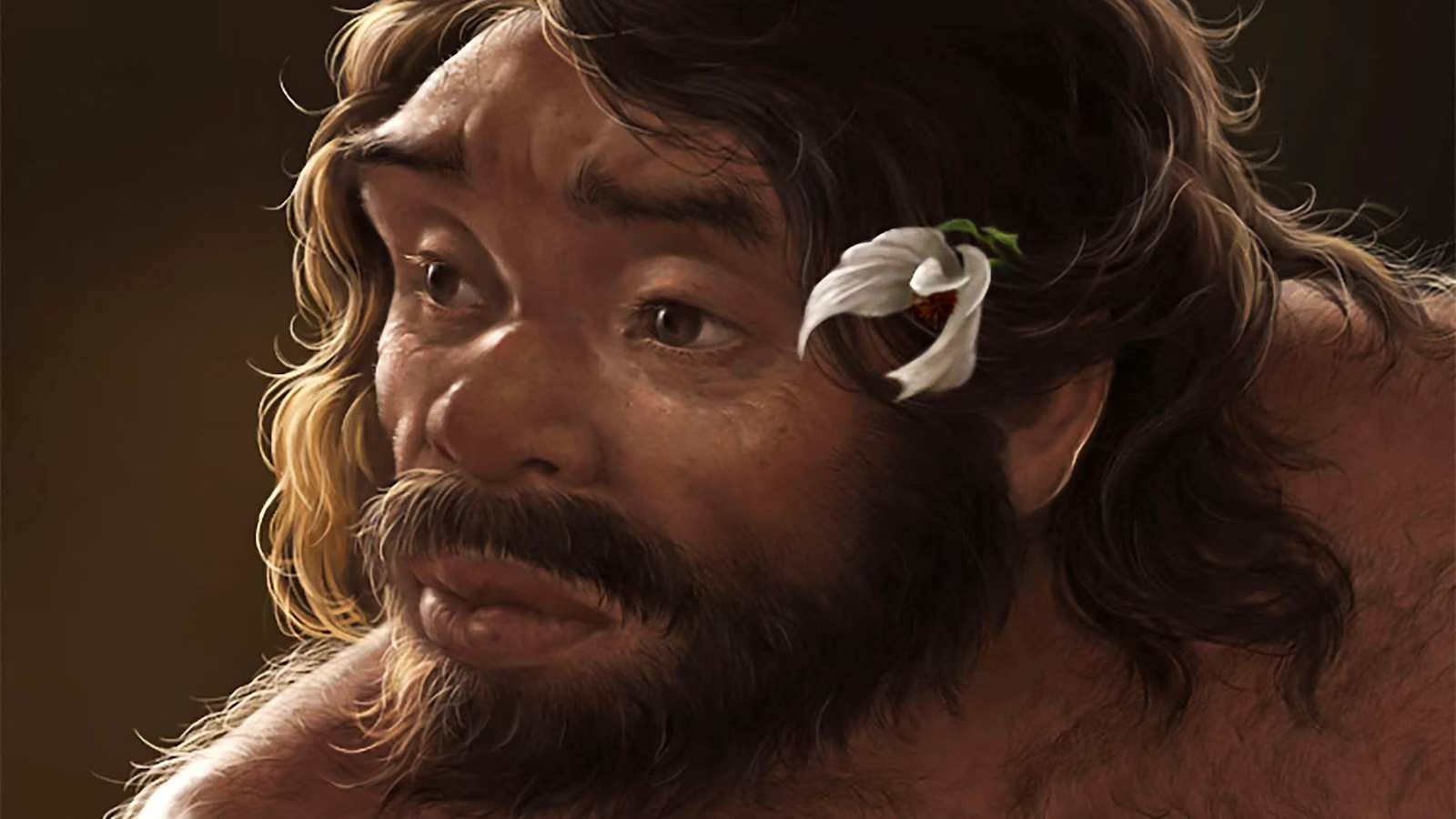
Scientists have confirmed the identity of the 'Dragon Man' skull as Denisovan through advanced DNA and protein analysis, providing the first physical evidence of what Denisovans looked like and shedding light on their physical traits, environment, and genetic legacy in modern humans.
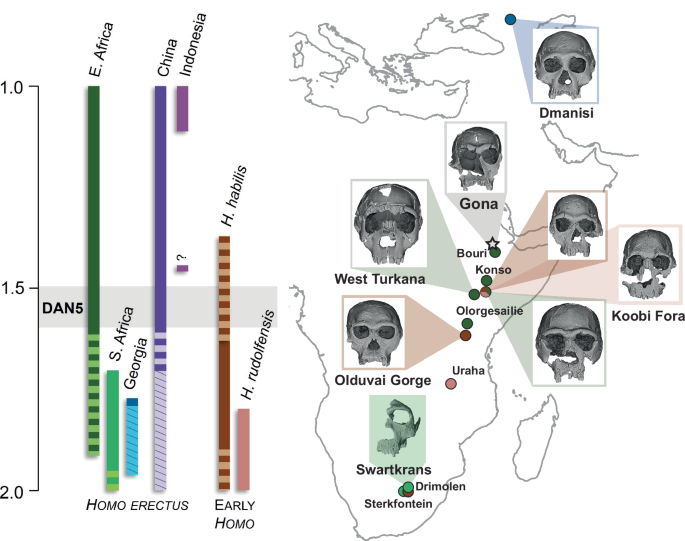
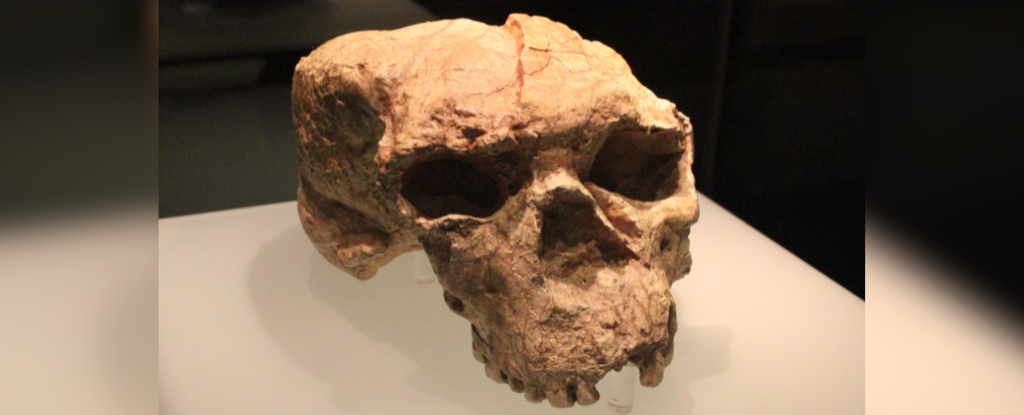
A new reconstruction of the DAN5/P1 cranium from Gona, Ethiopia, reveals a unique combination of early Homo and H. erectus features, suggesting complex population structure and evolution in African Homo during the Early Pleistocene, with implications for understanding the emergence of H. erectus.
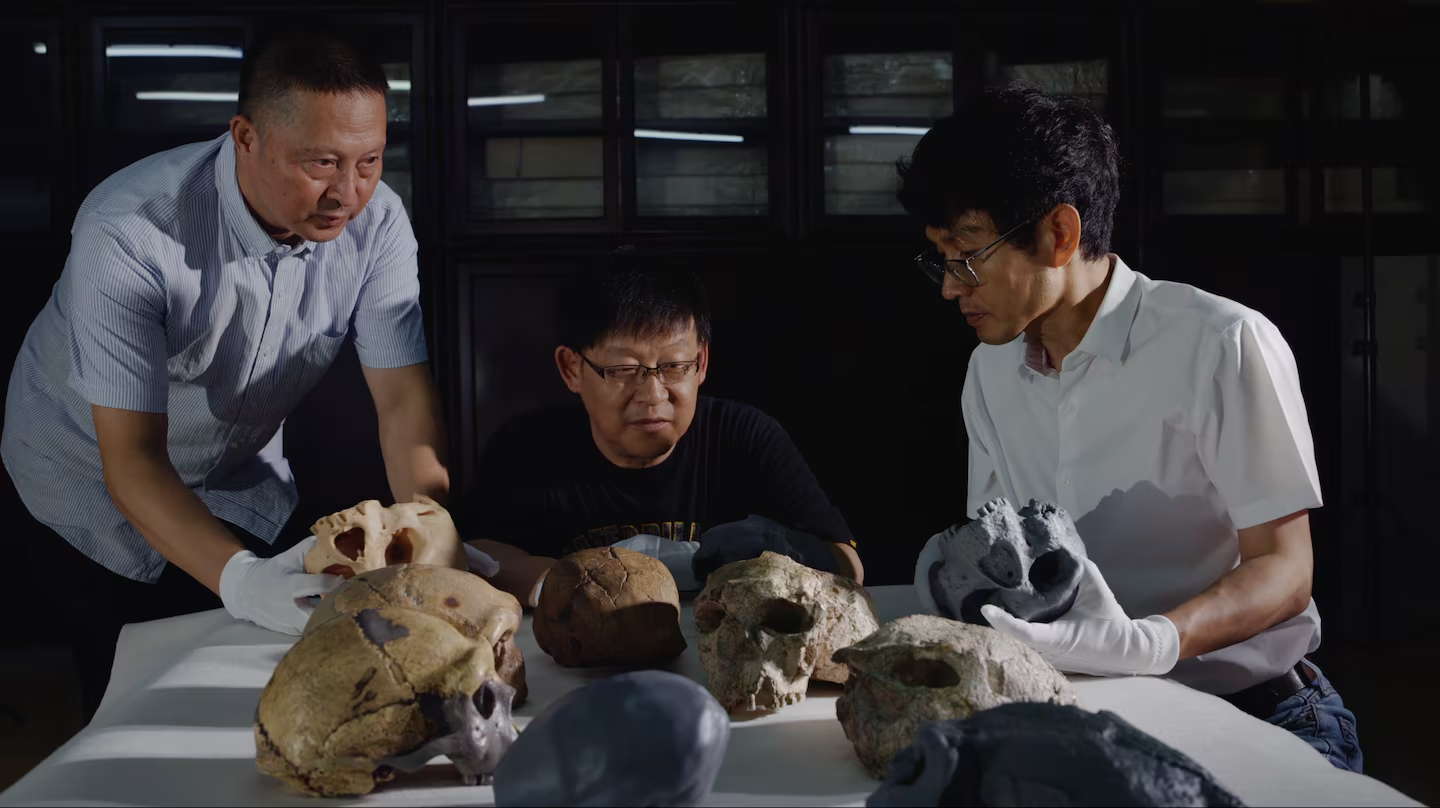
Researchers used advanced digital reconstruction techniques on a 1-million-year-old skull found in China, revealing it belongs to Homo longi, a lineage related to modern humans, potentially pushing back the timeline of human origins.
A 1-million-year-old skull, reconstructed using advanced 3D digital techniques, suggests that the divergence between Homo sapiens and their closest relatives occurred over a million years ago, significantly earlier than previously believed, indicating a more complex and earlier human evolutionary timeline.
A digitally reconstructed ancient skull suggests our species is at least 1 million years old, challenging existing timelines of human evolution and sparking debate among scientists.
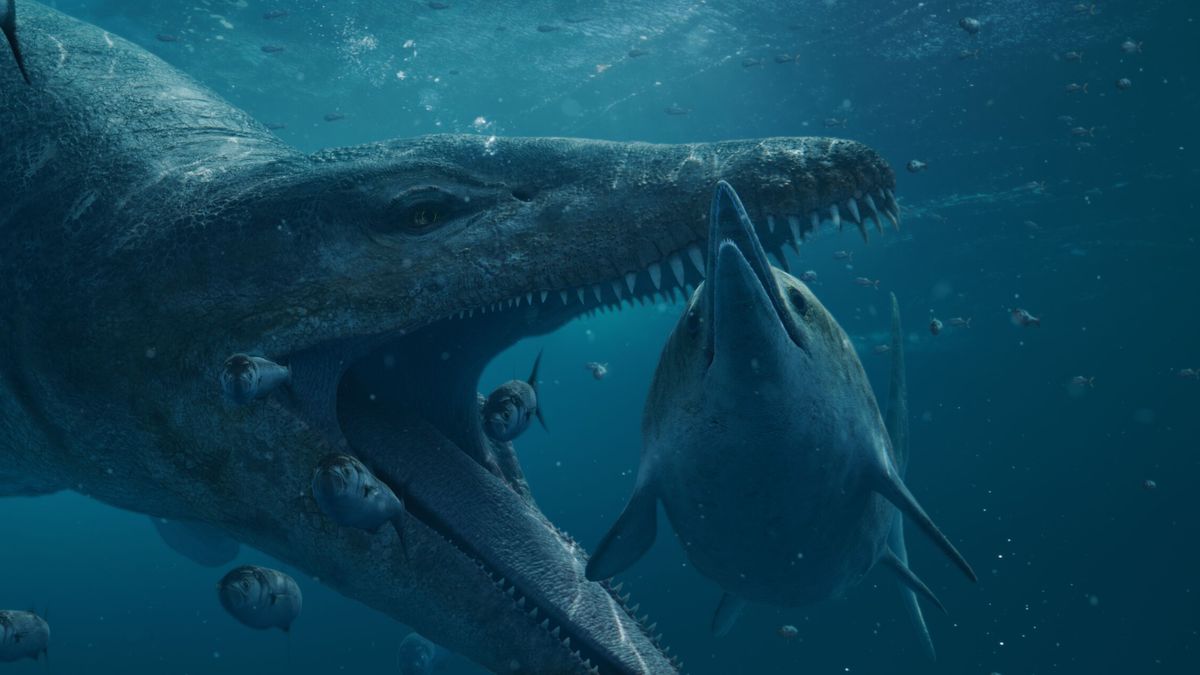
Researchers have reconstructed a 30-foot Jurassic pliosaur, a large marine reptile, after excavating its enormous fossilized skull from a U.K. cliff face. The discovery and reconstruction are featured in a new documentary, "Attenborough and the Jurassic Sea Monster," airing on PBS. The pliosaur, a top predator of the Jurassic period, had massive jaws with razor-sharp teeth and lived in warm, shallow seas. The fossilized skull, one of the largest and most complete ever found, was excavated from a cliff face in a challenging three-week operation. Experts at Imperial College London reconstructed the pliosaur's movement using a robotic prototype, and further scientific research is underway to learn more about this extinct animal. Paleontologists are now planning the next phase of excavation to recover the rest of the fossilized body before it is lost to erosion.
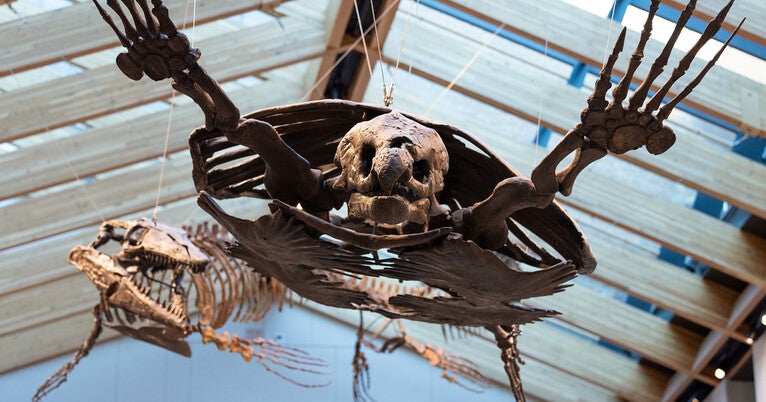
The Yale Peabody Museum is set to reopen this spring after a major renovation, featuring a revamped dinosaur gallery with refurbished and reposed specimens. Fossil preparators have played a crucial role in bringing ancient creatures to life, such as the 200-million-year-old Poposaurus and the nimble Deinonychus. Their work involves excavating, preserving, and reconstructing fossils, including creating missing pieces based on existing fossils. The preparators' expertise and artistic techniques have been instrumental in readying the museum's fossil specimens for public display, showcasing the importance of their role in the museum's scientific and educational missions.
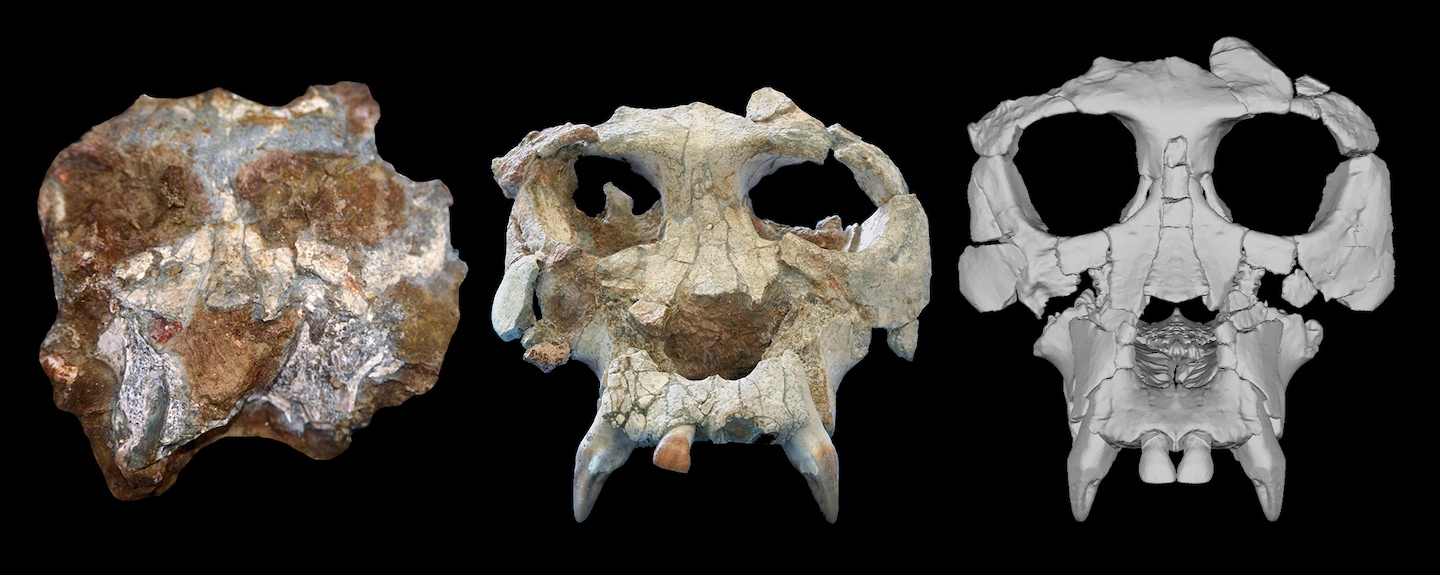
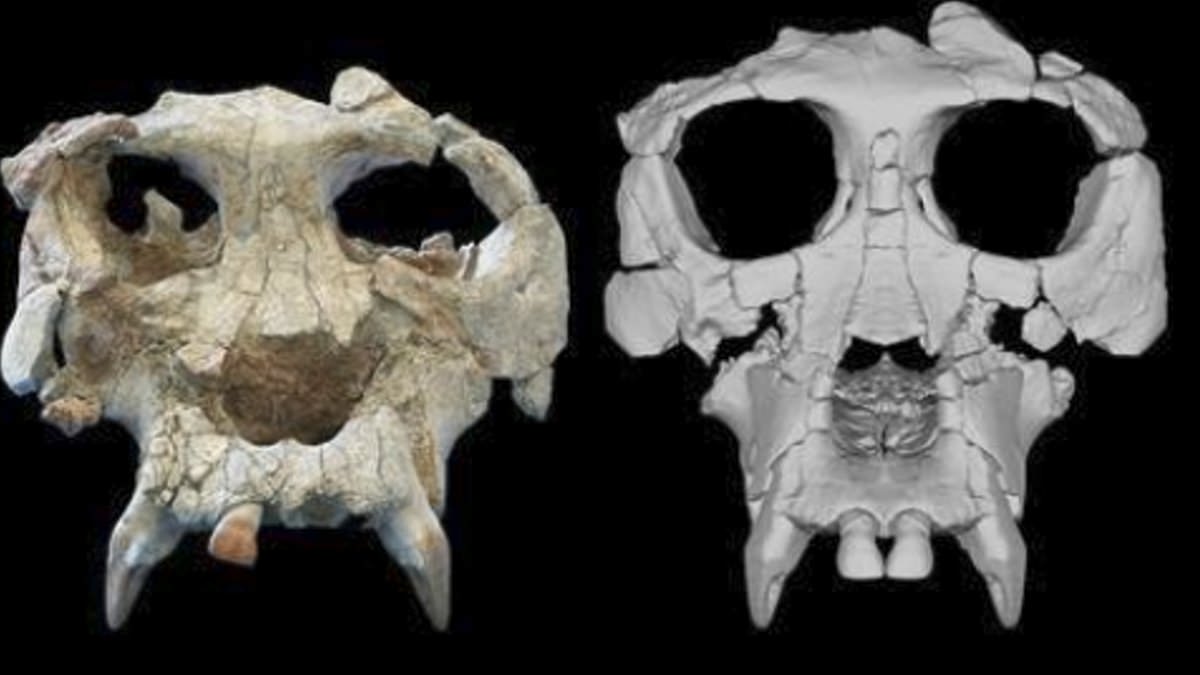
Scientists have reconstructed the face of a 12 million-year-old great ape called Pierolapithecus catalaunicus using advanced X-ray imaging technology. The three-dimensional image provides insights into primate evolution and may offer clues about human origins. The great ape had a mix of physical characteristics, some shared by living primates and others by extinct species. The reconstruction reveals a mosaic of features, including a face similar to modern great apes and shorter hands like those of monkeys. The research sheds light on the changes that have occurred over millions of years of ape evolution.
Scientists have reconstructed the face of a European great ape species called Pierolapithecus catalaunicus, which could be one of the earliest relatives of the human race. The well-preserved skull was reconstructed using CT scans, and the species has distinct facial features not found in other apes from the same period. The remains, including a cranium and partial skeleton, were found in Catalonia, Spain, in 2002. The reconstruction provides valuable insights into the evolutionary relationships and biology of this ancient ape species, shedding light on human evolution.