Tag

Battery Efficiency

All articles tagged with #battery efficiency

Stellantis Unveils Revolutionary Fast-Charging, Charger-Free EV Battery Tech

Originally Published 3 months ago — by Electrek

Featured image for Stellantis Unveils Revolutionary Fast-Charging, Charger-Free EV Battery Tech
Source: Electrek

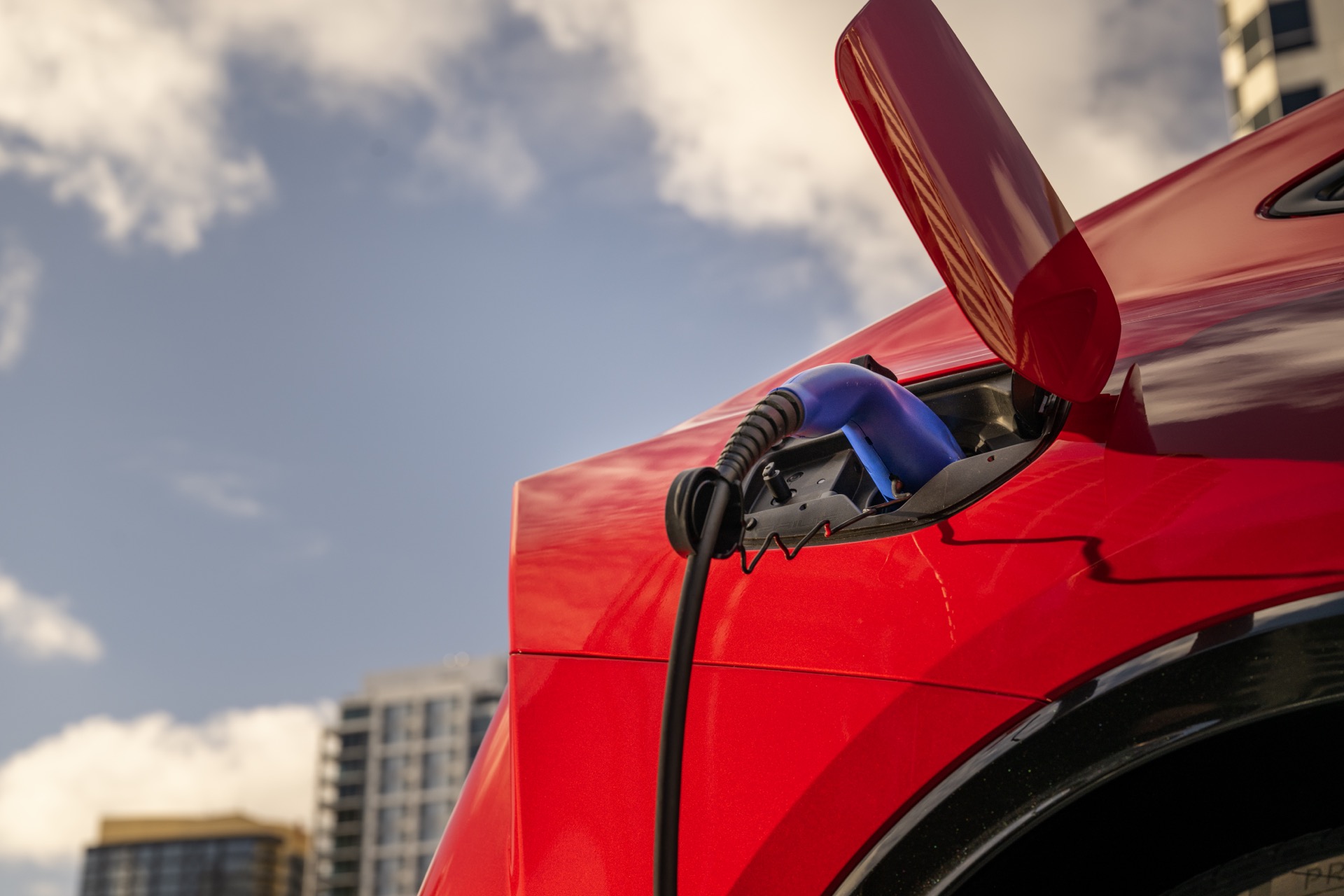
Stellantis has developed a new Intelligent Battery Integrated System (IBIS) that integrates charger and inverter functions into the battery pack, making EVs lighter, more efficient, and easier to maintain, with potential for significant weight reduction, faster charging, and better reuse of batteries, paving the way for advanced EVs by the end of the decade.
"Maximizing Electric Vehicle Performance in Cold Weather"

Originally Published 2 years ago — by The Washington Post

Featured image for "Maximizing Electric Vehicle Performance in Cold Weather"
Source: The Washington Post

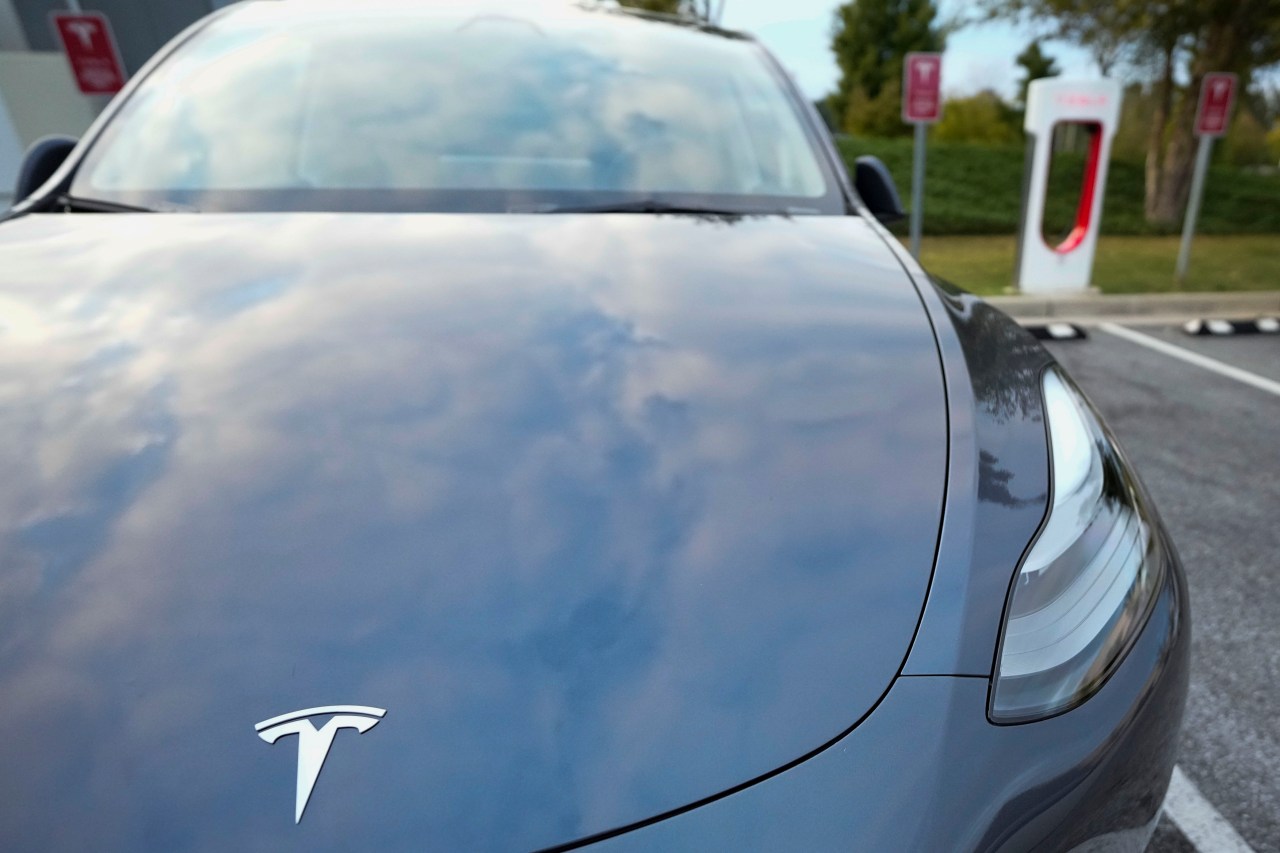
Frigid temperatures are causing challenges for electric vehicle (EV) owners, as cold weather can significantly impact battery efficiency and driving range. The chemical reactions within EV batteries slow down in cold temperatures, reducing storage and available power, while warming the cabin also drains energy from the battery. To mitigate these issues, EV owners are advised to precondition their vehicles, warm them while plugged in, and consider adding a heat pump to maintain efficiency in cold weather.

"Challenges of Cold Weather for Electric Vehicles"

Originally Published 2 years ago — by NewsNation Now

Featured image for "Challenges of Cold Weather for Electric Vehicles"
Source: NewsNation Now

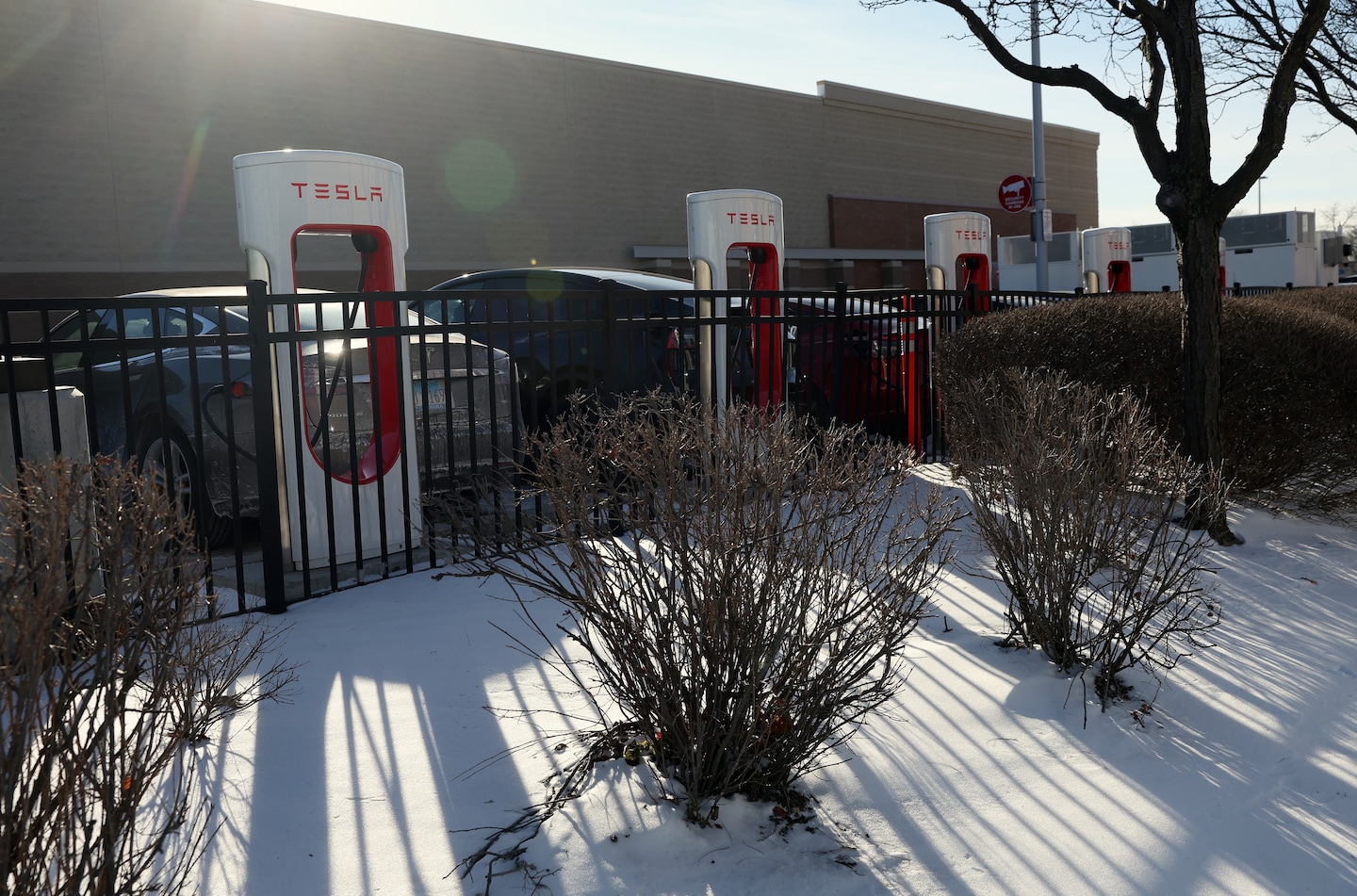
Subzero temperatures in the U.S. are causing electric vehicles to struggle, with some charging stations in cities like Chicago experiencing long lines of EVs that won't start. The cold weather significantly reduces the range of EV batteries, with some drivers reporting draining batteries and long charging times. Experts recommend warming up the car while charging, using seat warmers, and leaving the vehicle plugged in with a maximum charge setting of 70% or 80% when possible. EV manufacturers like Tesla are providing cold weather best practices to help drivers navigate these challenges.

"Google Pixel 8's Tensor G3: Disappointing Power, Promising Efficiency"

Originally Published 2 years ago — by Android Authority

Featured image for "Google Pixel 8's Tensor G3: Disappointing Power, Promising Efficiency"
Source: Android Authority

The recently released Pixel 8 series by Google features the new Tensor G3 SoC, which was expected to have higher peak frequencies based on leaks. However, Google capped the frequencies to lower values, possibly prioritizing battery efficiency over peak performance. The change in plan is evident in the source code of the Pixel 8 Pro, which shows lowered frequencies for all the cores. The Tensor G3 appears to be focused on power efficiency rather than raw performance, resulting in improved battery life but potentially disappointing those seeking high-speed performance. Google has not provided detailed specifications for the Tensor G3, leaving some discrepancies regarding its process size.

Unveiling the Inner Workings of Lithium-Ion Batteries with 'Computer Vision'

Originally Published 2 years ago — by Stanford University

Featured image for Unveiling the Inner Workings of Lithium-Ion Batteries with 'Computer Vision'
Source: Stanford University

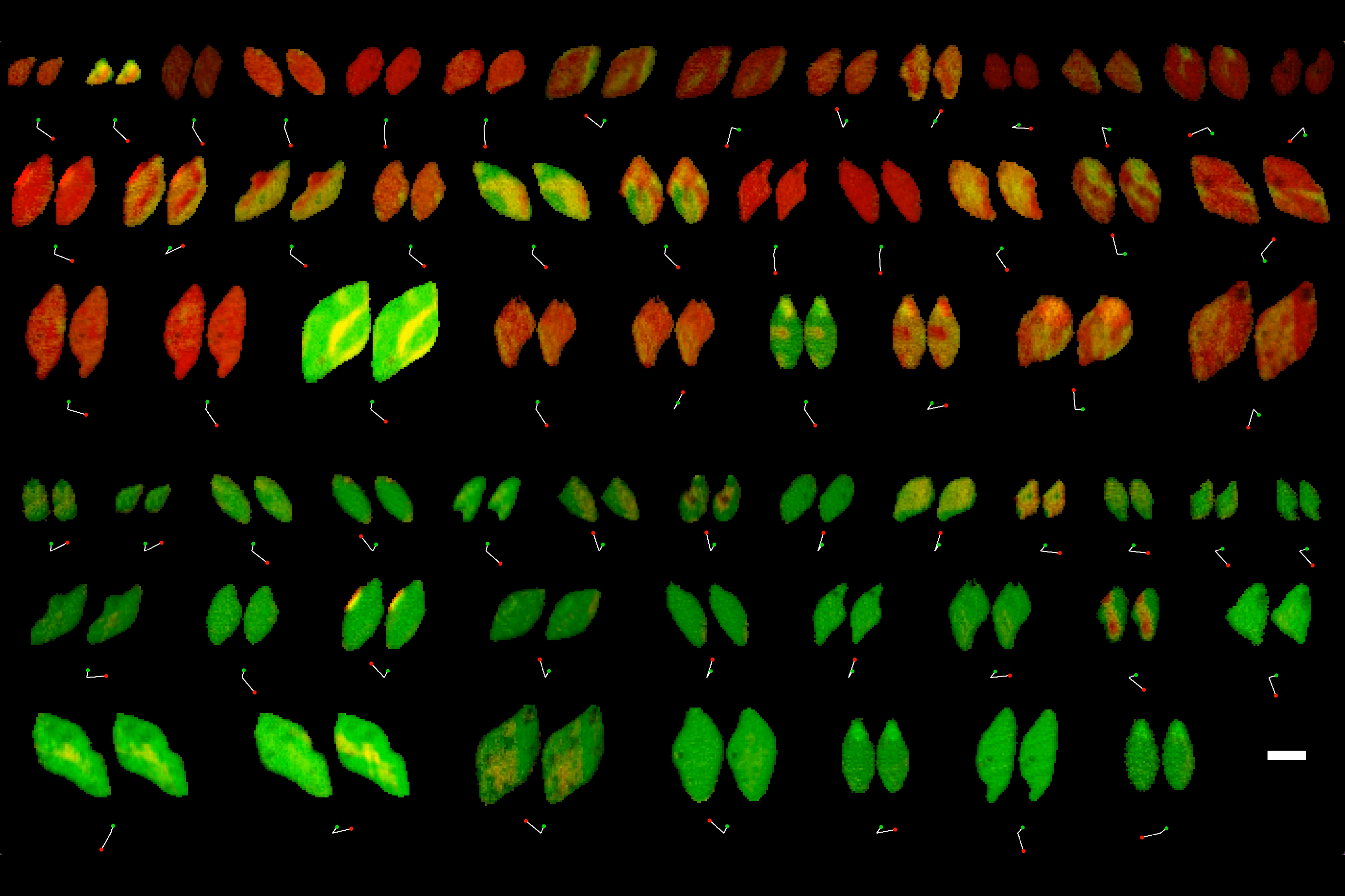
Researchers have used computer vision, a type of machine learning, to analyze nanoscale X-ray movies of lithium-ion battery electrodes and extract pixel-by-pixel information. This method has revealed physical and chemical details of battery cycling that were previously unseen. The study has already identified a way to improve the efficiency of lithium-ion batteries by controlling the thickness of the carbon coating on electrode particles. The findings have implications for battery design and could lead to the development of better batteries faster.

Unveiling Lithium-Ion Batteries through Pixel-by-Pixel Analysis

Originally Published 2 years ago — by MIT News

Featured image for Unveiling Lithium-Ion Batteries through Pixel-by-Pixel Analysis
Source: MIT News

Researchers from MIT, Stanford University, SLAC National Accelerator, and the Toyota Research Institute have used X-ray imaging to analyze lithium iron phosphate, a material commonly used in electric car batteries. The study revealed variations in the rate of lithium intercalation reactions within different regions of the material, which were found to be correlated with differences in the thickness of the carbon coating on the surface of the particles. This finding could lead to improvements in the efficiency of charging and discharging lithium-ion batteries. The technique could also be applied to gain insights into other materials and biological systems.

Revolutionary Thermal Cloak Extends Electric Car Battery Life and Enables Martian Habitats

Originally Published 2 years ago — by Daily Mail

Featured image for Revolutionary Thermal Cloak Extends Electric Car Battery Life and Enables Martian Habitats
Source: Daily Mail

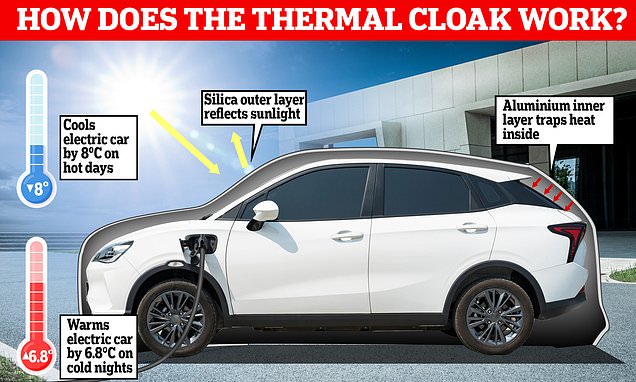
Researchers from Shanghai Jiao Tong University have developed a thermal cloak for electric cars that can passively keep the vehicles cool in summer and warm in winter, without the need for external energy input. The cloak, called the Janus Thermal Cloak, has an outer layer that reflects sunlight and an inner layer that traps heat inside. Testing showed that the covered cars had interiors that were significantly cooler in the summer and warmer in the winter compared to uncovered cars. The thermal cloak aims to address the issue of reduced battery performance in extreme temperatures, potentially alleviating range anxiety for electric car drivers.

Toyota's Ambitious Plans for Electric Vehicles

Originally Published 2 years ago — by Green Car Reports

Featured image for Toyota's Ambitious Plans for Electric Vehicles
Source: Green Car Reports

Toyota plans to increase the electric range of its future plug-in hybrids beyond 124 miles, develop next-generation EVs with double the range, and expand hybrid sales to emerging markets. The company aims to cut the average CO2 emissions of the vehicles it sells worldwide by 33% by 2030 and by more than 50% by 2035, versus 2019. Toyota will make a three-row SUV in 2025, with batteries supplied from North Carolina, and release a new generation of EVs in 2026 that will double driving range by using batteries with far greater efficiency.