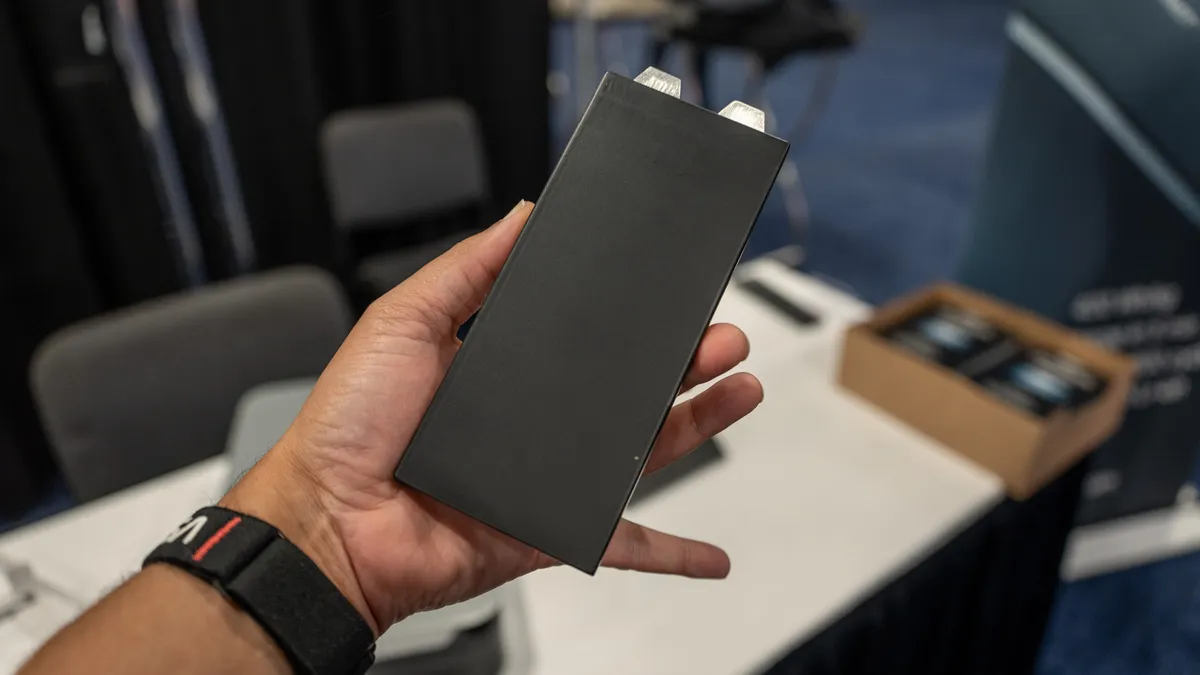
Donut Lab has introduced the world's first all-solid-state battery for a production vehicle, currently powering Verge Motorcycles' TS Pro electric motorcycle, offering lighter weight, longer lifespan, faster charging, and lower costs, with potential applications in larger vehicles and future electric platforms.

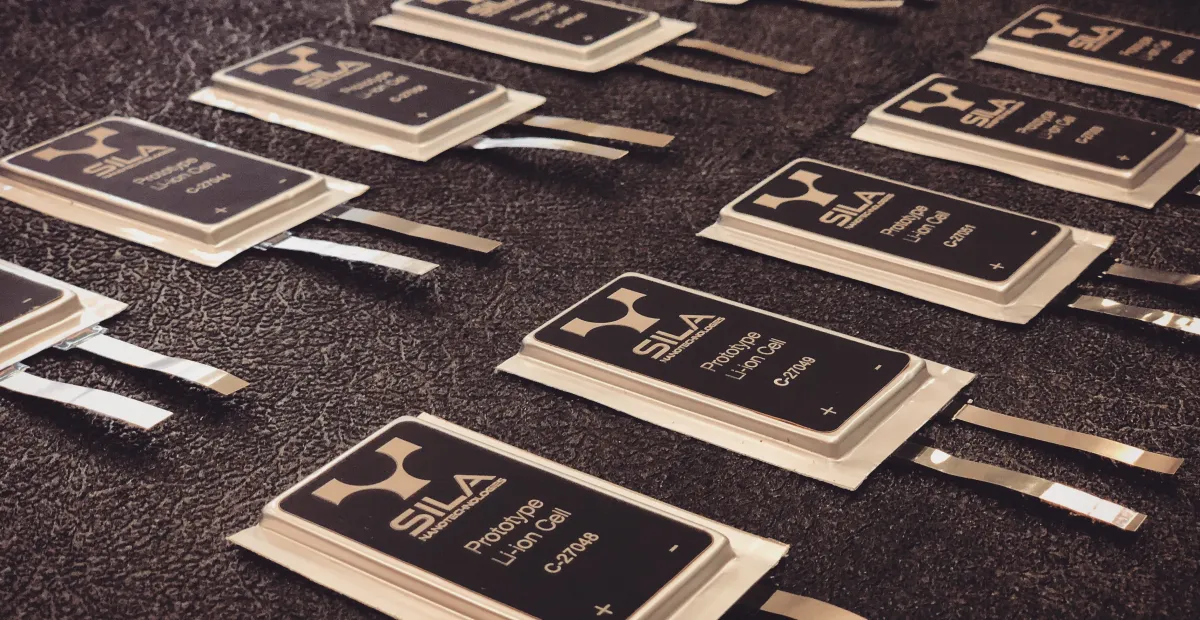
Samsung is preparing to mass-produce solid-state batteries with a 600-mile range that can charge in 9 minutes, aiming for market release next year, in partnership with BMW and Solid Power, promising safer, more efficient energy storage for electric vehicles and devices.
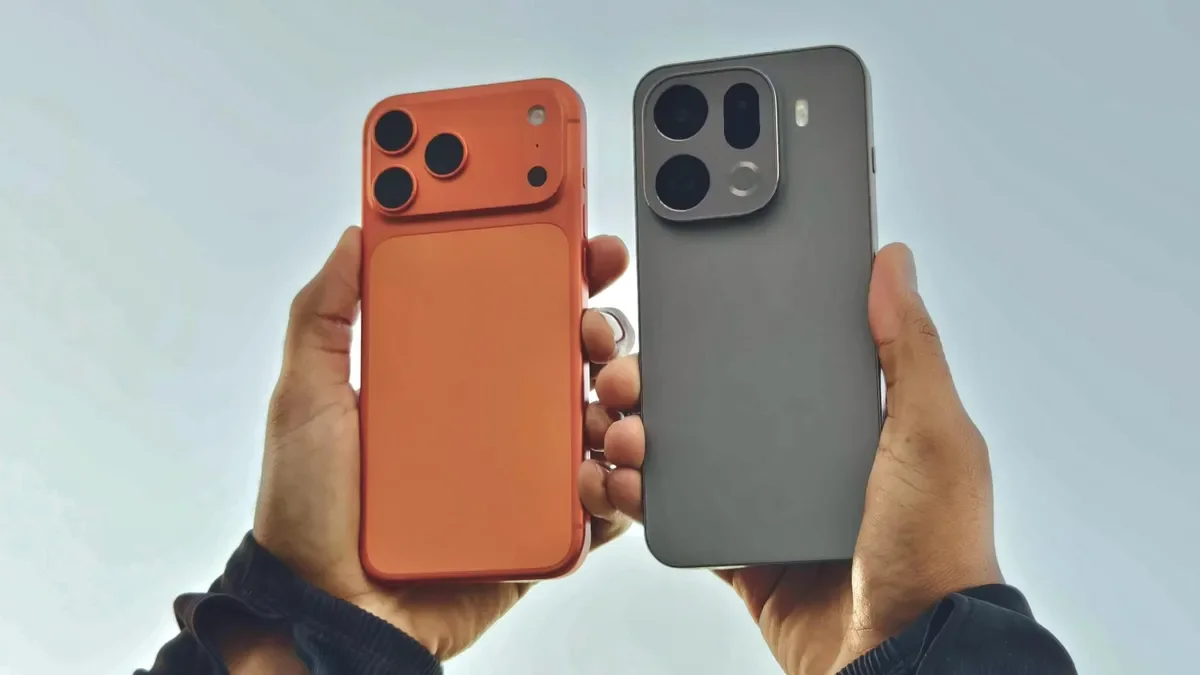
A tech enthusiast compares the Oppo Find X9 Pro with the iPhone 17 Pro Max, highlighting features like superior camera capabilities, larger battery capacity, and additional functionalities that Apple could consider for the upcoming iPhone 18 to stay competitive.
The OnePlus 15 is generating excitement due to its modern flat design, advanced cooling system, upgraded camera, massive 7300mAh silicon-carbon battery, and potential for a competitive price, positioning it as a strong contender to shake up the US smartphone market amidst a landscape of incremental upgrades from Apple, Samsung, and Google.
MIT researchers have developed a new model based on coupled ion-electron transfer (CIET) to better understand how lithium-ion batteries work, which could lead to the design of more powerful and faster-charging batteries by optimizing intercalation processes and electrolyte compositions.
Xiaomi is set to launch its 17, 17 Pro, and 17 Pro Max smartphones in China on September 25, featuring advanced OLED displays with high luminous efficiency, new RGB pixel technology, and upgraded battery systems supporting fast charging, all powered by Snapdragon 8 Elite Gen 5 chipset and running Xiaomi Hyper OS 3.
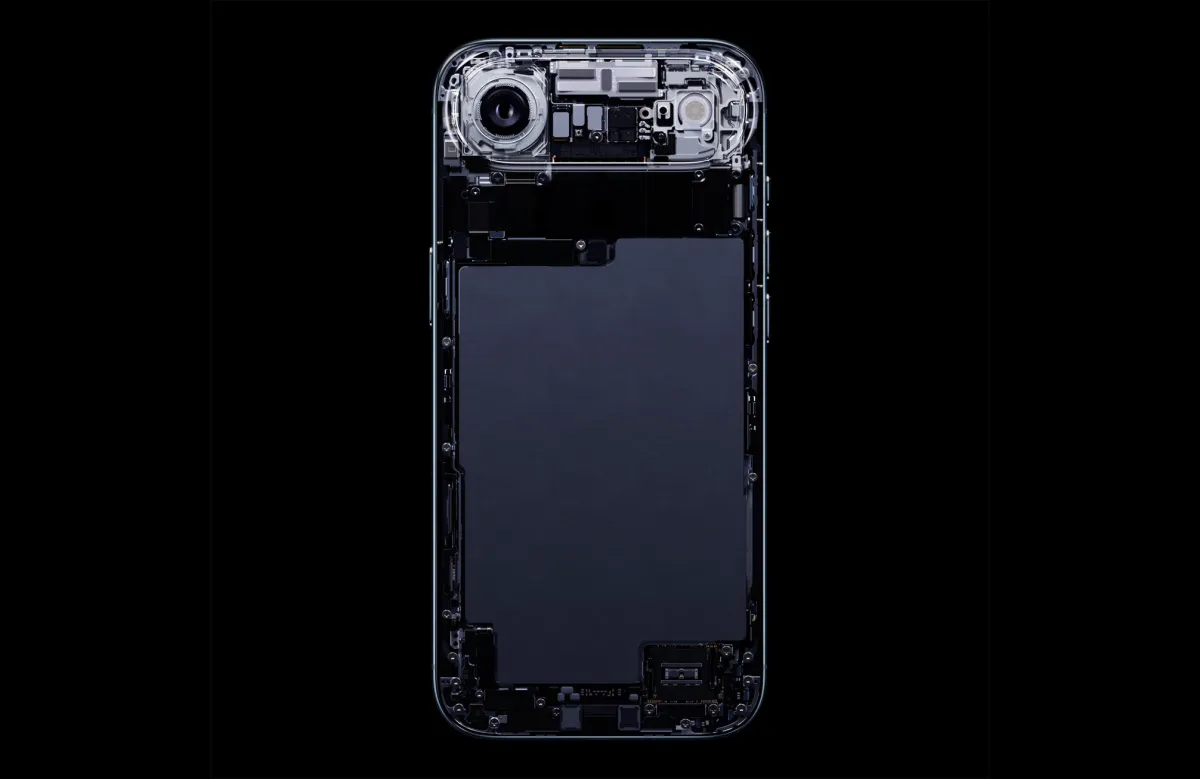
The iPhone Air features a groundbreaking battery design using patented metal can technology, allowing for a two-dimensional shape that maximizes space and durability. This innovation not only enhances the device's form factor but also paves the way for higher energy density batteries, including the potential adoption of silicon anodes, which could significantly improve battery performance in future electronics.
While global smartphone manufacturers are adopting silicon-carbon batteries to create smaller or more powerful phones, major US companies like Apple, Samsung, and Google have yet to incorporate this technology, leading to a gap in innovation in the US market.
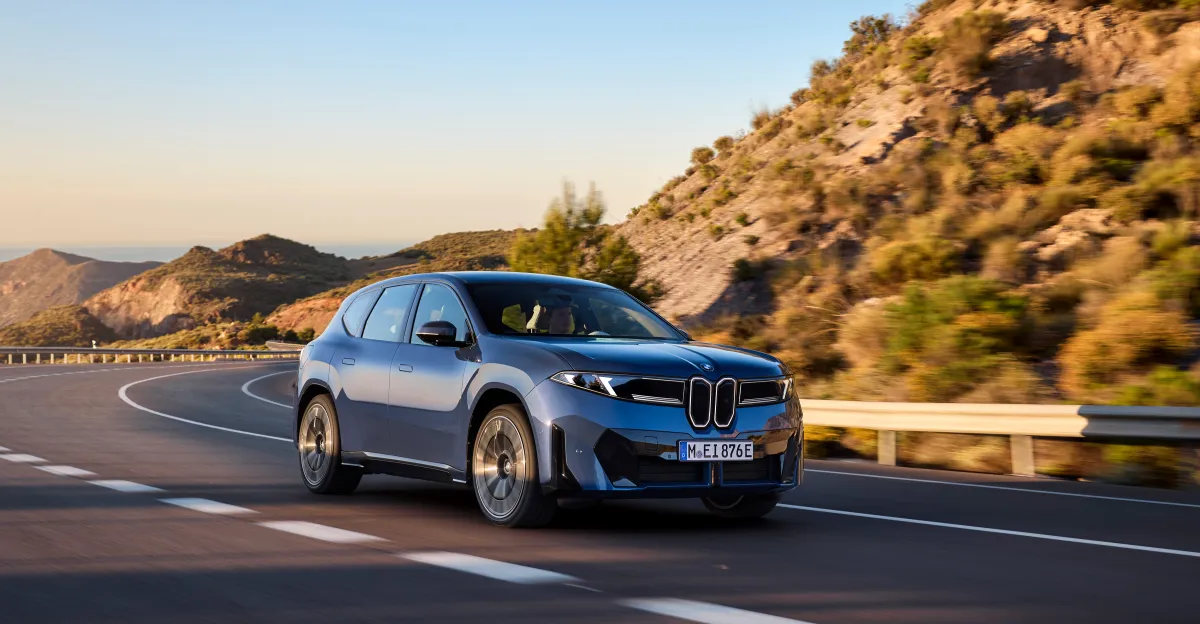
BMW unveils the iX3, the first model on its new 'Neue Klasse' EV platform, featuring advanced 800-volt architecture, new cylindrical batteries with increased range and faster charging, and a focus on software integration with 'superbrains' and over-the-air updates, aiming to compete with Tesla and Chinese EV makers with a compelling mix of range, power, and digital features.
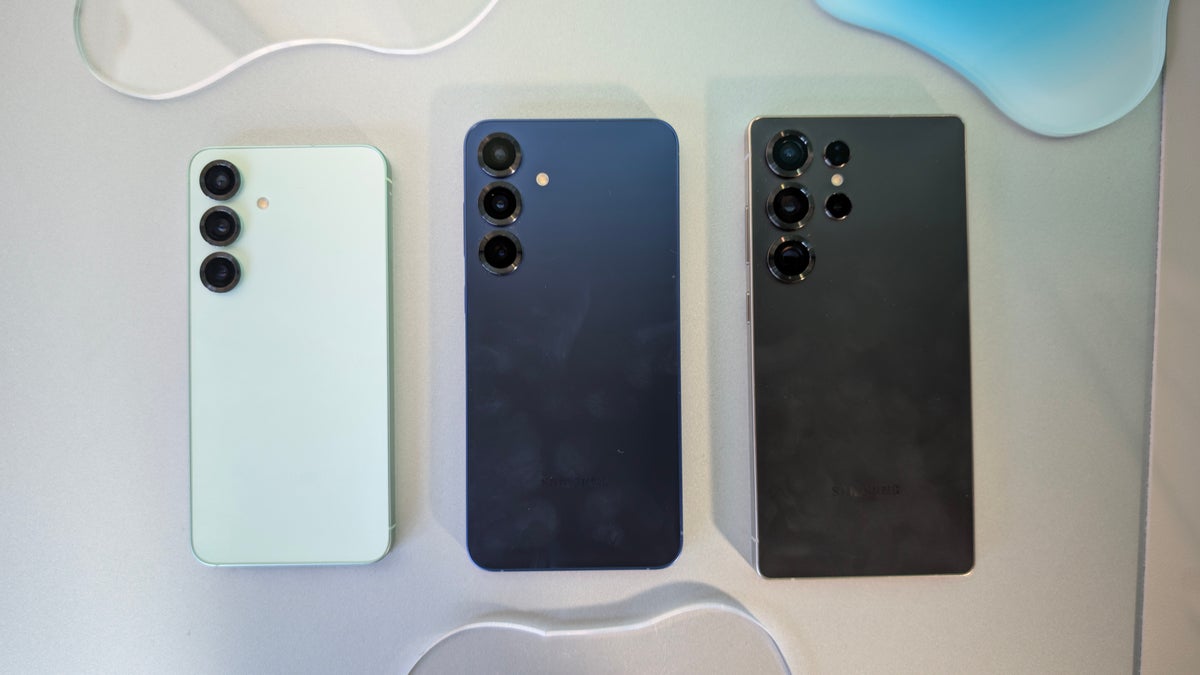
Samsung's upcoming Galaxy S26 series is rumored to feature thinner profiles across all models, potentially improving grip and comfort, with some speculation about using silicon-carbon tech to boost battery capacity up to 7,000mAh. The lineup may see changes, including the replacement of the base model with a Galaxy S26 Pro and uncertainty about the future of the Plus variant, indicating Samsung's intent to innovate and shake up its smartphone lineup.
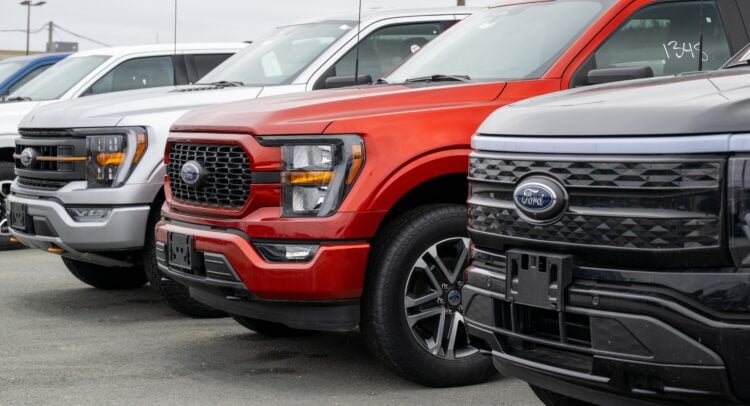
Ford's stock (NYSE:F) rose following the announcement of new battery details for their electric vehicles, signaling a significant breakthrough in EV technology and boosting investor confidence.
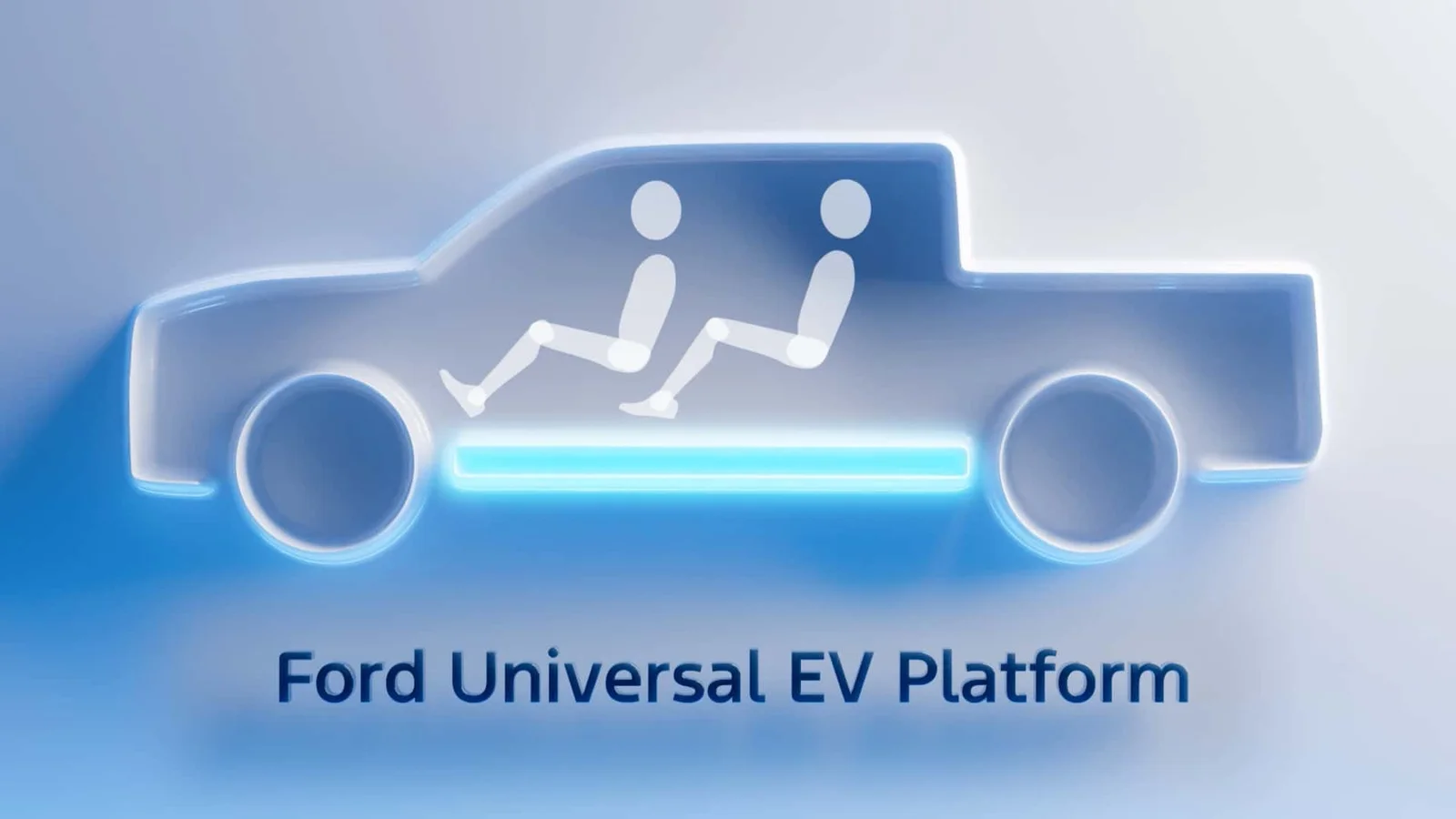
Ford plans to launch a $30,000 electric midsize truck in 2027, featuring a new EV platform, local LFP batteries, and innovative manufacturing processes aimed at reducing costs and increasing efficiency, potentially disrupting the U.S. auto industry with a more affordable EV option.

Ford has announced a breakthrough in producing low-cost electric vehicles by developing a new universal platform and innovative manufacturing process, including a modular 'assembly tree' and cheaper lithium iron phosphate batteries, aiming to make EVs more affordable and efficient, starting with a $30,000 midsized truck in 2027.
Chinese researchers have developed a machine learning-based predictive model that uses electrochemical fingerprints from initial battery cycles to accurately forecast lithium metal anode failures, enabling faster, more efficient battery development and improving the reliability of next-generation energy storage solutions.
The article discusses Samsung's potential use of new EMC battery protection technology in the Galaxy S26 to improve battery life and durability, but criticizes the likelihood of Samsung maintaining similar battery capacities and slimming down the phone, which could disappoint consumers. It also compares upcoming battery capacities of other flagship phones, including the iPhone 17 Pro Max and Nothing Phone (3), highlighting industry trends towards larger batteries and advanced tech. The author suggests Samsung should prioritize larger batteries over slimness to stay competitive.