The article discusses the ecology and spread of the highly pathogenic H5N1 avian influenza in North America, highlighting multiple introductions from Europe and Asia, the critical role of migratory wild birds in dispersal across flyways, and the ongoing transmission dynamics involving wild and domestic birds, with implications for surveillance and outbreak control.

Hawaii officials are monitoring a presumptive case of avian influenza (H5N1) in a sick duck at the University of Hawaii, with confirmation pending. The risk to humans remains low, but authorities urge caution and vigilance as wild bird migration season begins, following previous outbreaks in the region.
Scientists have discovered widespread sex reversal in wild Australian birds like kookaburras and lorikeets, where genetic sex does not match reproductive organs, possibly due to environmental chemicals, raising concerns about impacts on bird populations.
A child in Alameda County, California, has tested positive for the H5 bird flu, marking the state's first human case not linked to the dairy industry. The source of infection is unknown, though contact with wild birds is suspected. The child is recovering with mild symptoms, and no human-to-human transmission has been documented. Health officials emphasize the low public risk but note the increasing detection of the virus in various environments, including wastewater. The case is under investigation, and confirmatory testing is pending.
Brazil has confirmed its first ever cases of Highly Pathogenic Avian Influenza (HPAI) in wild birds, but the country's status as a country free of HPAI is not affected as per guidelines from the World Organization for Animal Health (WOAH). The virus can kill entire flocks of birds and cause losses for the farming sector. Brazil's chicken exports rose by 27% last year to $9.76 billion as other countries reeled from a global outbreak of the virus. The main importers of Brazil's chicken products in April included China, Japan, South Africa and Saudi Arabia.
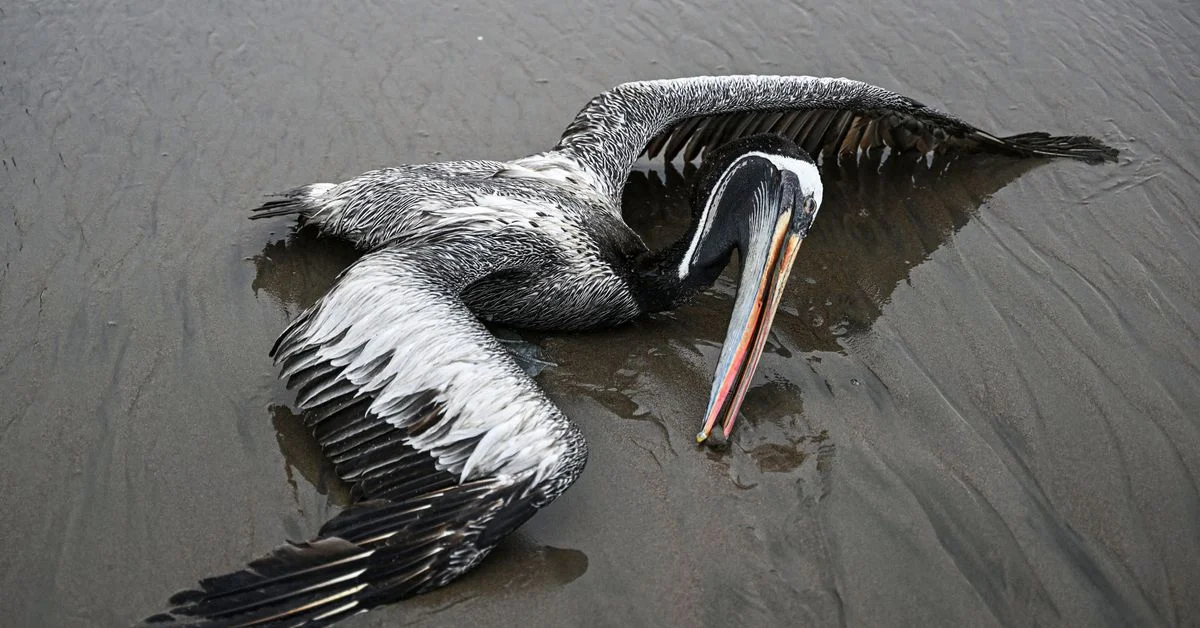
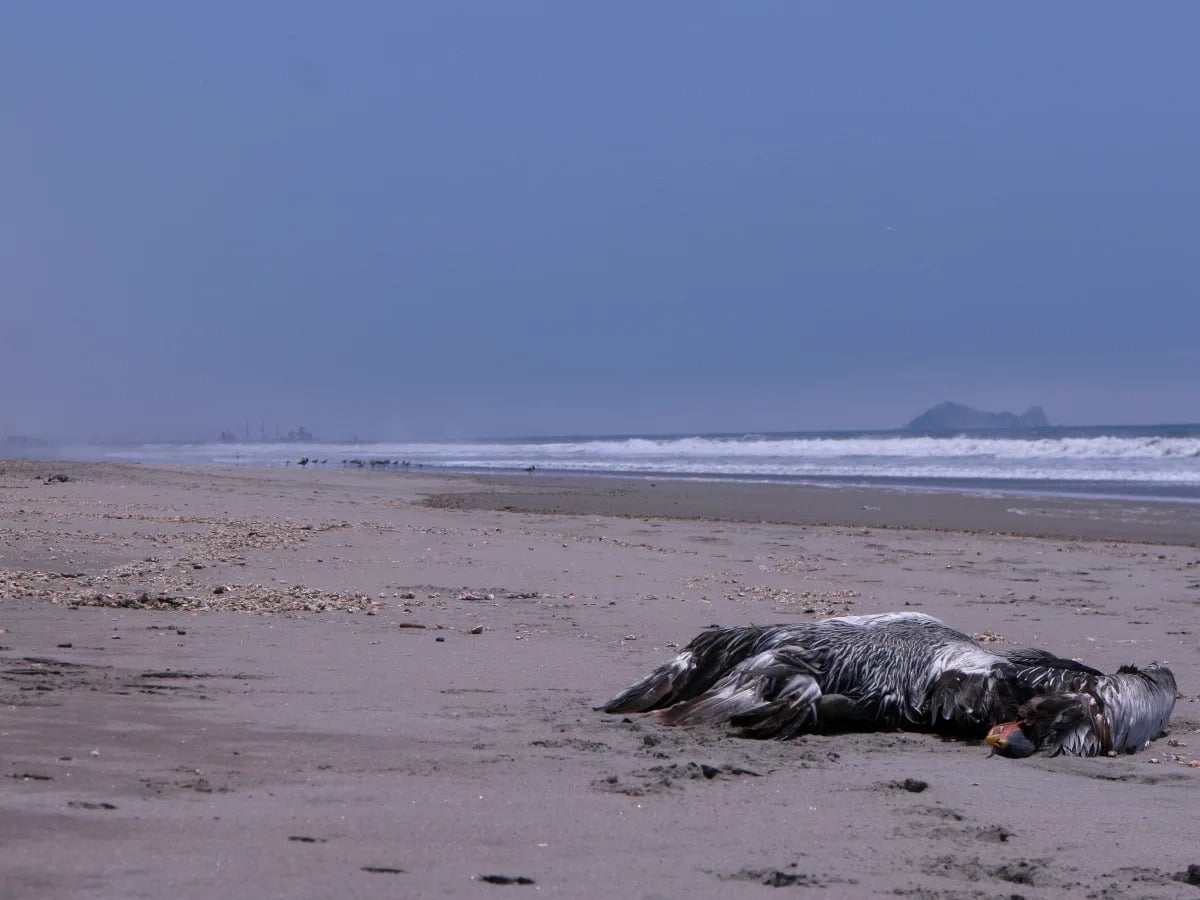
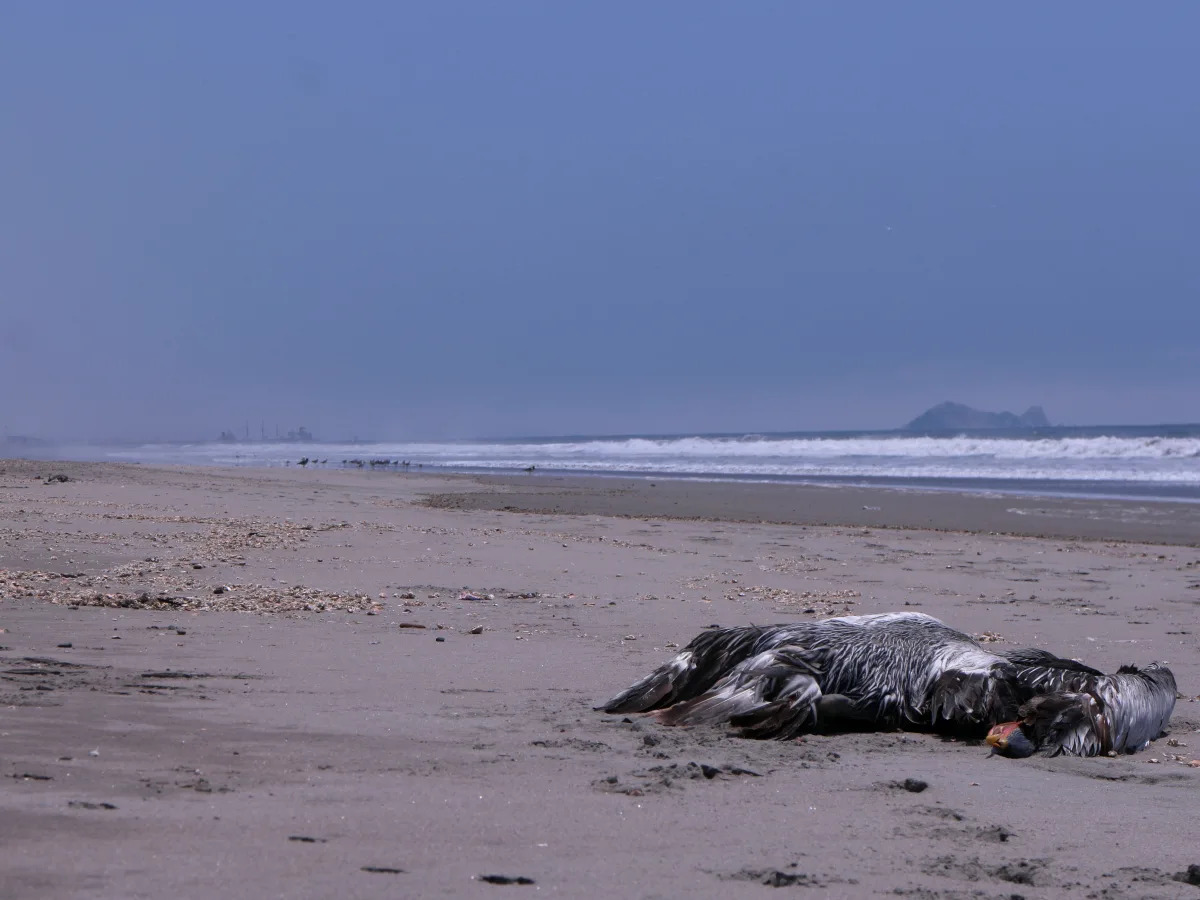
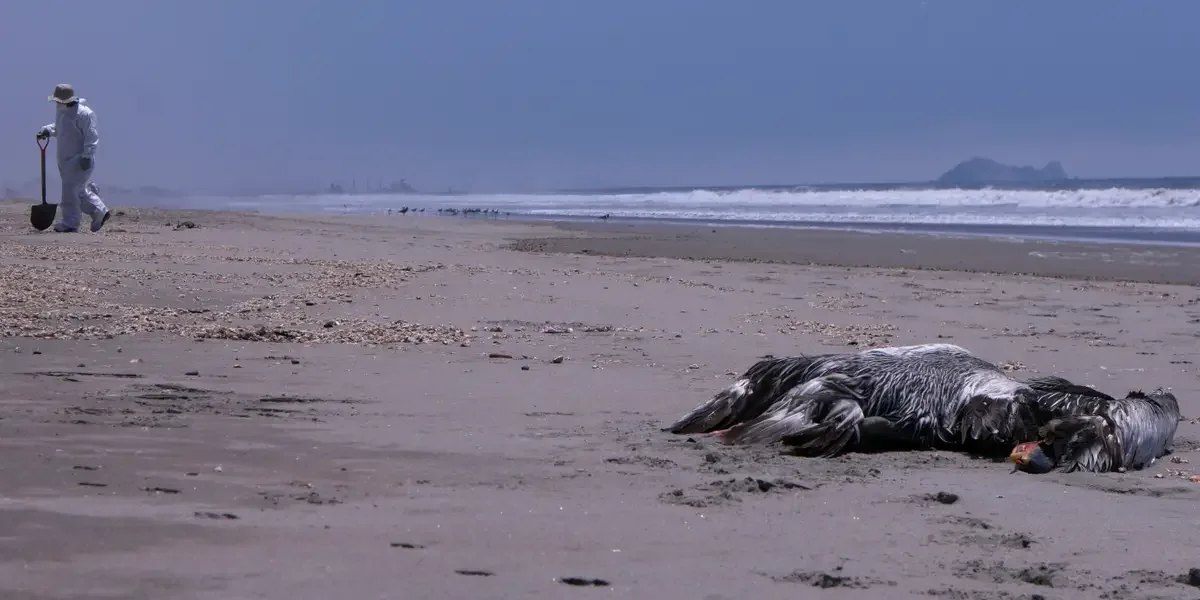
A panzootic outbreak of avian flu has killed hundreds of thousands, if not millions, of wild birds across five continents, including endangered species like the California condor. The virus, which has also infected mammals, including foxes, coyotes, mink, and seals, could pose a threat to humans if it evolves traits that make it more dangerous. The outbreak has become one of the worst wildlife disease outbreaks in history, exacerbating an ongoing extinction crisis and causing an animal welfare crisis in the poultry industry.
A highly pathogenic H5N1 strain of avian influenza is killing wild birds in numbers never seen before, with an estimated 200 million birds dying worldwide. The virus has been circulating broadly in wild birds, leading to significantly greater mortality than what was previously experienced. Dabbling ducks such as mallards are believed to be the carriers, as they don’t appear to be symptomatic or die from infections. The virus has also been found in mammals, including scavenging species and opportunistic marine mammals. The impact of the virus could be lessened somewhat this year, but the ongoing response is unique in the number of detections, the geographical distribution of outbreaks, and its long duration.
The US is experiencing its worst-ever outbreak of bird flu, with a new H5N1 strain killing over 58 million chickens, turkeys, and other birds. The new strain is heavily impacting wild birds, and researchers believe that bird flu will probably become endemic in the US, affecting food security and the economy. While the disease can and does affect humans, it's rare. The markets are being hit hard by the ravages of avian flu, with the egg crisis facing Americans as prices surged almost 60% in 2022 due to the influenza outbreak.
The US is experiencing its worst-ever outbreak of bird flu, with a new H5N1 strain killing over 58 million birds, including wild birds. The disease is heavily impacting raptors, sea birds, and colonial nesting birds, and could become endemic in the US, affecting food security and the economy. While the disease can and does affect humans, it's rare. Farmers and markets are being hit hard by the ravages of avian flu, with egg prices surging almost 60% in 2022 due to the influenza outbreak.
Avian flu, also known as bird flu, has been identified as the cause of death for a cluster of swans in Swansea, Massachusetts. The virus is highly contagious among birds but is not commonly seen in humans. The town is advising residents to avoid contact with wild birds and to take care not to expose their domestic flocks to the virus. The U.S. Department of Agriculture has reported cases of HPAI in wild birds in several other counties in Massachusetts this year.
The current strain of avian flu is different from previous outbreaks and is killing birds in unprecedented numbers, according to a study by the University of Maryland. The highly pathogenic virus is wiping out everything, including wild birds, and could become endemic, affecting food security and the economy. The study calls for coordination between national and regional leaders to manage the spread of the disease. The avian flu has killed over 140 million birds in the US, the UK, and the EU, and has also been found in some mammals, including bears and wild dogs. The disease has increased the price of poultry and poultry products by 60% in the US in 2022.
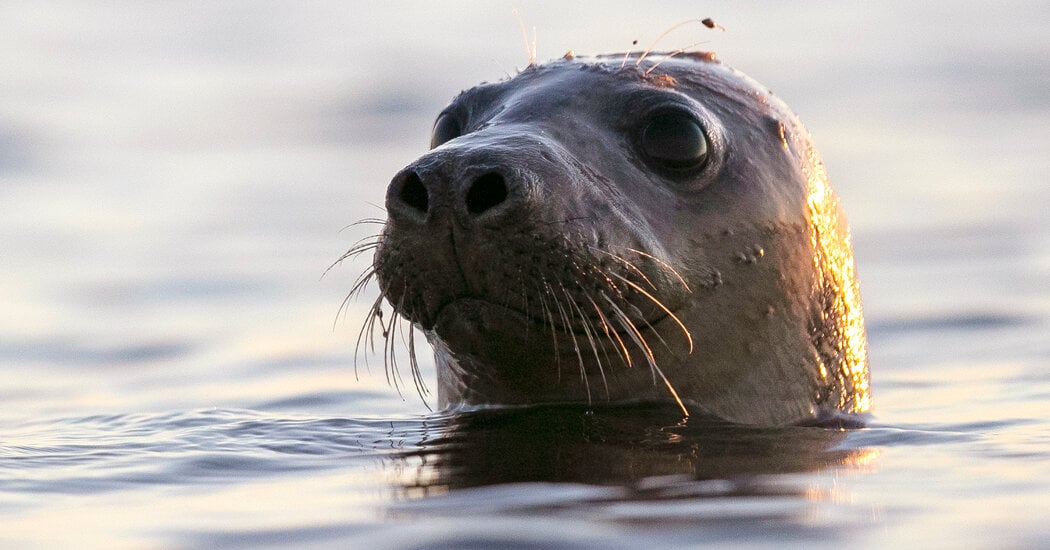
A new study suggests that wild birds passed the highly contagious strain of avian influenza to seals in New England at least twice last summer, causing a spike in seal strandings along the coast of Maine. Nearly half of the 41 stranded seals tested for the virus were infected with it, and in several seals, the virus had mutations that are associated with adaptation to mammals. The risk to humans remains low, but the report comes amid growing concerns that the virus could adapt to spread more efficiently among mammals, potentially sparking a new pandemic. Continued surveillance is necessary to safeguard human health and protect wild animals from a virus that has already proved devastating.
Two cases of Highly Pathogenic Avian Influenza have been detected in Moffat County, Colorado, one in a domestic bird and the other in a wild bird. The disease is highly contagious among animals, especially wild birds and domestic poultry. Officials at Moffat County Public Health have advised people to report sick birds or unusual bird deaths and take precautions such as washing hands and not touching sick or dead birds. A free webinar will be held on March 15 to learn more about avian influenza and how to prevent it from spreading.