Scientists have discovered widespread sex reversal in wild Australian birds like kookaburras and lorikeets, where genetic sex does not match reproductive organs, possibly due to environmental chemicals, raising concerns about impacts on bird populations.
A new analysis published in the New England Journal of Medicine warns of the serious health risks posed by chemical pollution associated with the rapid growth of the petrochemical industry. The report highlights a concerning increase in neurodevelopmental issues, diabetes, chronic respiratory disease, and certain cancers, particularly in young people. Endocrine-disrupting chemicals (EDCs) found in plastics and other products are identified as a key threat, with people of color and those in disadvantaged communities being most exposed. The paper calls for stricter safety testing of chemicals, increased tracking of chemical exposures, and the implementation of bans on single chemicals and single-use plastics to mitigate these health risks.
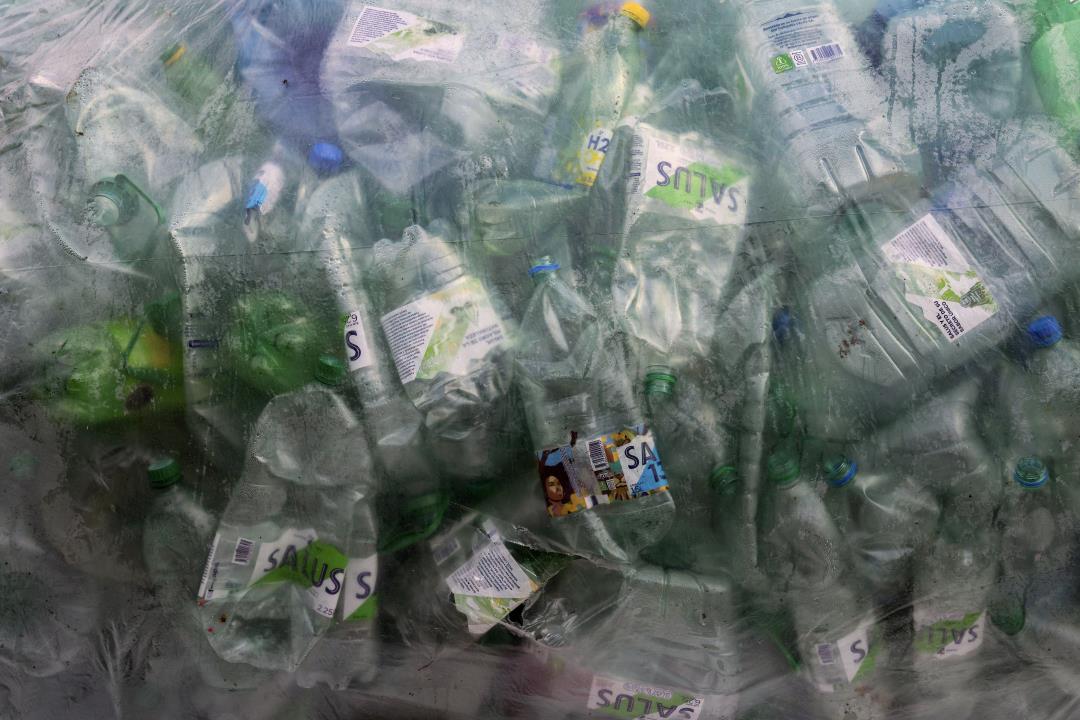
Chemical additives in plastics, such as BPAs and phthalates, are estimated to have cost $249 billion in health care in 2018 alone, with connections to various health issues including cancer, diabetes, obesity, fertility problems, and child brain development. The study highlights the impact of endocrine-disrupting chemicals used in plastics and emphasizes that the financial estimate does not fully capture the overall health costs associated with plastic exposure and pollution.
A new study found that hormone-disruptive plastic chemicals cost the U.S. health care system over $249 billion in 2018 alone, contributing to chronic diseases and early deaths. These chemicals, found in everyday items, are linked to cancer, brain damage, obesity, diabetes, heart disease, and reproductive issues. The study focused on four groups of chemicals used in plastic production, highlighting their impact on health care costs. Experts hope the study will prompt discussions about regulating these chemicals and holding plastic manufacturers accountable for the societal and individual health costs.
A new study found that the US health care system incurred over $249 billion in costs in 2018 due to the impact of hormone-disruptive plastic chemicals, including flame retardants, phthalates, bisphenols, and per- and polyfluoroalkyl substances. These chemicals are linked to chronic diseases, developmental issues, reproductive problems, and premature deaths, with the most significant cost burden attributed to flame retardants. The study highlights the need for public awareness and regulation of these chemicals, as well as the potential societal discussion about the true cost of using plastics and the related health risks.
Babies exposed to certain chemicals in the womb, specifically polyfluoroalkyl substances (PFAS), have a higher likelihood of rapid weight gain during early childhood, according to a recent study. These chemicals, found in everyday items such as non-stick cookware and cosmetic products, can mimic or block hormones involved in breaking down food for energy, altering hunger cues and sensitivity to sugar and fats. The study suggests that early exposure to these chemicals may contribute to health issues like obesity, fatty liver disease, cardiovascular disease, and diabetes later in life.
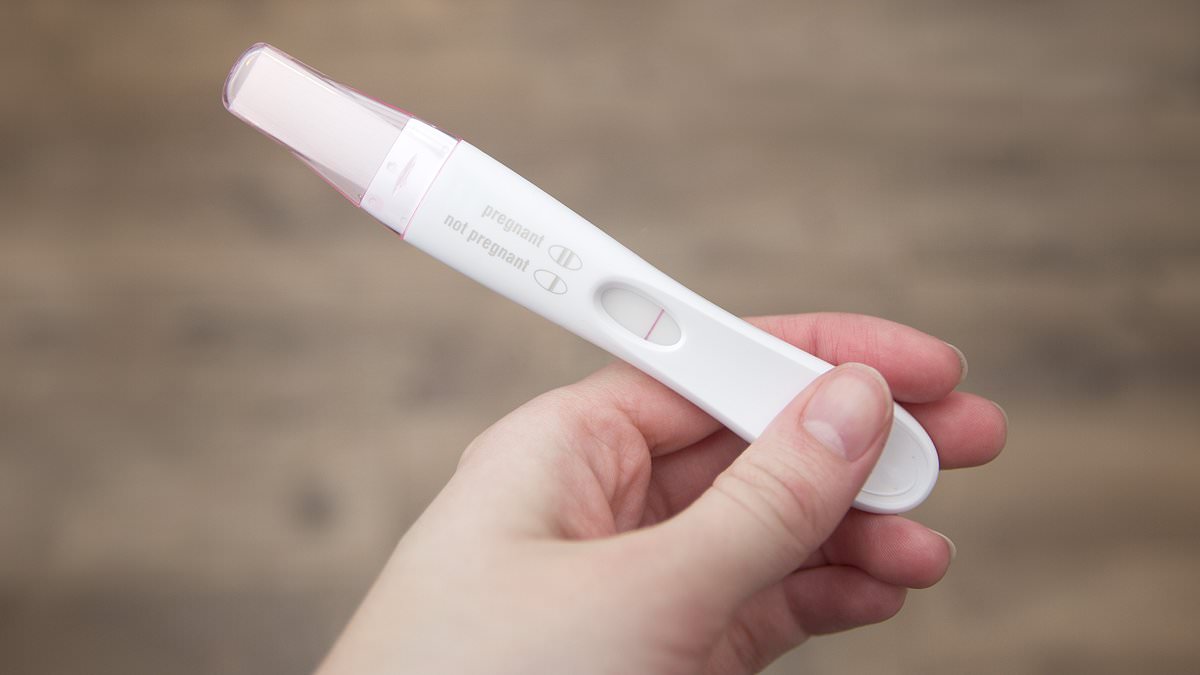
Exposure to endocrine-disrupting chemicals in the womb, including PFAS and certain compounds found in fungicides and pesticides, may be linked to rapid childhood weight gain, according to a recent study. The research, based on data from over 1,900 pairs of mothers and children in Spain, found that babies with higher exposure to these chemicals during pregnancy were more likely to experience a rapid increase in body mass index (BMI) during their early years. The study suggests that these chemicals may interfere with hormones involved in food breakdown and alter hunger cues and sensitivity to sugar and fats. Rapid BMI gain in childhood is associated with long-term health issues such as obesity, fatty liver disease, cardiovascular disease, and diabetes. Pregnant women can reduce exposure by avoiding plastic containers, nonstick pans, and large fish, and opting for organic food and personal care products without parabens and phthalates. Experts emphasize the need for regulations to reduce people's exposure to endocrine-disrupting chemicals.
Two major studies have highlighted the devastating effects of PFAS and other endocrine-disrupting chemicals (EDCs) on male and female reproductive health. These substances, found in everyday products such as plastics, food packaging, and personal care items, have been linked to infertility, genital malformations, lower sperm count and quality, early menopause, and an increased risk of breast and testicular cancers. The studies emphasize the importance of reducing exposure to these harmful substances, including eating organic food, avoiding plastics and canned foods, and changing personal care products. The decline in fertility rates adds to the ongoing fertility crisis in the United States, with experts warning of potential economic consequences.
There has been a concerning increase in the number of young women in their early 20s being diagnosed with hypothyroidism, a condition characterized by an underactive thyroid gland. While genetics and hormonal imbalances may play a role, factors such as low immunity, erratic lifestyles, inadequate nutrition, excessive stress, and exposure to endocrine-disrupting chemicals (EDCs) are believed to contribute to this rise. It is important for young women to prioritize their immune system's well-being through regular exercise, balanced diets, and stress-management techniques to potentially reduce their risk of developing hypothyroidism later in life. Regular tests and timely intervention are crucial for managing this condition and maintaining hormone balance.
A study has found that individuals with breast, ovarian, skin, and uterine cancers have significantly higher levels of endocrine-disrupting chemicals in their bodies, suggesting a potential role of these chemicals in cancer development. The study specifically highlighted the association between certain PFAS compounds and melanoma, uterine cancer, and ovarian cancer in women. The researchers emphasized the need to further investigate the impact of PFAS and phenols as environmental risk factors for cancer in women. The study also revealed racial differences in the associations. The researchers recommend that the EPA regulate PFAS as a class of chemicals to reduce exposure.