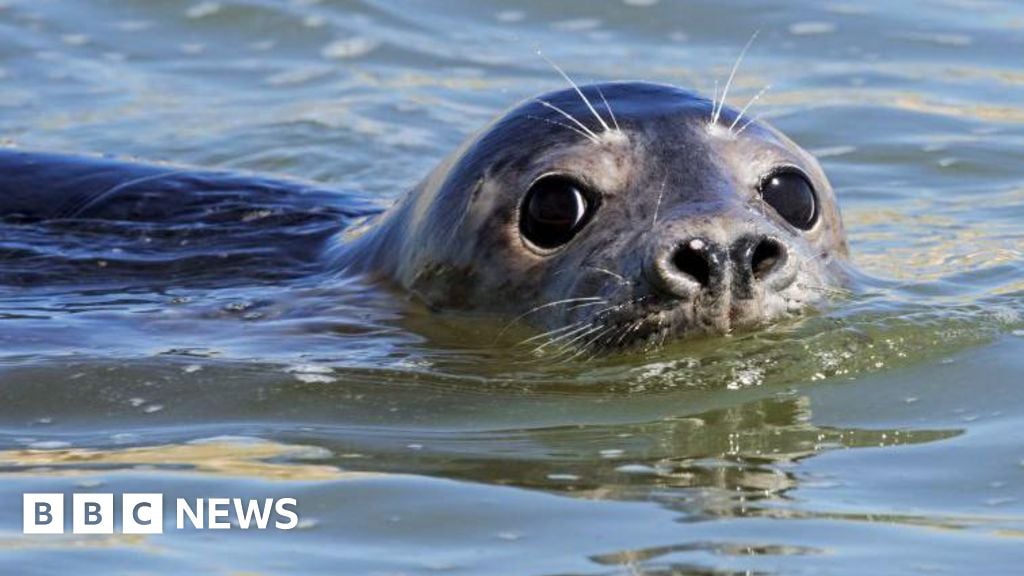
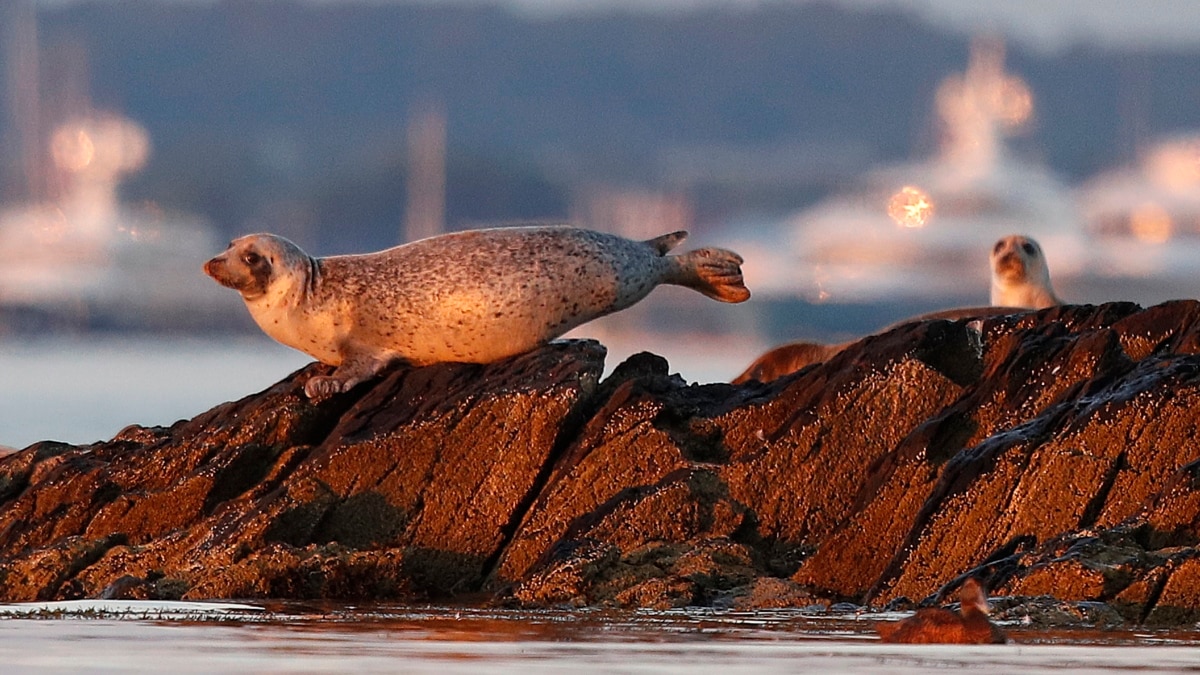
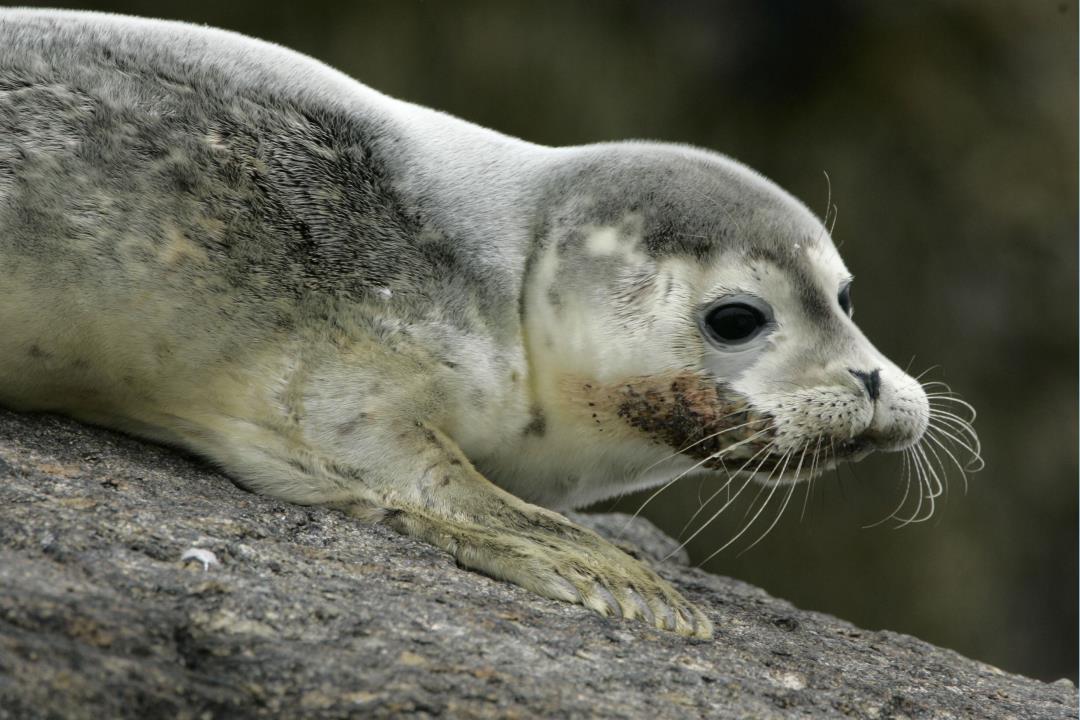
Artificial intelligence is significantly speeding up the process of monitoring seal populations at Newburgh beach in Aberdeenshire, helping researchers assess the impact of tourism on seals by analyzing drone footage more efficiently. This technology allows for better understanding of seasonal seal behavior and human disturbance, aiding conservation efforts.
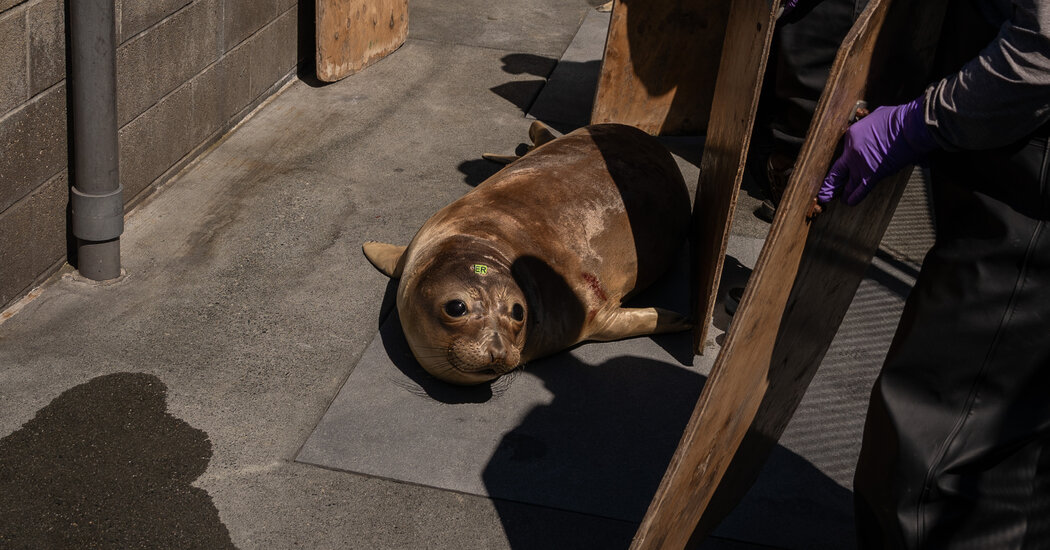
Scientists have started testing a bird flu vaccine on marine mammals, beginning with six northern elephant seals in California, with hopes to soon vaccinate endangered Hawaiian monk seals to prevent the virus from wiping out the small population.
Scientists report that an ongoing bird flu outbreak has resulted in the deaths of tens of thousands of seals and sea lions in various parts of the world, causing economic losses at poultry farms and harming wild birds. The virus has been identified in seals on both the eastern and western coasts of the United States, as well as in South America, and has also been found in mainland Antarctica. Experts warn that the continued spread of bird flu could increase the risks to humans and pose an unprecedented risk of wildlife population collapse, potentially creating an ecological crisis. Some scientists and environmental activists suggest a link between the bird flu outbreak and warming oceans connected to climate change.
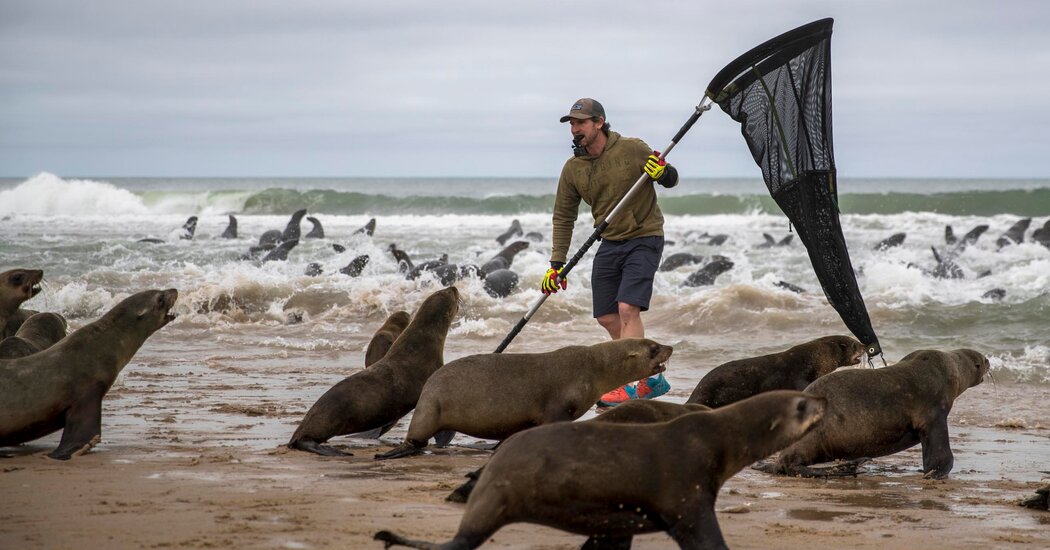
Ocean Conservation Namibia, a nonprofit group, has rescued around 3,000 seals entangled in marine garbage since 2020, with videos of its rescues becoming a sensation during the pandemic. The group, founded by Katja and Naude Dreyer, has garnered attention for its efforts in disentangling seals from fishing gear and other maritime garbage, highlighting the growing crisis of marine trash while providing a feel-good ending for the affected animals. Their work has been praised for its significant impact in addressing the issue of marine debris.
Avian influenza, which has caused the deaths of millions of domesticated birds, is now wreaking havoc on seals and sea lions worldwide, with tens of thousands of these marine mammals dying in various locations. The virus, likely contracted from infected seabirds, is disrupting ecosystems and causing concern among scientists about its potential impact on other vulnerable animal species. Some experts suggest a possible link between the outbreaks and warming oceans due to climate change.
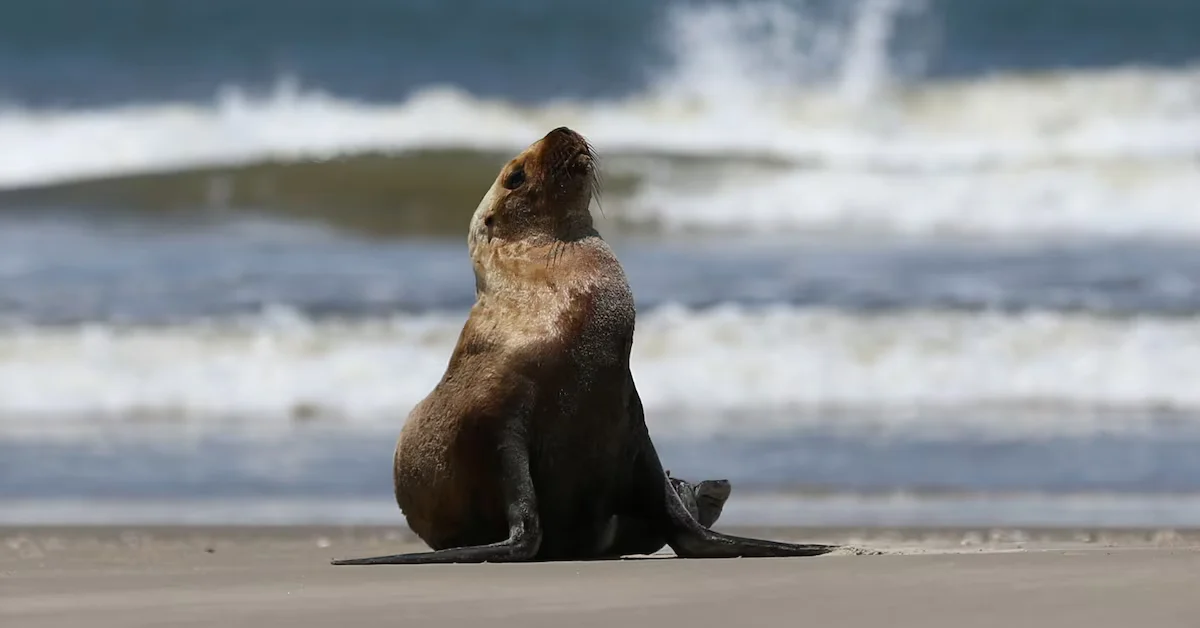
Avian influenza, or bird flu, is causing widespread deaths of seals and sea lions in regions from New England to Chile, with over 20,000 sea lions and thousands of elephant seals affected in South America. The virus, which has also been detected in mainland Antarctica, is believed to have spread to marine mammals through contact with infected seabirds. Scientists are concerned about the potential ecological crisis and the virus's impact on wildlife populations. There are also worries about the virus mutating and spreading to other species, including humans. Some scientists and environmental advocates suggest a possible link between the outbreaks and climate change, while efforts to vaccinate poultry and avoid contact with potentially infected animals are being emphasized.
Avian influenza, which has caused widespread deaths in domesticated birds, is now decimating seal and sea lion populations in various parts of the world, posing a significant threat to ecosystems. Scientists are struggling to contain the virus in wildlife, with seals in regions like New England and South America being particularly vulnerable. The virus is believed to have spread to seals through contact with infected seabirds, and its impact on marine mammals could have far-reaching ecological consequences. Efforts to vaccinate poultry and avoid contact with potentially infected animals are being made, but the situation remains concerning, especially as the virus has shown the ability to spread between birds and mammals.
Avian influenza, which has caused widespread deaths in domesticated birds, is now decimating seal and sea lion populations in various parts of the world, posing a significant threat to ecosystems. Scientists are struggling to contain the virus, which has led to the deaths of tens of thousands of marine mammals in locations such as the U.S., Chile, and Peru. The virus, likely transmitted from infected seabirds, has also been detected in mainland Antarctica for the first time. Concerns about the virus jumping to more endangered animals and its potential link to climate change have been raised, while efforts to vaccinate poultry and avoid contact with potentially infected animals are being emphasized. The deaths of marine mammals due to avian flu could have far-reaching ecological consequences, prompting urgent calls for active surveillance and management of outbreaks.
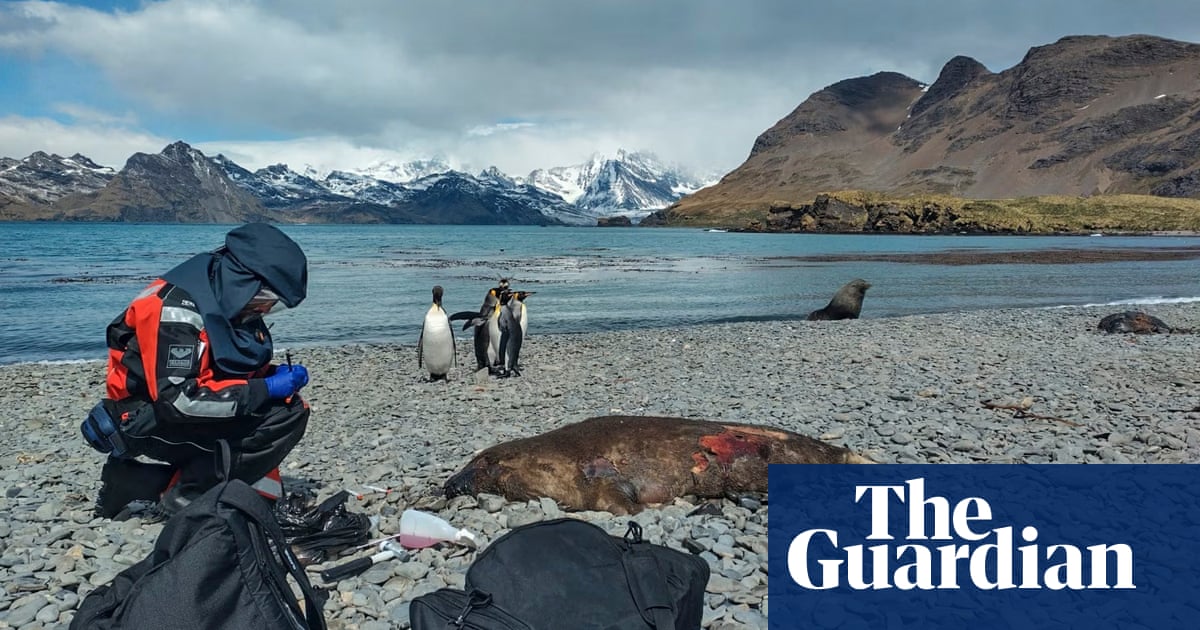
The grave of explorer Ernest Shackleton on South Georgia island has become inaccessible due to dead seals blocking the way, as bird flu has spread to 10 species of birds and mammals in the Antarctic. The H5N1 virus has caused mass die-offs of elephant seals and has now been confirmed in penguins and other birds. Visitors on a cruise were unable to disembark due to the large number of dead seals, and the impact of bird flu on wildlife in the region has raised concerns about the ecological disaster it could cause.
The U.S. Navy has identified the two SEALs lost at sea in the Gulf of Aden during a mission to board a boat carrying Iranian-made missile parts to Yemen. The missing SEALs, identified as Navy Special Warfare Operator 1st Class Christopher J. Chambers and Navy Special Warfare Operator 2nd Class Nathan Gage Ingram, were involved in a rescue attempt when one fell into rough waters. Recovery operations are ongoing, and the incident is under investigation. President Biden and military officials have expressed condolences and praised the SEALs for their service and sacrifice.
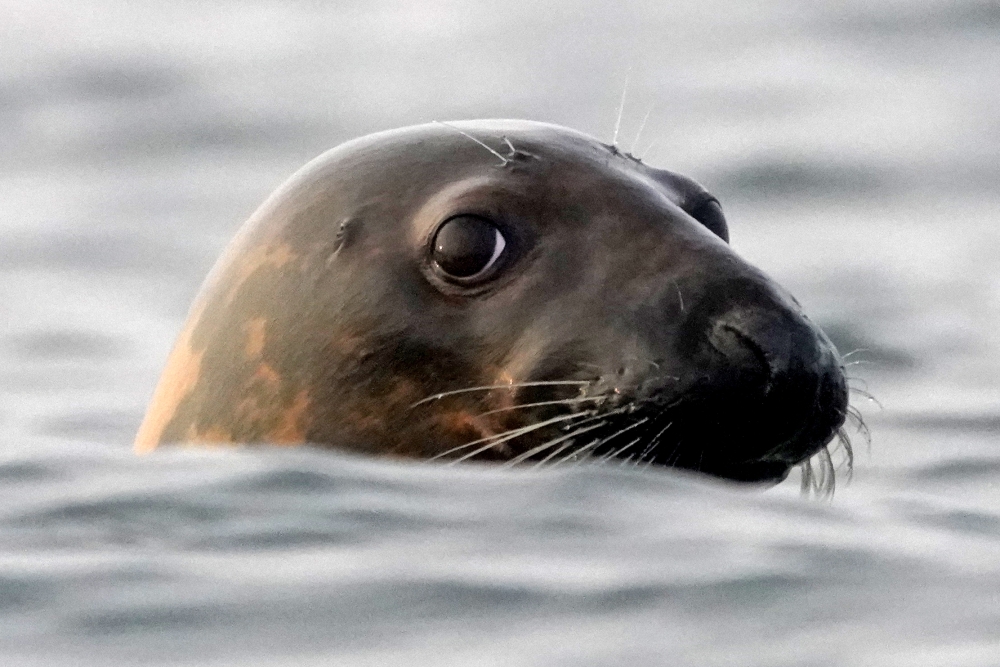
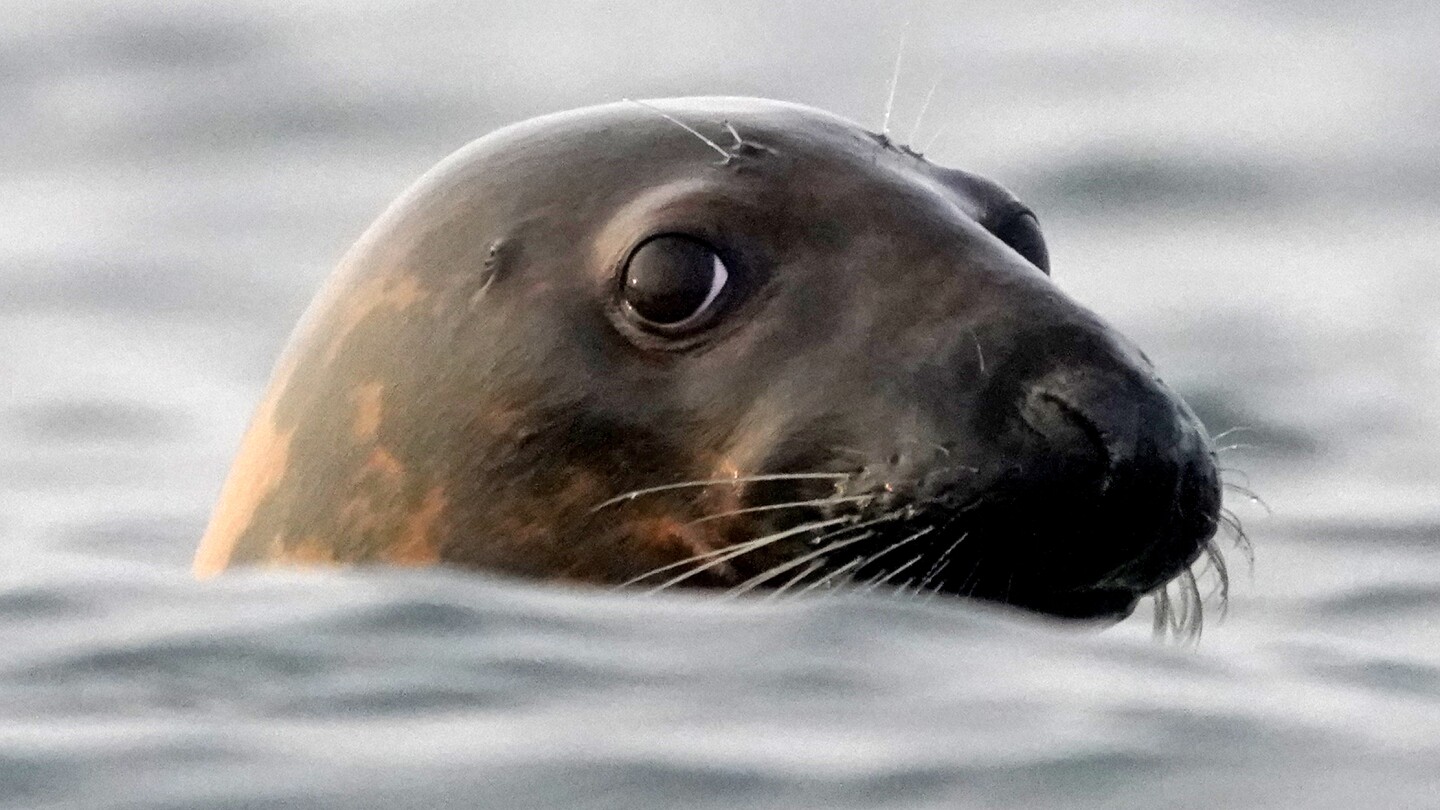
A virulent strain of avian flu has been detected in seals in the Antarctic region, raising concerns about the potential impact on wildlife in the area. The discovery of this strain in seals is particularly worrying as it could potentially spread to other species in the region. Scientists are closely monitoring the situation and working to understand the implications of this finding for both wildlife and public health.
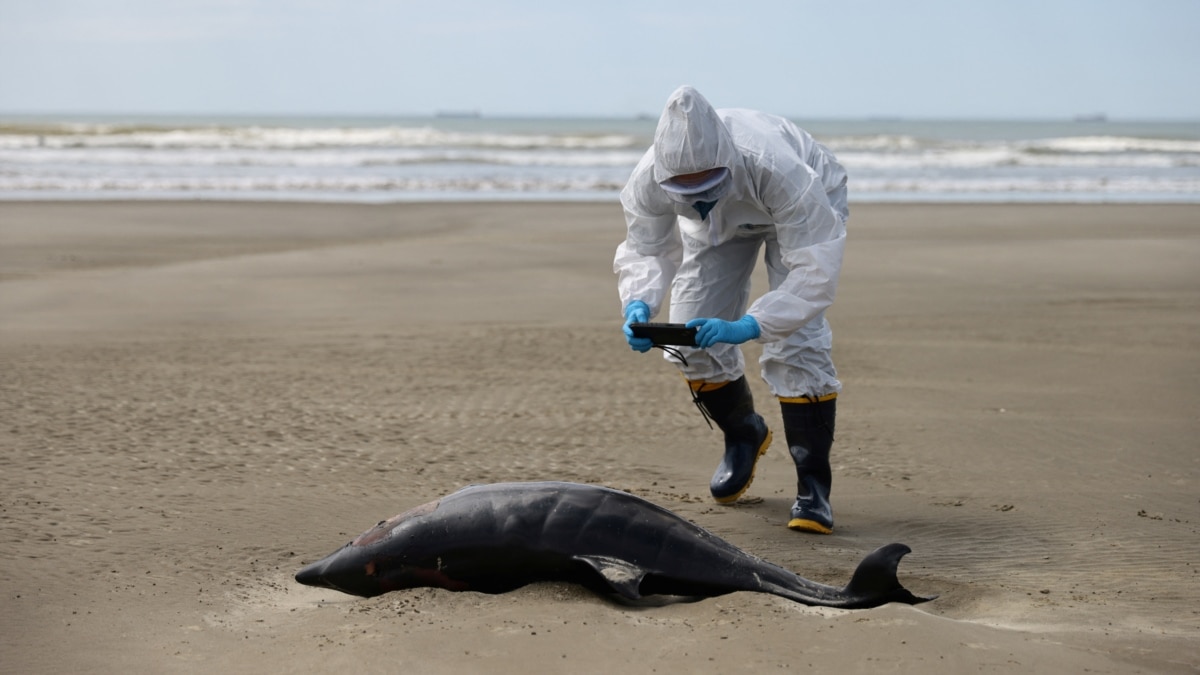
Bird flu, also known as Highly Pathogenic Avian Influenza, has caused the deaths of nearly 1,000 seals and sea lions in Brazil's southern state of Rio Grande do Sul. The virus has also affected other animal populations, including seabirds, porpoises, and penguins. Brazilian officials have declared a health emergency and implemented preventive measures to avoid an outbreak on poultry farms, which could lead to a ban on poultry exports. The spread of the disease among sea mammals is believed to have started in Peru and has reached other South American countries such as Chile, Argentina, and Uruguay.
Over 900 seals and sea lions in southern Brazil have died from bird flu outbreaks, with the highly pathogenic avian influenza (HPAI) being reported for the first time in the country this year. The virus has also been found in other animal populations, including seabirds, porpoises, and penguins. Authorities are working to isolate the virus from commercial poultry flocks to prevent an outbreak that could lead to export bans. The carcasses of the infected sea mammals need to be buried or incinerated to reduce the risk of contamination. The contagion among sea mammals is believed to have started in Peru and spread to Chile, Argentina, Uruguay, and now Brazil.
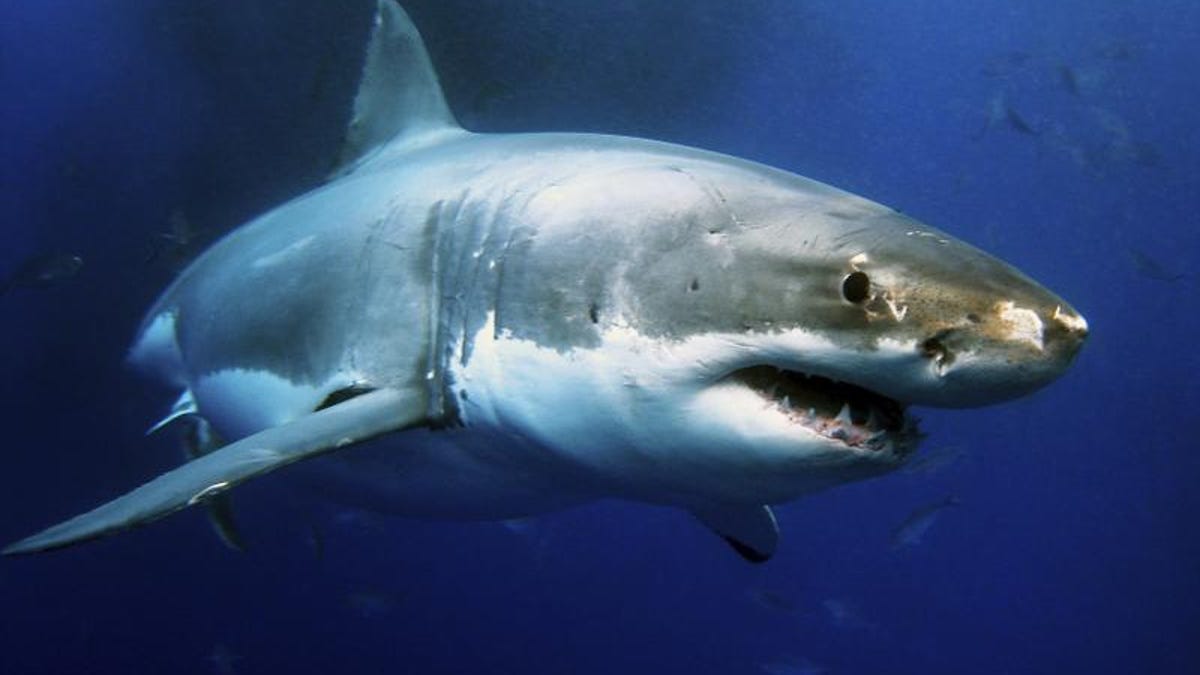
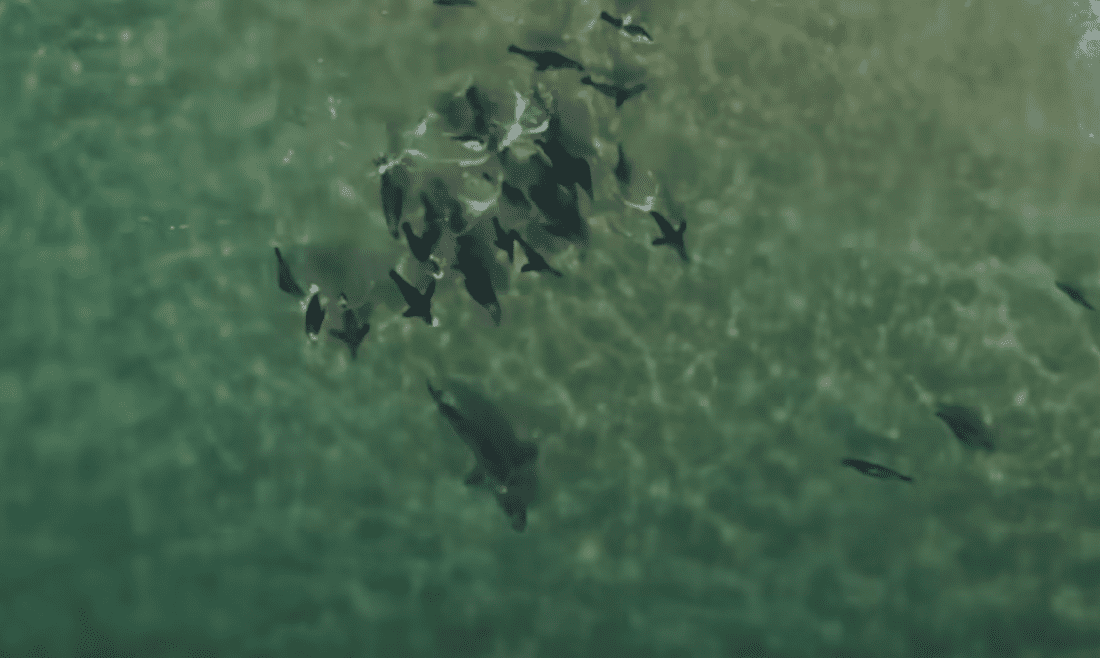
In footage from the first episode of "Planet Earth III," a pod of seals is seen mobbing and driving away a great white shark that had infiltrated their seal colony off the coast of Africa. The mobbing technique is a common defense mechanism used by seals to protect themselves from predators. Despite the surprise attack, the Robberg Peninsula remains an important habitat for the vulnerable shark, which could be their last refuge in Africa. The series, narrated by David Attenborough, premiered on BBC America and AMC+.
In a surprising turn of events, a gang of seals in South Africa was captured on video fending off multiple great white sharks, showcasing a role reversal where prey becomes predator. The incident, filmed for Planet Earth III and narrated by Sir David Attenborough, highlights the strength in numbers as the seals overwhelm the sharks. This encounter challenges the typical shark-seal dynamic and provides a unique insight into animal behavior in the wild.