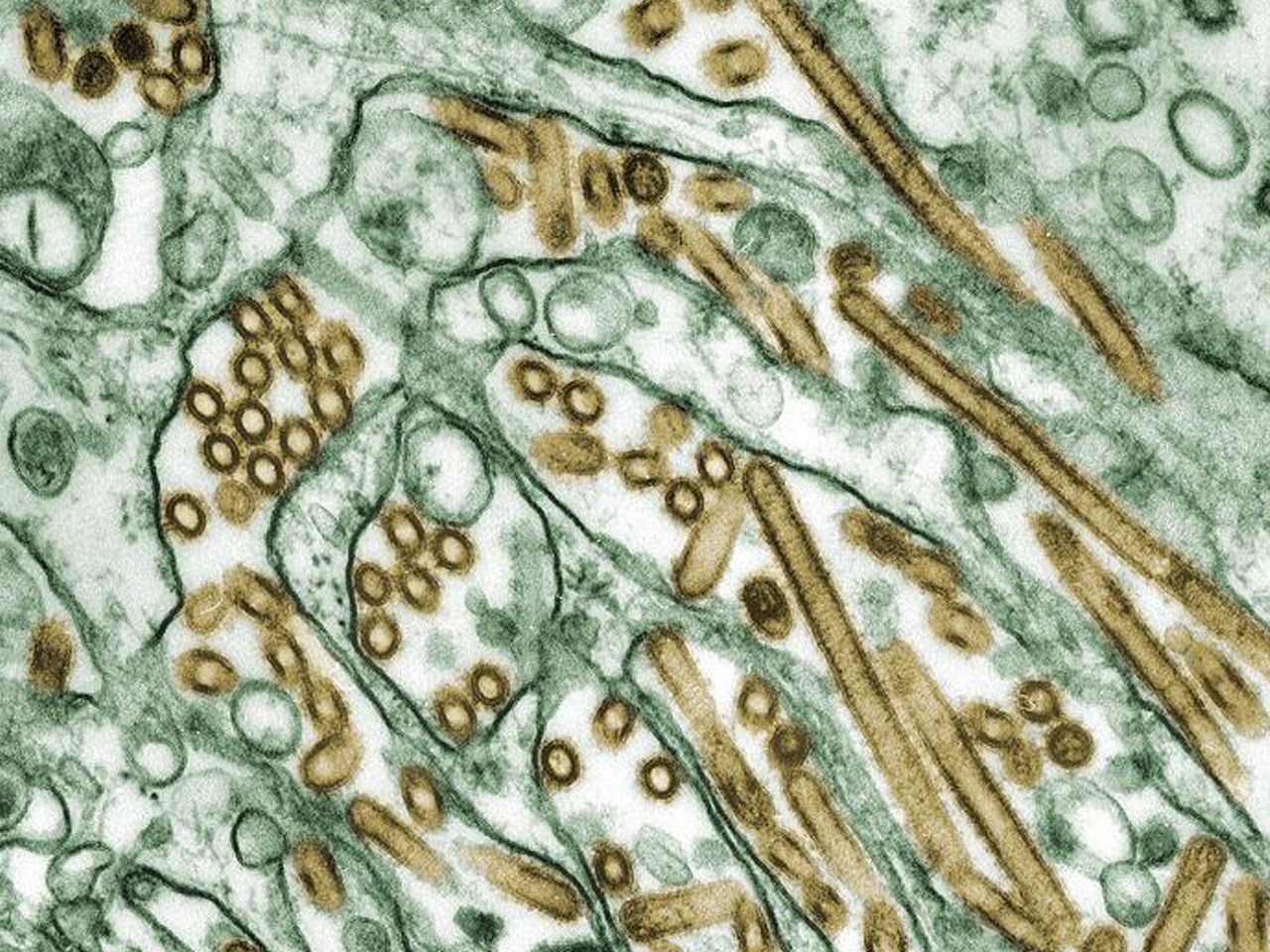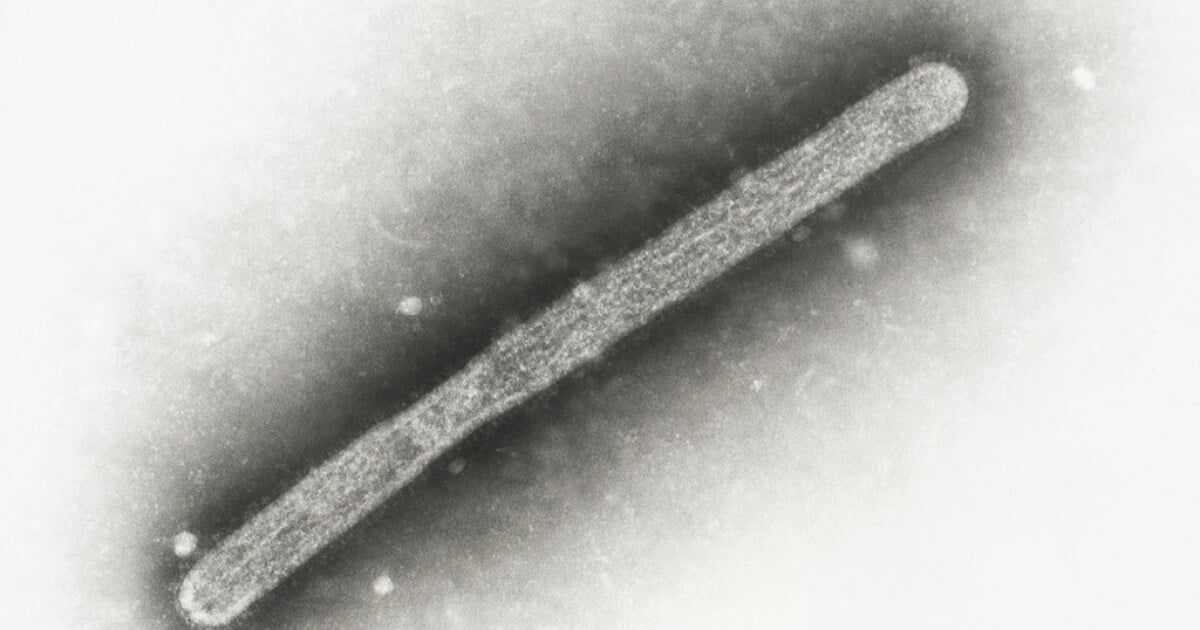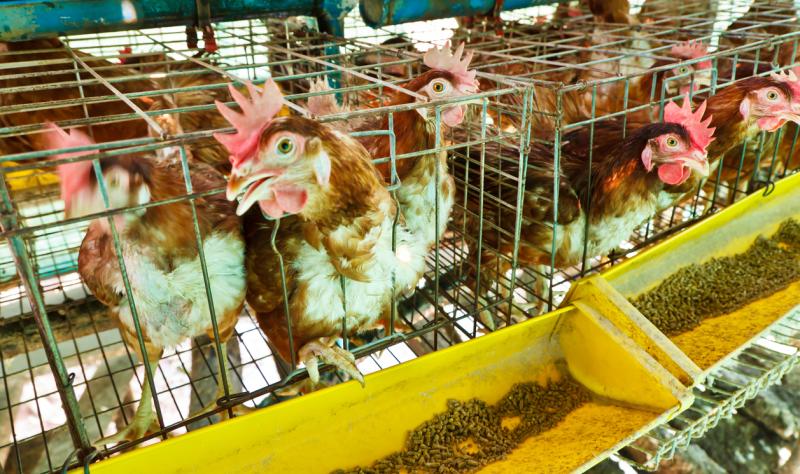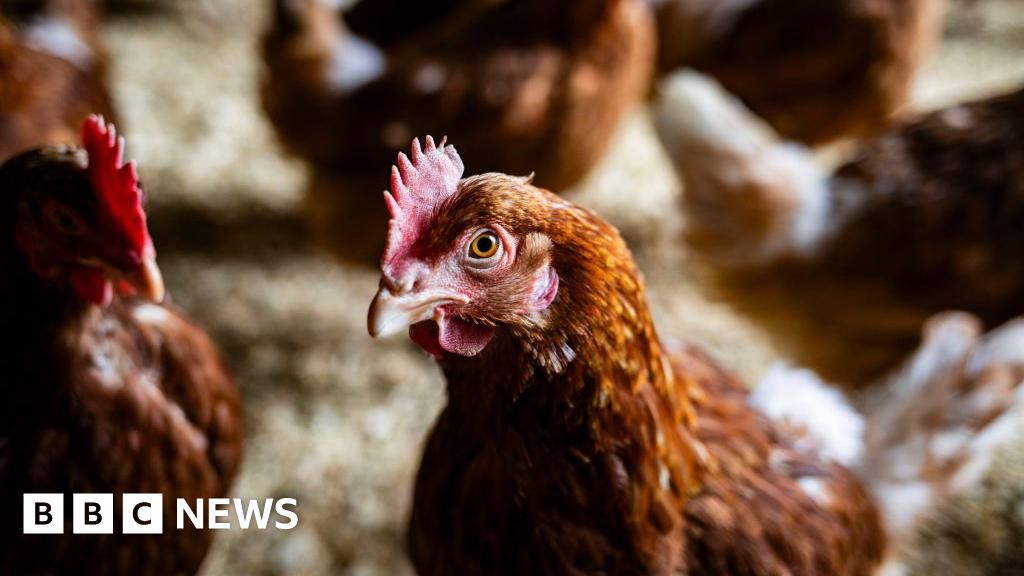
A bird flu outbreak in East Sussex has led to a public alert, with authorities establishing protection and surveillance zones around a poultry site near Uckfield. The outbreak involves highly pathogenic avian influenza, prompting biosecurity measures and restrictions on bird movements to prevent further spread. Several other cases have been reported across the UK, including at an animal sanctuary and in various counties.
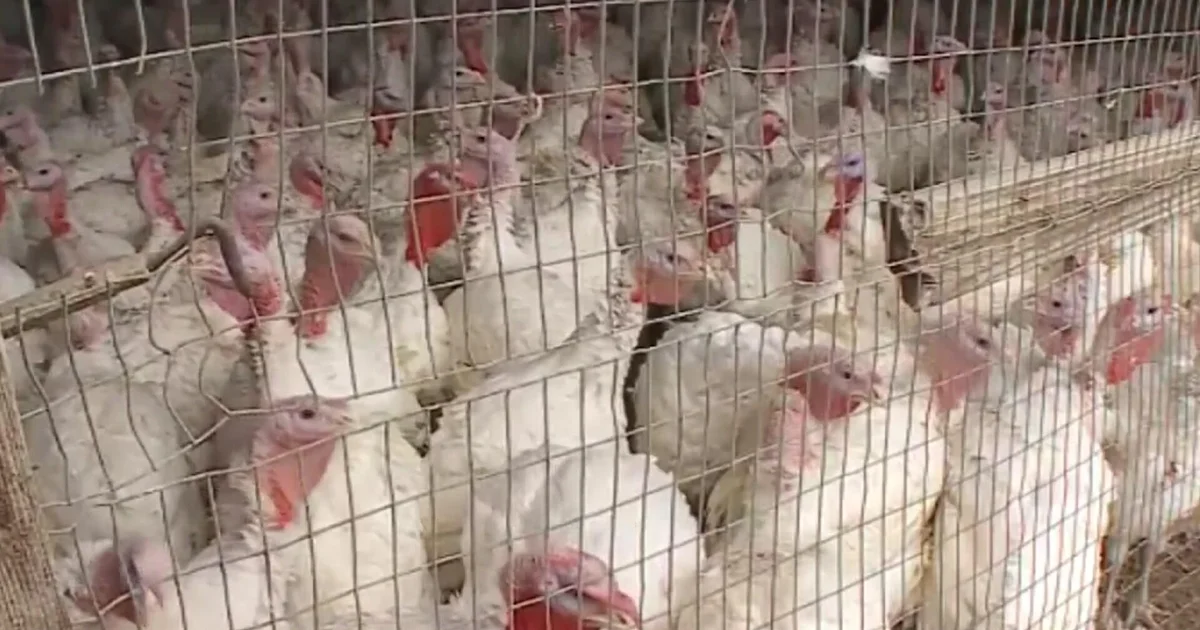
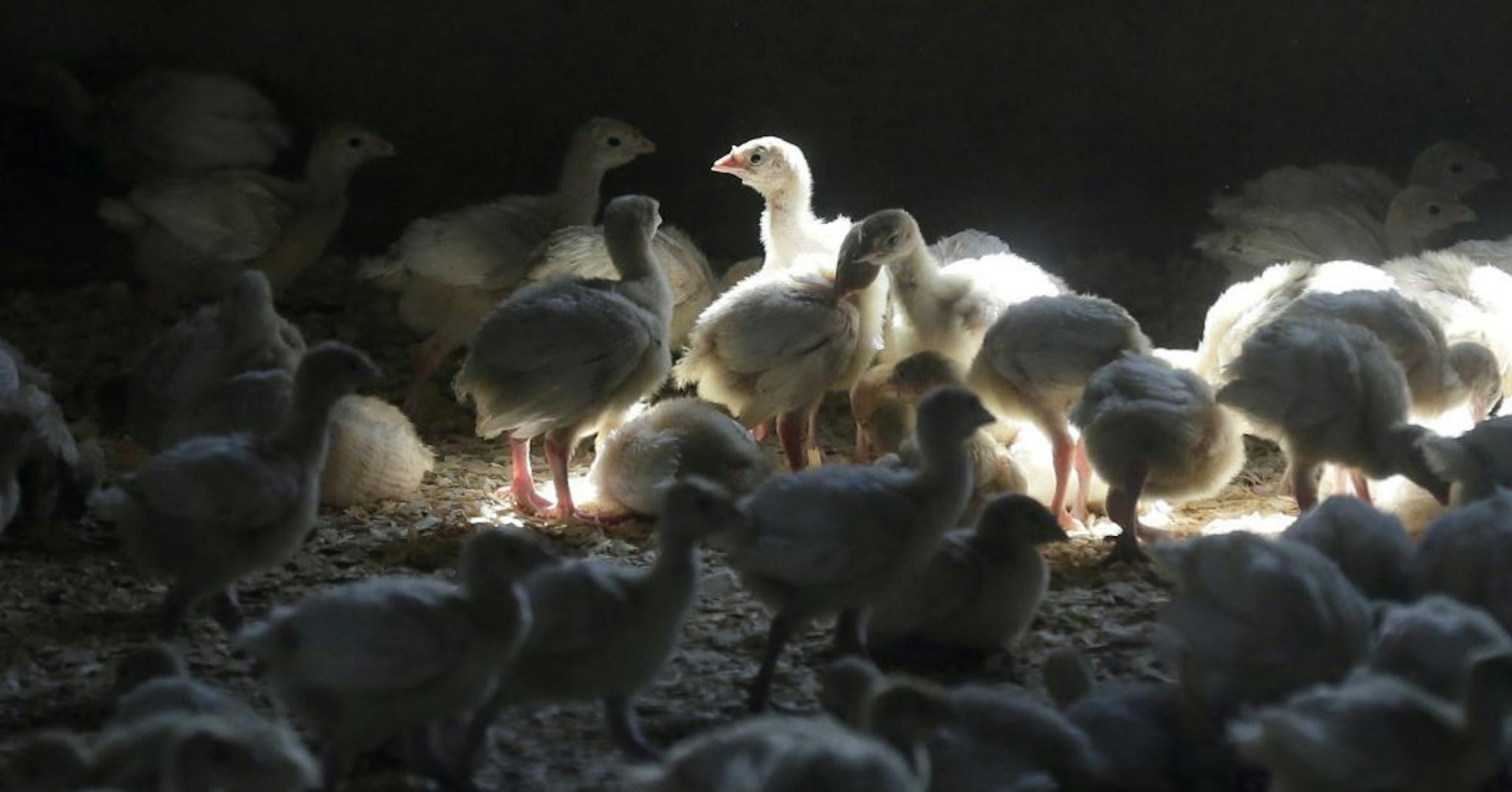
Minnesota is experiencing a rise in bird flu cases affecting thousands of turkeys and chickens, but grocers do not expect this to impact Thanksgiving turkey supply or prices, as the USDA assures food safety and previous outbreaks have not caused shortages.
Bird flu has re-emerged in Minnesota with a confirmed outbreak in a Redwood County turkey flock, leading to the culling of 20,000 birds and renewed efforts to control the virus, which poses risks to poultry and potentially to humans, though the public risk remains low.
Poultry at Hickman's Family Farms in Maricopa County, Arizona, tested positive for avian flu, leading to quarantine measures. No eggs from infected birds have entered the food supply, and there are no human health concerns reported. The CDC considers the risk to the public low, with only those directly caring for birds at higher risk.
China has reported two new human cases of H9N2 avian flu involving 1-year-old girls from Guizhou and Guangxi provinces, raising the country's total to 15 cases this year. H9N2 is known to circulate in poultry in the region, with sporadic infections often occurring in children who typically experience mild symptoms after exposure to poultry.
A backyard flock in Douglas County, Kansas, was humanely depopulated after testing positive for highly pathogenic avian influenza (HPAI). The Lawrence-Douglas County Public Health department, in collaboration with state health and agriculture departments, is monitoring individuals exposed to the flock. The risk to the general public is considered low, but precautions are advised for those in contact with birds. This marks the 33rd case in Kansas this year.
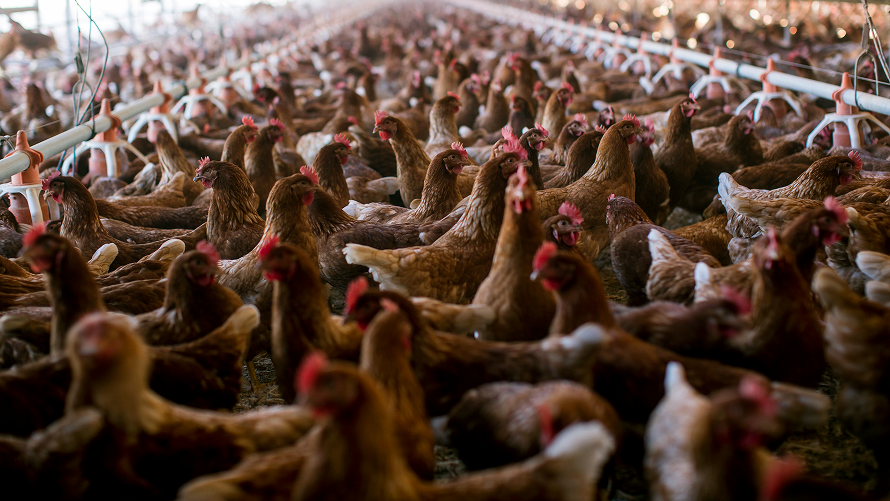
Governor Kim Reynolds has issued a Disaster Proclamation for Sioux County, Iowa, following the detection of Highly Pathogenic Avian Influenza (H5N1 HPAI) in a commercial flock of layer chickens. This marks the fourth poultry case this year and the first since June. The Iowa Department of Agriculture and Land Stewardship urges poultry and livestock producers to enhance biosecurity measures and report any suspected cases to authorities. Symptoms of H5N1 HPAI in birds include sudden death, lethargy, decreased egg production, and respiratory issues.
A case of Highly Pathogenic Avian Influenza (HPAI) has been detected at a commercial chicken facility in Gibson County, Tennessee. The Tennessee Department of Agriculture has quarantined the farm and established a 6.2-mile control zone to monitor and test poultry for the virus. The strain of the virus is currently unknown, but it is highly transmissible and deadly to domesticated birds. Health officials assure that there is no food risk, and poultry products remain safe to consume when properly handled and cooked.
A suspected case of highly pathogenic avian influenza (HPAI) has been detected at a commercial chicken facility in Gibson County, Tennessee. The state veterinarian is confident in the diagnosis, pending final confirmation. A 10-kilometer control zone has been established around the facility to monitor and test poultry, with movement restrictions in place. While HPAI poses no food safety risk, poultry owners are advised to practice strong biosecurity measures to protect their flocks. The outbreak highlights Tennessee's significant role in the global poultry industry.
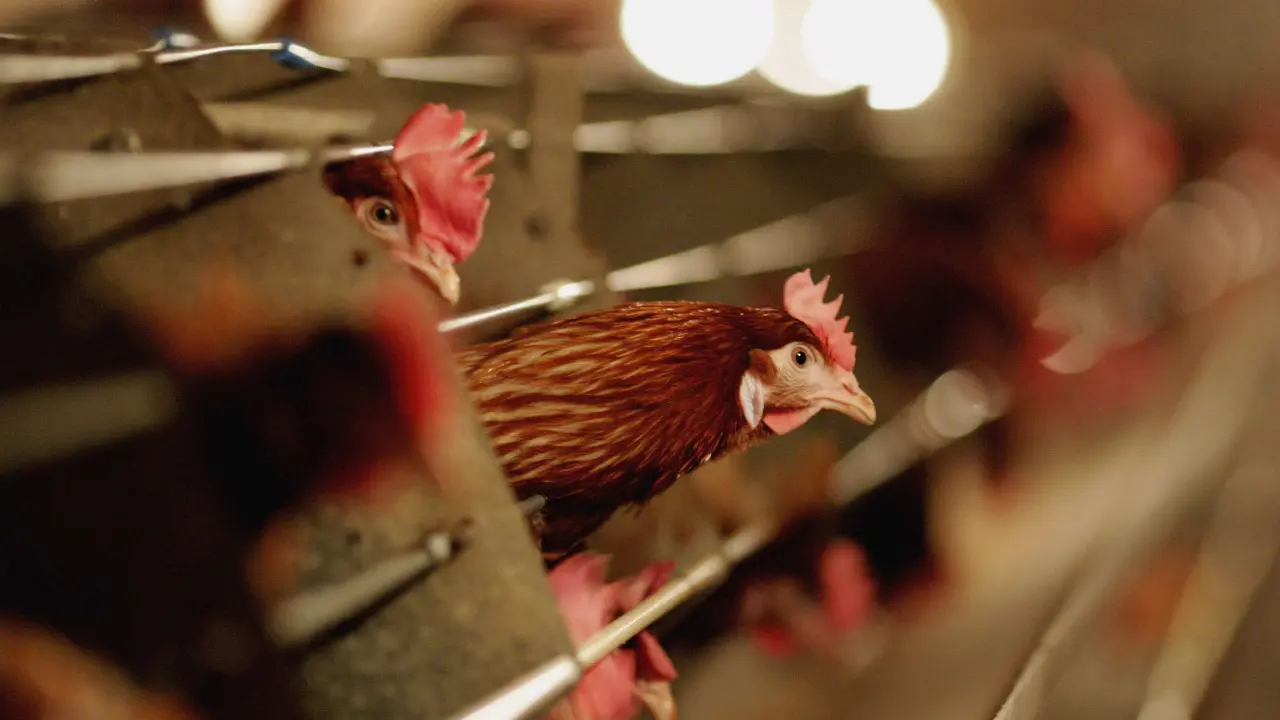
The U.S. is experiencing an egg shortage in some areas due to bird flu outbreaks affecting poultry, with 10 million birds impacted recently. While the overall egg supply remains stable, localized shortages and increased prices are reported in cities like Denver, Miami, and New York. The American Egg Board acknowledges the issue but expects shortages to be temporary as egg farmers replenish stocks. Egg prices have decreased from earlier highs, and the situation is being closely monitored as avian influenza continues to spread.
A backyard chicken flock in Whatcom County has tested positive for highly pathogenic avian influenza, prompting health officials to depopulate the flock to prevent the spread of the disease. While the risk of transmission to humans is low, those in direct contact with birds, such as agriculture workers and hobbyists, are advised to wear protective gear and get vaccinated against seasonal flu. The county has been monitoring the virus since its detection in Washington in 2022, with no human cases reported in Whatcom County so far.
B.C. farmers, including Mark Siemens, are devastated by an avian flu outbreak that led to the euthanization of his entire 45,000-bird flock. The highly pathogenic H5N1 strain has affected multiple farms, with the Canadian Food Inspection Agency (CFIA) overseeing containment and disinfection efforts. Despite the loss of millions of birds, poultry supply and prices remain stable due to unaffected farms and resources from other provinces. Farmers are implementing strict biosecurity measures to prevent further spread, while Siemens hopes to resume operations within a year.
A case of avian influenza has been detected at a commercial poultry farm in Pinal County, Arizona, prompting quarantine and enhanced biosecurity measures. The Arizona Department of Agriculture and Health Services confirmed the outbreak, noting that eggs produced after the onset of the illness have not entered the food supply. The risk to the general public is considered low, with the highest risk to farm workers. Avian influenza, or bird flu, is caused by influenza type A virus infections in birds and can potentially mutate to infect humans.
Bird flu has been detected at a commercial poultry farm in Pinal County, Arizona, prompting quarantine and enhanced measures to control the virus. The Arizona Department of Agriculture assures that eggs produced after the onset of illness have not entered the food supply, maintaining consumer safety. The CDC reports a low public health risk, with 52 human cases confirmed in 2024, none in Arizona.
California and Washington have reported more suspected H5 avian flu cases among farm workers, with California confirming 20 cases and Washington 12. The CDC has confirmed several of these cases. Additionally, the USDA has identified new H5N1 outbreaks in dairy cattle and poultry across multiple states, including California and Utah. Los Angeles County has detected the virus in wastewater for the first time, though no human cases have been reported there, and the risk to residents is considered low.