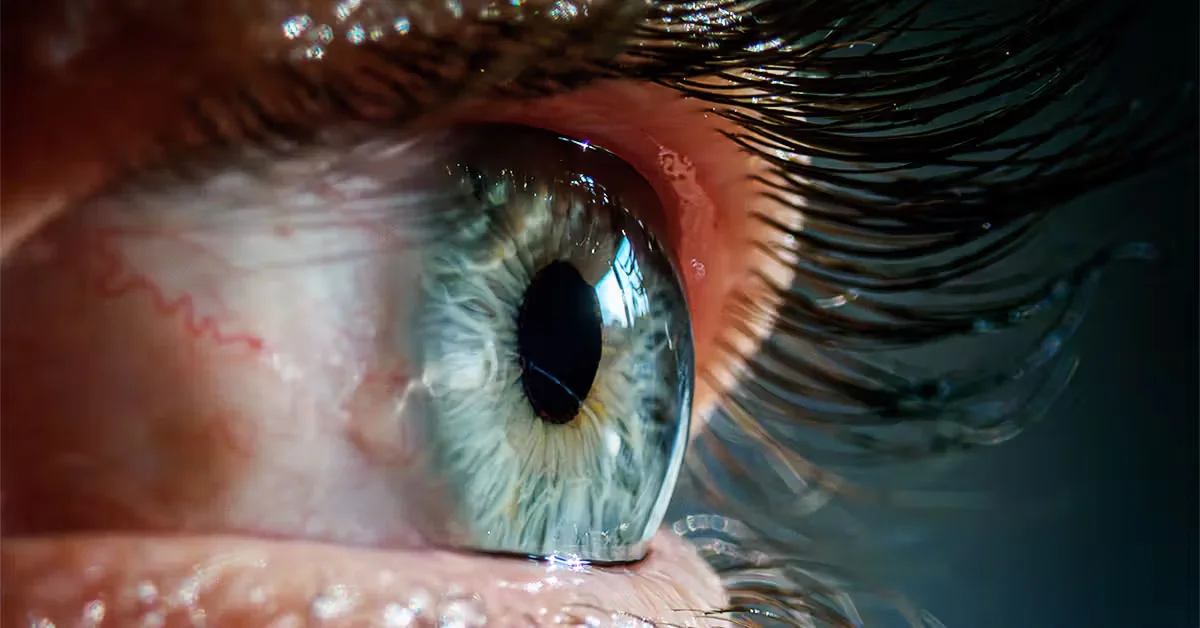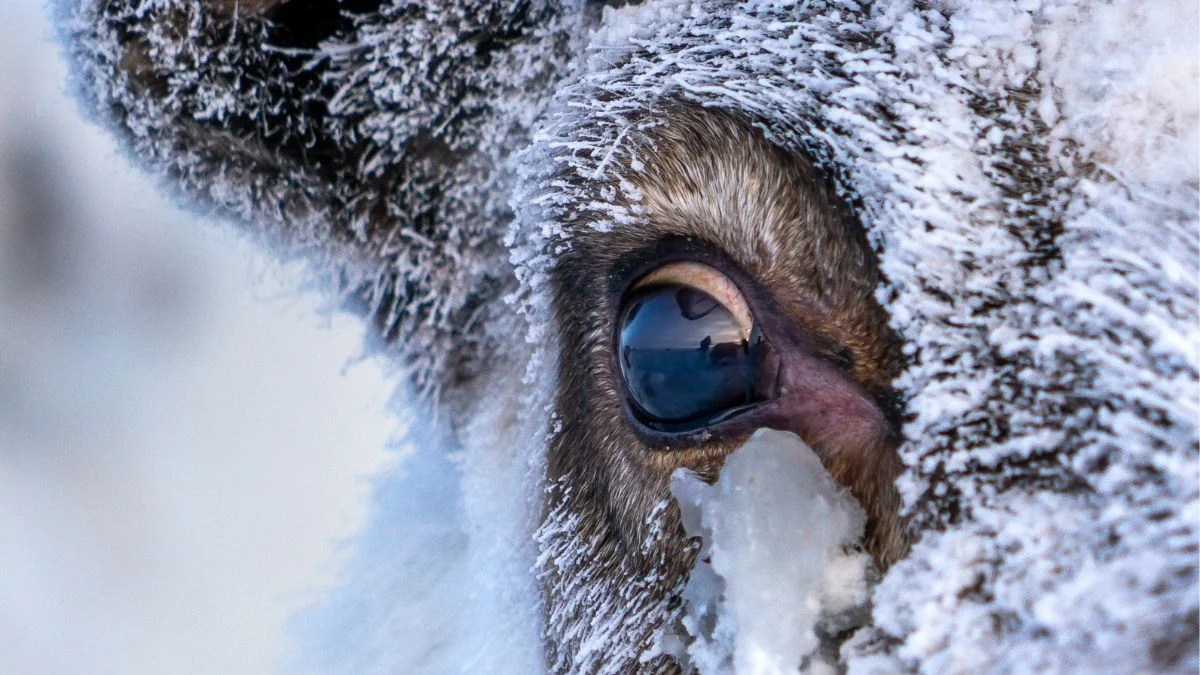
Reindeer eyes change color with the seasons, turning deep blue in winter to adapt to the low-light Arctic environment, possibly functioning as natural sunglasses by reflecting more blue light to enhance vision in darkness, a unique and reversible adaptation involving structural changes in the eye's tapetum lucidum.
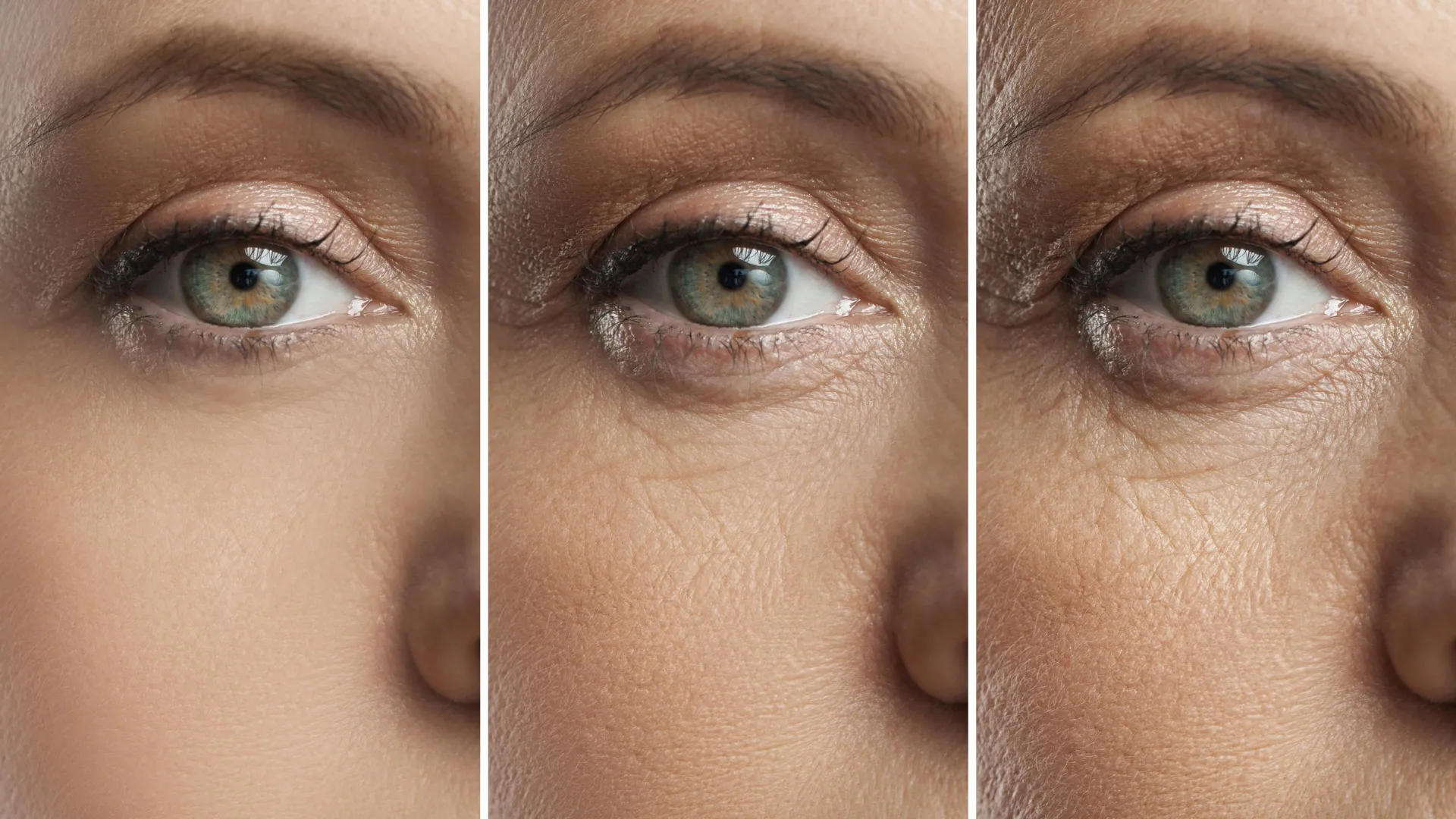
Researchers at UC Irvine have discovered that injecting a specific fatty acid can reverse age-related vision decline in mice, offering potential new treatments for age-related eye diseases like macular degeneration, and possibly impacting immune system aging as well.
Marvel announced the upcoming Disney+ series 'Vision Quest' set for 2026, featuring Paul Bettany as White Vision alongside versions of Ultron, Jarvis, and Friday, as well as a grown-up Tommy, Wanda and Vision's son. The trailer hints at a storyline involving AI recreations and the aftermath of Vision's death and reanimation, continuing the narrative from 'WandaVision' and the Marvel Cinematic Universe.
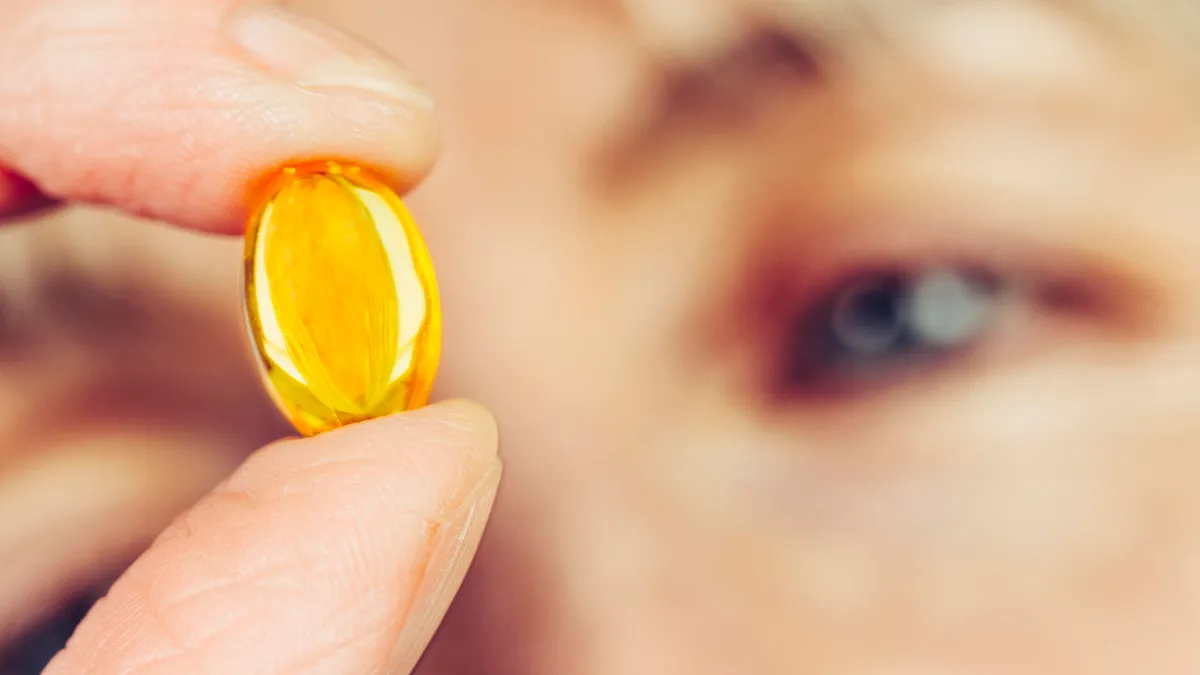
The article discusses how a balanced diet rich in specific vitamins and supplements such as vitamin A, C, E, omega-3s, zinc, lutein, and zeaxanthin can support eye health and protect against common eye issues, especially during summer. It emphasizes consulting a doctor before starting any new supplement regimen and offers additional tips like wearing sunglasses, taking screen breaks, exercising, avoiding smoking, and regular eye exams to preserve vision.
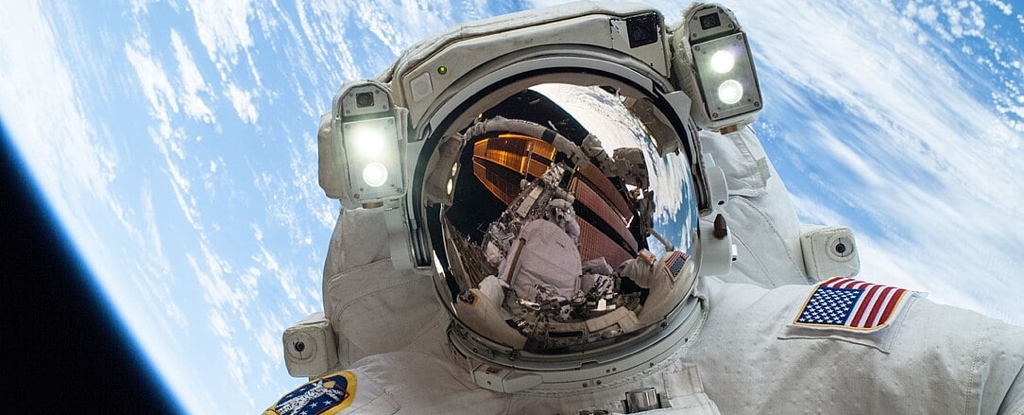
Many astronauts experience permanent vision changes, known as Spaceflight Associated Neuro-ocular Syndrome (SANS), during long space missions due to fluid redistribution in microgravity, prompting NASA to develop countermeasures to protect astronauts' eyesight and ensure mission success.
A study involving 8,623 participants in Norfolk, England, suggests that a loss of visual sensitivity can predict dementia up to 12 years before diagnosis. The research indicates that visual issues, such as difficulty in recognizing shapes and controlling eye movements, may be early indicators of cognitive decline due to Alzheimer's disease. These findings highlight the potential of vision tests as early diagnostic tools for dementia, although widespread use is limited by the cost and complexity of eye-tracking technology.
A legally blind woman, Patrícia Gonçalves, has achieved better than 20/20 vision after undergoing a pioneering AI-powered laser surgery in the UK. The procedure involved creating a digital clone of her eyes, allowing an AI to simulate and determine the optimal laser treatment. The surgery, performed at Focus Clinics in London, resulted in her vision improving to 20/16, surpassing the standard 20/20 benchmark. This innovative "Eyevatar" technology, previously used in China and Australia, has shown promising results, with many patients achieving superior visual acuity.
A study by the University of Münster reveals that the brain's mechanism for stabilizing vision during rapid eye movements fails with non-rigid motions like rotating vortices, leading to visual instability. This challenges existing models of visual processing, showing that smooth and rapid eye movements are processed through different neural pathways. These findings could enhance research into cognitive and neurodegenerative disorders by providing insights into visual compensation mechanisms.
Diabetes can lead to retinal damage, causing vision loss, but early detection and treatment can prevent this outcome. Nearly 40 million Americans have diabetes, with almost half developing diabetic retinopathy, a condition where diabetes damages retinal blood vessels. Risk factors include poor blood sugar control, high blood pressure, and kidney disease. Regular dilated eye exams are crucial for early detection. Advanced technologies like optical coherence tomography and treatments such as anti-VEGF eye injections can help manage the condition.
A new NIH analysis reveals that daily antioxidant supplements, specifically the AREDS2 formula, can slow the progression of late-stage dry age-related macular degeneration (AMD), helping to preserve central vision by reducing the expansion of geographic atrophy towards the fovea.
Jake Gyllenhaal, who is legally blind with a vision of 20/1250, views his condition as advantageous and has used it to enhance his acting. He will star in the upcoming Apple TV+ series "Presumed Innocent," where he plays a chief deputy prosecutor. Gyllenhaal's character in the series is inspired by his godfather, Paul Newman.
Jake Gyllenhaal, who has 20/1250 vision and wears thick corrective lenses, discusses his experience with being legally blind and how it has influenced his life and acting career.
A study published in PLOS Pathogens reveals that COVID-19 can infect the retina and cause significant eye damage, even if the virus does not enter through the eyes. Researchers at the University of Missouri found that the virus can breach the blood-retinal barrier, inducing a hyperinflammatory response and causing cell death. This discovery highlights the potential long-term visual complications of COVID-19, especially for immunocompromised individuals or those with pre-existing conditions like hypertension or diabetes. The study emphasizes the need for further research and monitoring of retinal health in COVID-19 patients.
Researchers at Cold Spring Harbor Laboratory developed an AI model to study the fruit fly brain, revealing that multiple neuron combinations process visual data in a complex "population code." This breakthrough could pave the way for understanding the human visual system and related disorders.
Asteroid hyalosis (AH) is an age-related condition that makes the eyes appear to sparkle like a galaxy due to calcium buildup in the vitreous fluid. It affects 1-2% of people and is generally benign, rarely causing vision issues. The condition's exact cause and its potential links to other health issues remain unclear, necessitating further research.