Tag

Mhra

All articles tagged with #mhra

MHRA warns Ozempic/Wegovy could cause rare eye condition
healthcare21 days ago

MHRA warns Ozempic/Wegovy could cause rare eye condition

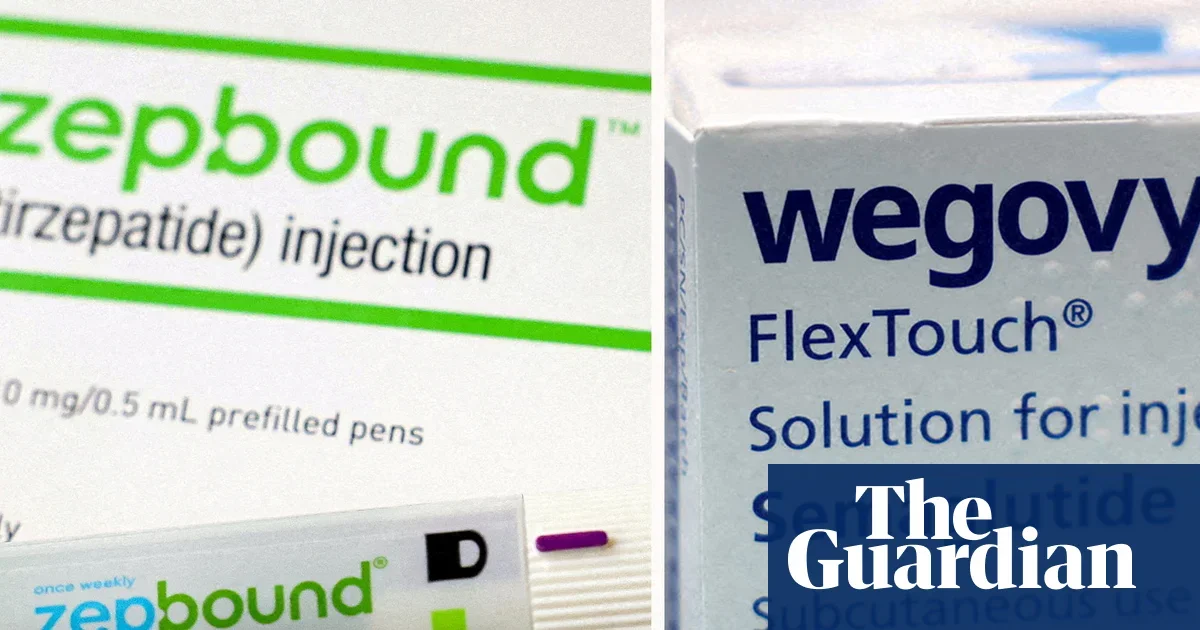
Britain's MHRA has warned that the diabetes/weight‑loss injections Ozempic (semaglutide) and Wegovy may cause a rare optic nerve condition (NAION) that can lead to sudden vision loss in one eye. The regulator has received three reports, but says the overall risk is very small; with about two million UK users, patients and clinicians are advised to be alert to symptoms and seek urgent eye care if vision changes occur. The warning also notes that pancreatitis is a known but infrequent side effect of GLP-1 weight‑loss drugs.
UK reports triple-digit rise in Mounjaro side effects in 2025, with 71 deaths
health24 days ago

UK reports triple-digit rise in Mounjaro side effects in 2025, with 71 deaths

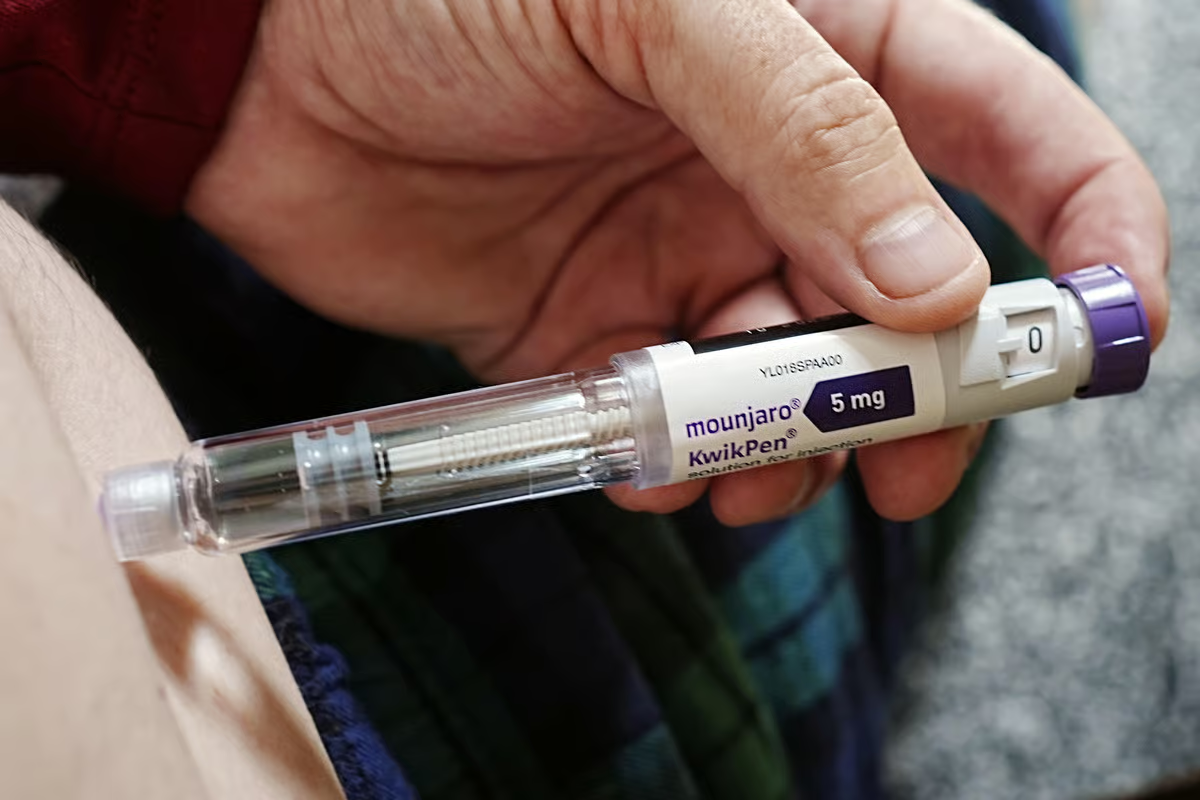
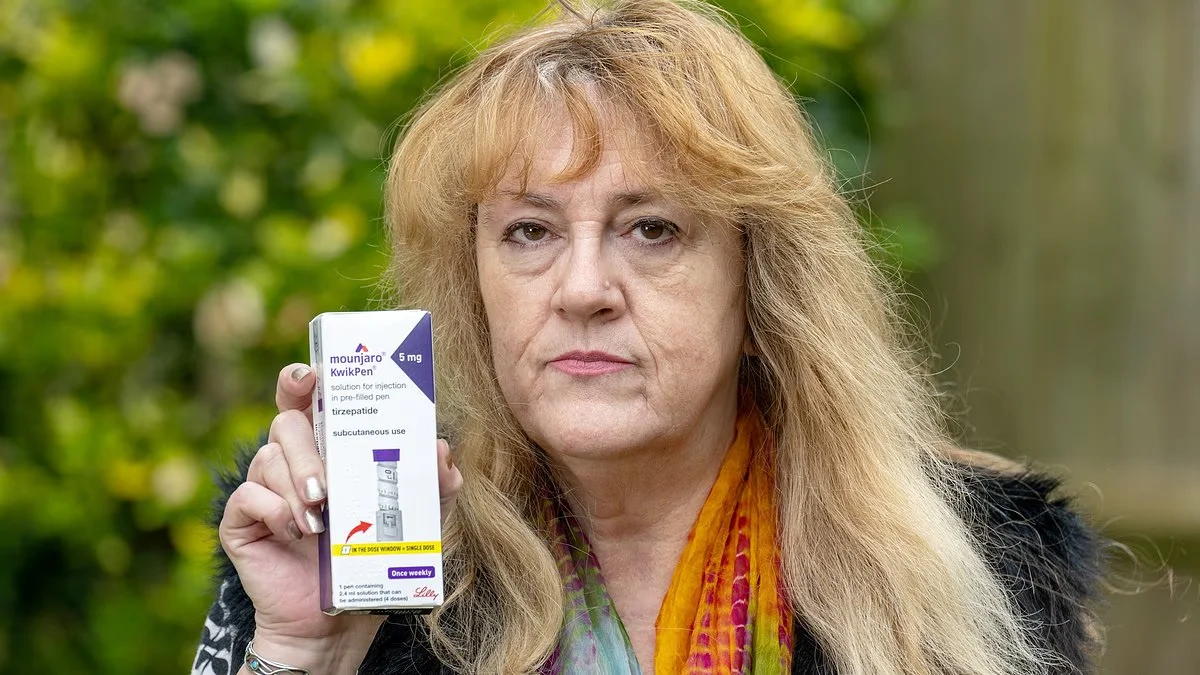
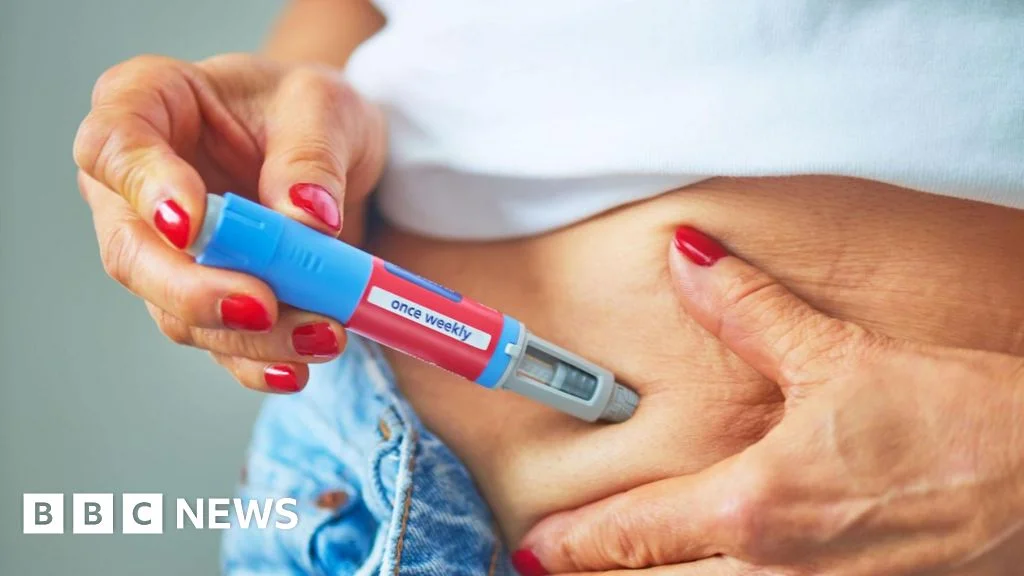
UK health chiefs recorded 40,245 adverse reactions to the diabetes/weight-loss jab Mounjaro in 2025 (6,755 serious; 71 deaths), a roughly 340% rise from 2024. Gastrointestinal disorders were the most common reaction (37,546 reports, 19 fatal). The NHS notes symptoms like nausea and diarrhea, while patients report severe side effects. Eli Lilly says safety is a priority and that risks are monitored. The MHRA updated product info to include a small risk of severe acute pancreatitis for Mounjaro (as well as Wegovy and Ozempic). Regulators stress benefits often outweigh risks, and urge patients to consult doctors about side effects. In the UK, around 1.6 million people are said to have used these lipids-lowering injections in the past year.

UK cautions on rare pancreatitis risk from GLP-1 weight-loss injections
health28 days ago

UK cautions on rare pancreatitis risk from GLP-1 weight-loss injections

The UK MHRA warns that GLP-1 obesity drugs like Wegovy, Mounjaro, and Ozempic carry a very small but real risk of acute pancreatitis. Users should seek immediate medical attention for severe, persistent stomach pain that may radiate to the back, especially with nausea or vomiting. While hundreds of pancreatitis reports exist, none are confirmed as caused by these medicines. About 1.6 million adults in the UK are estimated to have used GLP-1 products recently. Most patients benefit and are safe, but patients should discuss benefits and risks with their prescriber and report any suspected adverse effects.

MHRA Flags Rare Pancreatitis Risk From GLP-1 Weight-Loss Injectables
health29 days ago

MHRA Flags Rare Pancreatitis Risk From GLP-1 Weight-Loss Injectables

Britain’s MHRA warns that GLP-1 weight‑loss injections (semaglutide, tirzepatide) carry a small risk of pancreatitis. With about 1.6 million users in 2024–25, the Yellow Card scheme has logged 1,143 cases of pancreatitis (acute and chronic) and 17 deaths among GLP-1 users, most in 2025 (807 tirzepatide, 166 semaglutide). Fewer reports exist for liraglutide and dulaglutide. Patients should watch for severe, persistent abdominal pain with nausea and report suspected adverse reactions, while researchers use the Yellow Card Biobank to study genetic risk. Manufacturers reiterate safety and supervised use.

UK investigates pancreas risks linked to weight loss and diabetes jabs
health8 months ago

UK investigates pancreas risks linked to weight loss and diabetes jabs

A study has been launched to investigate serious side effects, including pancreatitis, linked to weight loss drugs like Mounjaro, Ozempic, and Wegovy, after reports of hospitalizations and deaths. The research aims to identify genetic risk factors to improve safety and reduce adverse reactions, with data collection through the MHRA's Yellow Card scheme and saliva samples from affected patients.

MHRA Cracks Down on Common Antibiotic Over Suicide Risk
health2 years ago

MHRA Cracks Down on Common Antibiotic Over Suicide Risk

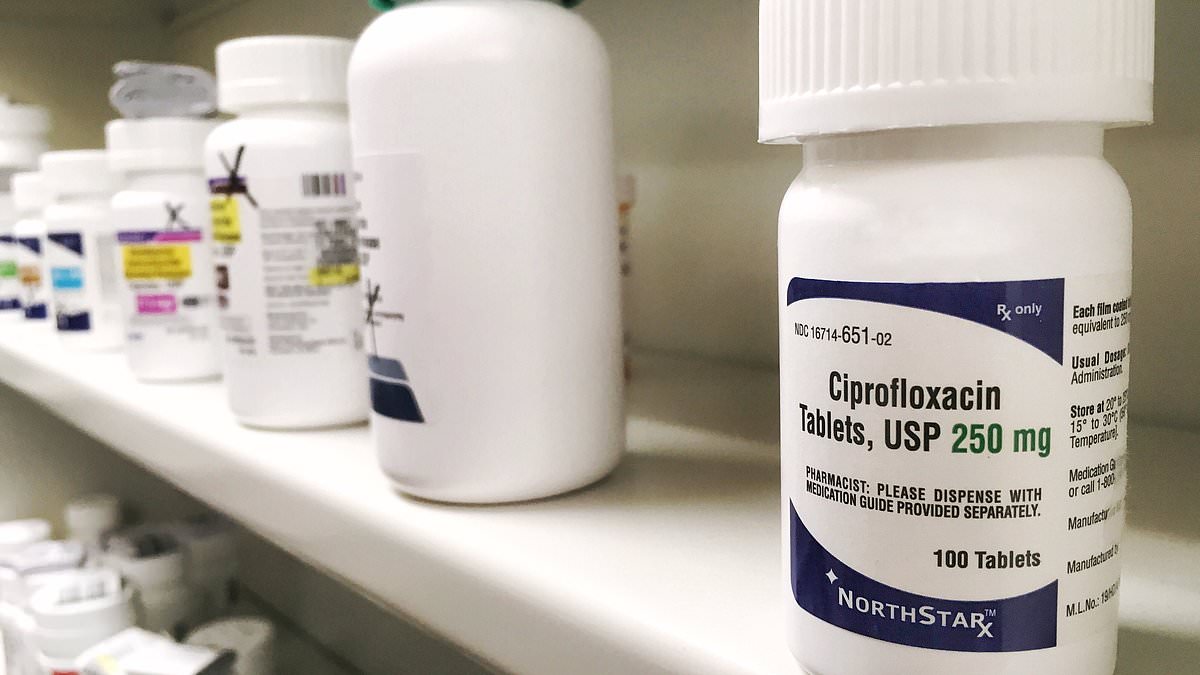
The Medicines and Healthcare products Regulatory Agency (MHRA) has instructed doctors to limit the prescription of fluoroquinolone antibiotics due to safety concerns, including a link to suicidal thoughts. These antibiotics should only be prescribed when no other drug is deemed appropriate, and patients are advised to discontinue use at the first signs of serious adverse reactions. The crackdown follows reports of irreversible harm such as tendon rupture, nerve, joint and muscle pain, fatigue, insomnia, and gut problems associated with fluoroquinolones. Patients are urged to carefully read the patient information leaflet and seek immediate medical advice if they experience specific side effects.

MHRA Tightens Restrictions on Fluoroquinolone Antibiotics
health2 years ago

MHRA Tightens Restrictions on Fluoroquinolone Antibiotics

The Medicines and Healthcare products Regulatory Agency (MHRA) has introduced new restrictions for fluoroquinolone antibiotics, stating that they should only be prescribed when other antibiotics are inappropriate due to resistance, contraindications, failure of first-line antibiotics, or side effects. This comes after reports of long-lasting adverse reactions from patients, prompting the MHRA to prioritize patient safety and advise careful monitoring for potential side effects, including those related to tendons, muscles, joints, nerves, and mental health. Healthcare professionals are reminded to be vigilant about the risk of suicidal thoughts and behaviors associated with fluoroquinolone antibiotics, and patients are encouraged to report any suspected adverse reactions via the Yellow Card scheme.

"Skinny Jab Ingredient Raids Lead to Arrest of Ozempic Man"
crime2 years ago

"Skinny Jab Ingredient Raids Lead to Arrest of Ozempic Man"

A man in his 30s has been arrested in East Yorkshire on suspicion of illegally selling "skinny jabs" online. Police raided a house near Hull and seized vials believed to contain semaglutide, the active ingredient in the weight loss drug Ozempic. The Medicines and Healthcare Products Regulatory Agency (MHRA) and Humberside Police conducted the operation, targeting the black market supply of semaglutide. The MHRA has launched a crackdown on black market sellers due to increased demand for weight loss jabs and other products. Taking semaglutide incorrectly can have serious side effects, and unregulated versions may be toxic.

MHRA Urges Parents to Avoid Choking Risk by Not Using SteriFeed Colostrum Collector for Direct Feeding
health2 years ago

MHRA Urges Parents to Avoid Choking Risk by Not Using SteriFeed Colostrum Collector for Direct Feeding

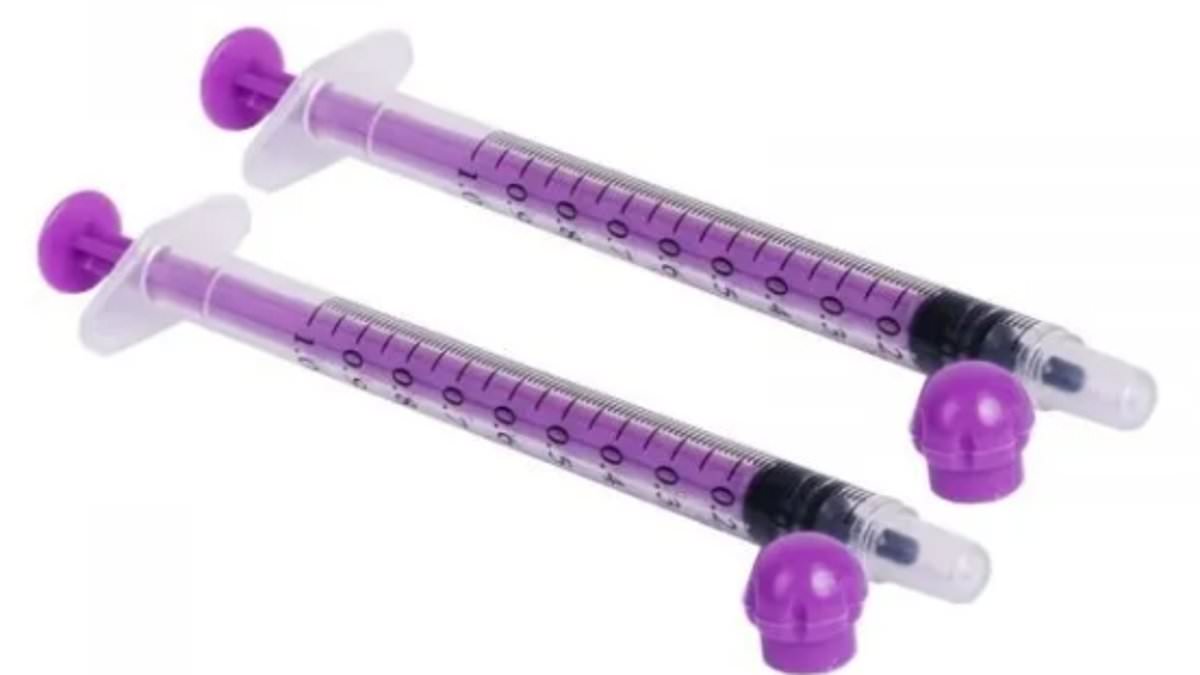
Health officials have issued an urgent warning to parents, advising them not to use kits designed to collect breast milk for feeding babies due to a serious risk of choking. The SteriFeed Colostrum Collector, a syringe-style device used to collect colostrum, has been found to have its cap lodged in the throats of six newborns when used for feeding without removing the stopper. While no fatalities have occurred, one infant required emergency surgery. The Medicines and Healthcare products Regulatory Agency (MHRA) has urged users to contact their healthcare provider for advice on safe collection and feeding methods. The manufacturer will be changing the device's design to minimize the choking risk, but this will take six months to implement.

Investigation Launched in UK Over Weight Loss Drugs' Link to Suicidal Thoughts
health2 years ago

Investigation Launched in UK Over Weight Loss Drugs' Link to Suicidal Thoughts

The Medicines and Healthcare products Regulatory Agency (MHRA) in the UK is reviewing the safety of a class of drugs known as GLP-1 receptor agonists, which includes Novo Nordisk's diabetes medicine Ozempic and weight-loss treatment Saxenda, after some patients reported suicidal or self-harming thoughts. The review follows similar action taken by the European Union. Novo Nordisk has confirmed receiving a request from the MHRA and stated that it will respond within the requested timelines. Other GLP-1 drugs from AstraZeneca, Sanofi, and Eli Lilly are also included in the review. The MHRA's review will consider safety data, including adverse drug reactions reported by patients and clinicians.