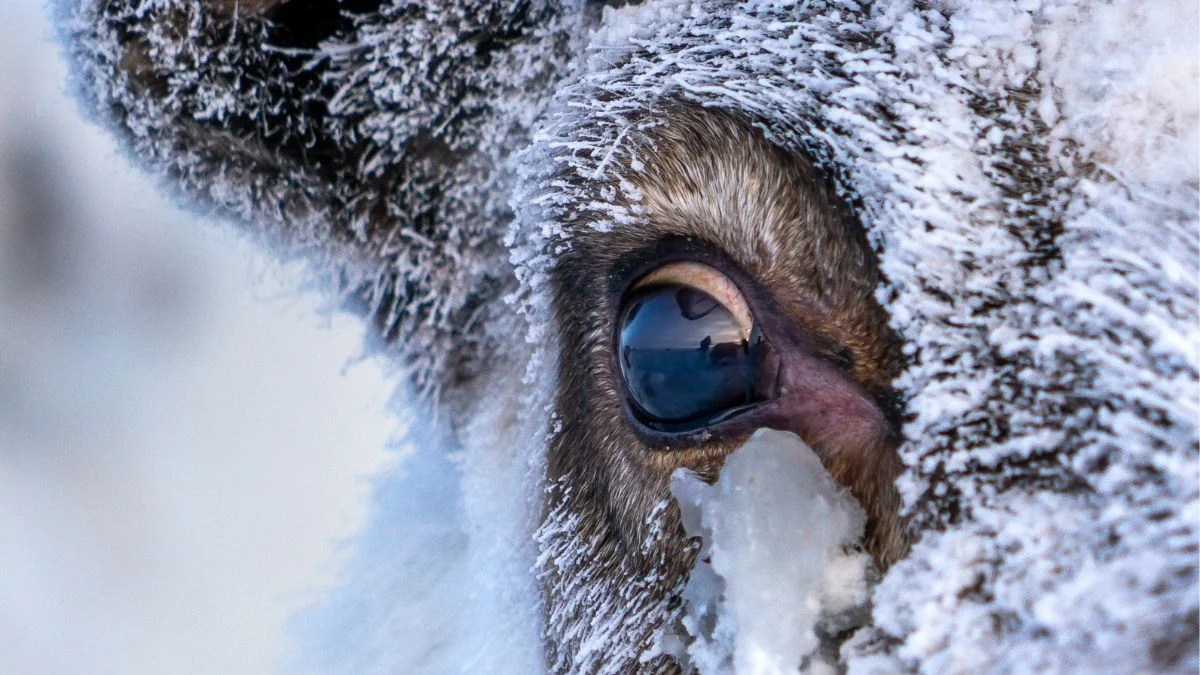
Reindeer eyes change color with the seasons, turning deep blue in winter to adapt to the low-light Arctic environment, possibly functioning as natural sunglasses by reflecting more blue light to enhance vision in darkness, a unique and reversible adaptation involving structural changes in the eye's tapetum lucidum.
Animal activists are calling for a ban on live reindeer at Christmas events in Scotland, citing evidence of psychological distress in the animals due to loud noises, crowds, and unpredictable interactions, while reindeer herders defend their practices, claiming they meet welfare standards and the animals are well cared for.
NASA captured an image of a series of lagoons in Siberia that naturally resemble a snowman, formed by geological processes and wind alignment, highlighting the region's unique winter landscape and historical significance of reindeer in Arctic exploration.
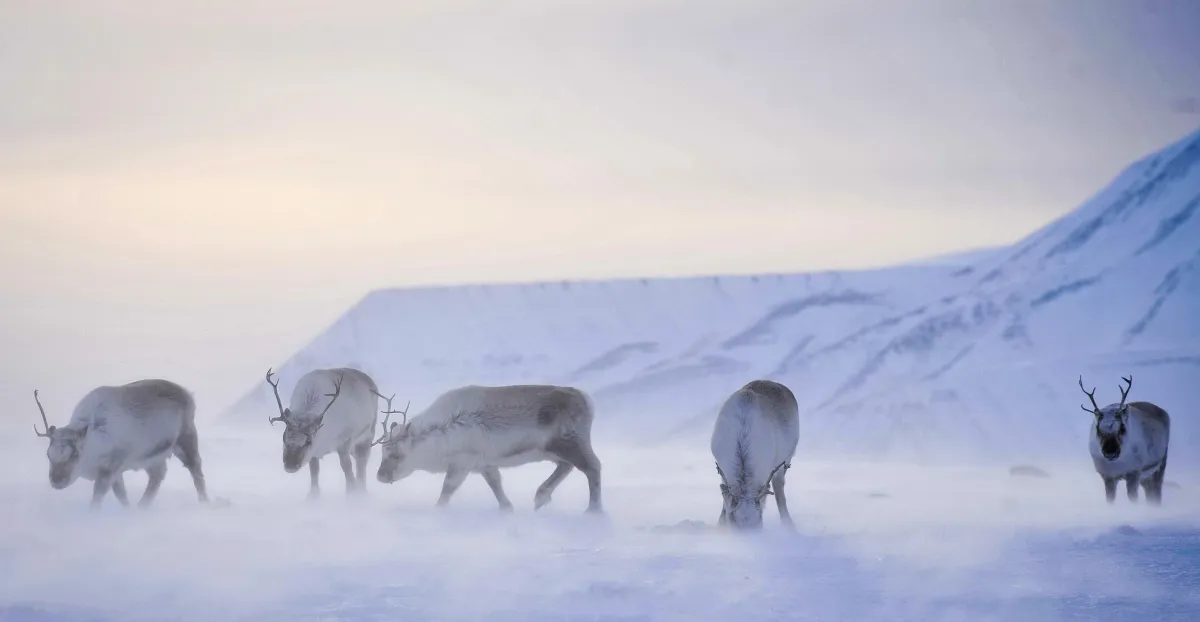
Climate change poses a severe threat to Arctic reindeer populations, with potential declines of nearly 60% globally and over 80% in North America by the end of the century if greenhouse gas emissions are not reduced, impacting biodiversity, indigenous communities, and Arctic ecosystems.
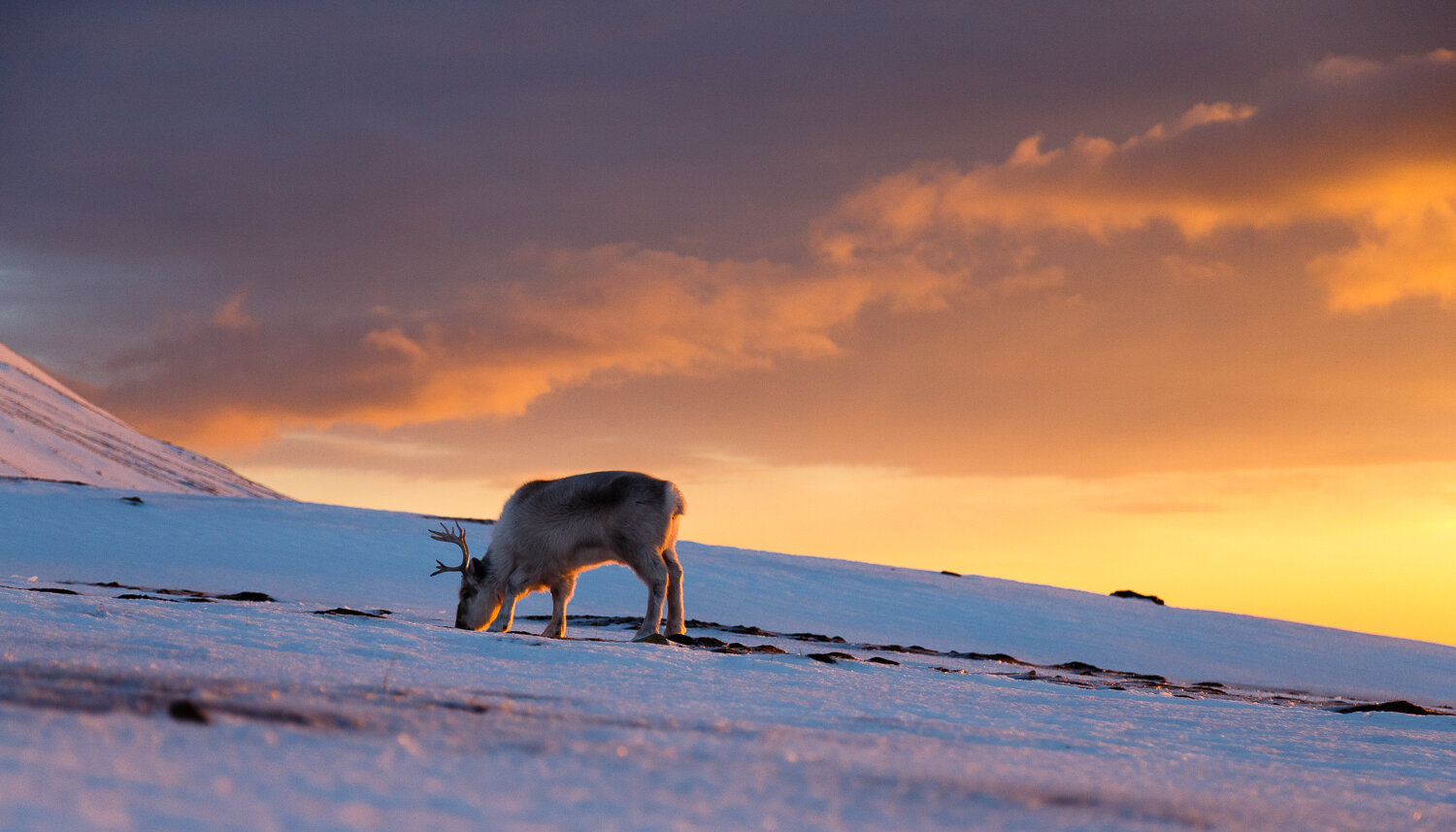
Reindeer may have evolved their vision to spot their favorite food, lichen, during dark and snowy Arctic winters. Researchers have found that reindeer can see in the ultraviolet (UV) spectrum, allowing them to detect UV-absorbing lichens against the snowy landscape. This ability gives reindeer an advantage in locating their primary food source, especially during the scarce winter months. The study also explains why reindeer eyes change between summer and winter, with their tapetum transitioning to a vivid blue that enhances the low light of polar winter. The researchers suggest that reindeer eyes are optimized to single out lichens, which are crucial for their survival in the barren environment.
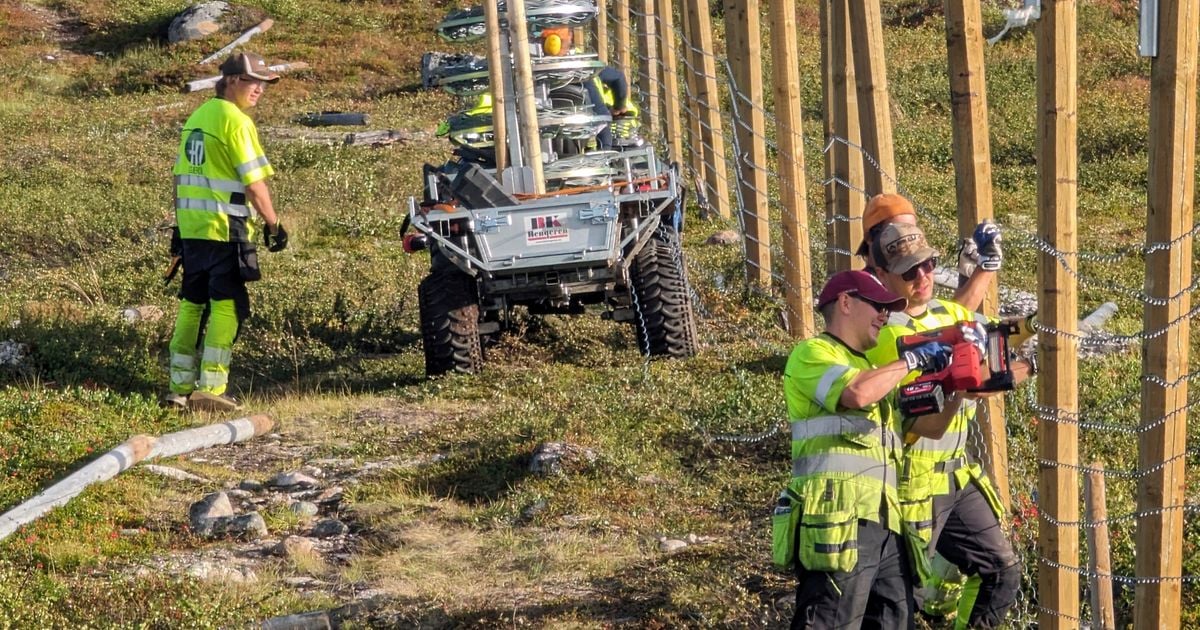
Norway is spending nearly $350,000 to rebuild a dilapidated reindeer fence along its border with Russia in the Arctic to prevent the animals from crossing into Russia in search of better pastures. So far this year, 42 reindeer have crossed into Russia, resulting in compensation claims from Moscow. The construction of the fence is challenging as workers must stay on the Norwegian side of the border at all times. The returned reindeer have been slaughtered to prevent them from wandering back to Russia. The reindeer are herded by the Indigenous Sami people in central and Arctic Norway.
Norway is rebuilding a dilapidated reindeer fence along its border with Russia to prevent reindeer from crossing into Russia in search of better grazing land. The reindeer crossings have resulted in costly compensation claims from Russia. The construction of the fence, which spans 150 kilometers, is expected to be completed by October 1st. The reindeer are herded by the Indigenous Sami people, who have lived in Lapland for thousands of years.
Norwegian authorities are upgrading a fence along the country's border with Russia to prevent reindeer from crossing over. The existing fence has fallen into disrepair, allowing the animals to easily pass through. Russian authorities have demanded damages from Norway, claiming that the reindeer's grazing habits have led to soil erosion and plant life degradation. The new fence will be constructed on a seven-kilometer section at a cost of $345,000.