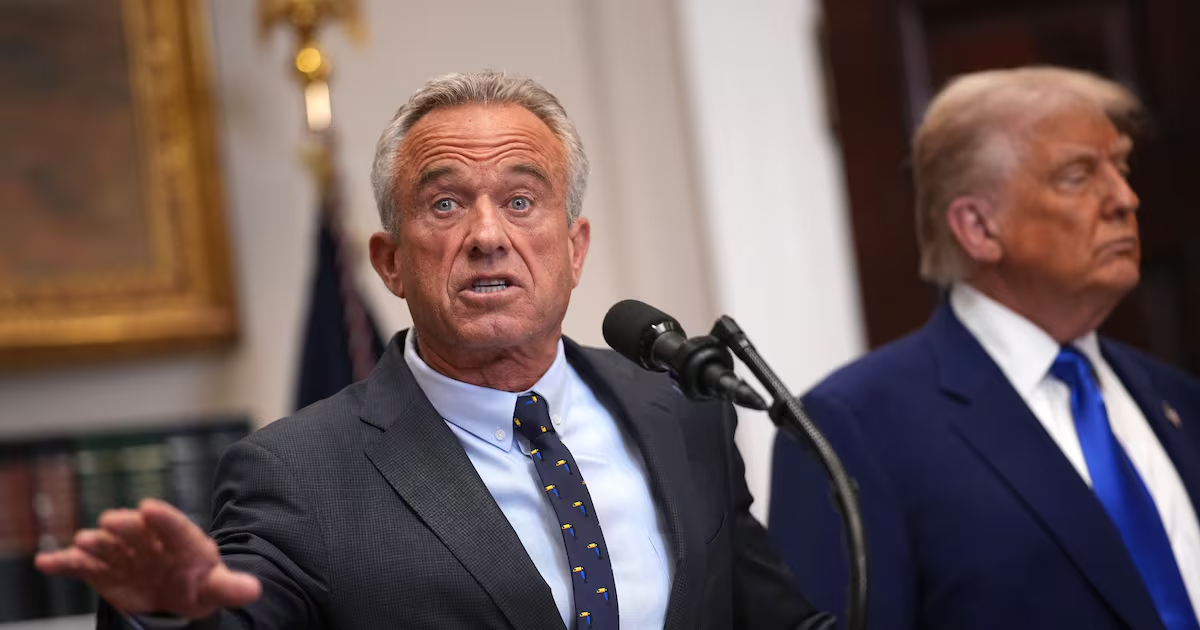
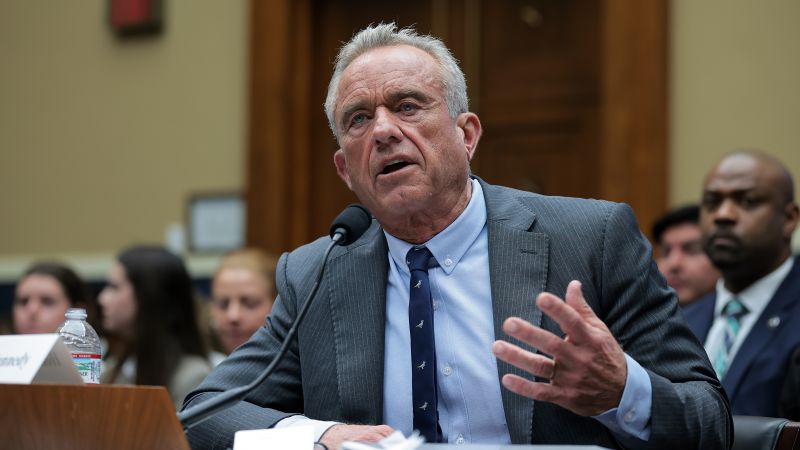
Robert F. Kennedy Jr. plans to replace all 16 members of the US Preventive Services Task Force, citing concerns that they are too 'woke,' as part of his broader efforts to overhaul health advisory organizations and remove diversity, equity, and inclusion language from health policies.
US Health and Human Services Secretary Robert F. Kennedy Jr. plans to dismiss the expert panel on preventive health care, raising questions about the future of the US Preventive Services Task Force, which provides essential recommendations on screenings and preventive services covered by insurance. This move is part of Kennedy's broader effort to reshape health agencies and reduce industry influence, following recent dismissals and appointments at other health advisory bodies.
The US Department of Health and Human Services abruptly canceled a scheduled meeting of the US Preventive Services Task Force, raising concerns about the future independence of this longstanding advisory group amid efforts by Secretary Robert F. Kennedy Jr. to reshape health agencies and exert more control over preventive health recommendations, including recent changes to vaccine advisory committees.
HHS Secretary Robert F. Kennedy Jr. has postponed a key meeting of the U.S. Preventive Services Task Force, which makes recommendations on health services covered under the Affordable Care Act, amid concerns about potential political influence and changes to the panel's composition.
The U.S. Preventive Services Task Force now recommends that women start getting mammograms at age 40, ten years earlier than previously advised, due to rising breast cancer diagnoses in women under 50. Early detection is crucial for better outcomes, and women should consult their doctors to determine the best screening schedule for their individual health needs.
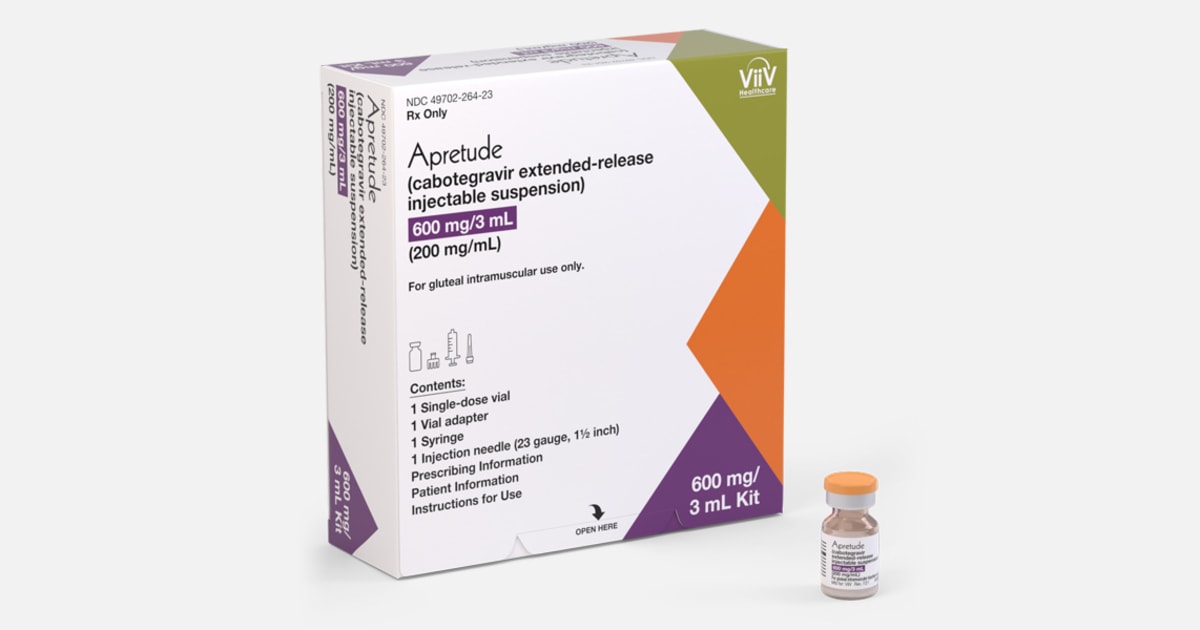
A national health task force has recommended that health insurers cover a long-acting injectable medication for HIV prevention by 2025. However, a conservative lawsuit could potentially void the coverage mandate, impacting people's ability to afford preventive interventions for various health conditions. The lawsuit, currently pending in the 5th U.S. Circuit Court of Appeals, challenges the task force's authority to dictate insurance policy. The legal battle could have broader implications beyond HIV prevention, potentially affecting coverage for other preventive interventions. The task force's endorsement of the injectable medication, Apretude, is seen as a major step in expanding access to HIV pre-exposure prophylaxis (PrEP).
The US Preventive Services Task Force (USPSTF) is finalizing an update to its recommendations on breast cancer screening, proposing to lower the initial age for routine mammogram screening from 50 to 40. However, concerns have been raised about the costs associated with potential follow-up tests and the lack of coverage for these tests. The update has also reignited debates about the timing and frequency of screening, as well as the need for a more nuanced approach based on racial and ethnic groups. Additionally, there is ongoing uncertainty regarding the benefits and harms of additional screening for women with dense breasts. Efforts are underway in Congress to end copays for breast screening, and the final guidelines will be used to guide discussions between primary care physicians and patients.
The US Preventive Services Task Force has recommended that all American adults under 65 be screened for anxiety, even if they are not showing symptoms, due to the fact that anxiety disorders often go untreated for far too long. The panel's recommendations generally influence insurance plans and become standard medical practice. However, there's currently not enough evidence to support anxiety screening for people 65 and over, but there's an urgent need for more research.
The US Preventive Services Task Force has recommended that adults aged 19 to 64 in the US should be screened for anxiety disorders, marking the first time the task force has made a final recommendation on screening for anxiety disorders in adults. The task force found “insufficient evidence” to screen for anxiety in older adults. The recommendation is consistent with the task force’s 2016 recommendation on depression screenings. Effective treatments for anxiety disorders can include talking with a therapist, known as psychotherapy, or medications such as antidepressants or beta blockers, as well as relaxation or stress management therapies.
A federal appeals court in New Orleans has temporarily halted a federal judge's ruling that struck down a part of the Affordable Care Act requiring most insurers to cover preventative care, including vaccines and screenings for cancer, diabetes, and HIV. The Biden administration had requested the stay as it appealed the decision, which would affect preventive care for 150 million people. The ruling was a win for plaintiffs who opposed mandatory coverage for contraception and an HIV prevention treatment on religious grounds.