In Milan, police clashed with thousands of anti-Olympics protesters after a march opposing the cost and environmental impact of the 2026 Winter Games, deploying water cannons and detaining at least seven people as some demonstrators threw fireworks and bottles.
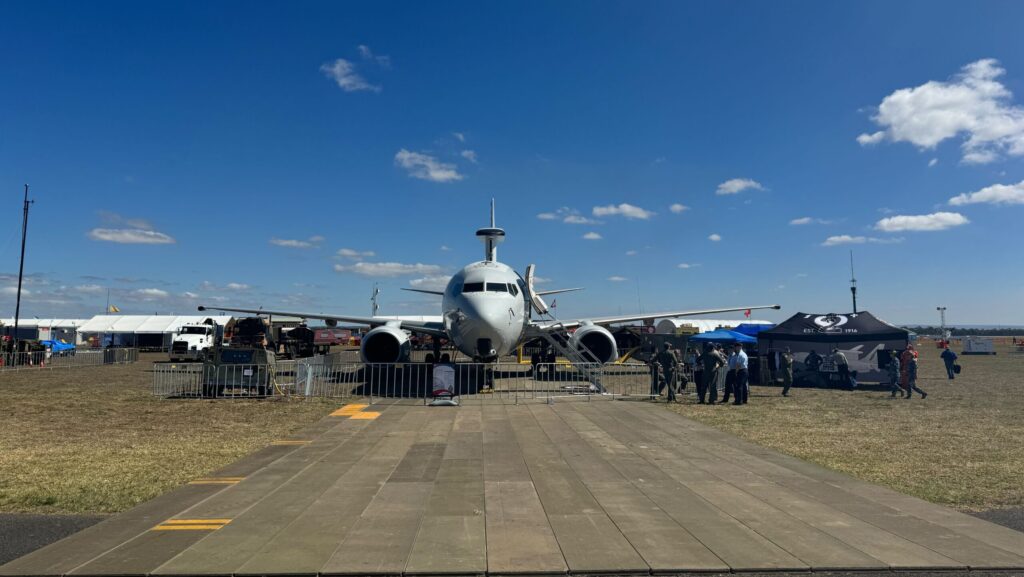
The U.S. Air Force has canceled the E-7 Wedgetail program due to rising costs and concerns about its survivability in contested environments, shifting focus towards space-based sensing capabilities to cover global and theater-specific needs instead.
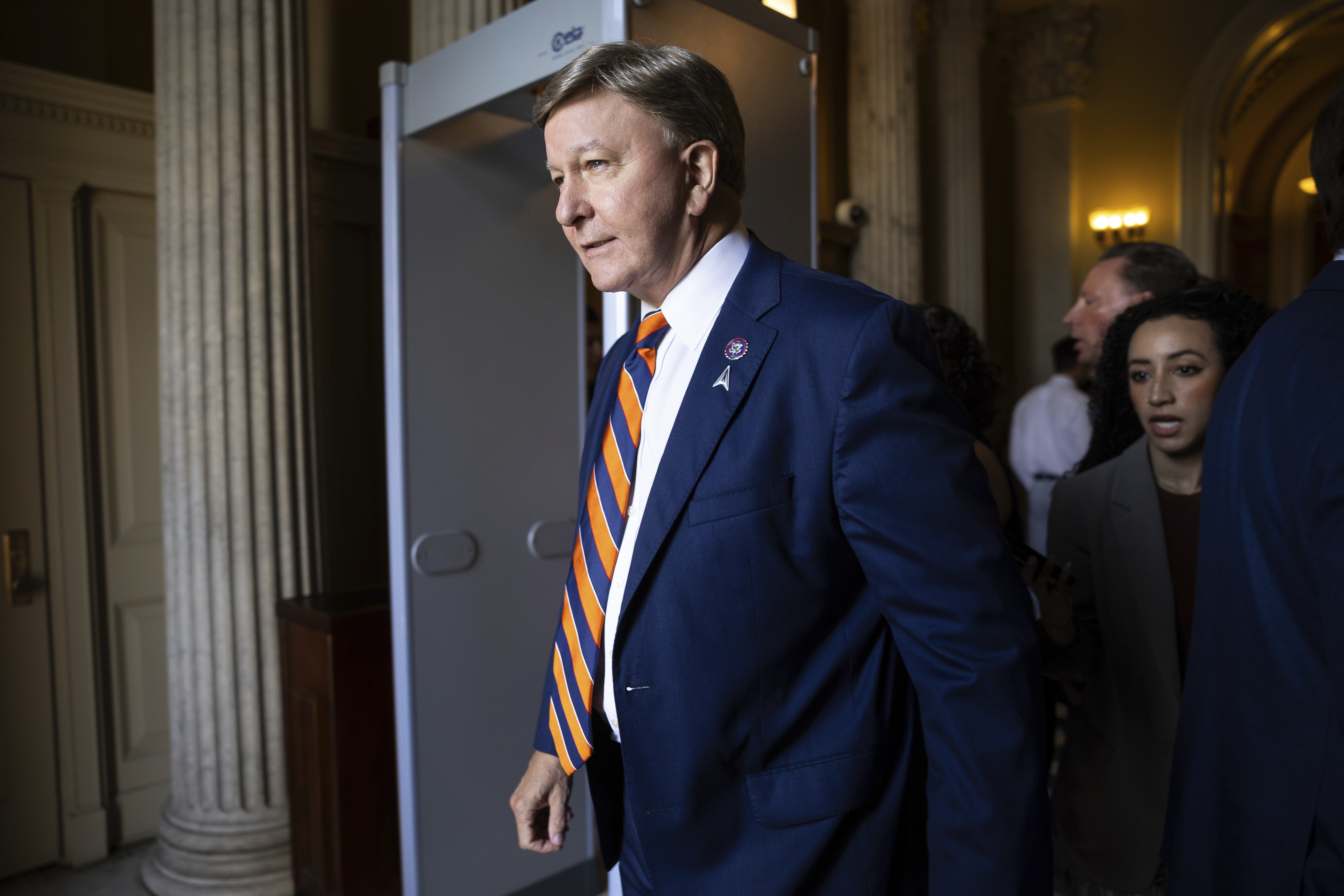
Most Republican lawmakers are skipping Trump's military parade celebrating the Army's 250th anniversary, with only a few attending and many citing scheduling conflicts or concerns over costs, while the White House emphasizes the event's significance.
The Senate Armed Services Committee shows skepticism over the Army's plan to hold a costly $25-40 million parade for its 250th anniversary, citing concerns about expense and infrastructure damage, with critics arguing the funds could be better used for military family services amid broader budget cuts.
The Senate Armed Services Committee expresses skepticism over the Army's plan to hold a costly parade for its 250th birthday, with estimates ranging from $25 million to $40 million, citing concerns over expense and infrastructure damage, while some officials defend it as a vital recruiting event.
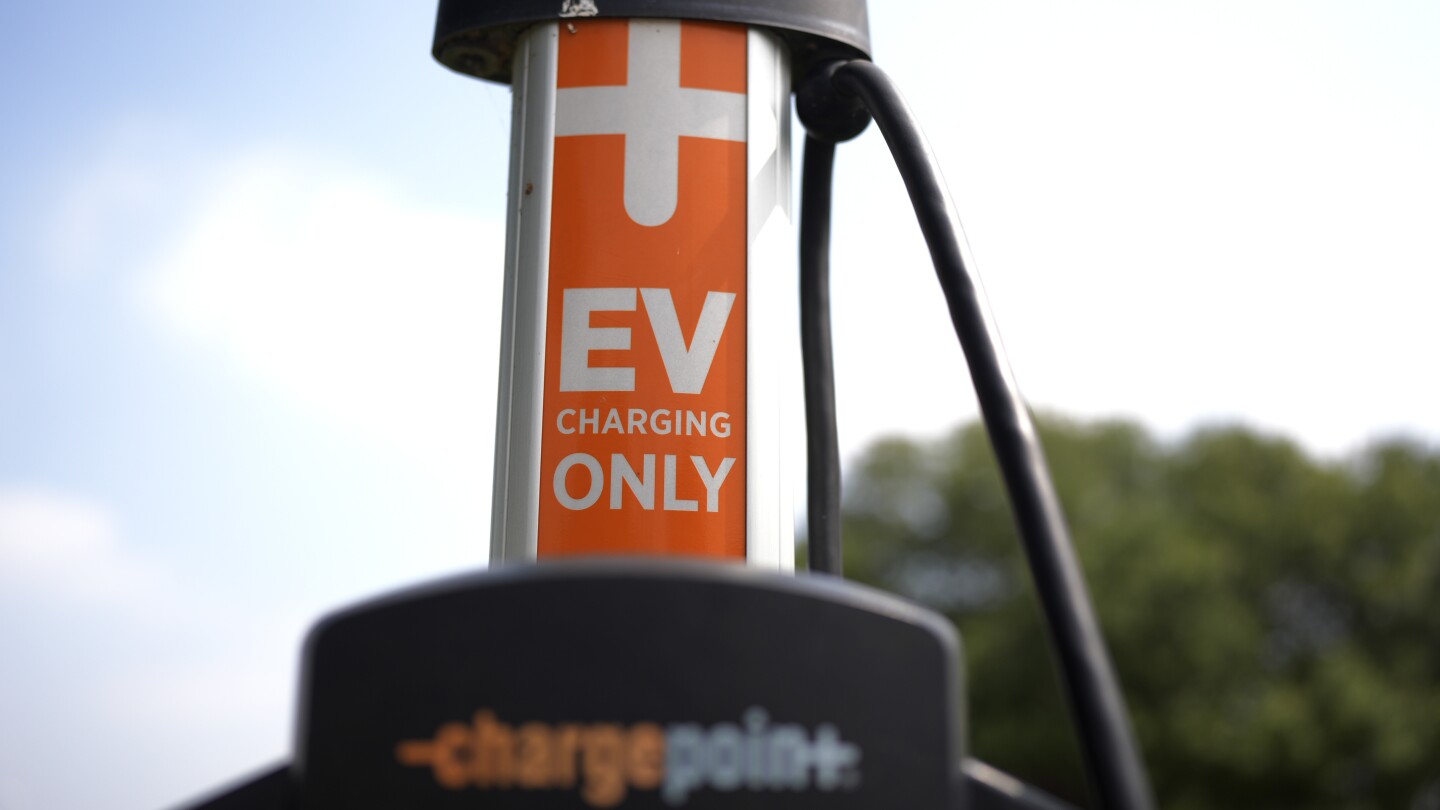
Despite President Biden's push for increased electric vehicle (EV) adoption, many Americans remain hesitant due to high costs and insufficient charging infrastructure, according to an AP-NORC/EPIC poll. Only 21% of U.S. adults are very likely to buy an EV for their next car, with range anxiety and charging time being significant concerns. The poll highlights generational differences, with younger people more open to EVs than older adults.
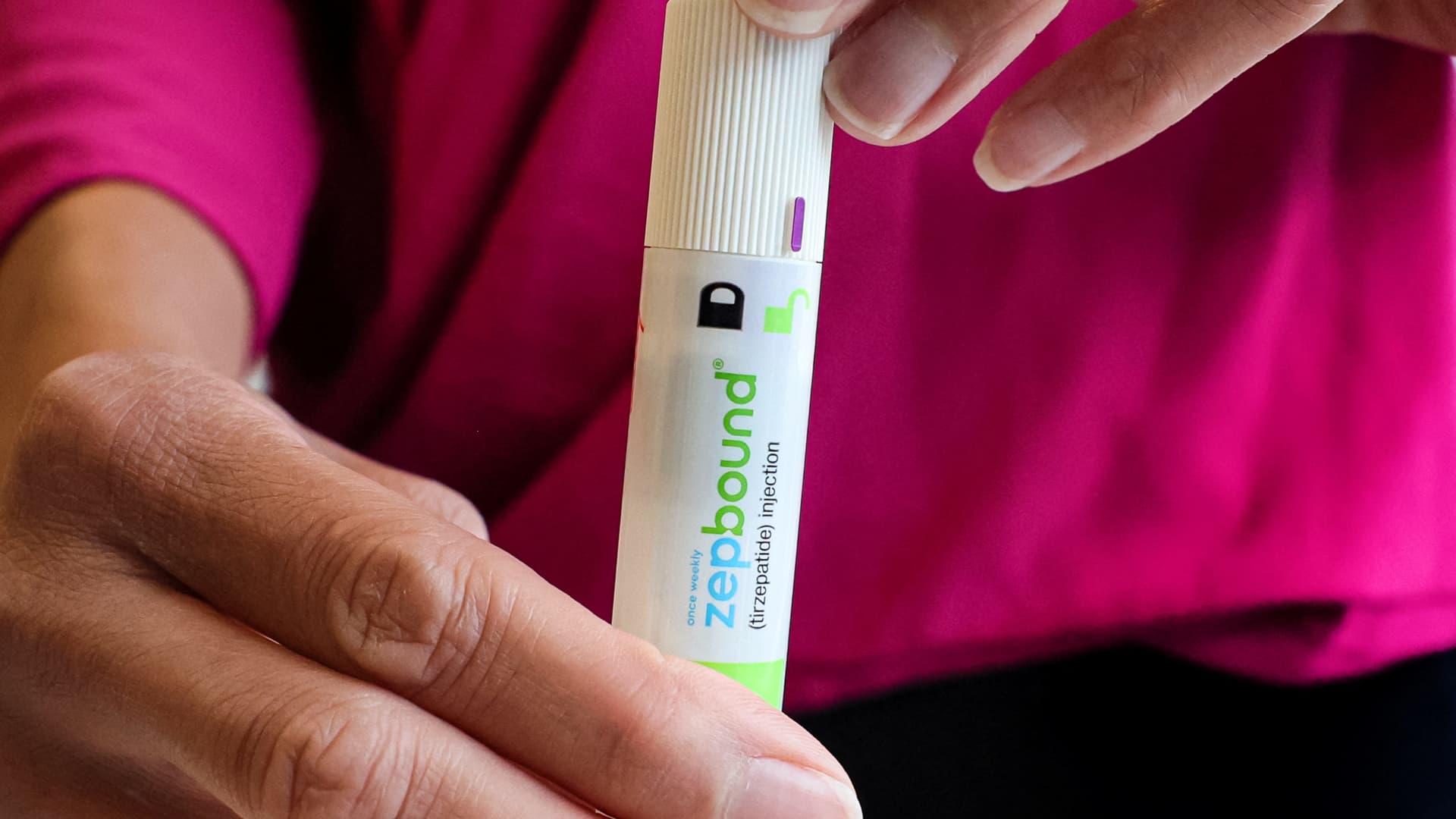
Many U.S. companies are facing challenges in providing health insurance coverage for GLP-1 drugs used for weight loss, despite increasing demand. The high cost, lack of long-term data on effectiveness, and potential side effects are causing employers to grapple with coverage decisions. While some are already providing coverage with limitations, others are considering it. Employers are concerned about the substantial costs, with some already covering the drugs citing higher employee satisfaction and wellbeing. Consumers without coverage may face significant out-of-pocket expenses, but some may be eligible for manufacturer assistance programs. Despite the current coverage challenges, experts expect that most companies will eventually provide coverage for these drugs due to their potential long-term benefits.
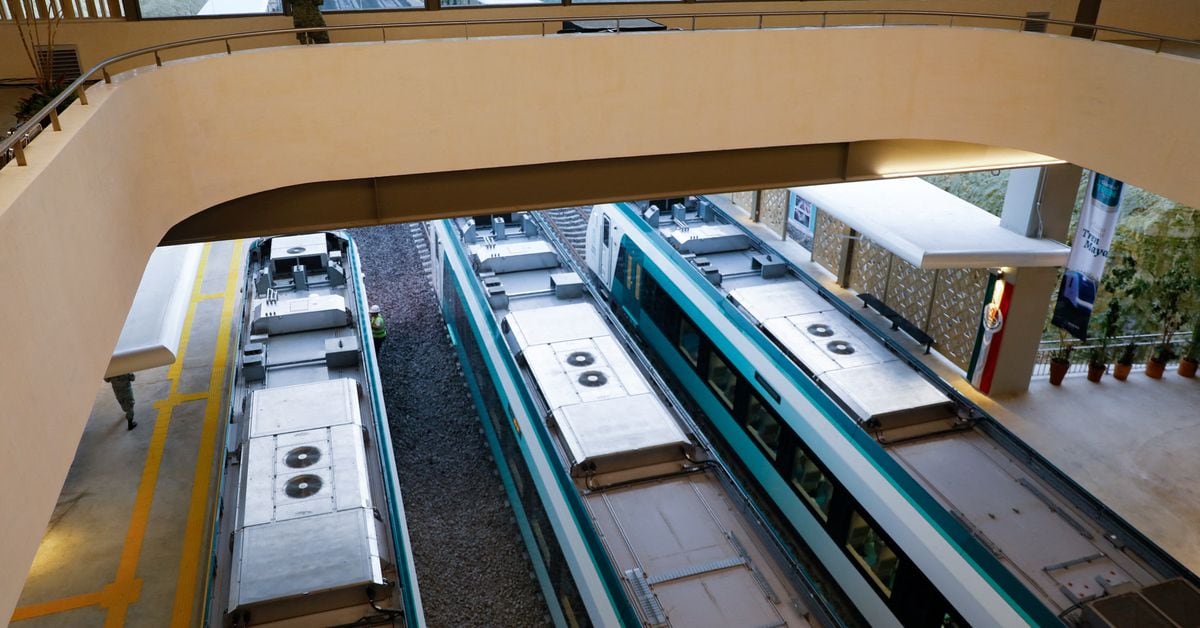
Mexico is set to inaugurate the first phase of the Tren Maya, a tourist train project touted as President Andres Manuel Lopez Obrador's flagship infrastructure project. However, experts warn that the train is far from being fully operational, with doubts cast on the timeline for completion. Originally projected at $7.5 billion, the project's cost has ballooned to over $28 billion. Environmental activists and scientists argue that the construction endangers a delicate ecosystem and splits the jungle in half. The train's impact on underground caves and water sources is also a concern. Other signature projects of Lopez Obrador have faced delays and rising costs.
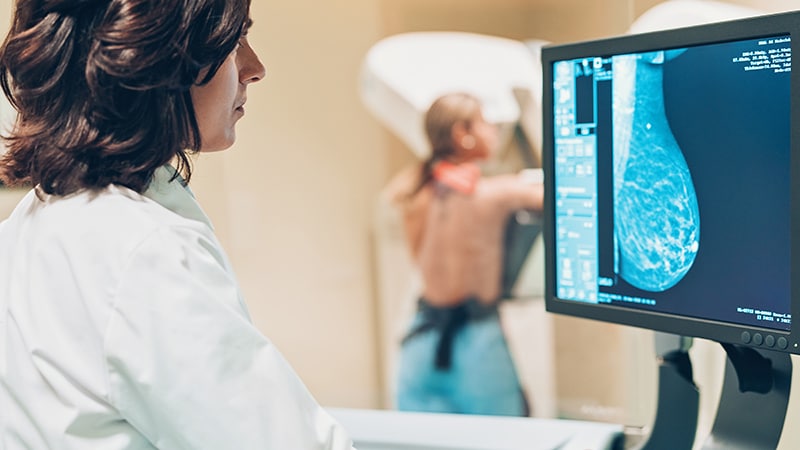
The US Preventive Services Task Force (USPSTF) is finalizing an update to its recommendations on breast cancer screening, proposing to lower the initial age for routine mammogram screening from 50 to 40. However, concerns have been raised about the costs associated with potential follow-up tests and the lack of coverage for these tests. The update has also reignited debates about the timing and frequency of screening, as well as the need for a more nuanced approach based on racial and ethnic groups. Additionally, there is ongoing uncertainty regarding the benefits and harms of additional screening for women with dense breasts. Efforts are underway in Congress to end copays for breast screening, and the final guidelines will be used to guide discussions between primary care physicians and patients.