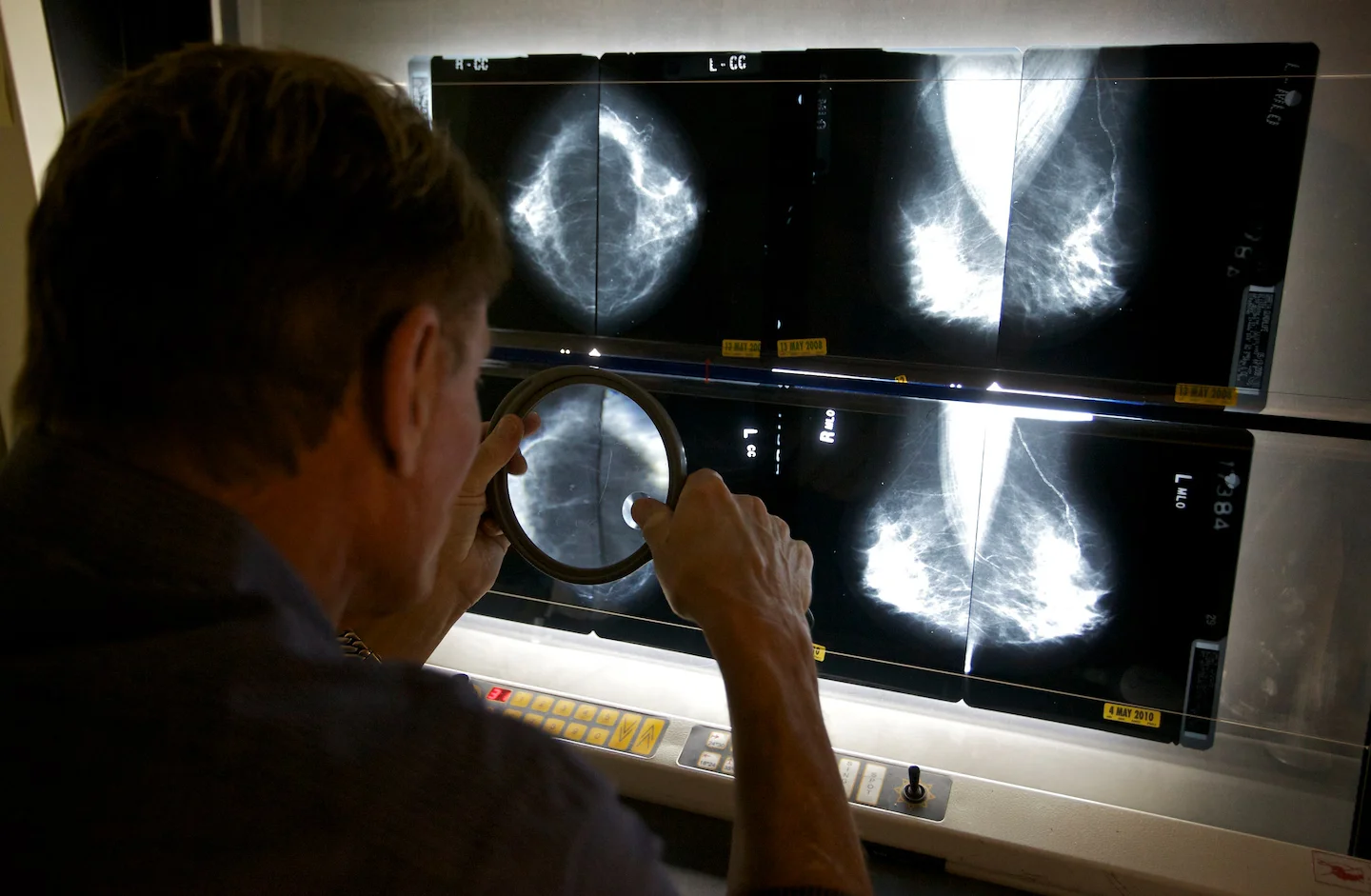
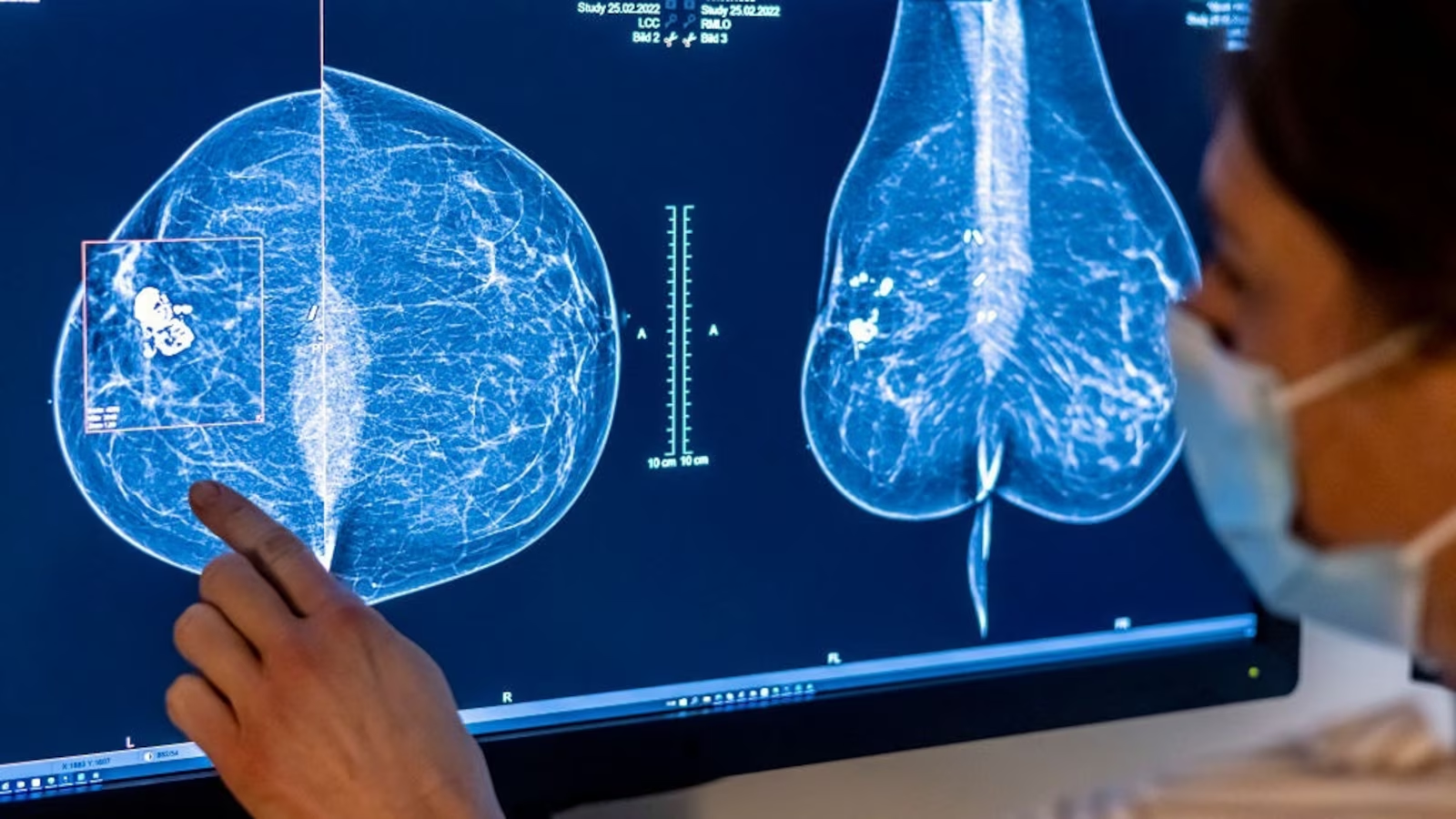
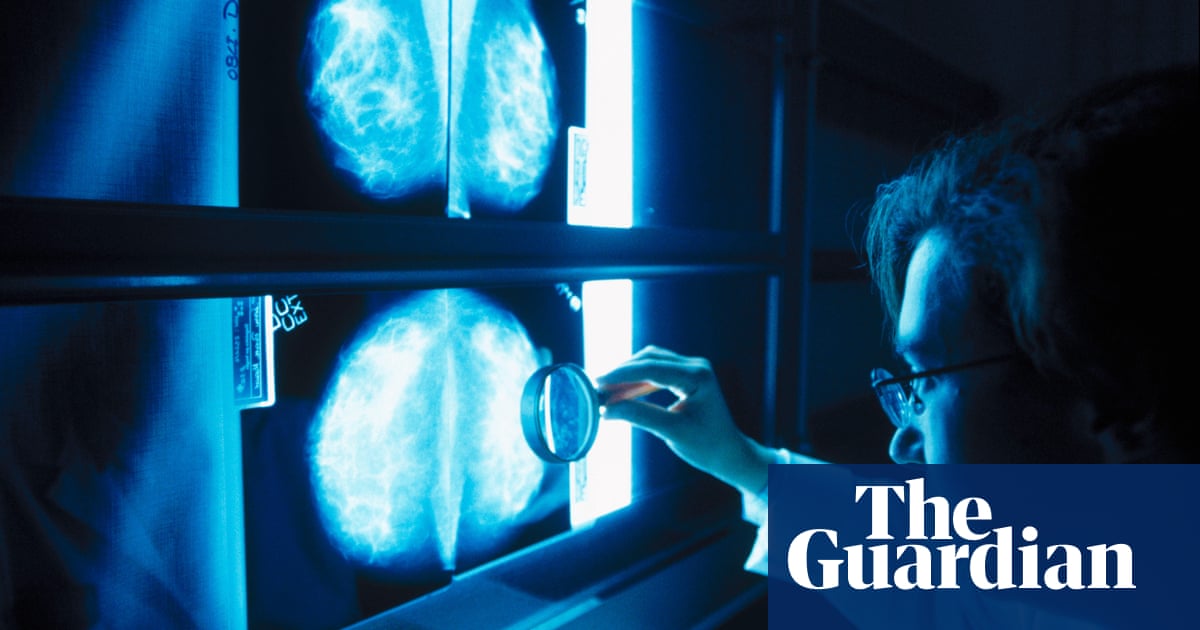
AI is increasingly being integrated into mammograms, initially as an add-on for detecting suspicious spots, but by 2026, it is expected to evolve into a multitool capable of predicting risks for breast cancer and cardiovascular disease, transforming preventive healthcare.
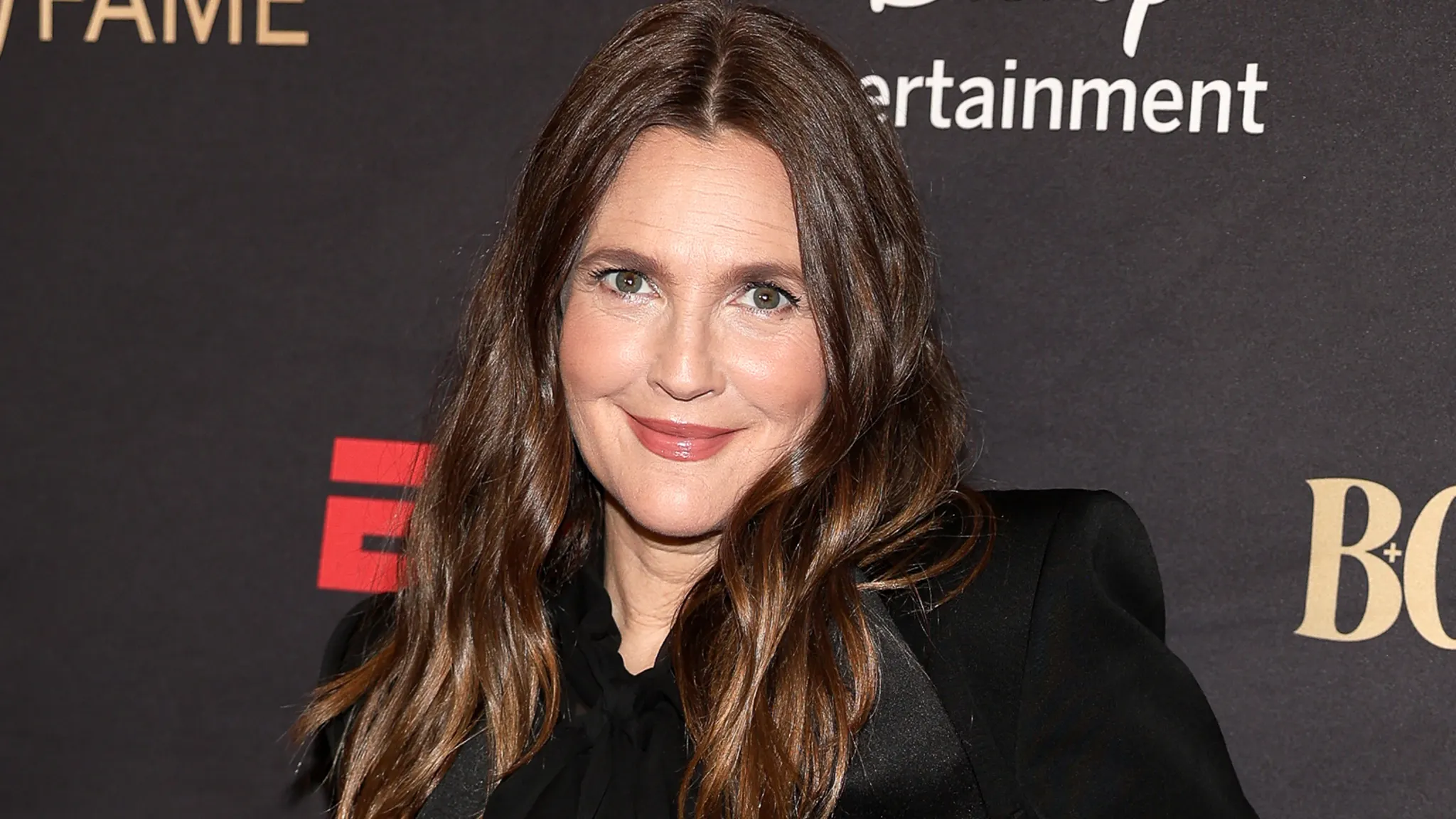
Drew Barrymore shared her personal experience of a breast cancer scare involving a bad mammogram and emergency biopsy on her show, inspired by Tig Notaro's story, highlighting the importance of awareness and support during such health crises.
Athaliah McPherson underwent a new one-day total breast reconstruction surgery that combines mastectomy and reconstruction, allowing for immediate results, quicker recovery, and improved emotional well-being, representing a shift in breast cancer treatment practices.
A woman diagnosed with early-stage breast cancer after advocating for early screening highlights the importance of self-advocacy and personalized risk assessment in cancer detection and treatment.
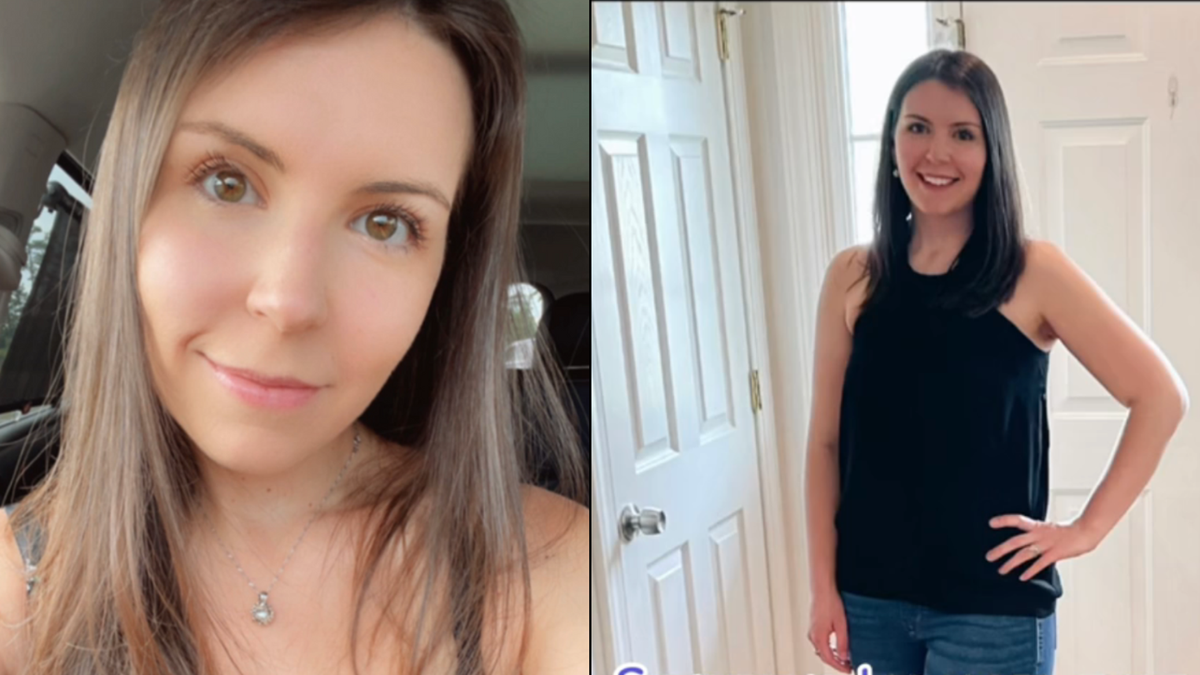
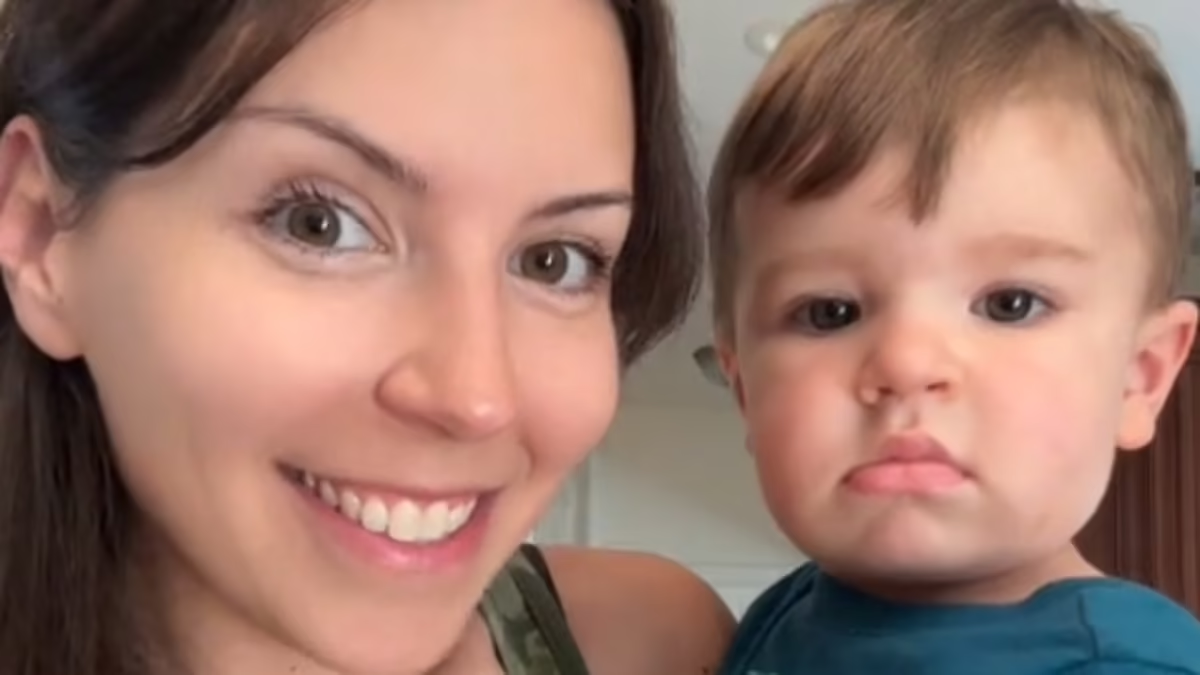
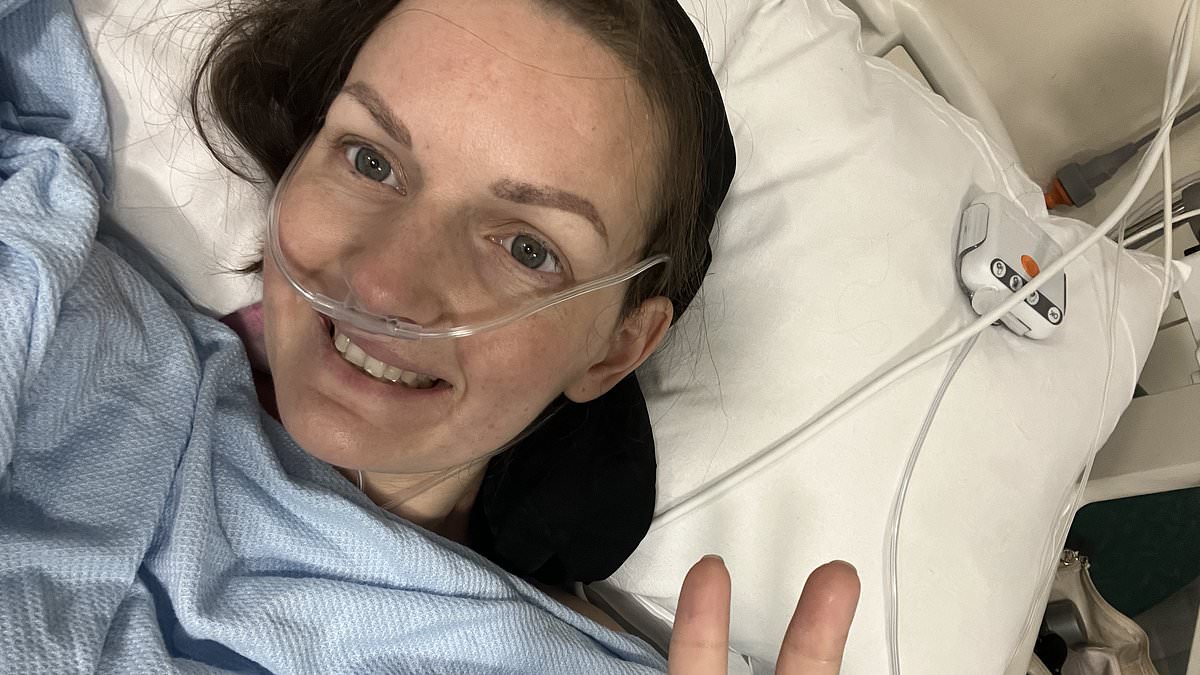
Kristi Halpin, a 33-year-old nurse and new mother from New Jersey, was diagnosed with terminal breast cancer despite a clear mammogram. She experienced symptoms like back pain, fatigue, weight loss, and nipple changes, which were initially dismissed as postpartum exhaustion. Her persistence led to a biopsy that confirmed cancer had spread to her spine, ribs, and lungs. Kristi's story highlights the importance of recognizing breast cancer symptoms and the limitations of mammograms, especially in younger women with dense breast tissue. She is undergoing treatment to manage the disease and is focused on spending time with her family.
Kristi Halpin, a 33-year-old nurse from New Jersey, was diagnosed with terminal breast cancer despite a recent clear mammogram. She initially dismissed symptoms like back pain, weight loss, bruising, and fatigue as postpartum issues. After noticing an inverted nipple and a lump, she sought further medical advice, leading to a biopsy that confirmed cancer, which had spread to her bones, lungs, and ribs. Her case highlights the limitations of mammograms, especially in women with dense breast tissue, and underscores the importance of being vigilant about unusual symptoms.
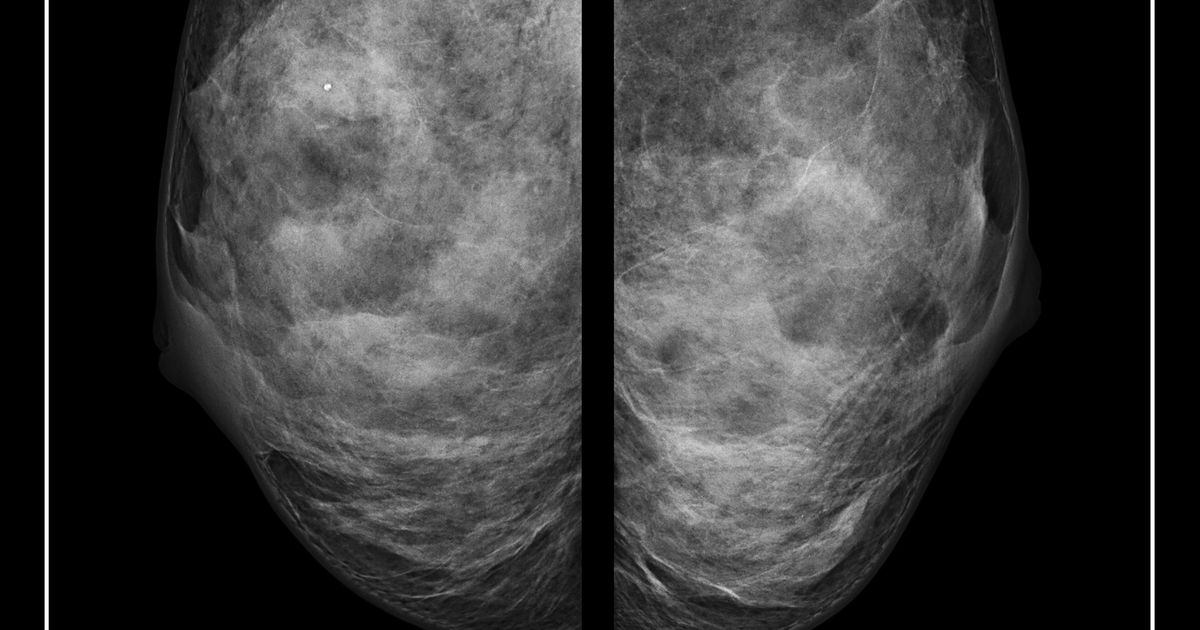
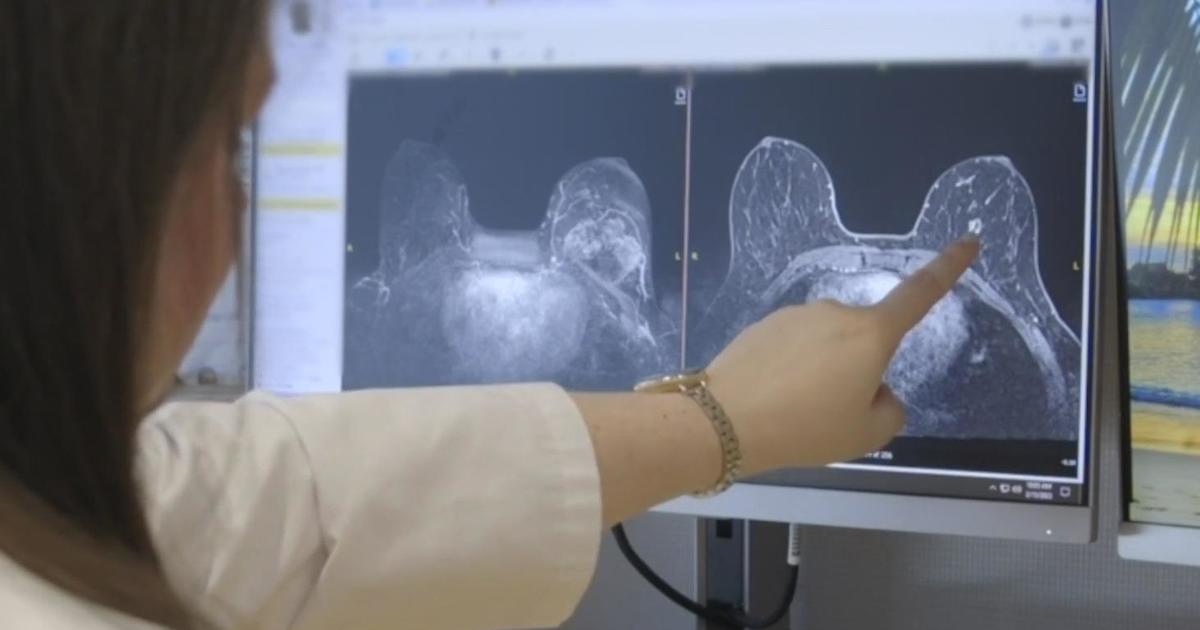
The article discusses the limitations of mammograms in detecting breast cancer, particularly in women with dense breast tissue. It highlights the case of Angie McCoy, whose cancer was missed by multiple mammograms and ultrasounds, leading to a late-stage diagnosis. The piece explores the effectiveness of MRIs as a more sensitive screening tool, the challenges of insurance coverage, and the need for better awareness and protocols for women with dense breasts.
Actress Olivia Munn's breast cancer diagnosis highlights the importance of breast cancer risk assessment scores, which are detailed questionnaires that determine the likelihood of developing breast cancer based on factors like family history and personal health. These assessments, available online, provide a percentage score indicating the risk, with scores over 20% warranting further testing. Experts recommend starting these assessments around age 20 or earlier if there's a family history of breast cancer, and using both the Gail Model and the Ibis Model for a comprehensive evaluation.
After completing gruelling breast cancer treatment, Jess Parsons received the all-clear, only to be diagnosed with a different type of breast cancer in her other breast just five weeks later. This second diagnosis was a rare and unrelated cancer, leaving Jess and her family in shock. Despite having no family history or genetic mutations that increased her risk, Jess underwent tough treatment and a mastectomy for the first cancer. She urges women to attend screenings and check their breasts regularly, emphasizing the importance of early detection.
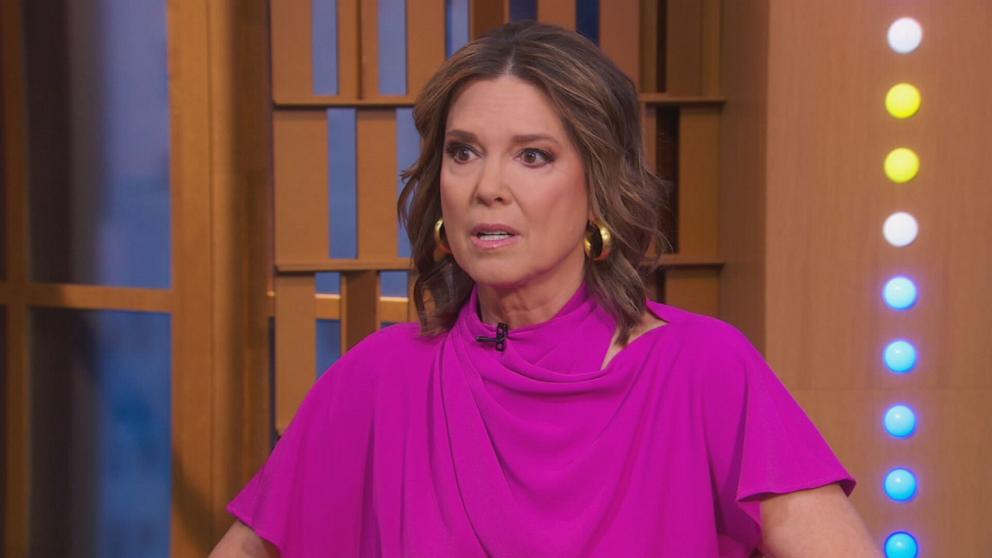
ESPN anchor Hannah Storm revealed her breast cancer diagnosis on "Good Morning America," sharing that she was diagnosed with ductal carcinoma in situ (DCIS) in January. Despite yearly screenings and no risk factors or family history, she underwent a successful lumpectomy and is currently cancer-free, planning to take medication for three years. Storm emphasized the importance of early detection and urged women to prioritize regular screenings, as her cancer was detected early due to a mammogram.
ESPN anchor Hannah Storm revealed her breast cancer diagnosis of ductal carcinoma in situ (DCIS), a noninvasive type of breast cancer, and emphasized the importance of annual mammograms for early detection. Storm, who underwent a successful lumpectomy, will be taking medication for three years to reduce the risk of developing a more serious type of breast cancer. She hopes that sharing her diagnosis will encourage other women to prioritize regular screenings for breast cancer.
Actress Olivia Munn shared her breast cancer diagnosis and emphasized the importance of breast cancer risk assessment scores, which calculate the likelihood of developing breast cancer based on medical and family history. Tools like the Gail model and IBIS Breast Cancer Evaluation Tool are available online, but experts stress the need for professional follow-up due to limitations in assessing certain risk factors. Guidelines for breast cancer screenings are evolving, with new recommendations suggesting all women get screened every other year starting at age 40.
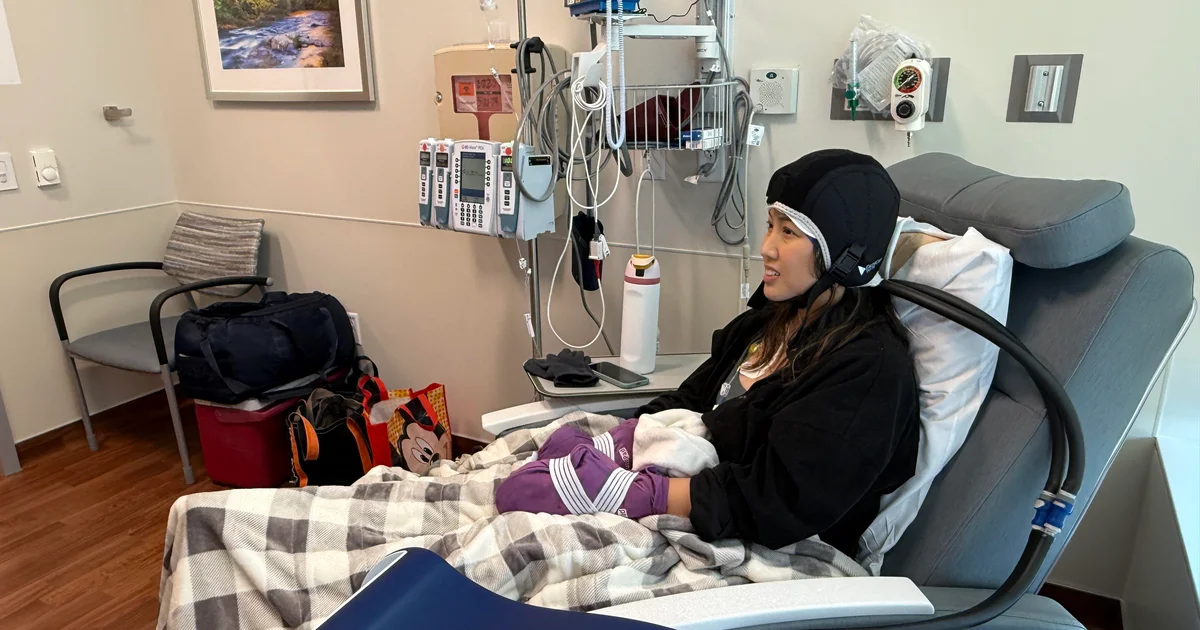
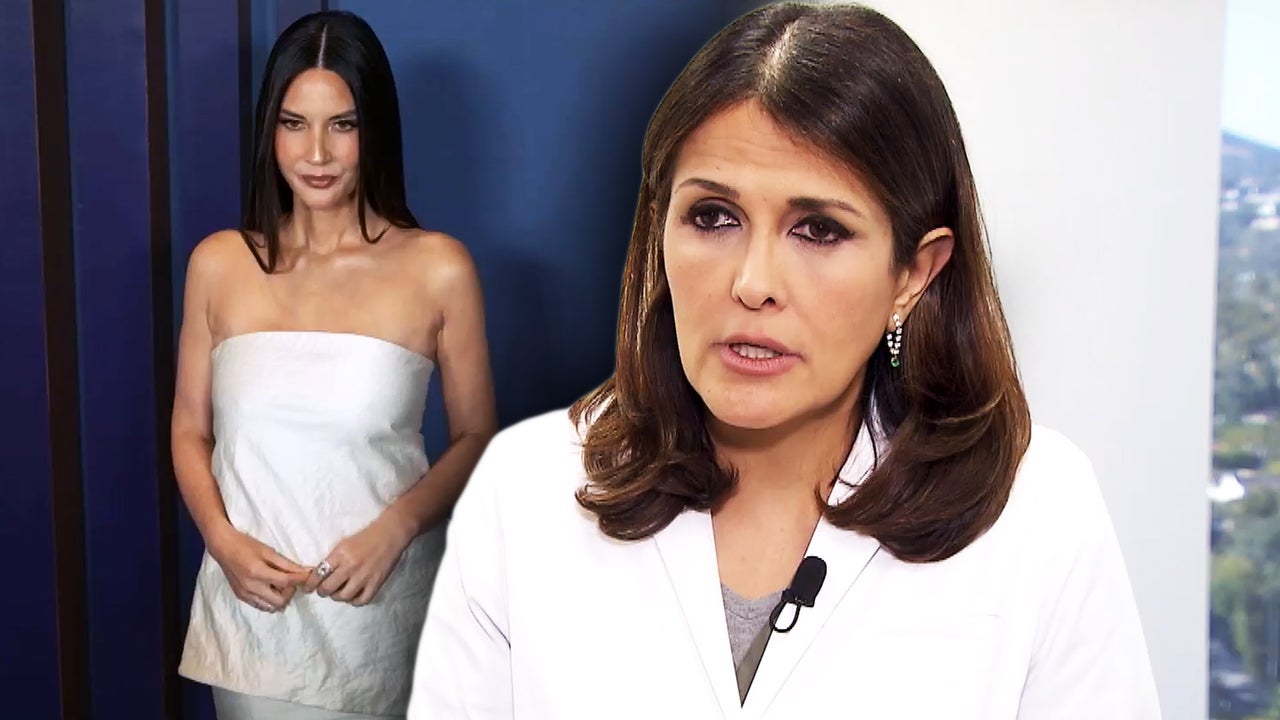
Actress Olivia Munn's doctor reveals the moment they learned of her high breast cancer risk assessment score, leading to the discovery of her cancer. Munn's proactive approach and early detection through a breast MRI caught the aggressive tumor early, potentially saving her life. Meanwhile, "Baywatch" star Nicole Eggert shares her breast cancer battle, undergoing chemotherapy and shaving her head, garnering support from fellow actresses Alyssa Milano and Jennie Garth.
Actress Olivia Munn credits a breast cancer risk-assessment score for detecting her cancer just months after a negative mammogram and negative genetic tests. The high-risk score prompted further evaluations, leading to the detection of cancer in both breasts. The breast cancer risk assessment tool (BCRAT) helps predict a female’s risk of developing invasive breast cancer within the next five years and up to 90 years of age. Health experts recommend individual risk assessments and discuss controllable factors such as maintaining a healthy body weight, diet, and exercise to help lower the risk of breast cancer.
A new study published in Radiology suggests that women should start annual mammograms at age 40, aligning with updated draft recommendations from the US Preventive Services Task Force. While consistent screenings can reduce breast cancer mortality, conflicting guidelines and potential risks like false positives and overdiagnosis exist. Experts advise consulting with healthcare providers to assess individual risk and discuss the benefits and downsides of early screening, with most health insurance plans covering mammograms for women under 50.