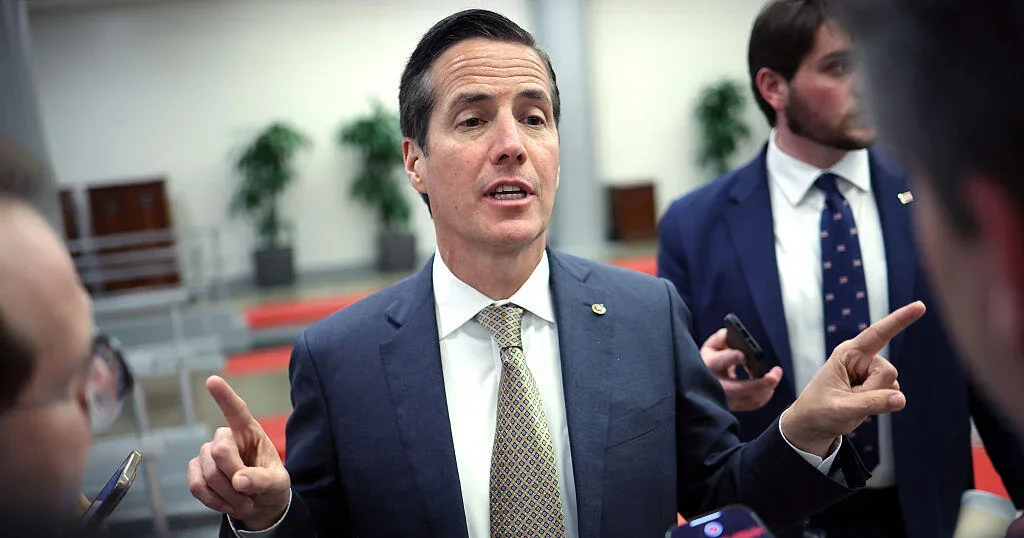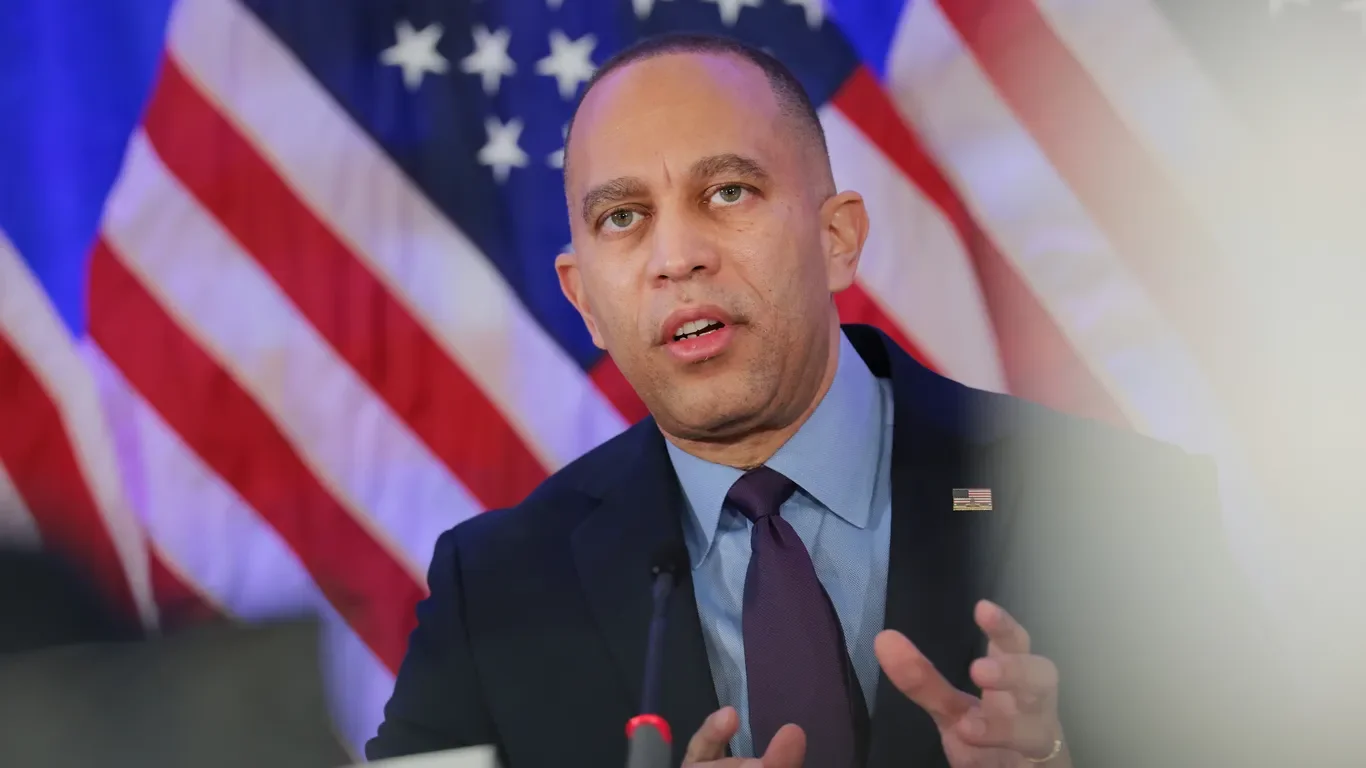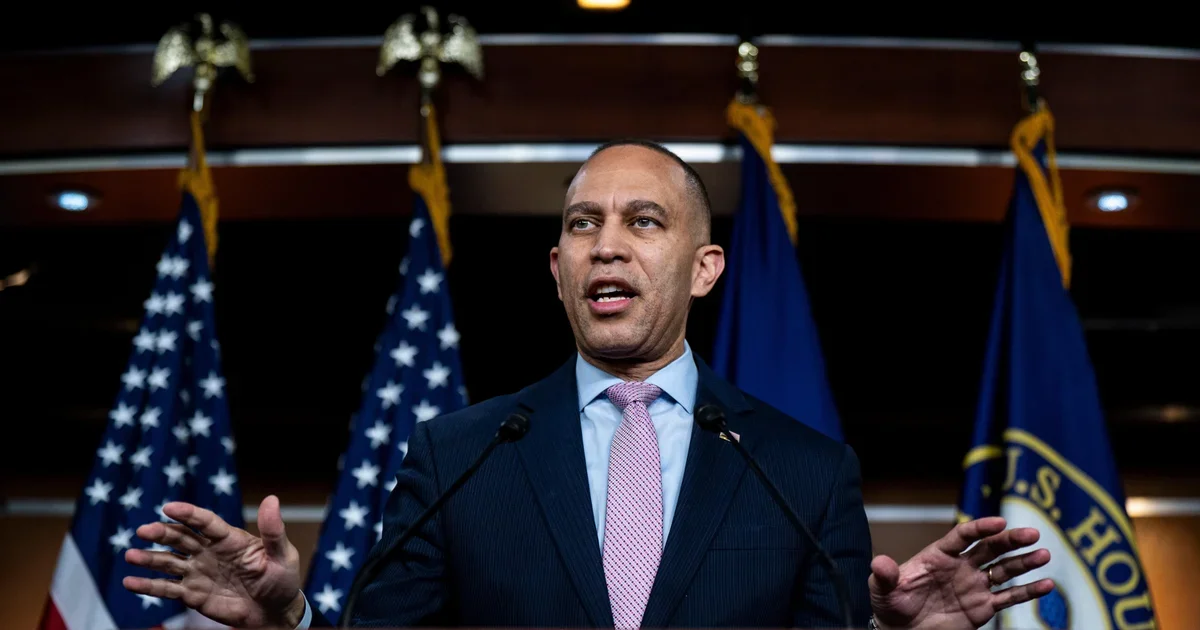
Colorado's congressional representatives reacted to the House's passing of a 3-year extension for ACA tax credits, with some Republicans calling for reforms due to concerns over fraud and waste, while Democrats support the extension as a starting point for broader negotiations. The legislation faces challenges in the Senate, which previously rejected a similar extension.
The House passed a bill to extend ACA subsidies for three years with bipartisan support, despite opposition from GOP leadership, aiming to address rising healthcare costs and increase coverage, though the measure is unlikely to pass in the Senate.
The U.S. House approved a three-year extension of ACA health care tax credits with bipartisan support, aiming to serve as a foundation for a broader Senate compromise on health care reform, amid ongoing negotiations and disagreements over reforms and funding.
The House passed a bill to extend expired health care subsidies for ACA coverage, defying GOP leadership with bipartisan support, aiming to address rising insurance costs and expand coverage, while the Senate considers a compromise with income limits and health savings account expansions.
Most U.S. adults are satisfied with their health insurance, especially older adults and those on public programs like Medicare and Medicaid, but about a quarter have experienced denials or delays, highlighting ongoing issues and debates around healthcare affordability and policy, with opinions divided on the future of the ACA.
Congress is facing deadlock over extending health care subsidies, risking sharp premium increases for millions starting January 1, with Democrats and Republicans unable to agree on terms due to partisan disagreements and issues like abortion funding, leading to uncertainty about legislative action.
The House is set to vote on a Senate-passed bill to end the longest government shutdown in U.S. history, which includes funding through January 2026 and provisions for various programs. The Senate approved the deal with bipartisan support, and President Trump has indicated he will sign it. The House's vote marks the end of a 54-day shutdown, with ongoing political debates over healthcare and other issues.
The House is returning from a 50-day recess to address the government shutdown, with plans to pass a funding bill supported by Republicans and President Trump, while Democrats oppose it due to issues like ACA subsidies; the session involves logistical challenges and political negotiations.
NPR is seeking stories from individuals shopping for ACA health plans during open enrollment, amid uncertainty over the renewal of subsidies that have helped many afford coverage, with potential significant premium increases if subsidies expire in 2026.
The recent legislative deal to end the government shutdown does not include a plan to extend or reinstate expiring ACA premium tax credits, which could lead to higher health insurance costs for millions of Americans and an increase in uninsured individuals unless Congress acts to address the issue.
A group of Democrats and one independent helped pass an agreement to end the government shutdown, focusing on issues like ACA subsidies and federal workforce protection, despite some prominent members opposing the deal.
The US Senate is moving towards a vote to end the 40-day federal government shutdown by passing a stopgap funding bill, though disagreements remain over healthcare subsidies and the extension of ACA tax credits, with Democrats opposing the deal and concerns about healthcare costs and policy implications.
Treasury Secretary Scott Bessent stated there is no formal White House proposal to defund Obamacare and send money directly to Americans, despite President Trump's social media post, and he also avoided commenting on ending the Senate filibuster amid ongoing government shutdown discussions.
President Donald Trump proposed redirecting federal funds from insurance companies under the Affordable Care Act directly to individuals to improve healthcare, amidst ongoing government shutdown negotiations and legislative disagreements.
House Republicans, led by Speaker Mike Johnson, are proposing a new health care plan to replace the Affordable Care Act as part of their strategy to end the government shutdown, continuing their long-standing effort to repeal and replace Obamacare without presenting a concrete alternative so far.