Tag

Breast Cancer Screening

All articles tagged with #breast cancer screening

Choosing the Best Mammogram for Women with Dense Breasts
health8 months ago

Choosing the Best Mammogram for Women with Dense Breasts

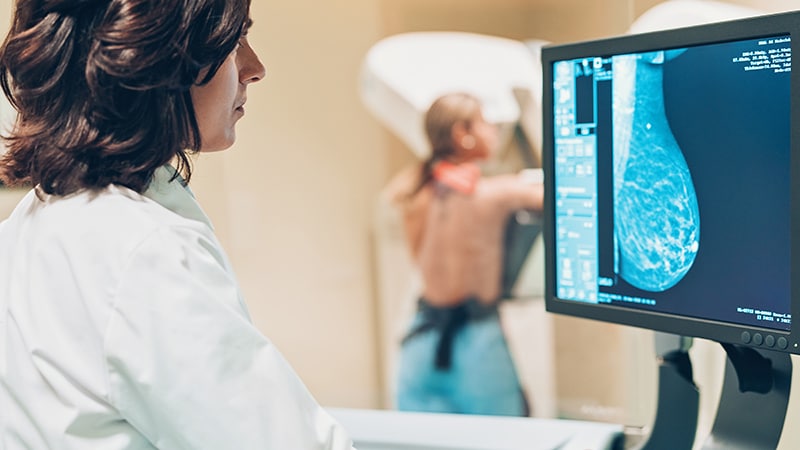
For women with dense breast tissue, 3-D mammography is the preferred screening method as it is more effective at detecting cancer than traditional mammograms. Additional screening options like ultrasounds may be considered for those at intermediate risk, while MRIs are reserved for high-risk individuals. Risk assessment tools can help determine the most appropriate screening strategy, and women should discuss their personal risk factors with their healthcare providers.

"Follow-Up Exams Recommended for High Breast Density Mammograms"
health2 years ago

"Follow-Up Exams Recommended for High Breast Density Mammograms"

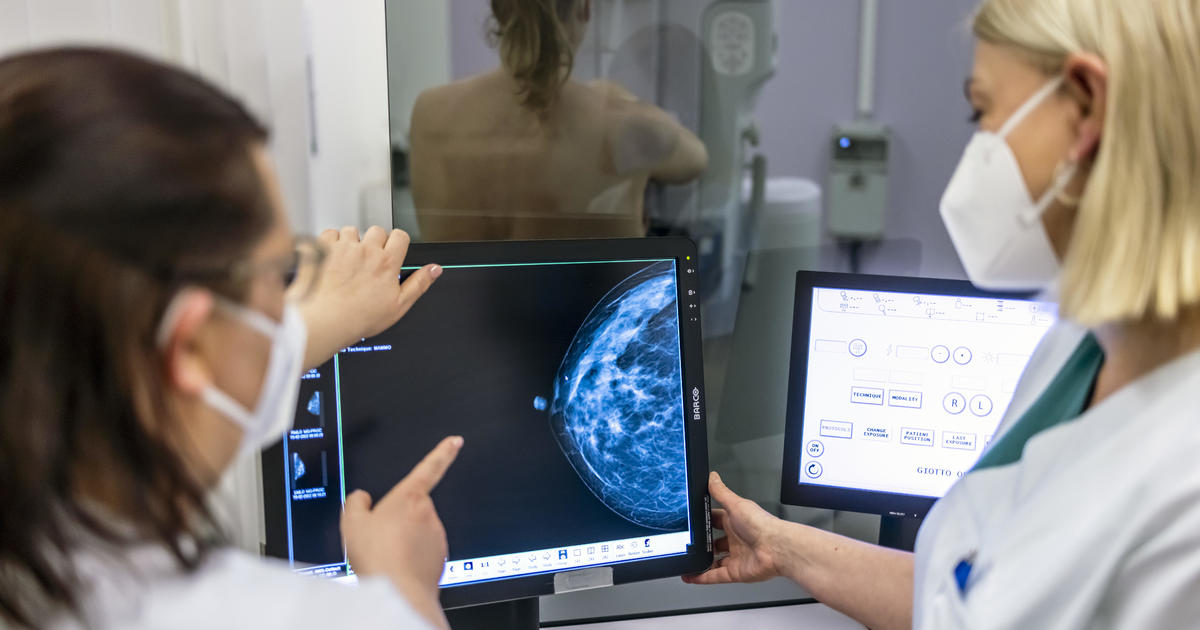
Mammograms are less effective for women with dense breast tissue, making it harder to detect cancer. There is no clear protocol on how to handle this issue, and medical experts disagree on the need for additional screening tests. While some believe that supplemental screenings are necessary, others argue that the current evidence does not support increased follow-up screenings for all women with dense breasts. Insurance coverage for these additional tests remains a significant hurdle, but efforts are being made to expand coverage and close loopholes in individual state laws.

Revolutionizing Breast Cancer Screenings: The Impact of AI on Mammograms and More
health2 years ago

Revolutionizing Breast Cancer Screenings: The Impact of AI on Mammograms and More

Artificial intelligence (AI) is revolutionizing breast cancer screenings by assisting physicians in detecting more cancers and predicting outcomes. Preliminary results from a study show that AI-assisted mammography screening detected 20% more cancers, while research from Northwestern Medicine suggests that AI could help spare breast cancer patients unnecessary chemotherapy treatments. AI is used to analyze mammograms and breast sonograms, sorting them into different risk levels. However, doctors emphasize that AI is not meant to replace human doctors but rather provide an additional tool in the screening process.

healthcare2 years ago

Controversial Cancer Screening Study Faces Criticism from Breast Imaging Experts

Breast imaging experts have criticized a recent study published in JAMA Internal Medicine, calling it "invalid" and "specious." The study evaluated the impact of various cancer screening tests on life-days gained and reported that mammography led to zero days gained, while CT lung cancer screening led to 107 days gained on average. Experts pointed out flaws in the study's design, including the failure to assess the impact of screening participation and the use of all-cause mortality as an inappropriate study approach. They emphasized the importance of developing better ways to detect breast cancer and reducing breast cancer-related deaths through screening programs.

Overdiagnosis Concerns: Breast Cancer Screening in Women Over 70
health2 years ago

Overdiagnosis Concerns: Breast Cancer Screening in Women Over 70

A new study suggests that breast cancer screenings for women over the age of 70 may be unnecessary and even harmful for some individuals due to the risks of overdiagnosis. The research highlights the importance of individualized plans with doctors, as there is no one-size-fits-all solution for older women. Different medical organizations provide conflicting guidelines on when to stop screenings, and the lack of research on older women further complicates the issue. Factors such as other medical conditions, risk for breast cancer, insurance coverage, and physical capability should be considered when making screening decisions. Ultimately, doctors can help patients navigate these decisions and communicate the best course of action.

AI's Impact on Breast Cancer Screening: Study Shows Comparable Results to Radiologists
health2 years ago

AI's Impact on Breast Cancer Screening: Study Shows Comparable Results to Radiologists

The world's largest trial of its kind has found that the use of artificial intelligence (AI) in breast cancer screening is safe and can significantly reduce the workload of radiologists. The study compared AI-supported screening with standard care and found that AI screening was as effective as two radiologists working together, did not increase false positives, and reduced the workload of radiologists by almost half. The interim analysis concluded that AI-supported mammography screening is safe and could help address the shortage of radiologists. However, further research is needed to assess the impact on patient outcomes and cost-effectiveness. The final trial results are expected in the coming years.

"Controversial US Mammogram Update Fuels Ongoing Debates"
healthcare2 years ago

"Controversial US Mammogram Update Fuels Ongoing Debates"

The US Preventive Services Task Force (USPSTF) is finalizing an update to its recommendations on breast cancer screening, proposing to lower the initial age for routine mammogram screening from 50 to 40. However, concerns have been raised about the costs associated with potential follow-up tests and the lack of coverage for these tests. The update has also reignited debates about the timing and frequency of screening, as well as the need for a more nuanced approach based on racial and ethnic groups. Additionally, there is ongoing uncertainty regarding the benefits and harms of additional screening for women with dense breasts. Efforts are underway in Congress to end copays for breast screening, and the final guidelines will be used to guide discussions between primary care physicians and patients.

The Challenges and Innovations in Breast Cancer Screening Technology
health2 years ago

The Challenges and Innovations in Breast Cancer Screening Technology

Researchers from the University of Maryland School of Medicine tested ChatGPT, an AI chatbot from OpenAI, on 25 questions related to breast cancer screening guidelines and found that it answered accurately 88% of the time. However, the chatbot gave outdated information in one response and inconsistent responses in two others. Experts caution that ChatGPT's responses should be vetted by a doctor and that it is not yet ready for the real world.