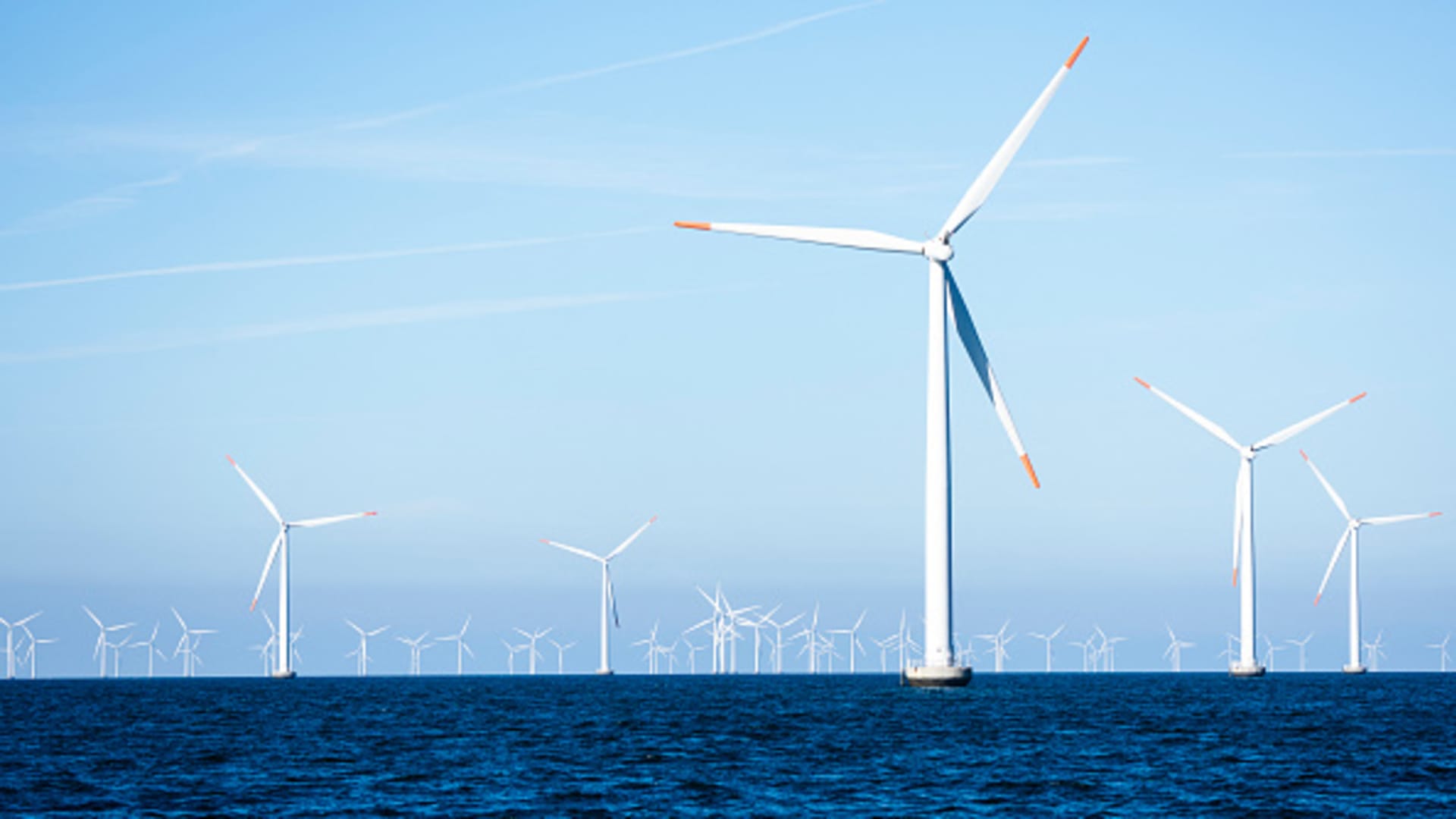
Orsted has filed a lawsuit against the Trump administration to challenge the suspension of its $5 billion Revolution Wind offshore wind project, citing substantial harm and reliance on a thorough review process, after the lease was halted over national security concerns.
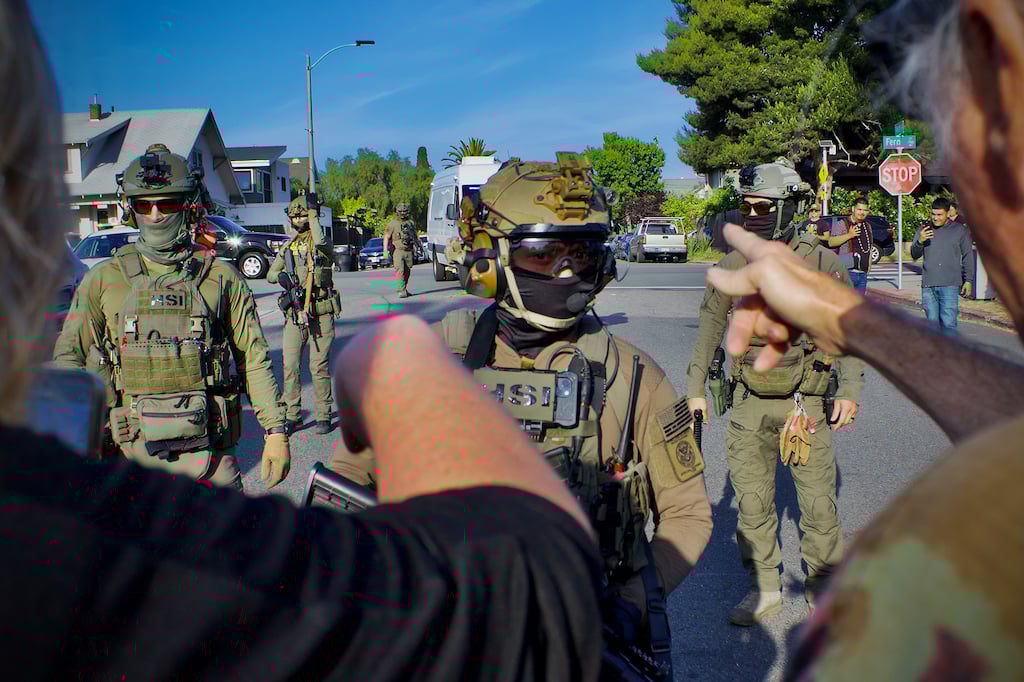
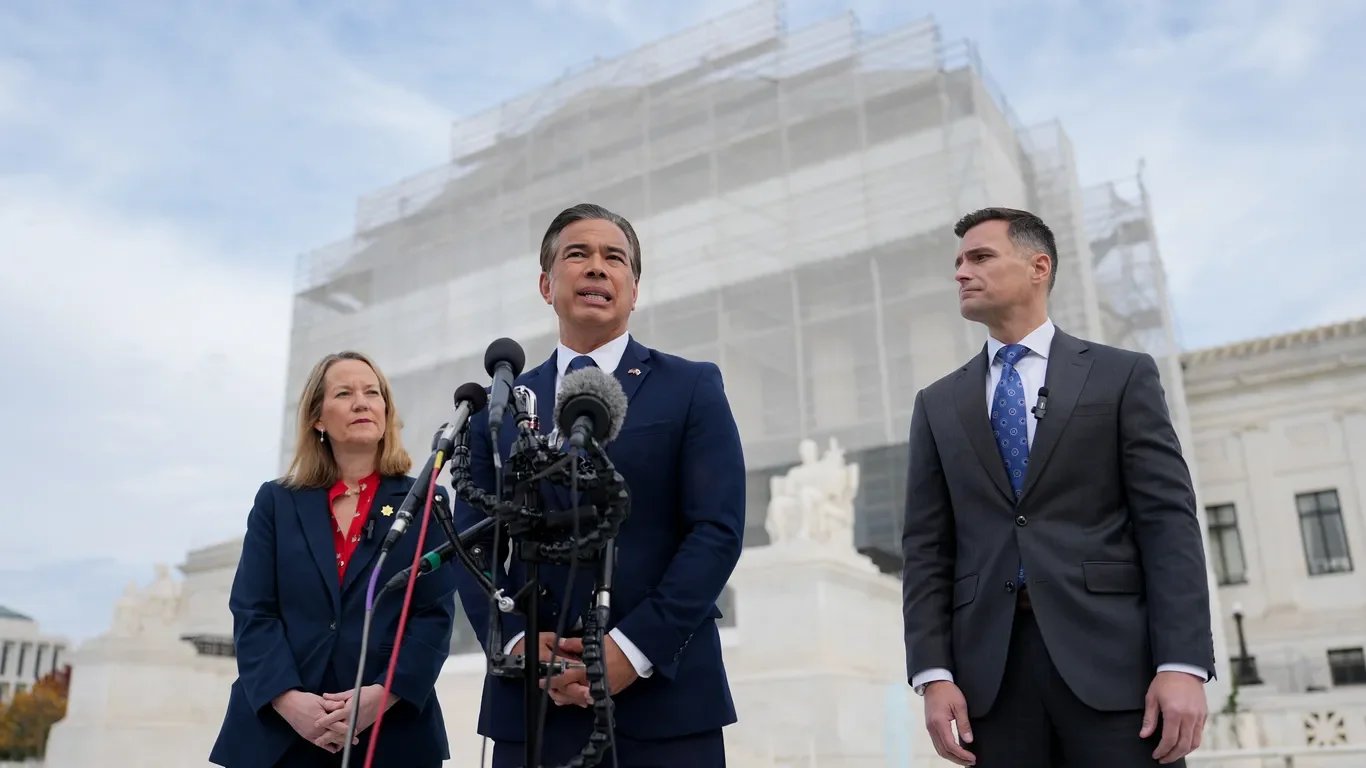
California has enacted a law banning law enforcement officers from covering their faces, with exceptions, aiming to curb anonymous federal agents involved in immigration raids. The Trump administration is suing to block the law, citing federal supremacy and safety concerns for agents. Legal experts suggest the law may face significant challenges in court due to longstanding federal immunity principles and constitutional considerations.
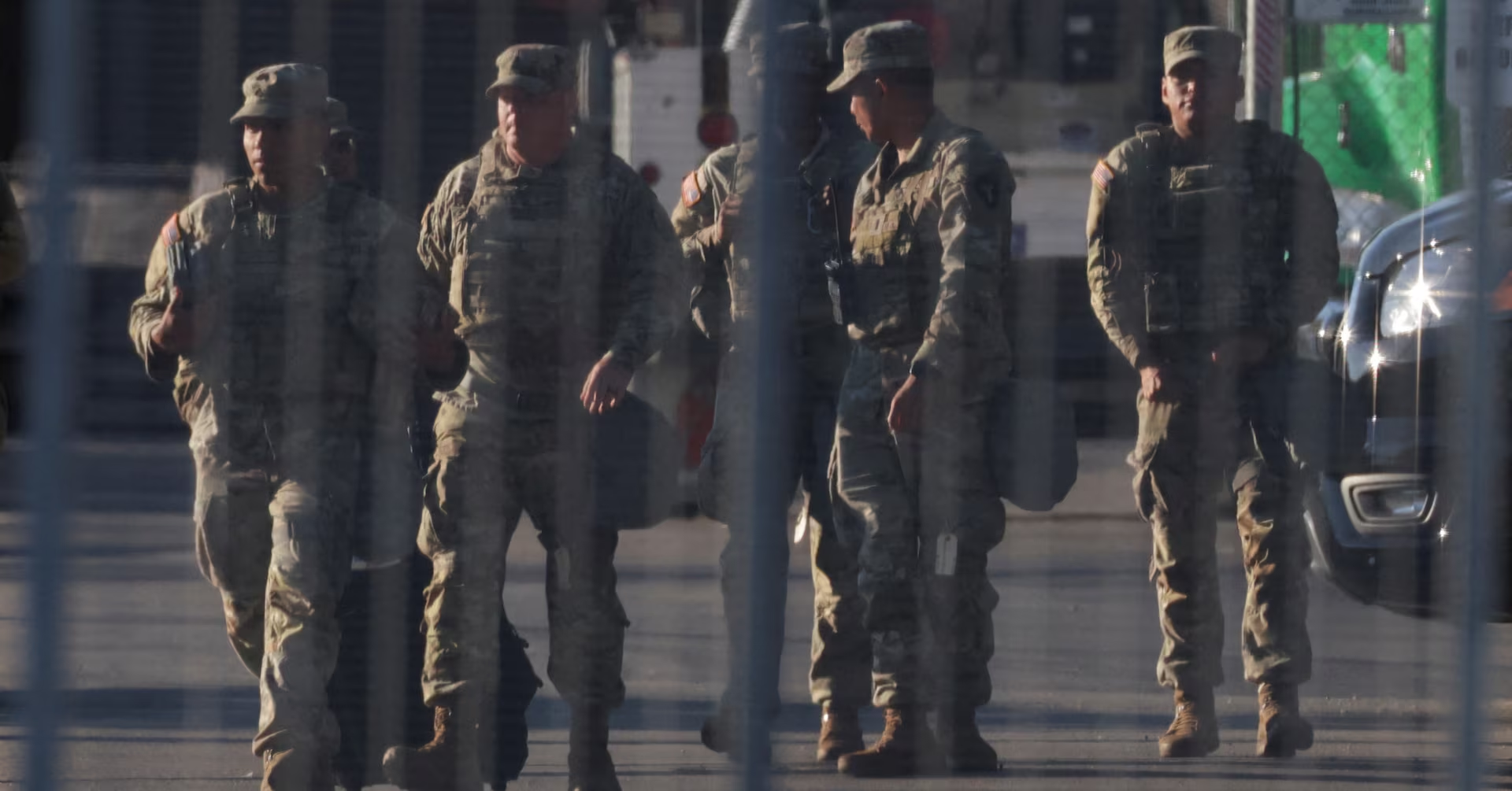
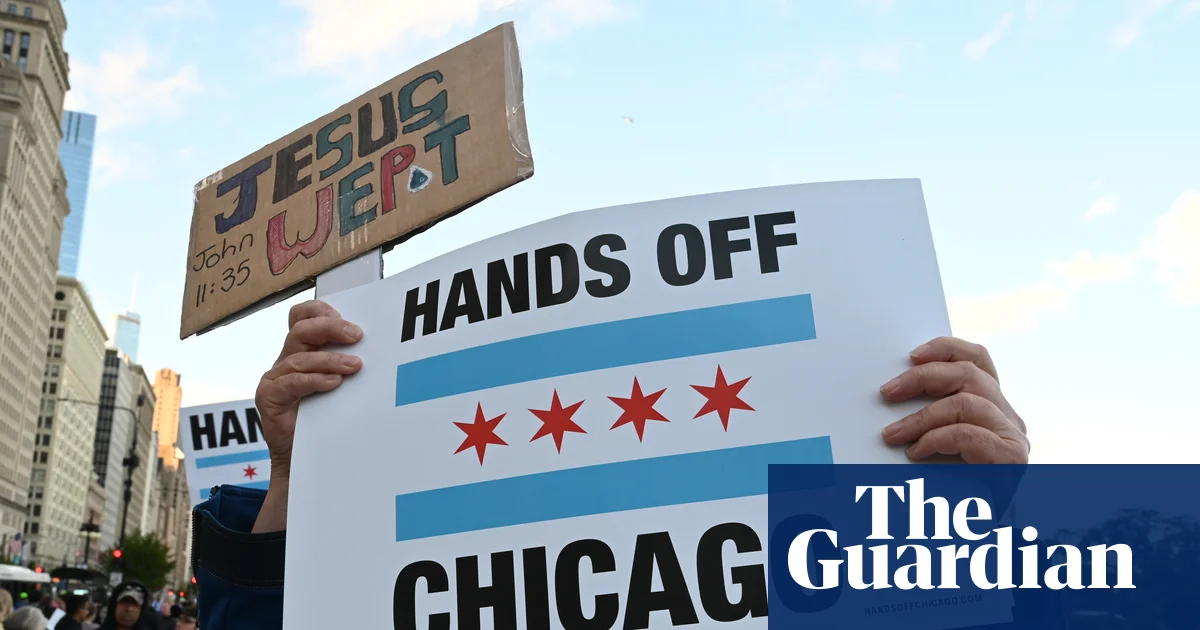
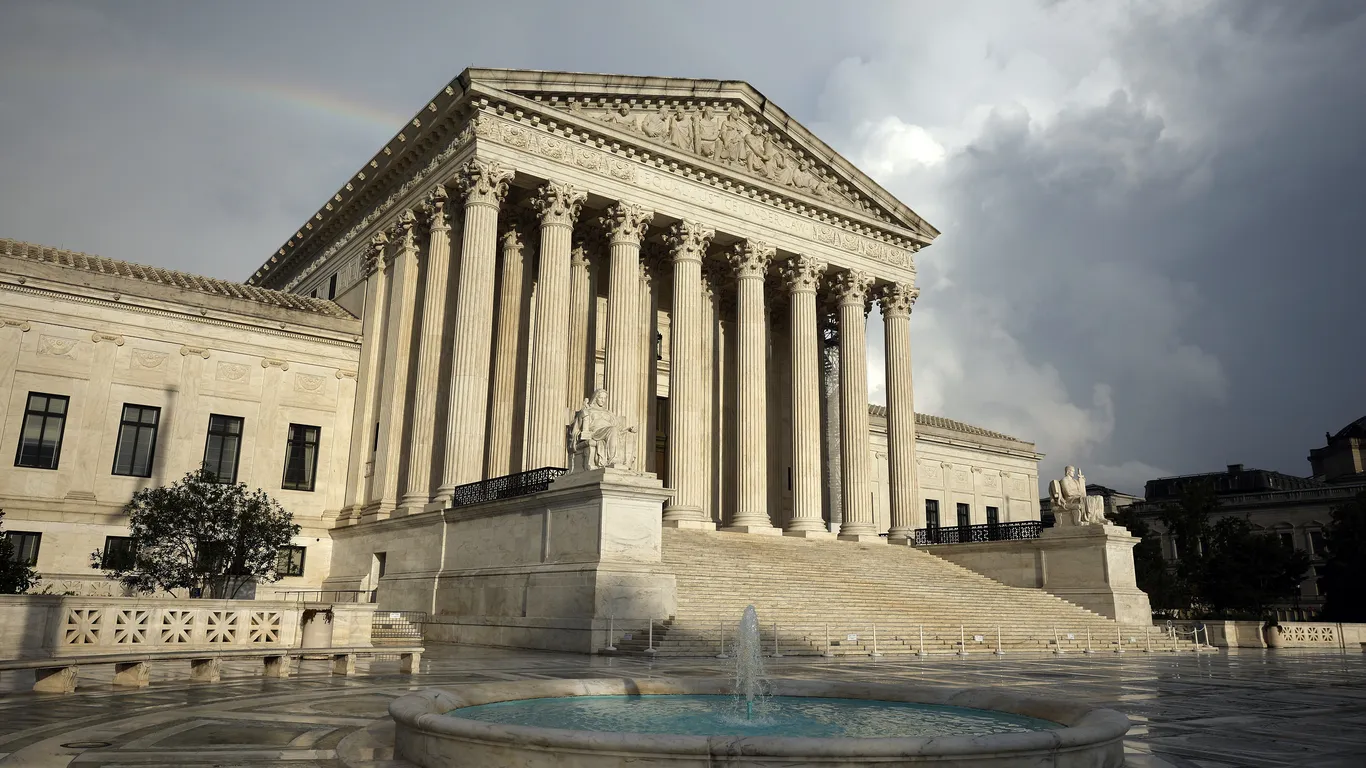
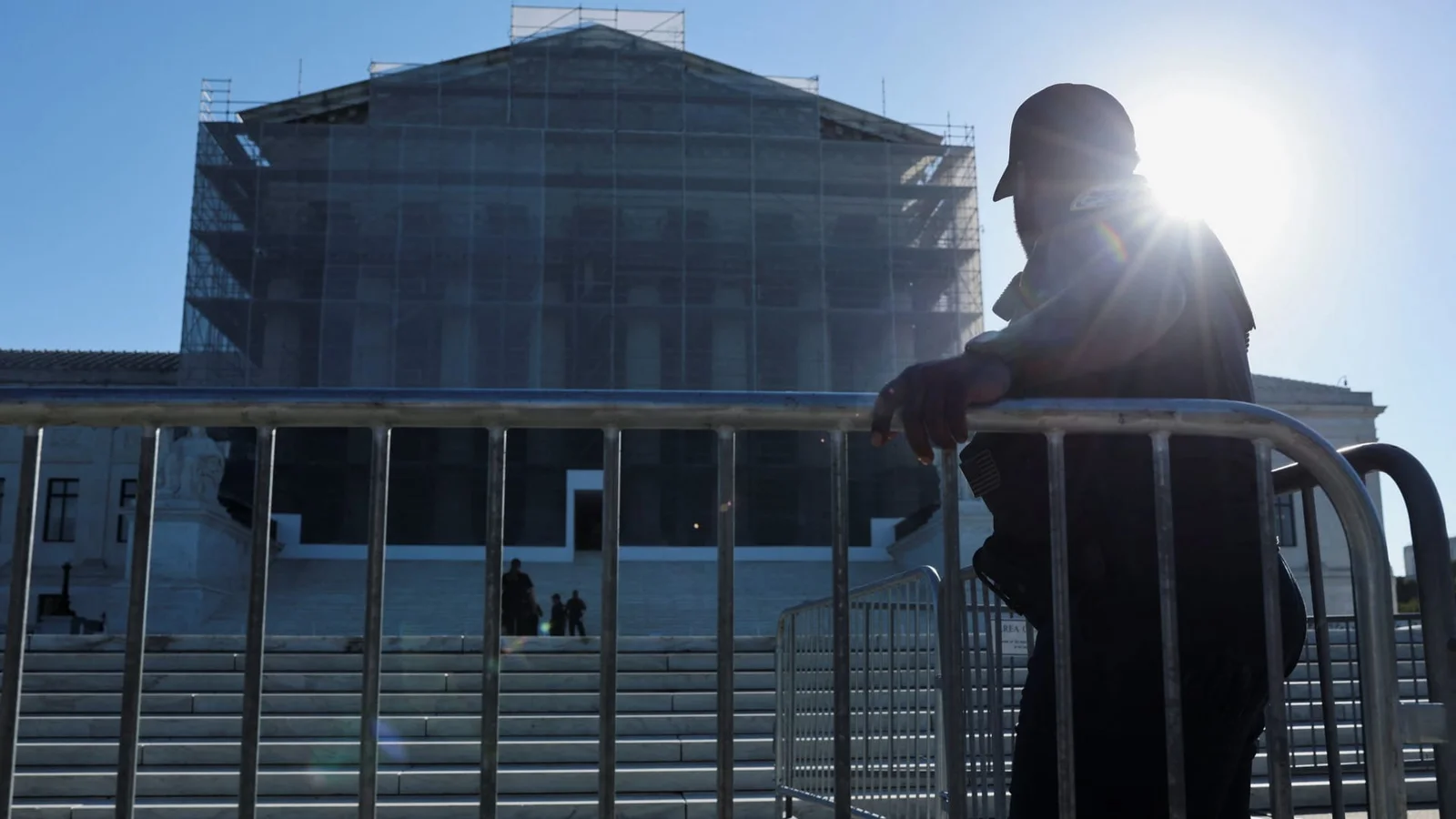
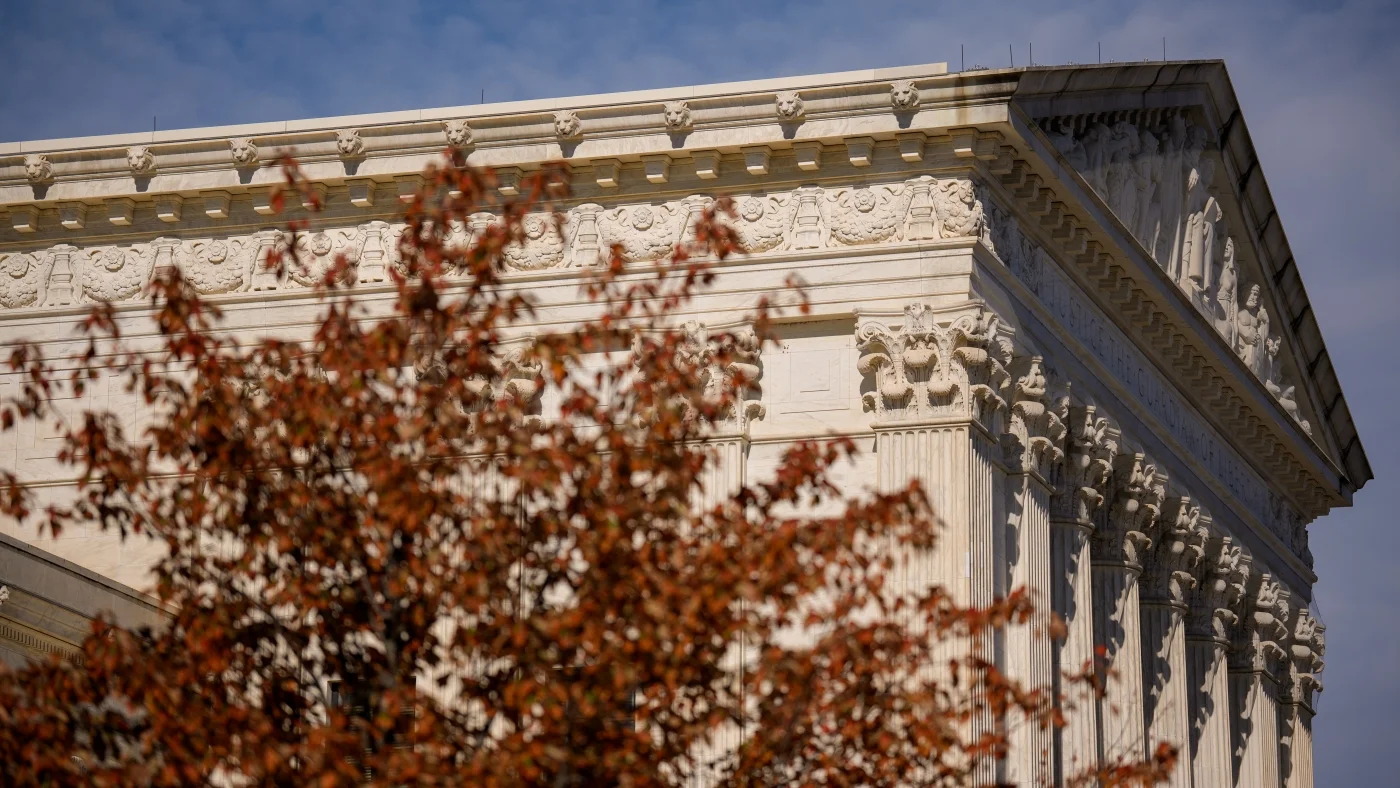
The U.S. Supreme Court temporarily blocked Donald Trump's attempt to deploy National Guard troops to Chicago, marking a rare legal setback for his administration, as judges questioned the legal authority for such deployment and local officials argued protests are peaceful.
The US Supreme Court blocked Donald Trump's attempt to deploy National Guard troops to Chicago, upholding a lower court order that prevented federal military intervention in the city amid legal disputes and protests.
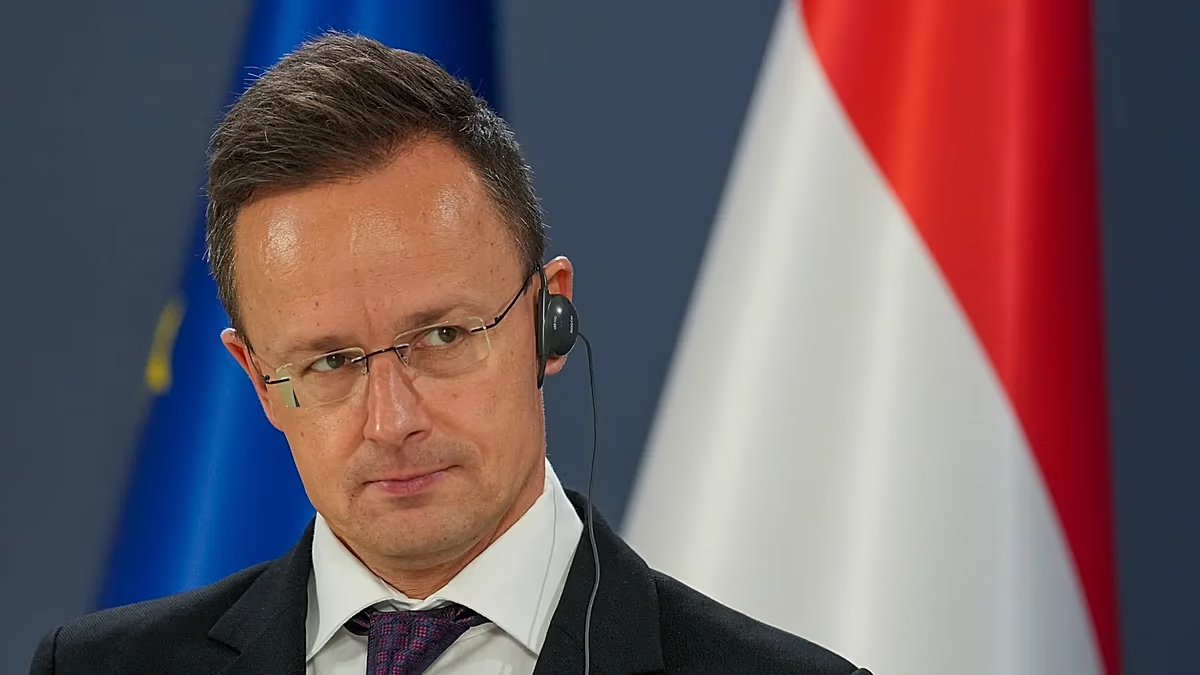
Hungary plans to sue the EU at the European Court of Justice over its plans to phase out Russian energy by 2027, arguing that it threatens Hungary's energy security and could cause price hikes, with the Hungarian government already initiating legal proceedings.
The Trump administration threatened to withhold SNAP benefits from Democratic-led states that refused to provide immigration and recipient data, citing fraud prevention, but legal challenges and court orders have blocked these actions, highlighting ongoing conflicts over data privacy and federal funding.
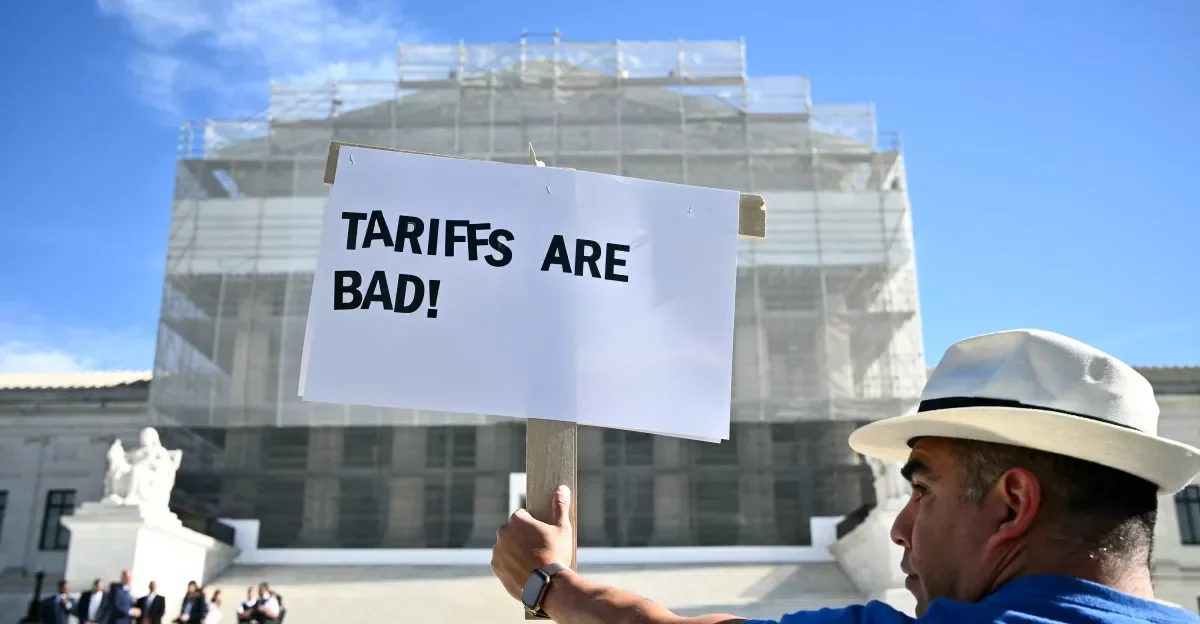
The Supreme Court is considering a case that could overturn most of Trump's tariffs, potentially leading to lower prices, faster growth, and higher employment, although Trump might reinstate tariffs on different legal grounds. The case questions whether the president's use of the International Emergency Economic Powers Act to justify tariffs is legally valid, as many experts dispute the law's applicability to trade deficits.
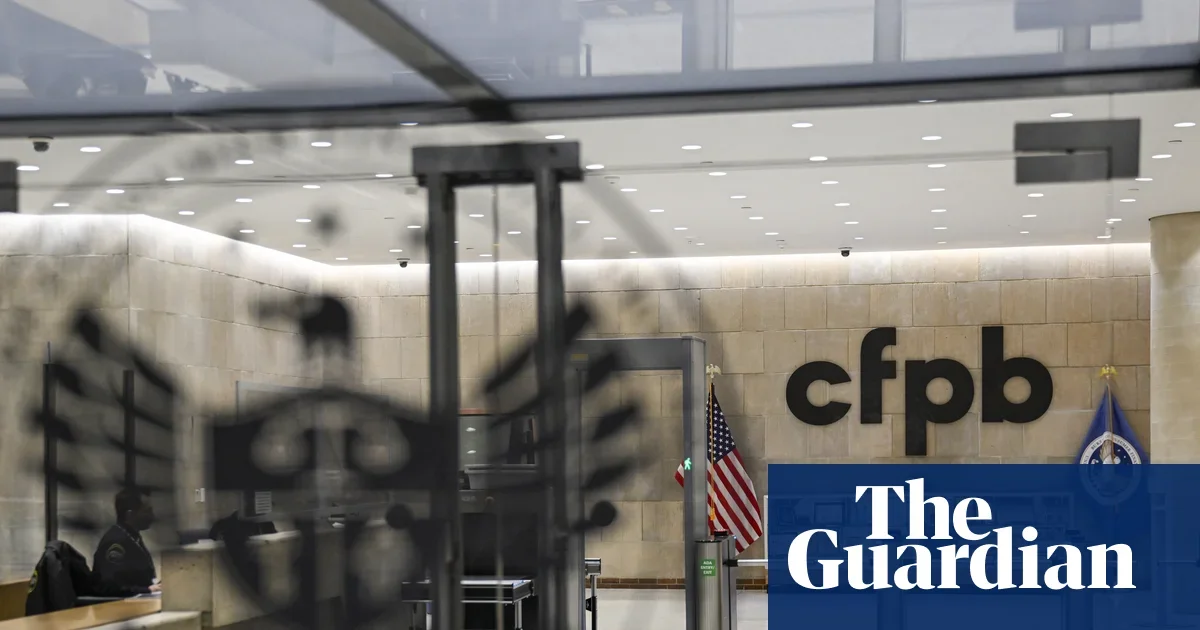
The Trump administration is attempting to shut down the Consumer Financial Protection Bureau by challenging its funding mechanism in court, claiming it is unlawful and that the agency will run out of funds by 2026, despite previous court rulings blocking such efforts and the agency's significant consumer restitution achievements.
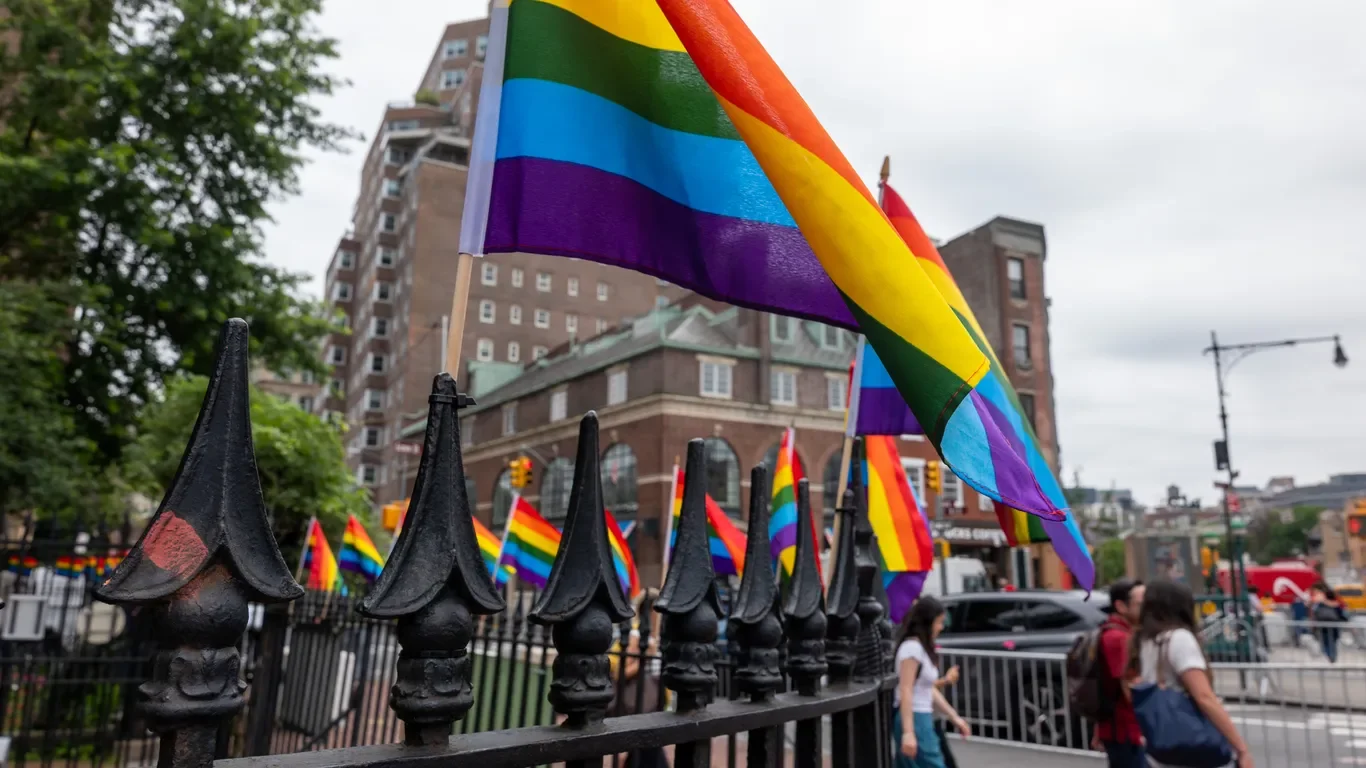
The U.S. Supreme Court is considering whether to hear an appeal that could challenge the 2015 ruling that established marriage equality, with potential implications for LGBTQ+ rights and state laws. The case involves Kim Davis, a former Kentucky clerk, who refused to issue a marriage license to a same-sex couple and argues that the Supreme Court's decision was wrong. While some justices have suggested revisiting the ruling, many oppose it, citing the broad societal support for marriage equality. The outcome could significantly impact legal protections for same-sex marriages across the U.S.
The Supreme Court is considering a challenge to President Trump's tariff powers, which could limit his ability to impose tariffs unilaterally, potentially affecting foreign investment agreements and international commitments, with significant implications for U.S. economic policy and foreign relations.
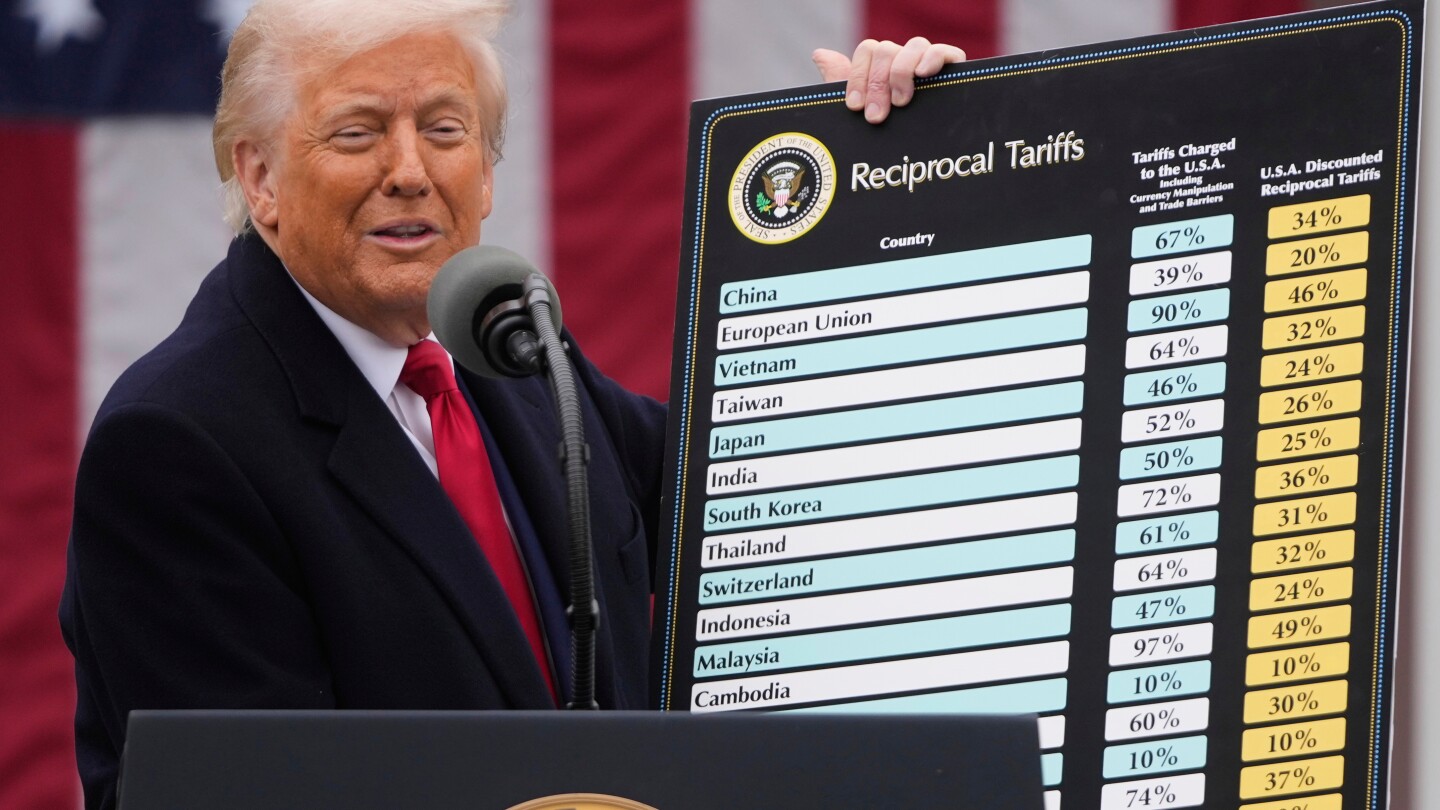
The U.S. Supreme Court is hearing a case on Trump's reciprocal tariffs, with skepticism from judges about their legal basis. Market reactions are mixed, with potential implications for government debt and stock markets depending on the ruling, but tariffs could still be reinstated through executive powers, adding market uncertainty.
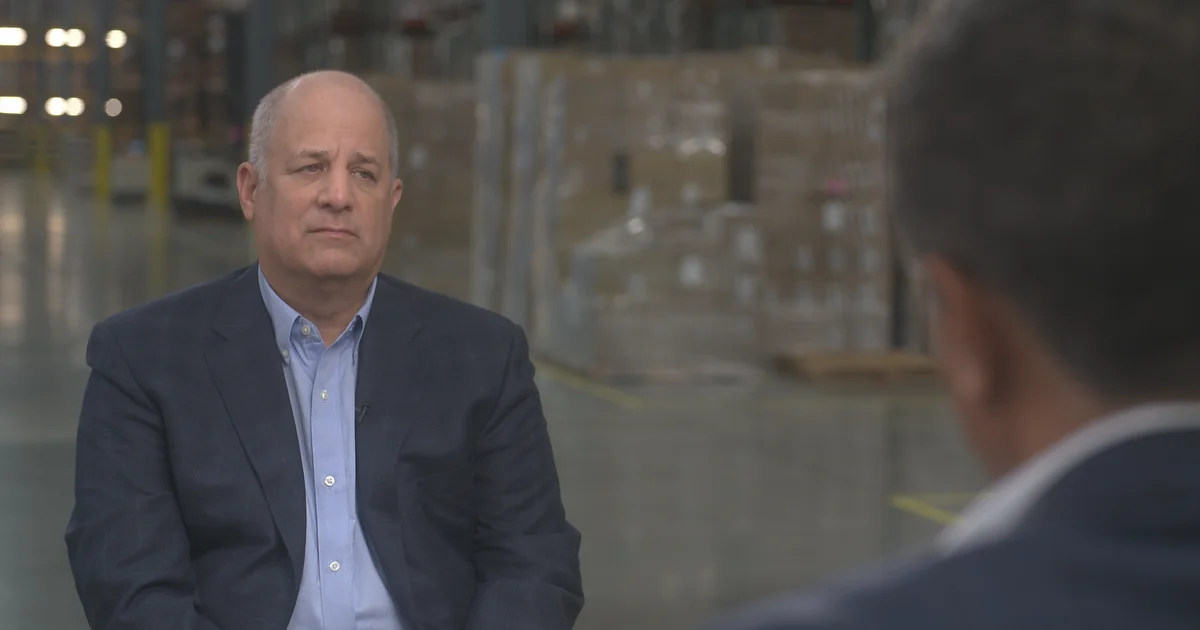
A small business owner, Rick Woldenberg, has sued the Trump administration over tariffs imposed during his presidency, claiming they are an illegal power grab. The case has reached the Supreme Court, which will decide if the president had the legal authority to levy tariffs on foreign countries during a national emergency. Woldenberg seeks refunds for the millions paid in tariffs, arguing they are an unlawful tax, while the government warns that a ruling against tariffs could lead to massive refunds and economic chaos.
The Supreme Court is questioning President Trump's unilateral tariff powers, with potential rulings that could limit or specify the circumstances under which tariffs can be imposed, but the decision may not be straightforward, leaving the future of Trump's trade policies uncertain.
The Supreme Court is examining whether President Trump exceeded his authority by using emergency powers to impose global tariffs, with questions from justices indicating potential skepticism about the administration's legal basis, and a possible quick decision expected.
The Supreme Court questioned the legality of Trump's tariff policy, with skepticism about his use of national security as a justification to bypass Congress, amid ongoing legal challenges and debates over the authority under the International Emergency Economic Powers Act.