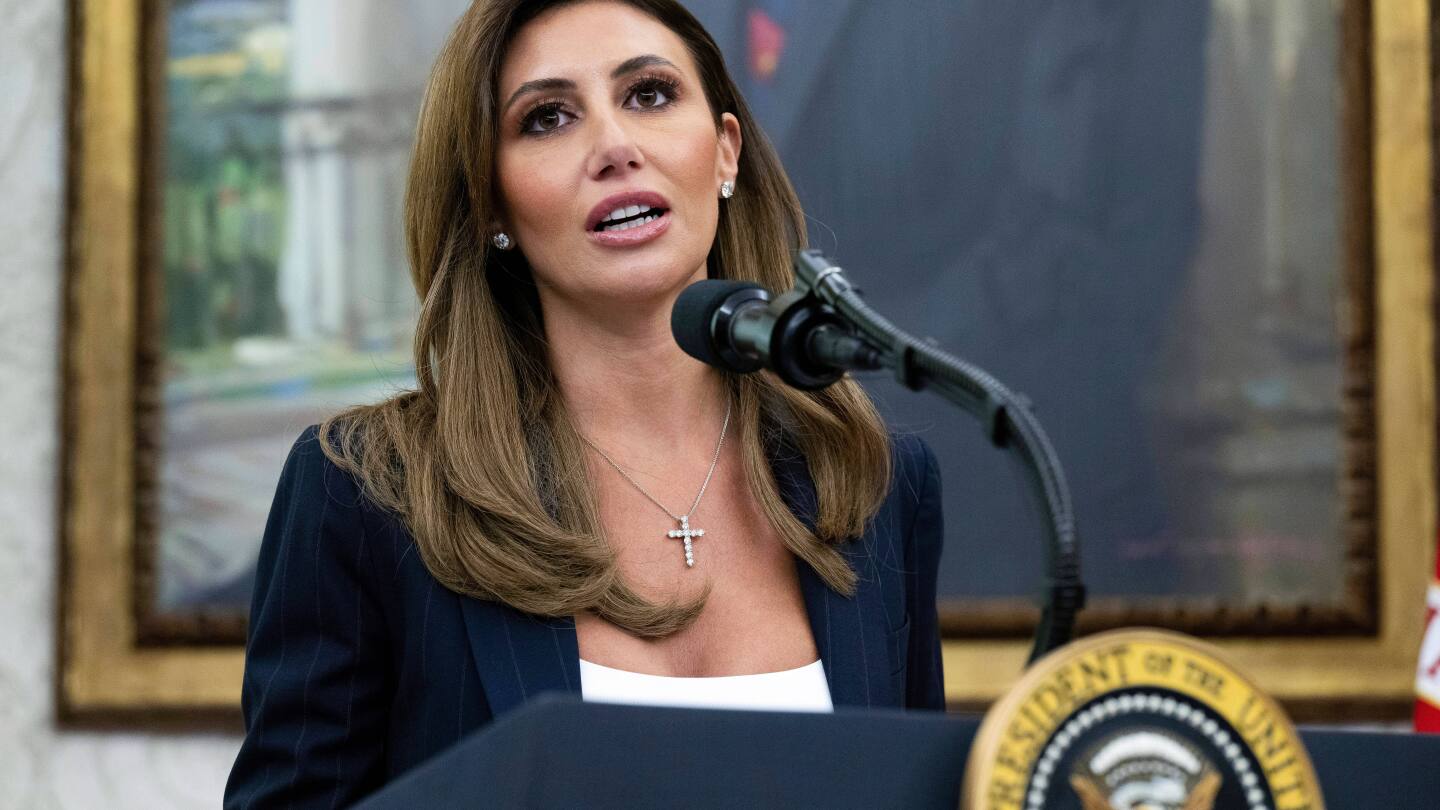
Federal appeals court judges questioned the legality of Alina Habba's appointment as New Jersey's top federal prosecutor, amid ongoing legal disputes over her authority and the appointment process, which has political and constitutional implications.
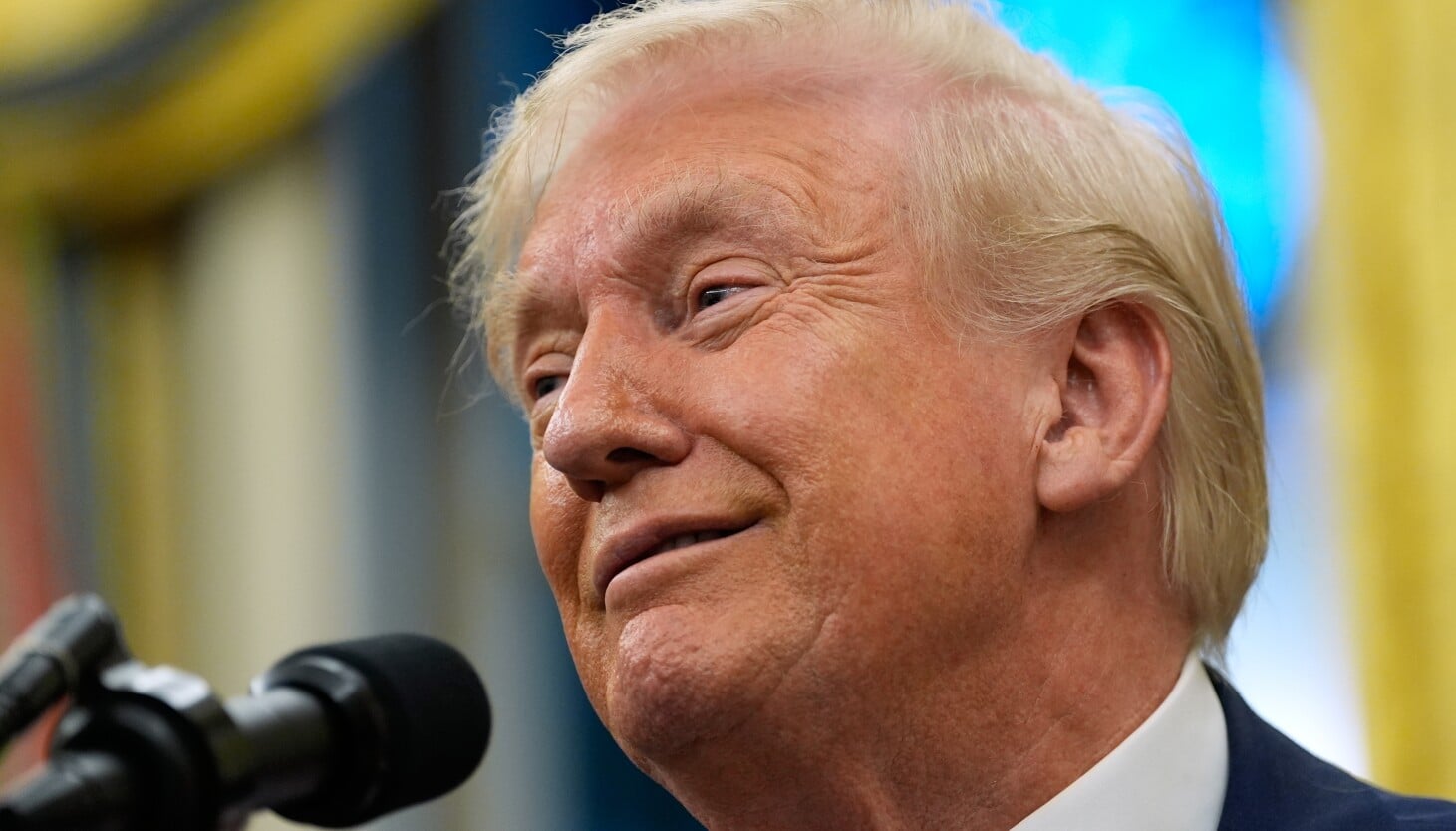
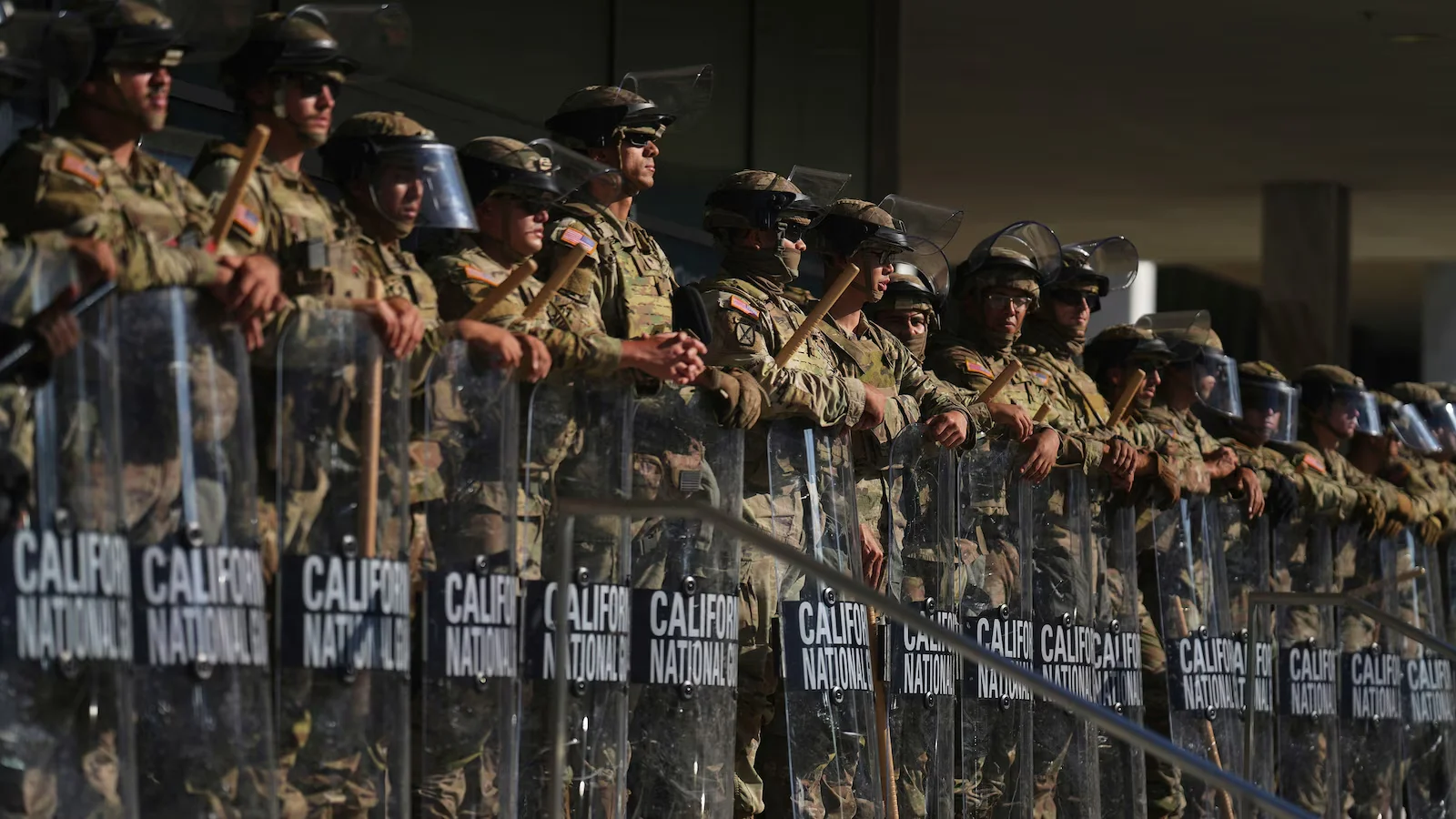
The deployment of National Guard troops in Illinois remains blocked after a federal appeals court partially halted a lower court's ruling, with the court considering whether to lift the entire block amid ongoing legal disputes involving the Trump administration.
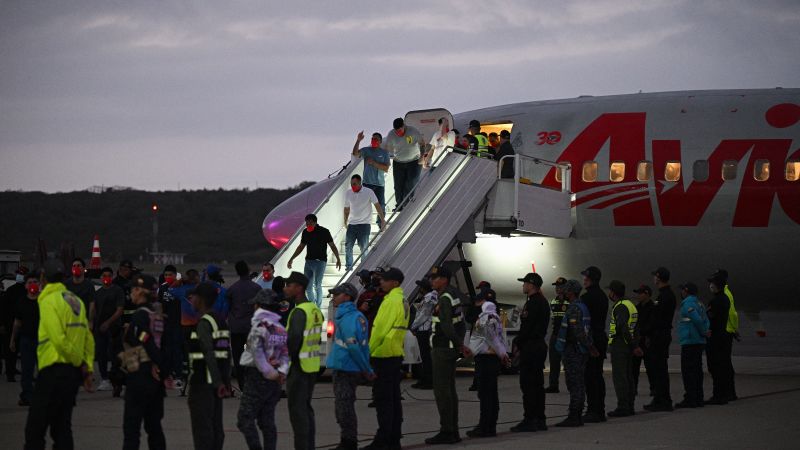
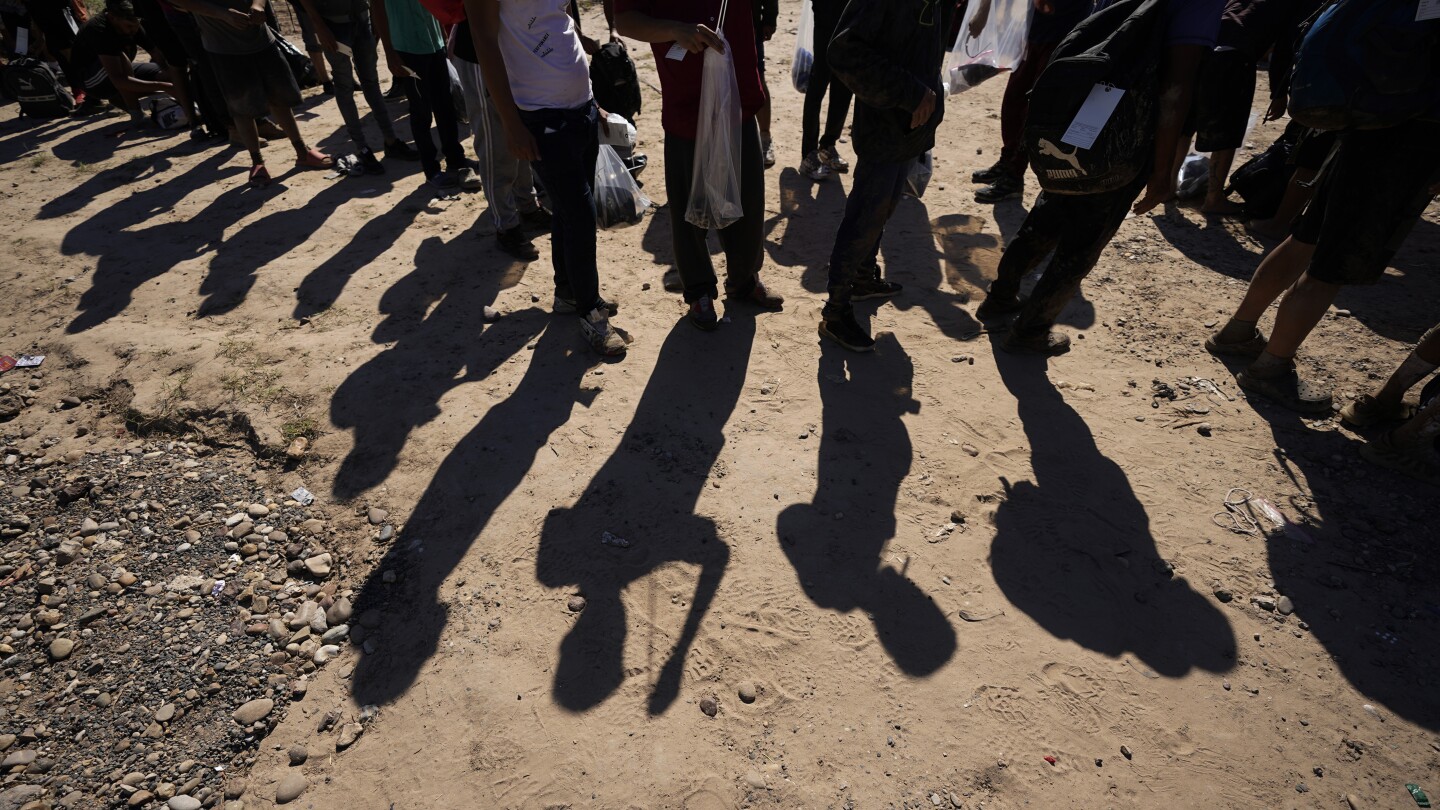
A divided federal appeals court ruled that President Trump unlawfully invoked the Alien Enemies Act to deport alleged Venezuelan gang members, blocking its use in several southern states and signaling a potential Supreme Court review of the issue.
A U.S. federal appeals court ruled that President Trump exceeded his authority in imposing broad tariffs under the 1977 International Emergency Economic Powers Act, marking a setback for his trade policies. The court's decision could lead to the tariffs being struck down, but Trump plans to appeal to the Supreme Court, and the case's outcome may impact future trade negotiations and revenue from tariffs.
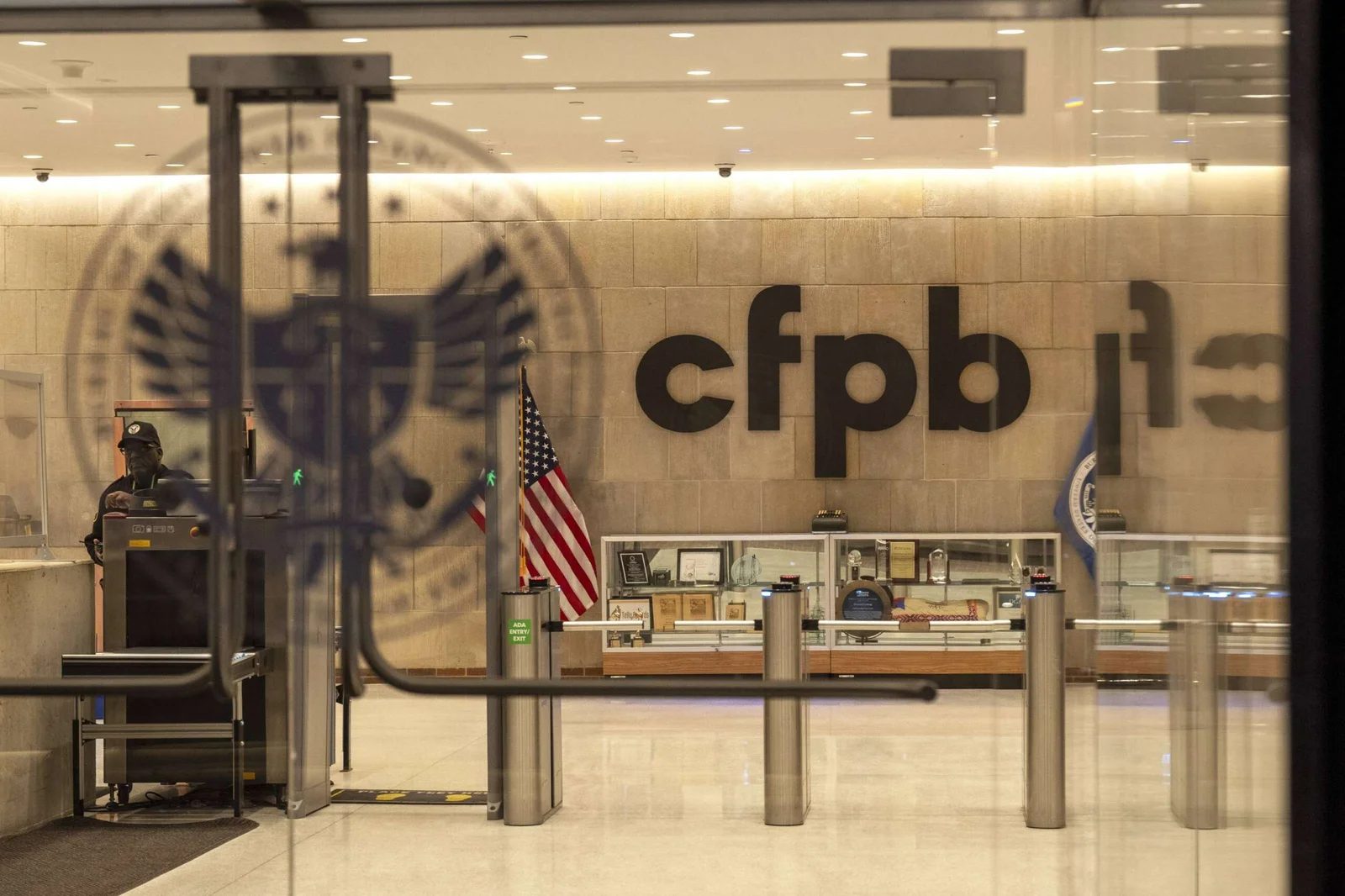
A federal appeals court has allowed the Trump administration to proceed with plans to drastically reduce the Consumer Financial Protection Bureau's workforce by 80%, amid ongoing legal challenges and concerns about the agency's ability to fulfill its mandated functions.
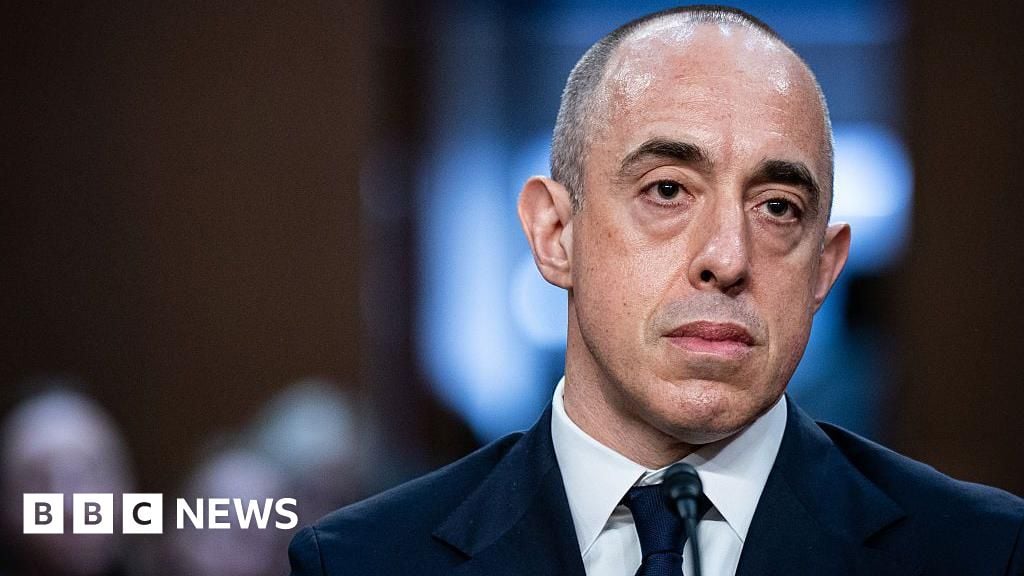
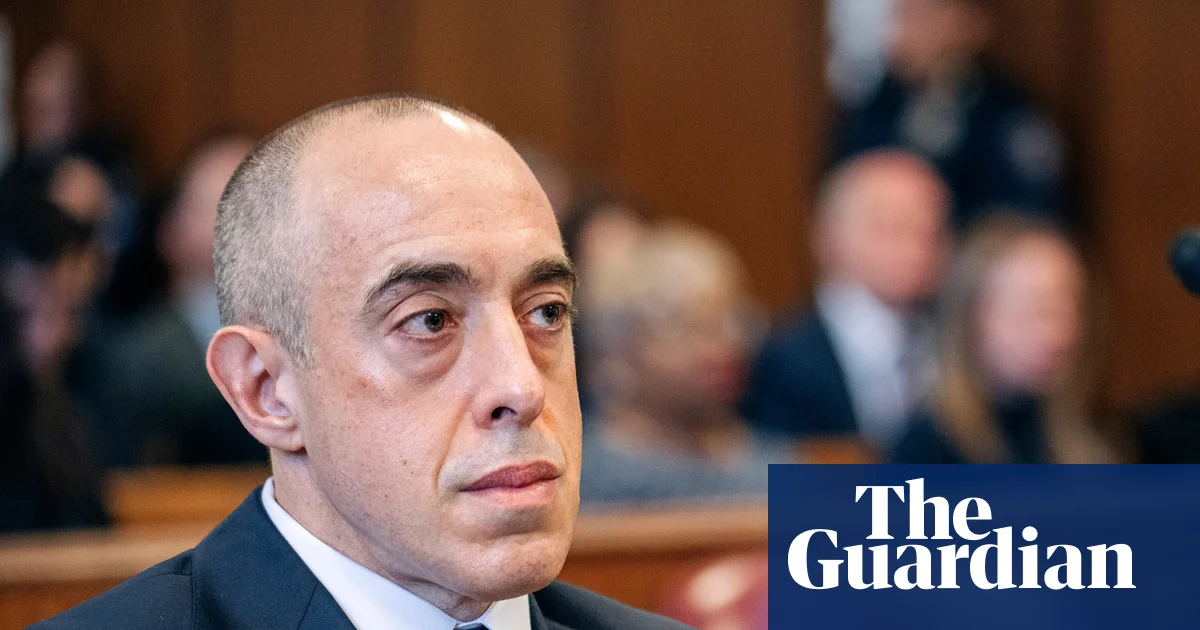
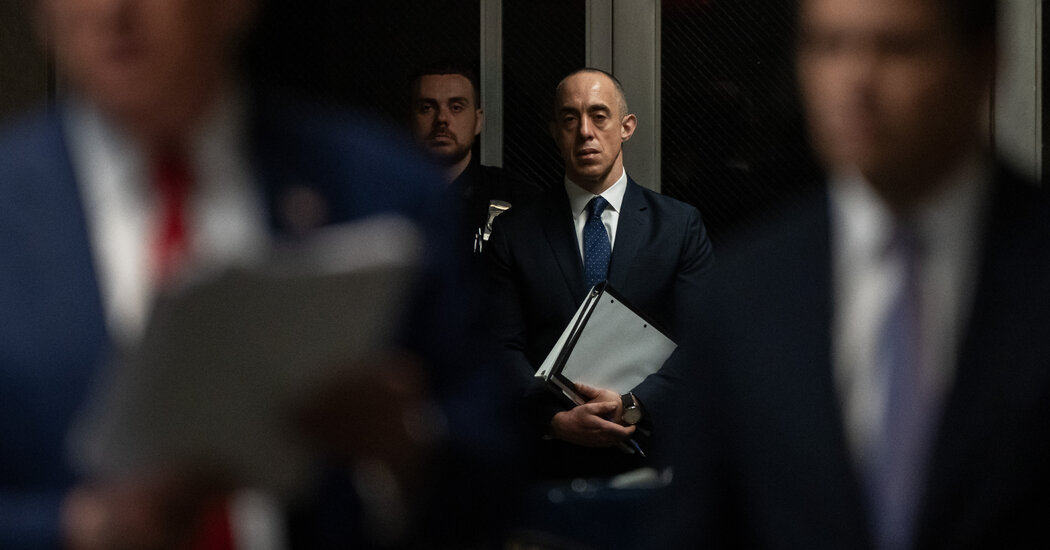
The US Senate confirmed Emil Bove, a former Trump defense lawyer, as a judge on the US Court of Appeals for the 3rd Circuit in a narrow 50-49 vote, amid significant opposition from Democrats who questioned his loyalty and conduct during his legal career.
The Senate confirmed Emil Bove, a former Trump defense attorney and Justice Department official, to a lifetime seat on a federal appeals court amid controversy and whistleblower allegations that he advocated ignoring court orders and misled Congress, with opposition mainly from Democrats and some Republican senators.
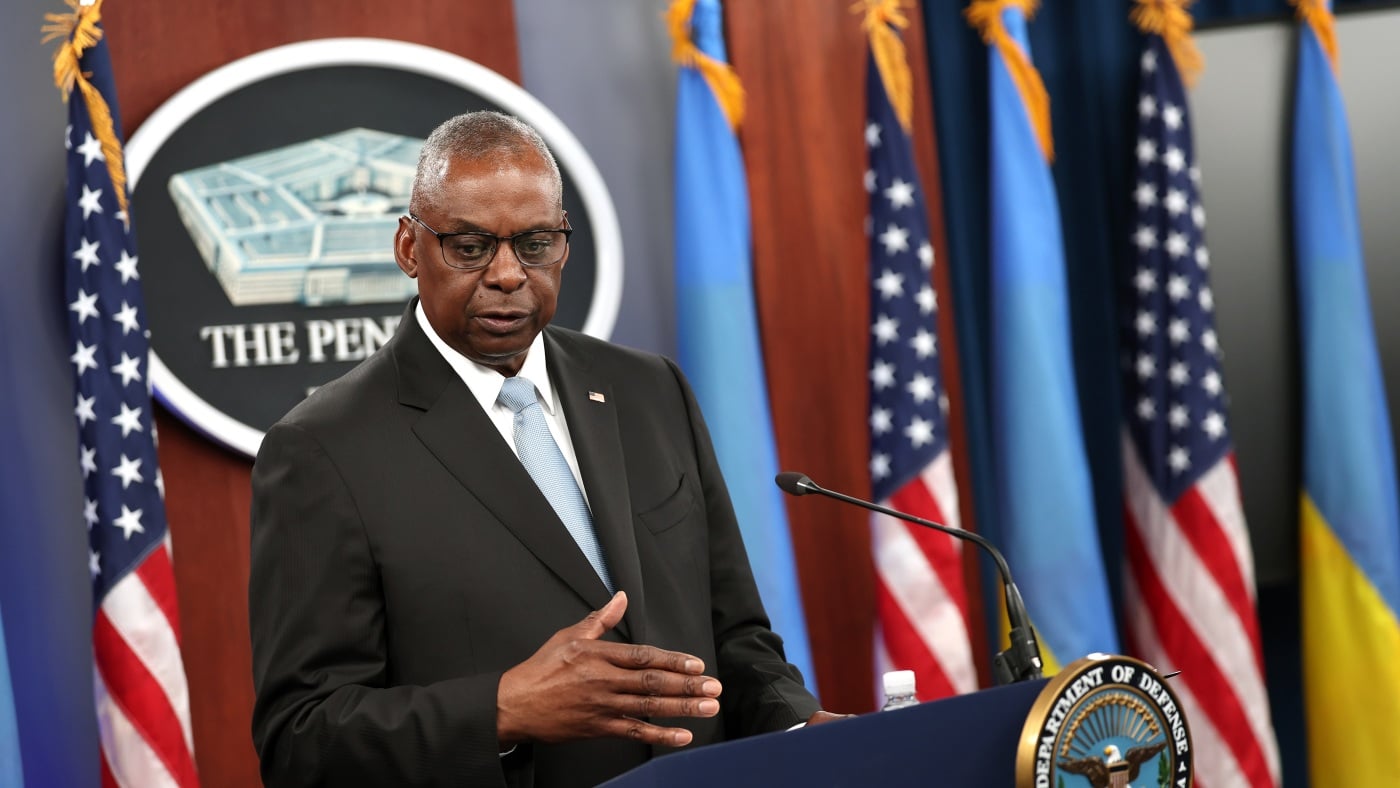
A federal appeals court has canceled plea deals for three men accused of plotting the 9/11 attacks, including alleged ringleader Khalid Sheikh Mohammed, after former Defense Secretary Lloyd Austin rescinded them, citing a desire for a death-penalty trial. The decision, split 2-1, raises questions about legal authority and the future of the long-delayed case, which remains mired in legal and procedural disputes.
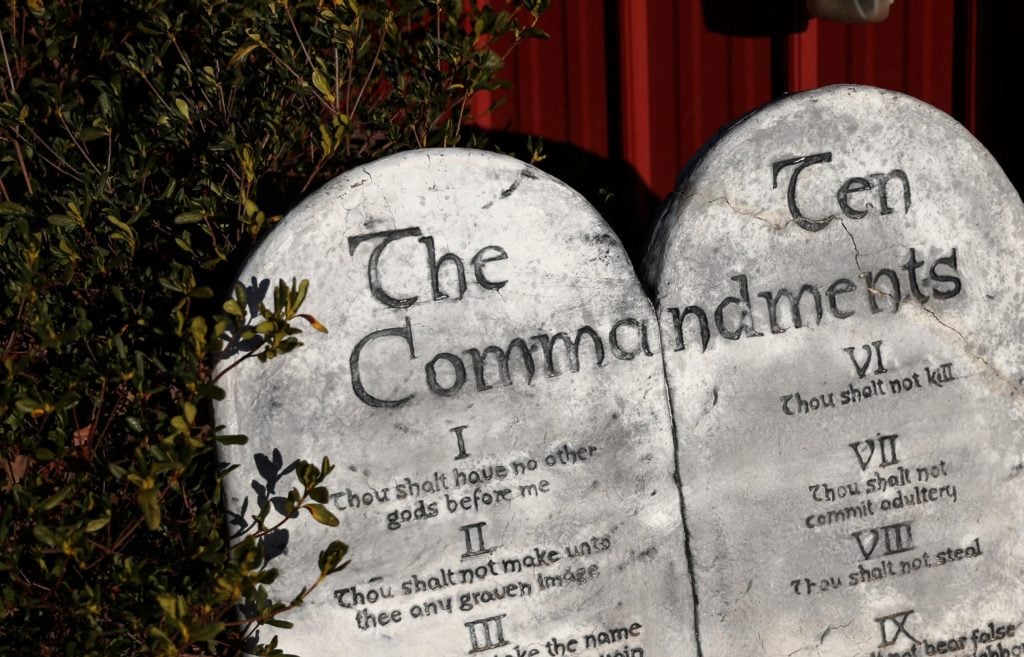
A federal appeals court has ruled that Louisiana's law requiring the Ten Commandments to be posted in public school classrooms is unconstitutional, citing violations of the First Amendment's separation of church and state, marking a significant victory for civil liberties groups and potentially setting the stage for Supreme Court review.
A federal appeals court delayed an order that would have returned control of the California National Guard to Governor Gavin Newsom, after a lower court temporarily restrained Trump's deployment of troops during protests, citing constitutional and legal concerns about the president's authority and the protests' nature.
President Trump announced his intention to nominate Emil Bove, a former defense lawyer and Justice Department official known for aggressive immigration enforcement, to the U.S. Court of Appeals for the Third Circuit, a move that is expected to face unanimous opposition from Democrats in the Senate.
The 4th U.S. Circuit Court of Appeals overturned West Virginia's law banning transgender athletes from competing on girls’ and women’s sports teams, ruling that it violated Title IX. The case was brought by Becky Pepper-Jackson, a transgender girl, and the court's decision was applauded by the ACLU. The state's attorney general expressed disappointment and vowed to continue fighting for the law. This ruling comes amid a national debate over transgender athletes' participation in sports, with temporary injunctions blocking similar laws in other states.
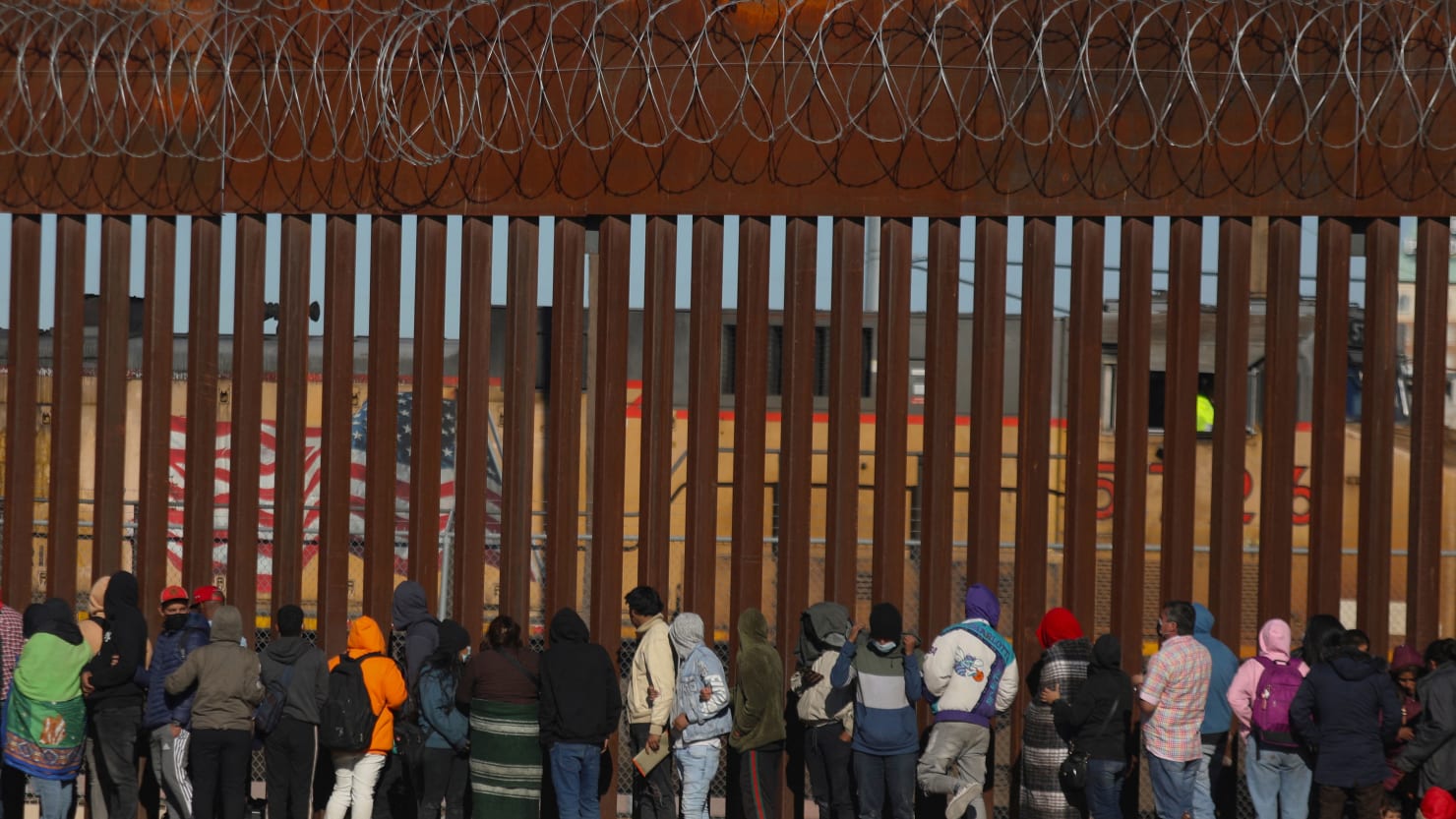
A lawyer defending Texas' Senate Bill 4 admitted to a federal appeals court that the state may have gone "too far" with the controversial immigration law, which allows state and local authorities to arrest and deport undocumented migrants. The court is considering whether the law infringes on federal immigration enforcement. The Texas Solicitor General argued that local authorities would work with federal partners if the law is implemented, while a Biden administration lawyer urged the court to maintain its previous rulings. The panel's decision to pause the law while its constitutionality is debated indicates that the legal battle over Senate Bill 4 is likely to continue, possibly reaching the Supreme Court.
A federal appeals court has ruled that Pennsylvania's requirement for voters to include accurate handwritten dates on the outside envelopes of their mail-in ballots is legal under civil rights law, overturning a lower court ruling. The decision upholds the enforcement of the date requirement, which caused thousands of votes to be declared invalid in the 2022 election. The ruling has sparked debate over election procedures and could impact the upcoming presidential election in Pennsylvania, where Democrats have been more likely to vote by mail than Republicans.
A federal appeals court has upheld the temporary hold on Texas' new immigration law, preventing its enforcement until a broader decision is made on its legality. The law, which allows Texas law enforcement to arrest migrants suspected of entering the country illegally, has faced opposition from the Justice Department and critics who argue it violates federal authority and could lead to civil rights violations and racial profiling. The court's ruling keeps the law on hold while it considers the latest appeal, following a brief period when the U.S. Supreme Court allowed it to take effect.