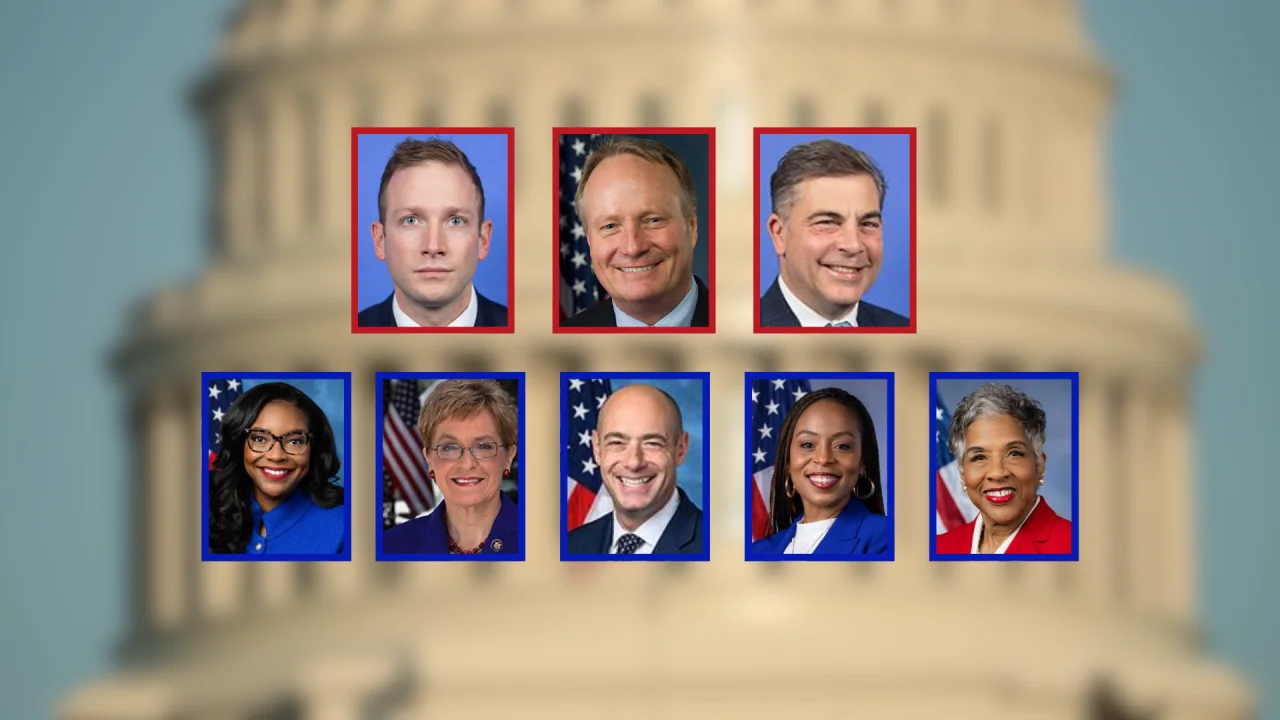
The House voted 230-196 to extend Obamacare subsidies for three years, with some Republican support, aiming to pressure the Senate for a bipartisan deal amid rising healthcare costs and political risks for Republicans, especially in states with higher enrollment and premiums.
As federal Obamacare subsidies expire, some states like New Mexico are covering the costs, while others like Georgia refuse, leading to potential coverage gaps and increased premiums, especially impacting rural hospitals and uninsured populations. States are debating whether to fill the gap themselves, with some viewing it as a matter of life or death.
While overall Obamacare sign-ups are steady compared to last year, some states are experiencing higher termination rates, fewer new enrollees, and increased consumer calls for help, raising concerns about the impact of the expiration of enhanced subsidies in January, which could lead to higher premiums and lower enrollment if not extended by Congress.
The U.S. House is preparing to vote on a three-year extension of Obamacare subsidies, with bipartisan support expected, despite opposition from some Senate Republicans and a Republican health care bill that does not address the subsidies, risking their lapse at year's end.
Congress has left town for the holidays without passing a bill to extend enhanced Obamacare tax credits, which will expire in two weeks, potentially causing millions to face higher premiums and coverage loss, amid internal Republican disagreements and ongoing bipartisan negotiations for a solution in the new year.
Congress is on the brink of leaving for the holidays without extending the enhanced ACA subsidies, which are set to expire and could cause premiums to spike for millions, amid ongoing partisan disagreements and bipartisan efforts that have so far failed to produce a consensus.
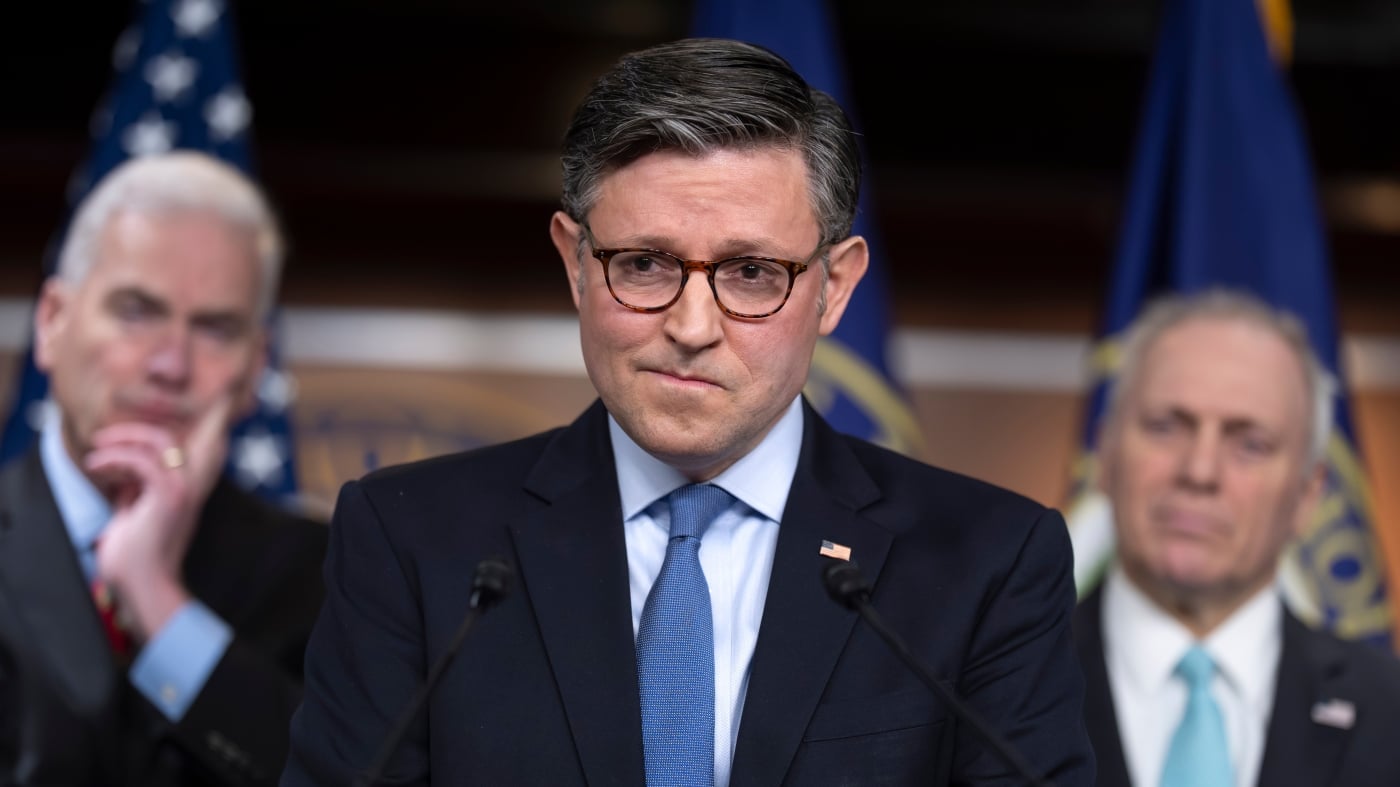
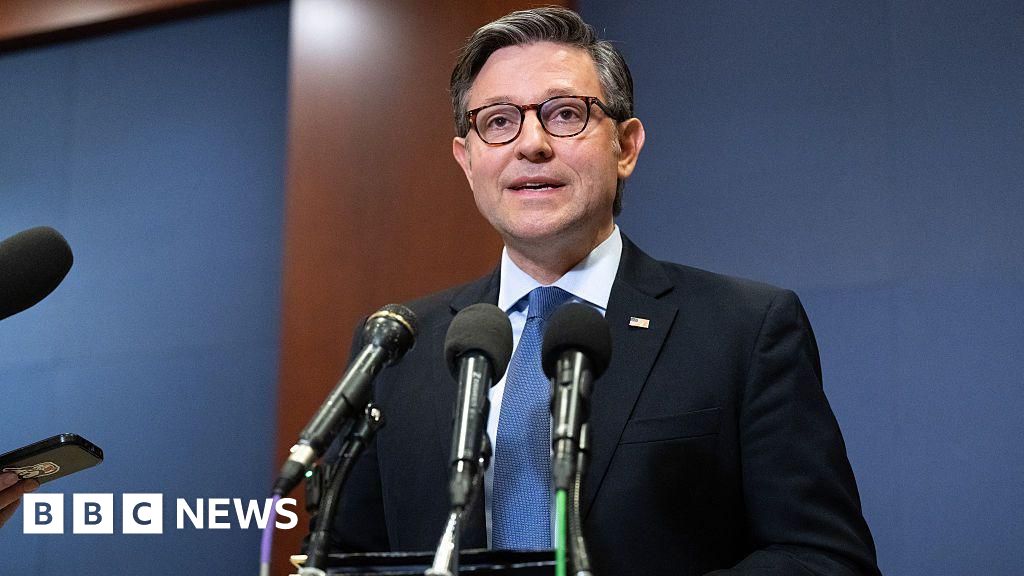
House Speaker Mike Johnson announced there will be no vote to extend COVID-era healthcare subsidies, likely leading to increased premiums for millions of Americans, as Republicans cite budget concerns and Democrats push for a quick extension amid upcoming elections.
Senate leaders are debating how to address a controversial provision in the defense bill related to military helicopter safety technology, with some senators pushing to attach the ROTOR Act as an alternative, but no firm votes are scheduled yet.
Democrats are uniting to address the ongoing issues with healthcare subsidies, while Republicans are divided and struggling to formulate a cohesive plan to extend Obamacare subsidies amid political and public pressure, with concerns about the impact on Americans' healthcare costs.
A Trump pollster advised House Republicans to focus on reducing drug prices to counter Democrats' healthcare messaging, while other political developments include debates over Obamacare subsidies, GOP leadership struggles, and bipartisan efforts on healthcare legislation, amidst ongoing investigations and pardons involving Trump and other officials.
Congress faces a tight deadline to extend Obamacare tax credits and prevent health insurance hikes, with success heavily dependent on President Trump's stance, amid ongoing negotiations and uncertain bipartisan support.
The fight over extending Obamacare subsidies continues, with key votes expected in December and January that could lead to a compromise, potentially involving deal-making on major healthcare policy elements, amid political pressure from rising insurance costs and upcoming midterm elections.
Policy experts warn that Republican proposals to replace Obamacare subsidies with direct cash payments and health savings accounts could undermine the ACA marketplaces, lead to fewer enrollments, and potentially cause a market collapse, while Democrats remain skeptical of these plans.
The article discusses the political dynamics surrounding healthcare policy in the US, highlighting Trump's involvement in proposing a shift towards direct payments to Americans for health savings accounts, the importance of extending Obamacare subsidies, and the intra-party and bipartisan negotiations impacting healthcare costs and legislation.
President Trump claimed a win in the government shutdown but faces a political headache as Republicans struggle to address healthcare issues, particularly the expiring Obamacare subsidies, which remain unresolved and could impact midterm elections. The debate highlights divisions within the GOP and ongoing challenges in delivering comprehensive healthcare reform, with Democrats seizing the opportunity to criticize Republican inaction.