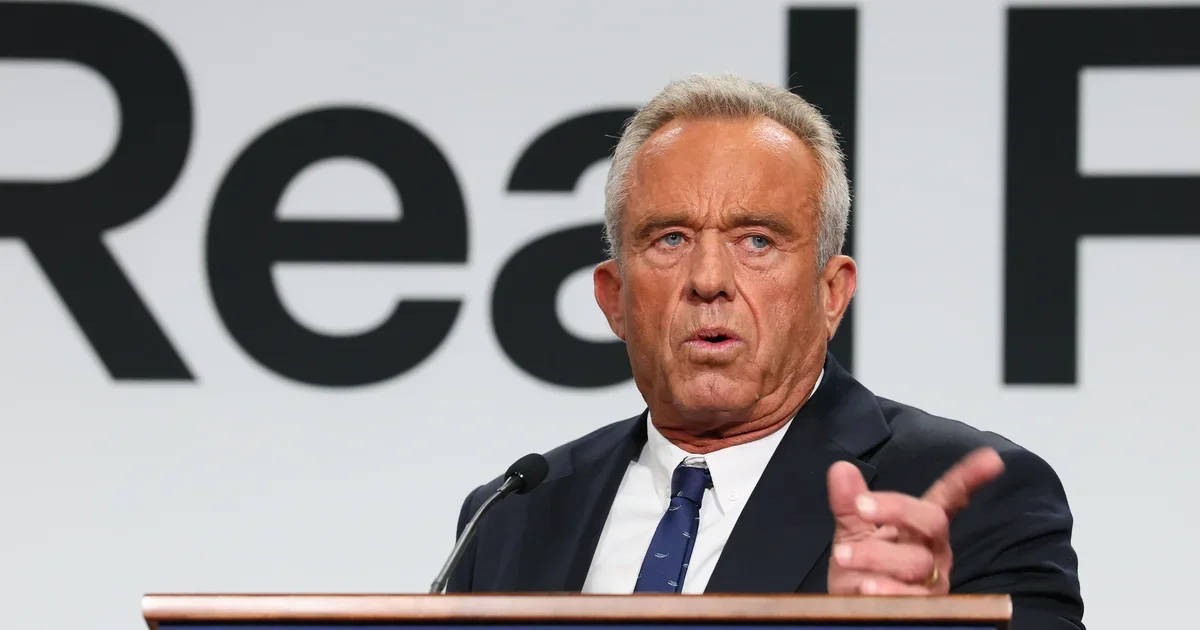
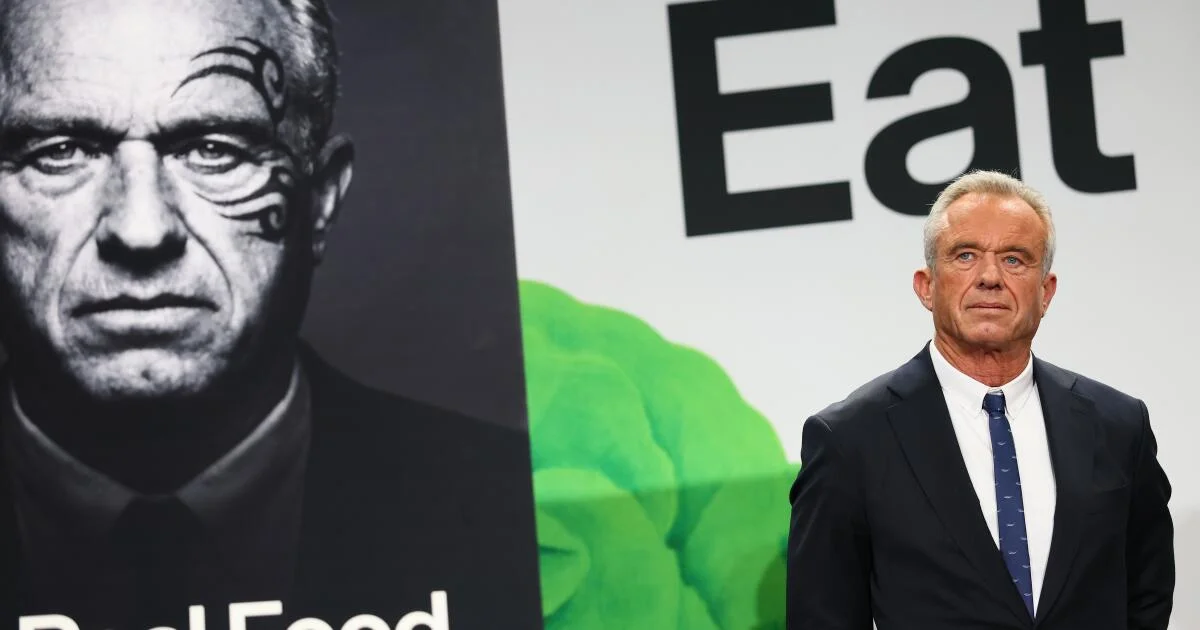
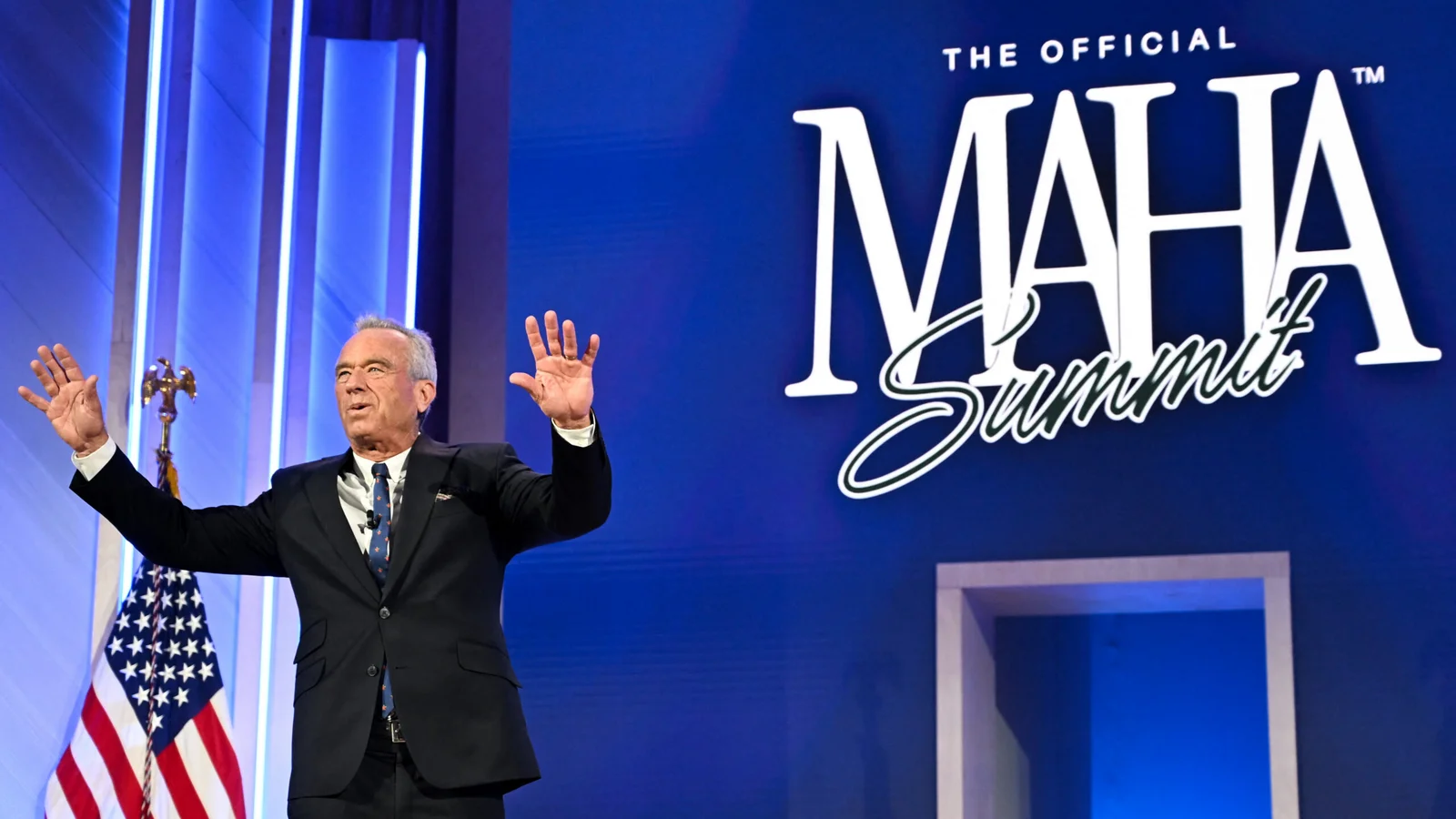
RFK Jr., serving as HHS secretary, said on the Joe Rogan Experience that he plans to reverse the FDA’s 2023 ban on certain peptides, with about 14 of them set to be unbanned and made accessible through ethical suppliers in the coming weeks. The push comes despite limited human safety data and has sparked lawsuits and a debate over FDA authority vs. patient access to unapproved drugs.
The U.S. Preventive Services Task Force, which guides cancer screening and other preventive services insurers must cover, has not met since March 2025, with July and November meetings canceled by a government shutdown and several vacancies leaving the panel short-handed. Draft recommendations, including updates to cervical cancer screening and perinatal depression, remain pending as the group typically issues 20–25 guidance items annually but published only about five last year. Critics warn that political reshaping of federal advisory panels under Health Secretary RFK Jr. could further slow evidence-based recommendations.
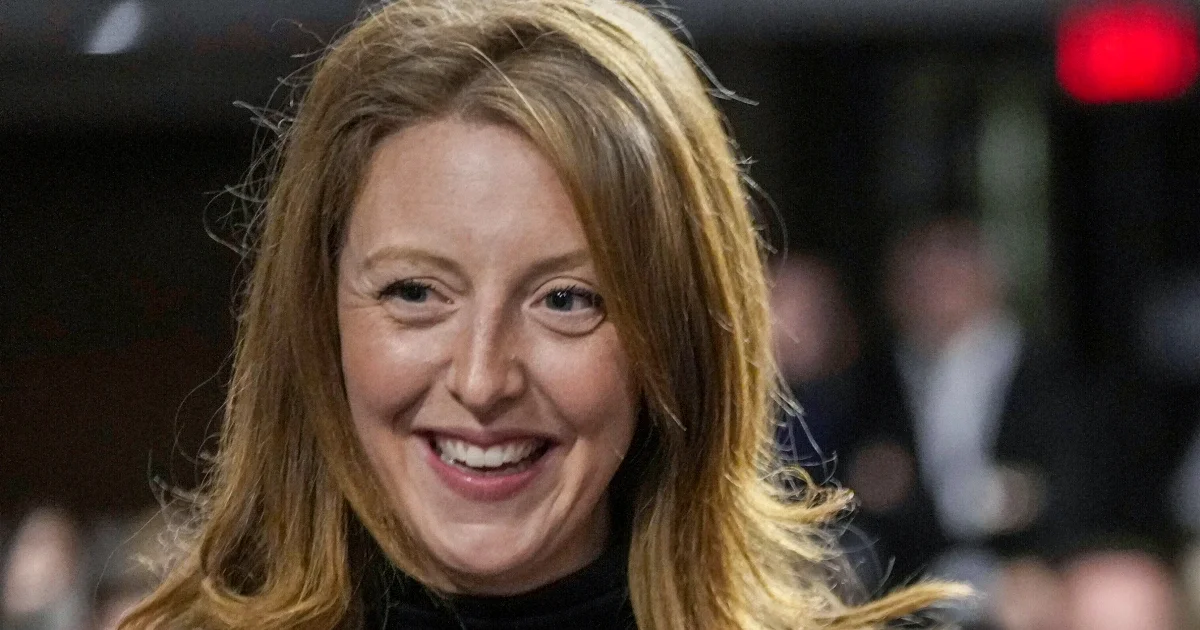
Dr. Casey Means, a wellness influencer and Kennedy ally nominated by Trump to be surgeon general, will testify at a Senate hearing amid questions about her lack of an active medical license, incomplete residency, and potential conflicts of interest from her wellness ventures and ties to RFK Jr.’s health agenda.
Veteran members of the U.S. Preventive Services Task Force warn that HHS under Secretary RFK Jr. could undermine or dismantle the panel, potentially replacing its members, slashing its budget, or rewriting rules of evidence to revise or rescind recommendations, threatening coverage of A- and B-grade preventive services and eroding trust in evidence-based guidance; with several members' terms expired and four draft guidelines pending, the panel's future remains unclear.
Health Secretary RFK Jr. endorsed a Trump-backed executive order to ramp up domestic production of glyphosate-based herbicides and related phosphorus supplies, arguing it would secure food production and reduce dependence on adversarial nations, even as he has long warned about cancer risks from these chemicals. The stance provoked anger among MAHA supporters who fear he’s compromising his principles, while Bayer and others press for liability shields amid ongoing Roundup litigation.
Experts say RFK Jr.'s assertion that a ketogenic diet cures schizophrenia is not supported by solid evidence; the only hints come from two 2019 case reports by Harvard psychiatrist Christopher Palmer, which are uncontrolled and cannot establish efficacy. Ketosis may aid symptom remission in some cases, but medical supervision is essential and meds should not be stopped. Around 20 trials are exploring keto for psychiatric conditions, with research into mitochondria and brain activity; long-term adherence and cost pose practical challenges, so no cure is proven yet.
America’s use of anxiety medications jumped from 11.7% of adults in 2019 to 14.3% in 2024—roughly 38 million people—driven by easier telehealth access and pandemic-related stress. SSRIs like Lexapro, Prozac, and Zoloft are frontline treatments for disorders such as generalized anxiety and panic, with studies showing meaningful relief for many despite side effects; experts caution that they are most effective when paired with therapy, and note benzodiazepines carry dependence risks. Public figures, including RFK Jr., have questioned expanding SSRI use and potential links to behavior or pregnancy outcomes, fueling a broader debate about medicalization, safety, and access. The rise is greatest among young adults, women, and those with higher education or LGBTQ+ identification, while talk therapy and broader mental-health support also grew during this period.
Proposed caps from the One Big Beautiful Bill Act would limit graduate loan borrowing to $100,000 and professional-degree borrowing to $200,000, a change Education Department officials say would curb tuition growth but critics warn it favors established medical schools over nontraditional programs like naturopathic, herbal, and other alternative therapies, potentially worsening healthcare workforce shortages; lawmakers and trade groups across health fields are lobbying to adjust the rules, while Kennedy’s health agenda faces opposition from conventional medical groups and some nursing advocates.
A UCLA physician argues that RFK Jr.’s first year as HHS Secretary—firing the vaccine advisory panel, replacing it with vaccine skeptics, cutting NIH funding, pausing certain mRNA research, and downgrading the childhood immunization schedule—undermines scientific consensus and risks a measles resurgence, eroding public trust in health institutions and demanding urgent accountability.
Two years into RFK Jr.’s tenure as health secretary, the White House is dialing back his anti-vaccine and anti-chemical push in favor of nutrition guidance and drug-pricing deals, while leaning on farm and pharmaceutical interests—illustrated by a glyphosate production order and leadership reshuffles—as it recalibrates ahead of the midterms.
RFK Jr., now US health secretary, publicly backs Trump’s order to boost domestic glyphosate production under the Defense Production Act, a move that provokes a swift revolt within the MAHA movement which has long opposed glyphosate. Critics accuse Kennedy of breaking a core pledge to put health over corporate power, triggering resignations and warnings of electoral consequences as activists and allies question the movement’s credibility and leadership.
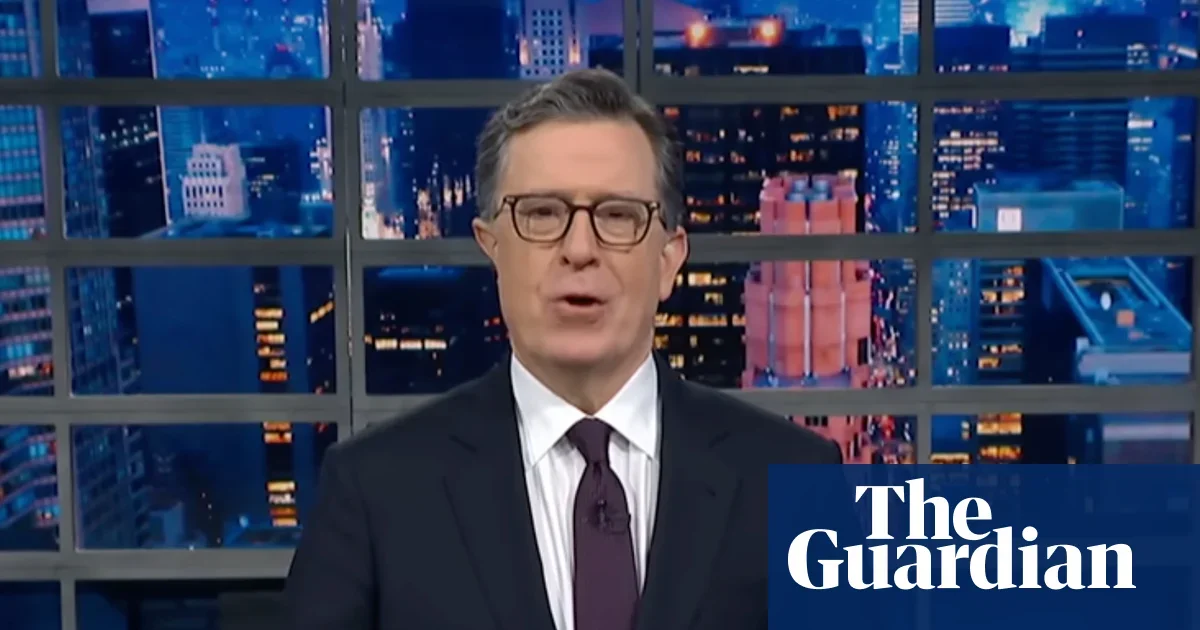
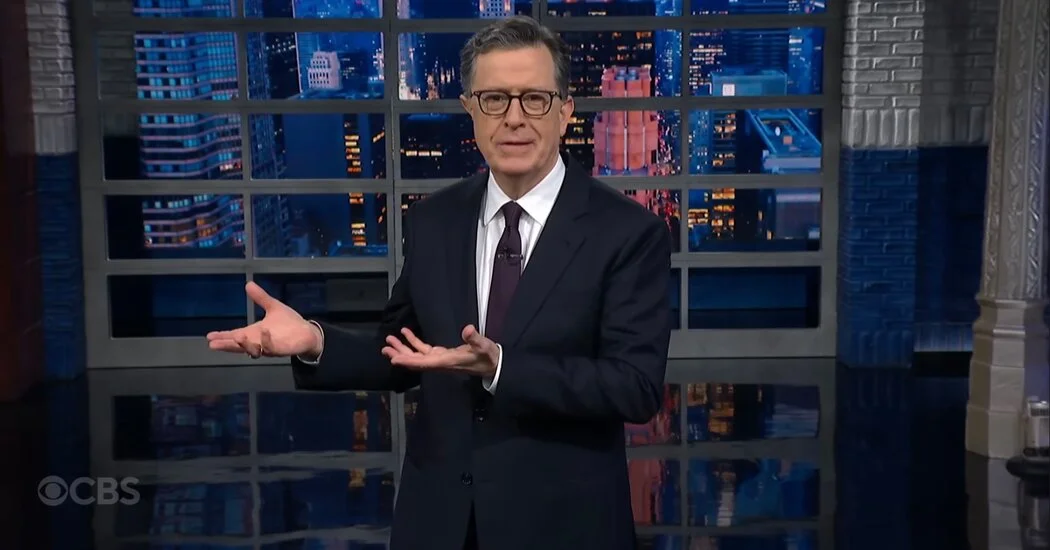
Colbert mocks RFK Jr.'s surreal Maha workout video with Kid Rock, joking about the jeans and acid-trip vibes, then notes a viral macaque and pays tribute to Jesse Jackson, while referencing a Economist/YouGov poll showing about half of Americans view Trump as racist, corrupt, cruel, or dangerous.
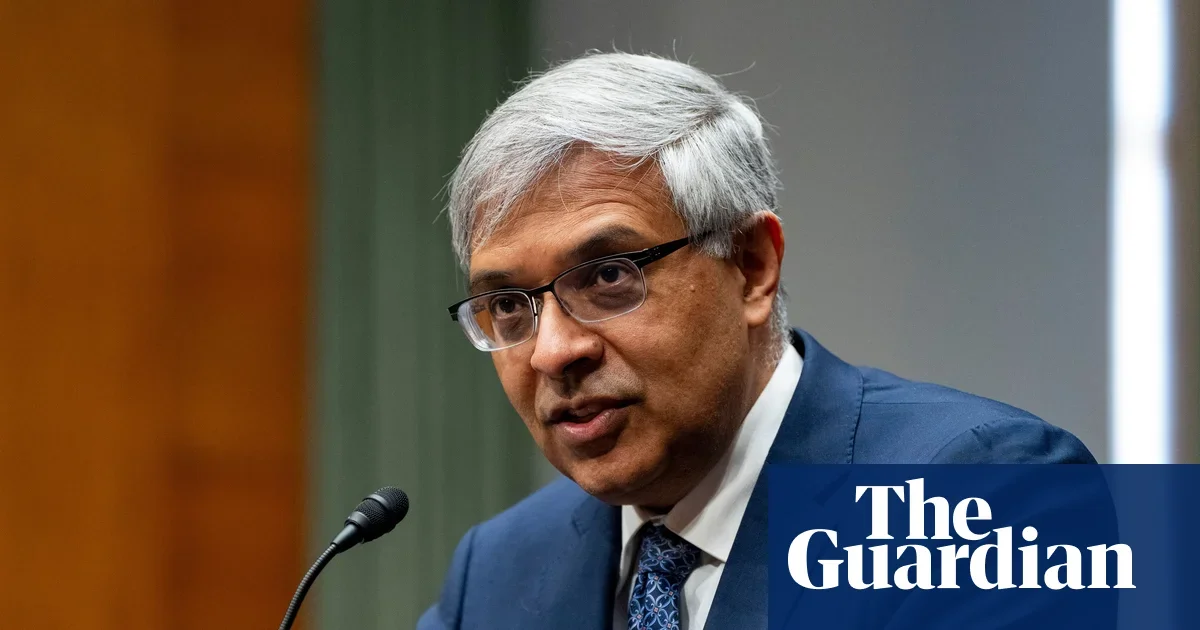
Jay Bhattacharya, the NIH director, was named acting head of the CDC—the fourth leader in a year—raising concerns that his close ties to RFK Jr. could push a vaccine-skeptic agenda and consolidate control over U.S. health policy as both agencies trim grants and reshape policy.
Stephen Colbert mocked RFK Jr. and Kid Rock’s 90-second 'Make America Healthy' workout video posted to X, calling it 'pure cinema' as they exercise in jeans in a sauna and end in a hot tub with whole milk; the Late Show roundup also riffed on Trump poll numbers and noted Melissa McCarthy will appear on Thursday.
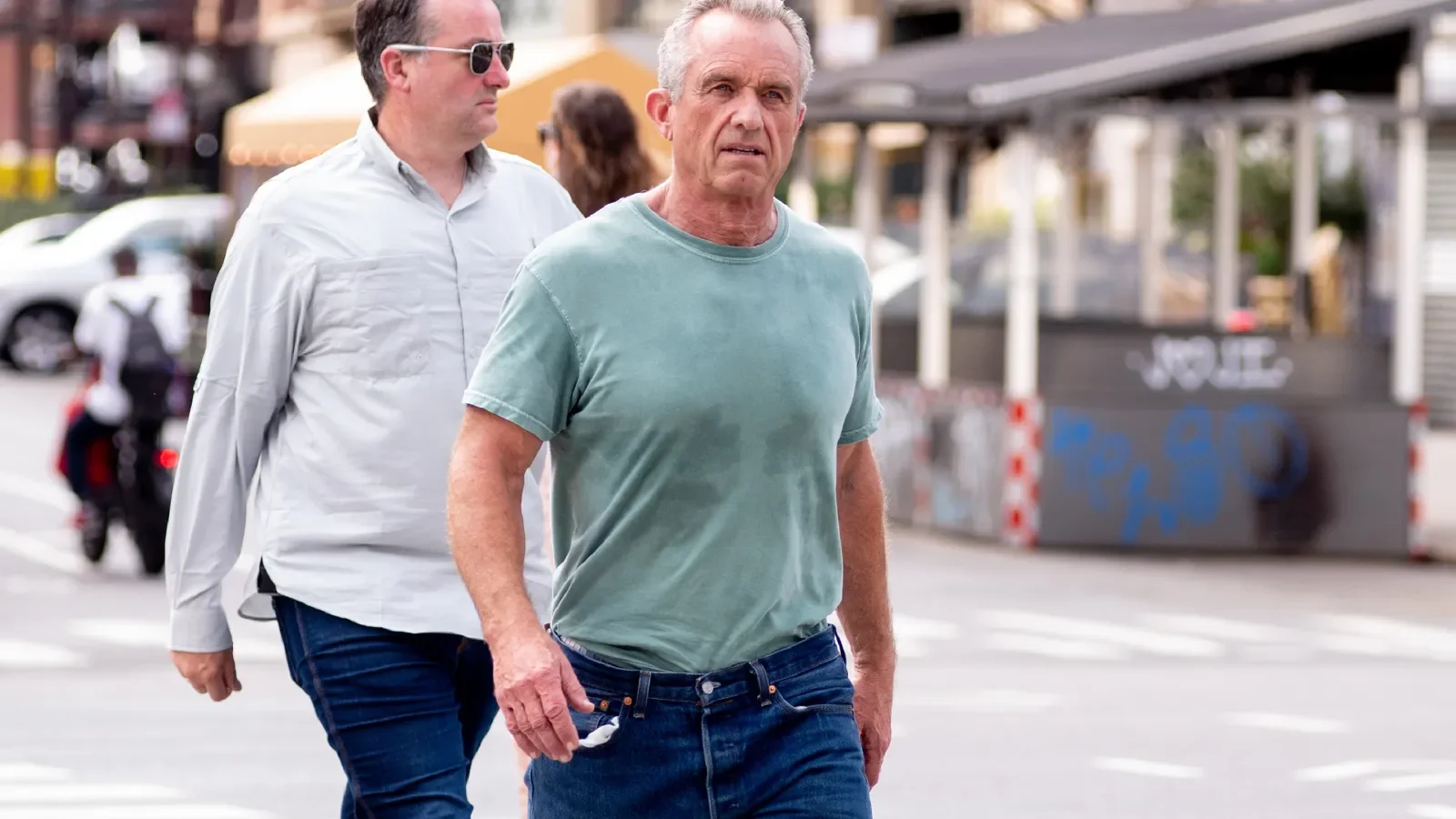
Rolling Stone highlights RFK Jr.'s unusual habit of wearing jeans in daily life and in a promotional workout video with Kid Rock, sparking memes that label him a “Never Nude,” while tying the quirk to his tenure as HHS secretary and ongoing vaccine-policy debates.