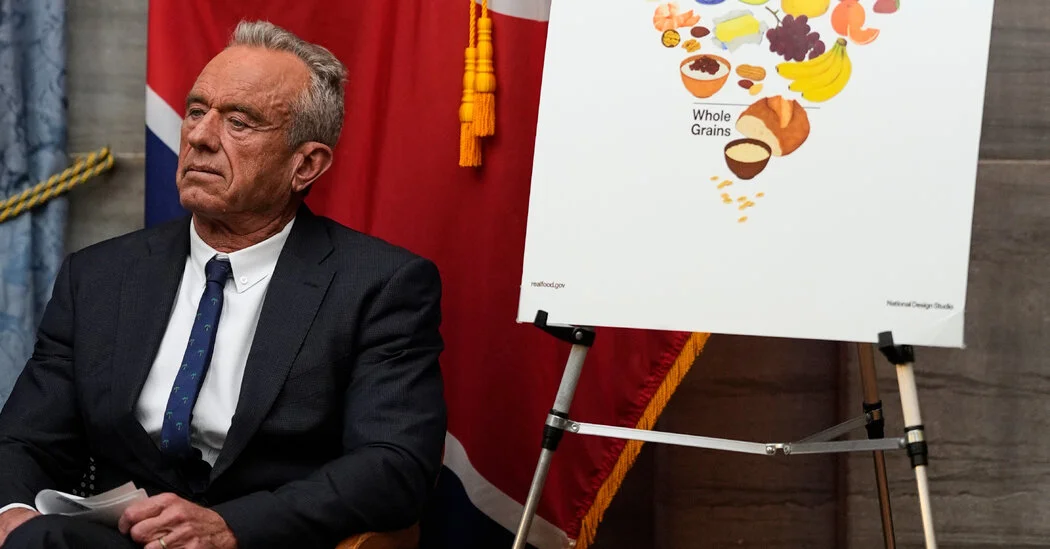
Starting January 1, five states (Indiana, Iowa, Nebraska, Utah, and West Virginia) will implement new restrictions on certain food purchases with SNAP benefits, mainly targeting soda, candy, and other unhealthy foods, as part of a broader effort to improve public health and reduce diet-related diseases. The changes are expected to face logistical challenges and controversy, with concerns about their impact on recipients and retail costs.
The Trump administration announced a $10 billion rural health fund for 2026, with allocations based on population and policy adherence, aiming to support rural hospitals amid significant federal budget cuts, though experts criticize the fund's adequacy and potential policy restrictions.
Canada's health minister states that the country can no longer rely on U.S. health institutions, indicating a shift in health policy or concerns about cross-border health cooperation.
The U.S. Department of Health and Human Services announced proposed regulations to ban hospitals from performing sex-rejecting procedures on minors under Medicaid and Medicare, citing concerns over irreversible harm and lack of evidence for safety and efficacy, while also taking steps to restrict federal recognition of gender dysphoria as a disability and addressing illegal marketing of related products to children.
Starting in January, UnitedHealthcare will cease paying physicians for remote monitoring of chronic conditions like hypertension, citing insufficient evidence of efficacy, which impacts many members and follows recent criticism over coverage decisions; exceptions include monitoring for heart failure and hypertensive disorders during pregnancy.
The US is linking its health aid to countries' agreement to share pathogen data, potentially undermining WHO's existing systems and negotiations on equitable benefit-sharing, with a focus on disease outbreak detection and response, especially in Africa.
The FDA is experiencing turmoil following the resignation of top regulator George Tidmarsh amid allegations of misconduct and criticism of its drug review process, reflecting broader instability within the HHS under Kennedy's leadership.
The Senate confirmation hearing for President Trump's nominee for surgeon general, Dr. Casey Means, was postponed due to her going into labor. Means, a controversial figure due to her skepticism of traditional medicine, lack of active medical license, and past comments on vaccines and contraception, has faced criticism from public health experts. Her nomination has stirred debate over her qualifications and potential influence on public health policy.
The Trump administration is proposing new rules that would significantly restrict access to gender-affirming healthcare for transgender youth by prohibiting federal funding for such services at hospitals, potentially making it nearly impossible for transgender youth to access necessary care across the U.S., amidst ongoing political and legal debates.
Congressional Republicans are divided on how to address the upcoming expiration of ObamaCare subsidies, with some proposing broader health system reforms and others focusing on temporary fixes, amid ongoing negotiations and a looming government shutdown.
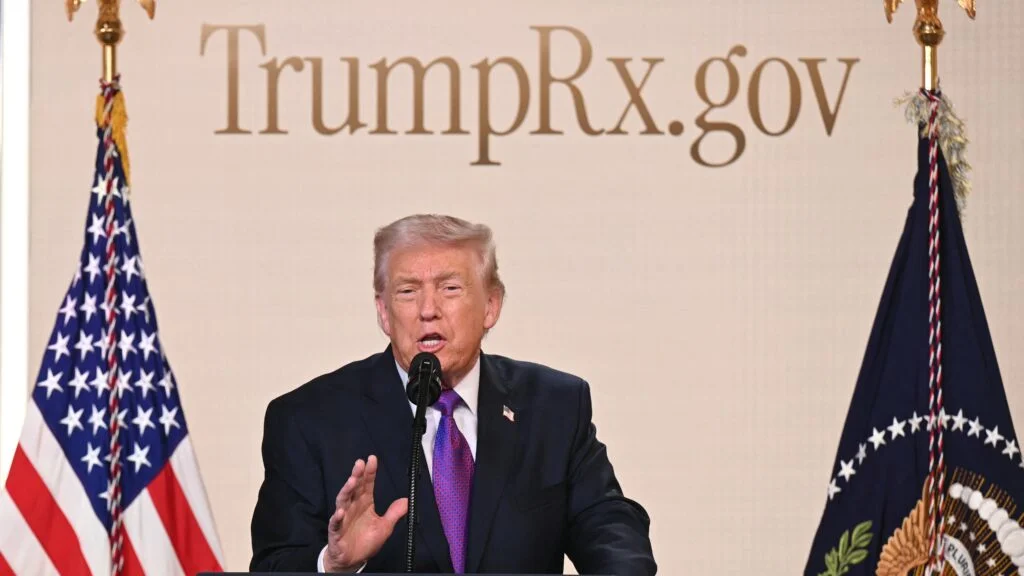
The Trump administration announced policies aimed at reducing IVF costs and promoting pro-life values, but faced mixed reactions from conservatives, fertility advocates, and Democrats, with some viewing it as a political gesture and others as a modest win for the pro-life movement.
The National Academy of Medicine elected 100 new members, including 90 regular and 10 international members, recognizing outstanding contributions in health, medicine, and public health to address pressing health challenges and advance medical sciences.
The Idaho Medical Freedom Act, signed into law in 2024, prohibits vaccine mandates by government and private entities, setting a precedent for vaccine mandate bans in the U.S. and sparking national attention from anti-vaccine advocates and some policymakers, while raising concerns among public health officials about the potential impact on disease control and community immunity.
President Trump’s new IVF policy proposals fall significantly short of his campaign promise to make IVF completely free, disappointing many supporters and failing to address the high costs and accessibility issues associated with fertility treatments.
A man with Motor Neurone Disease from Redhill was shocked to learn he no longer qualifies for a Covid vaccine under current UK guidelines, which prioritize certain vulnerable groups. The UKHSA advises clinical judgment in such cases, but some patients and MPs are concerned about the communication and criteria for vaccination eligibility, especially for those with compromised breathing and other health issues.