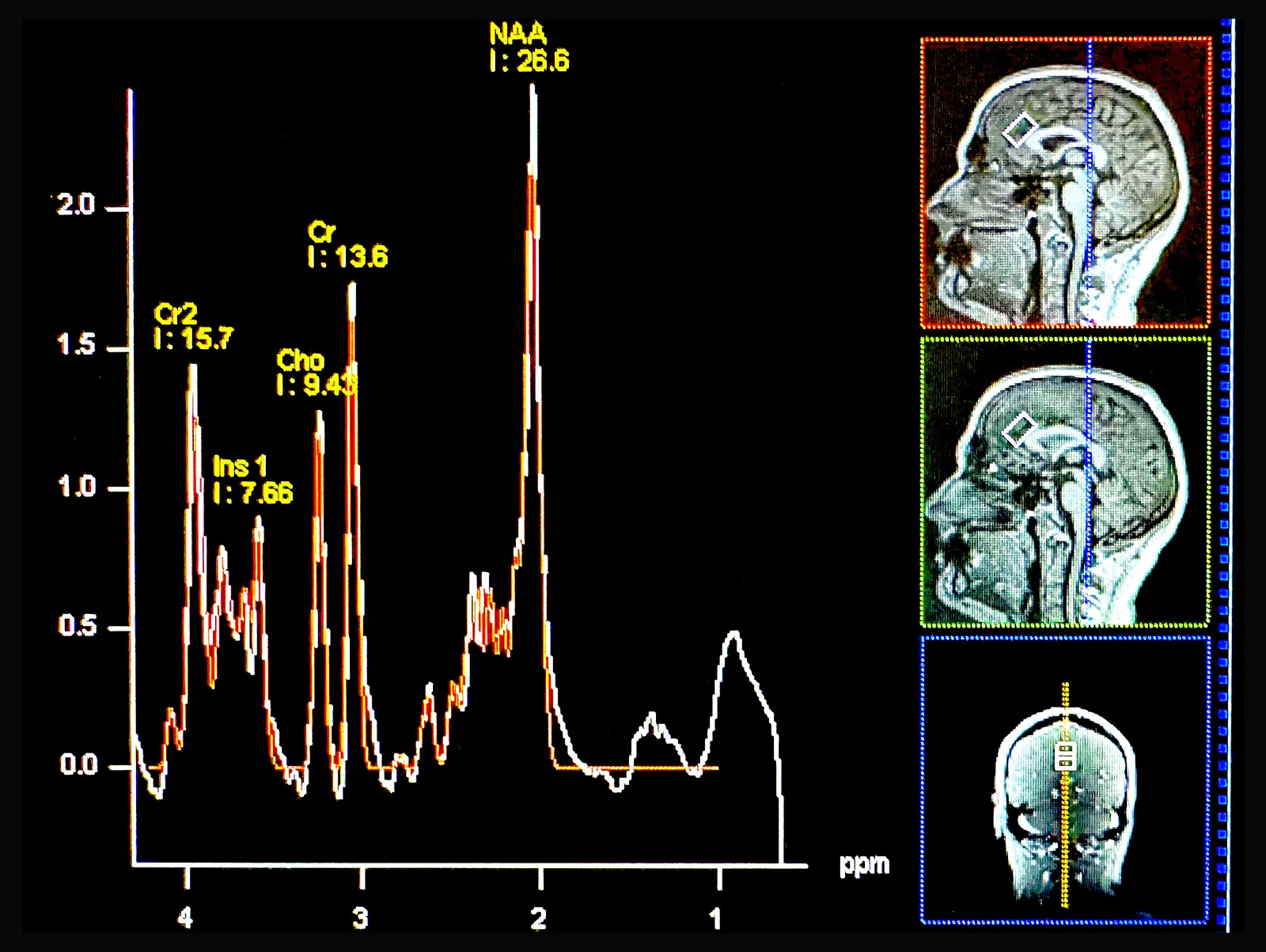
Research shows that individuals with anxiety disorders have about 8% lower levels of choline in their brains, particularly in the prefrontal cortex, which may be linked to the condition. The study suggests that dietary intake of choline, found in foods like eggs, fish, and meat, could potentially influence brain chemistry and anxiety symptoms, although more research is needed. The findings highlight the importance of nutrition in mental health and the potential for nutritional approaches to aid in managing anxiety.

A team of neurobiologists from the University of California San Diego has discovered a "fear switch" in the brain, shedding light on the molecular mechanisms underlying fear and anxiety. By uncovering this neural circuitry, the researchers have identified potential interventions, including gene therapy and timely administration of antidepressants, that could offer relief to those suffering from generalized anxiety disorders and PTSD. This breakthrough could lead to more targeted and effective treatments for fear-related mental health conditions in the future.
Scientists have discovered a "fear switch" in the brain that can be turned off, offering potential insights into treating anxiety and stress disorders. By studying mice, researchers found that a severe fright triggers a switch in neurotransmission from glutamate to GABA, sustaining a fear response. They also identified methods to suppress this switch, including using a virus to suppress the gene responsible for making GABA and administering the antidepressant fluoxetine immediately after a fright. This research provides a promising start towards developing targeted and specific interventions for fear-related disorders.
Psychotherapist Joshua Fletcher shared five common sentiments expressed by people with anxiety disorders, including longing for past feelings, feeling disconnected from oneself, experiencing perpetual fear and physical symptoms, and feeling overwhelmed. He emphasizes the importance of seeking support, understanding that these feelings are temporary, and learning new coping strategies to manage anxiety effectively.
Researchers at the National Institutes of Health found that unmedicated children with anxiety disorders showed overactivation in various brain regions, including the frontal and parietal lobes and the amygdala, which improved after receiving cognitive behavioral therapy (CBT). The study, published in the American Journal of Psychiatry, revealed that CBT led to significant decreases in anxiety symptoms and improved brain functioning in children with anxiety. However, some brain regions, particularly limbic areas, continued to show higher activity even after treatment, suggesting the need for further research to enhance treatment outcomes for children with anxiety.
A study led by Prof. Shira Knafo at Ben-Gurion University has revealed a significant link between anxiety disorders and the brain receptor TACR3, as well as testosterone. The research found that rodents with high anxiety had low TACR3 levels in the hippocampus, and that testosterone deficiency-related anxiety could be addressed by targeting TACR3. The study employed innovative tools to advance understanding of synaptic plasticity and its role in anxiety, offering new therapeutic possibilities for treating anxiety disorders, especially in individuals with hypogonadism.
A new study from Ben-Gurion University of the Negev has found a potential neurological link between anxiety disorders and the TACR3 receptor in the hippocampus, particularly in male rodents with high anxiety levels. The research suggests that deficiencies in TACR3 may be associated with low testosterone levels and anxiety, and that these deficiencies can be rectified through testosterone administration, offering hope for new approaches to managing anxiety related to testosterone deficiency.
A new study published in Acta Psychiatrica Scandinavica explores the relationship between childhood trauma and anger in adults with and without depressive and anxiety disorders. The study found that childhood trauma, including physical and emotional abuse, neglect, and more, is associated with increased anger in adulthood. The researchers discovered significant associations between childhood trauma and various aspects of anger, including trait anger, anger attacks, borderline personality traits, and antisocial personality traits. Emotional neglect and psychological abuse were strong predictors of anger outcomes, while physical abuse was associated with anger attacks and antisocial personality traits. The findings highlight the importance of addressing anger-related symptoms and childhood trauma in mental health treatment.
Anxiety is a common experience that can range from normal worry to a mental health disorder. It can be caused by a combination of genetics and environmental factors, and can manifest in both mental and physical symptoms. Determining if you have an anxiety disorder requires a medical diagnosis, and treatment options include mindfulness practices, therapies, and medications. Prevention and support from loved ones are also important in managing anxiety.
A licensed therapist has identified six signs of high-functioning anxiety, including constantly fearing disappointment, planning for worst-case scenarios, difficulty relaxing, struggling with decision-making, having a racing mind at night, and procrastinating until the last minute. Many individuals with high-functioning anxiety may not realize they have the condition, but recognizing these symptoms can help raise awareness and encourage seeking professional help.
The US Preventive Services Task Force has recommended that adults aged 19 to 64 in the US should be screened for anxiety disorders, marking the first time the task force has made a final recommendation on screening for anxiety disorders in adults. The task force found “insufficient evidence” to screen for anxiety in older adults. The recommendation is consistent with the task force’s 2016 recommendation on depression screenings. Effective treatments for anxiety disorders can include talking with a therapist, known as psychotherapy, or medications such as antidepressants or beta blockers, as well as relaxation or stress management therapies.