King Charles III expressed gratitude for the positive public and media reaction to his update on cancer treatment, highlighting the importance of early diagnosis and cancer care advancements, and encouraging cancer screening.
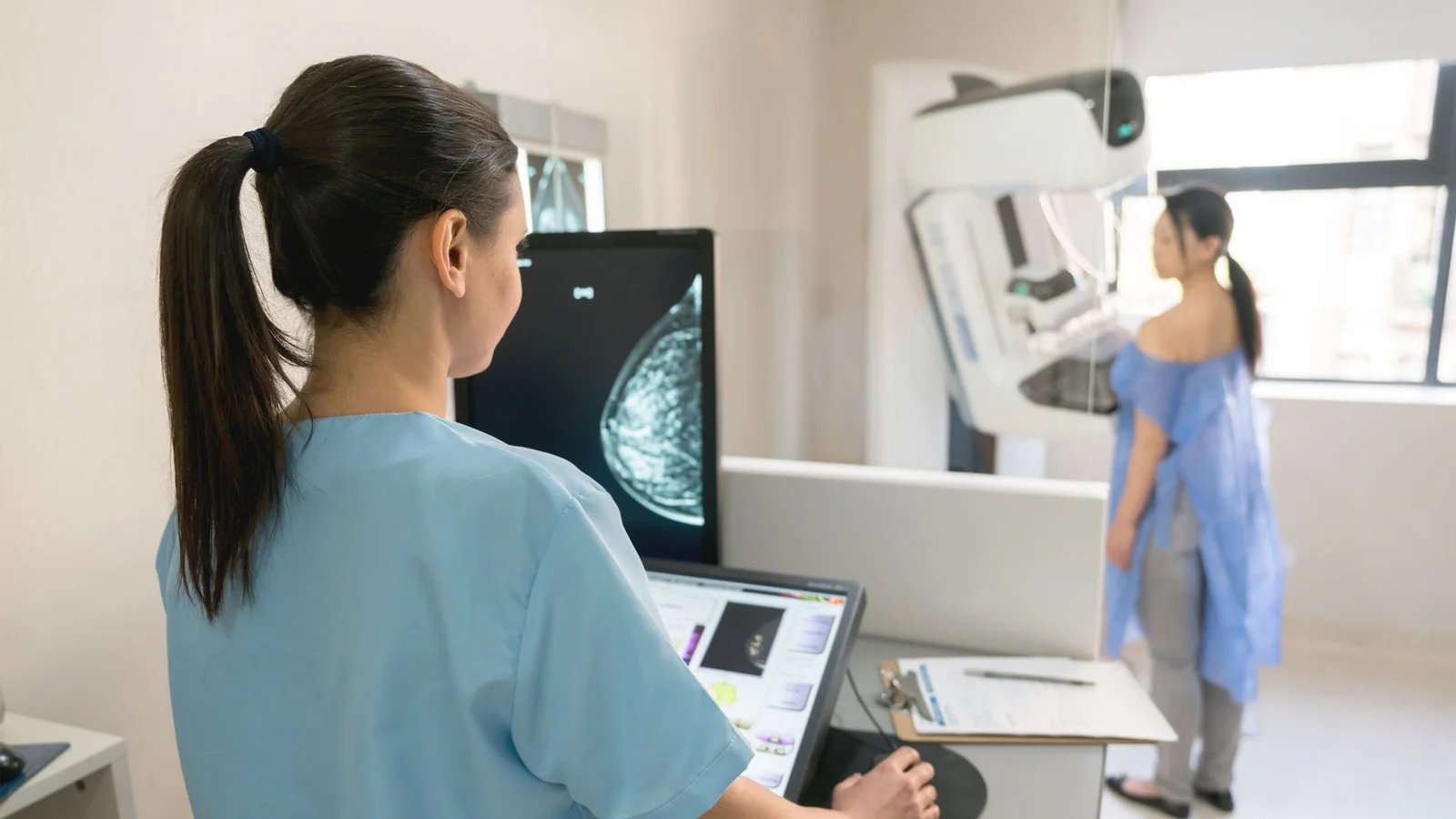
The article discusses four key cancer screening tests for adults over 35—standard screenings like colonoscopy, mammograms, Pap smears, and PSA tests; advanced blood tests like Galleri; genetic testing for inherited risks; and full-body MRI scans—highlighting their importance for early detection and prevention, along with lifestyle factors influencing cancer risk.
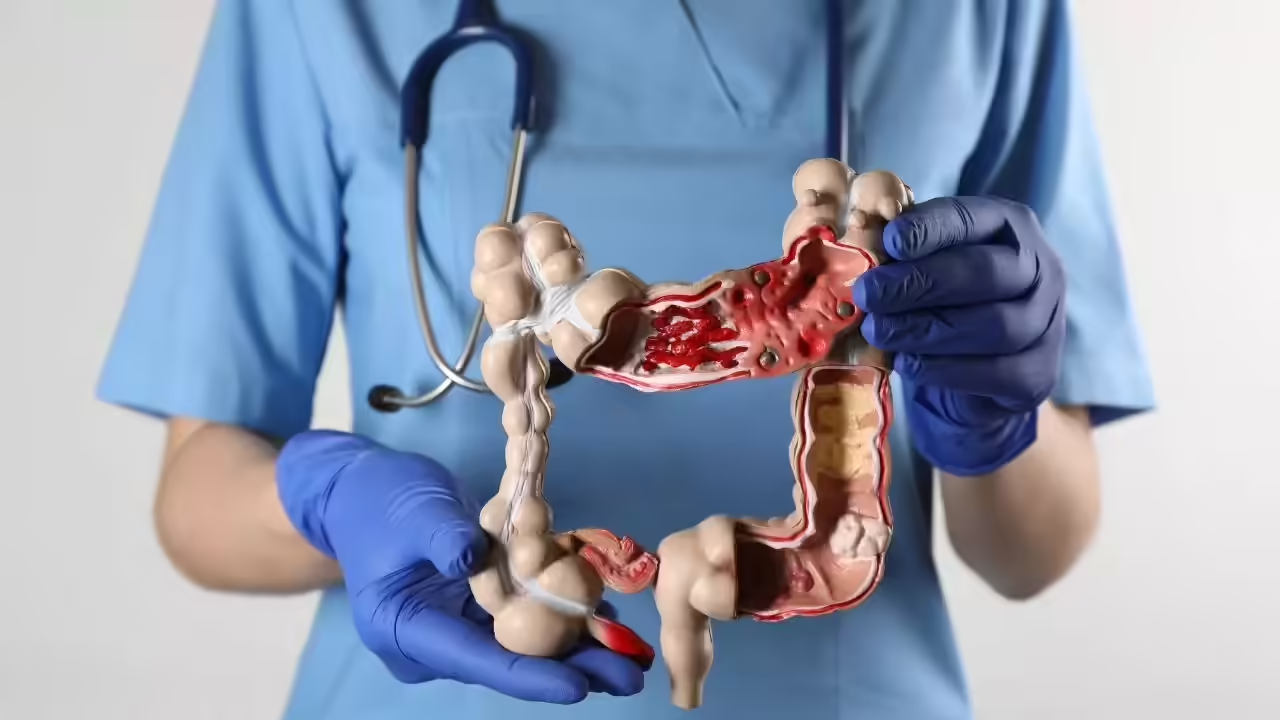
A US doctor emphasizes the importance of colonoscopies for early detection of colon cancer, which can save lives by identifying and removing precancerous polyps, and encourages people over 45 or with risk factors to get screened.
Recent research suggests that ultramarathon running may be a risk factor for developing advanced adenomas, which are linked to colorectal cancer, with nearly 15% of studied runners showing such growths, higher than the general population. This finding is significant amid rising colorectal cancer rates among young adults, prompting calls for refined screening and further investigation into lifestyle and environmental factors, including the potential impact of COVID-19.
Virginia researchers are recruiting participants aged 45-75 with no recent cancer diagnosis for a three-year study testing a new multi-cancer detection method that could screen for 10 types of cancer, aiming to improve early detection and promote cancer screening in the community.
Robert F. Kennedy Jr. plans to replace all 16 members of the US Preventive Services Task Force, citing concerns that they are too 'woke,' as part of his broader efforts to overhaul health advisory organizations and remove diversity, equity, and inclusion language from health policies.
Scientists are developing PAC-MANN, a blood test that detects pancreatic cancer by measuring protease enzyme activity, showing promise for early diagnosis, especially when combined with other markers, though it is not yet ready for widespread screening use.
Women over 40 should undergo 14 essential health screenings, including mammograms, blood pressure checks, cardiovascular exams, pap smears, eye and ear exams, colonoscopies, bone density tests, immunizations, diabetes screenings, hormone checks, lipid panels, skin checks, mental health screenings, and thyroid exams to detect and prevent serious health issues early.
A recent study published in The Lancet found that fecal immunochemical testing (FIT), a less invasive and more cost-effective method, is as effective as colonoscopy in reducing deaths from colorectal cancer over a 10-year period, with higher participation rates and potential for broader accessibility.
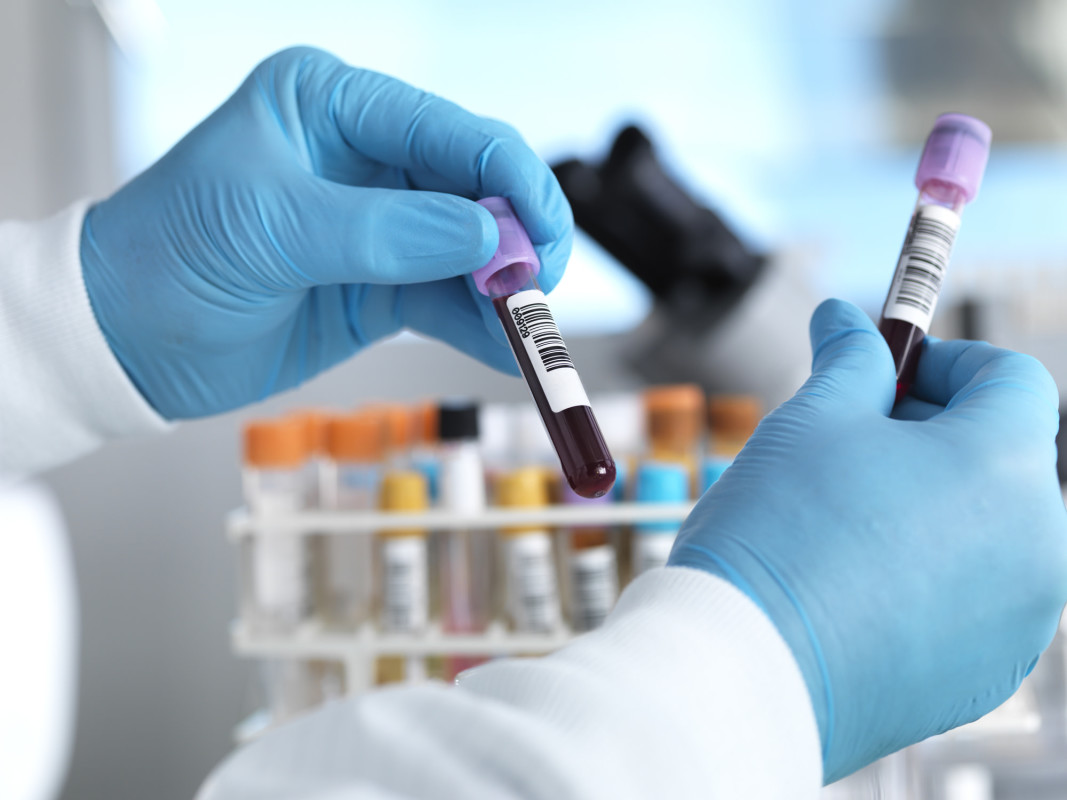
A complete blood count (CBC) test, often overlooked, can help detect early signs of certain cancers like leukemia, lymphoma, and colon cancer, especially when symptoms are present. While not a substitute for routine screenings, it can be a useful tool for personalized health monitoring, particularly for those experiencing symptoms or with higher risk factors.
A new at-home fecal immunochemical test (FIT) can detect early-onset colon cancer with up to 92% accuracy, offering a cost-effective way for younger adults to screen before symptoms appear, which is crucial as colon cancer rates rise among under-50s in the US.
The U.S. Preventive Services Task Force has proposed new guidelines for cervical cancer screening, recommending that women aged 30 to 65 undergo high-risk HPV testing every five years instead of pap smears every three years. This change aims to make screening more convenient and less stressful, as HPV infections are the primary cause of cervical cancer. The guidelines, which are open for public comment, could influence healthcare practices and insurance coverage if finalized.
Dr. Antoine Harb from the Start Center for Cancer Care in San Antonio emphasizes the importance of annual lung screenings for current and former smokers, especially during Lung Cancer Awareness Month. Lung cancer, the second-most common cancer in the U.S., is primarily caused by smoking, with non-small cell lung cancer (NSCLC) being the most prevalent type. Harb advises smokers to undergo annual low-dose CAT scans to detect lung cancer early, as early detection significantly improves treatment outcomes.
Researchers from Zhejiang University have developed a prototype device capable of detecting lung cancer through breath analysis by measuring isoprene levels, which are lower in cancer patients. This non-invasive, cost-effective method uses advanced nanoflake technology to achieve high sensitivity, potentially offering a simple way to diagnose lung cancer early. While promising, further research is needed to refine the technology and understand the relationship between isoprene levels and lung cancer for future commercialization.
An FDA advisory panel has recommended approval of Guardant Health's Shield blood test for colorectal cancer screening, citing its safety and effectiveness. The test, which detects DNA from tumors in blood samples, could provide a less invasive alternative to colonoscopies and stool tests, potentially increasing screening rates. However, concerns remain about its ability to detect precancerous lesions and the possibility of false negatives. The FDA is expected to decide on the approval in 2024.