Derrick Odum, a Utah alumnus and experienced coach, has been appointed as the safeties coach for Utah football, returning to the program where he previously coached from 2005-2007, bringing a wealth of defensive coaching experience from his recent tenure as San José State's defensive coordinator.
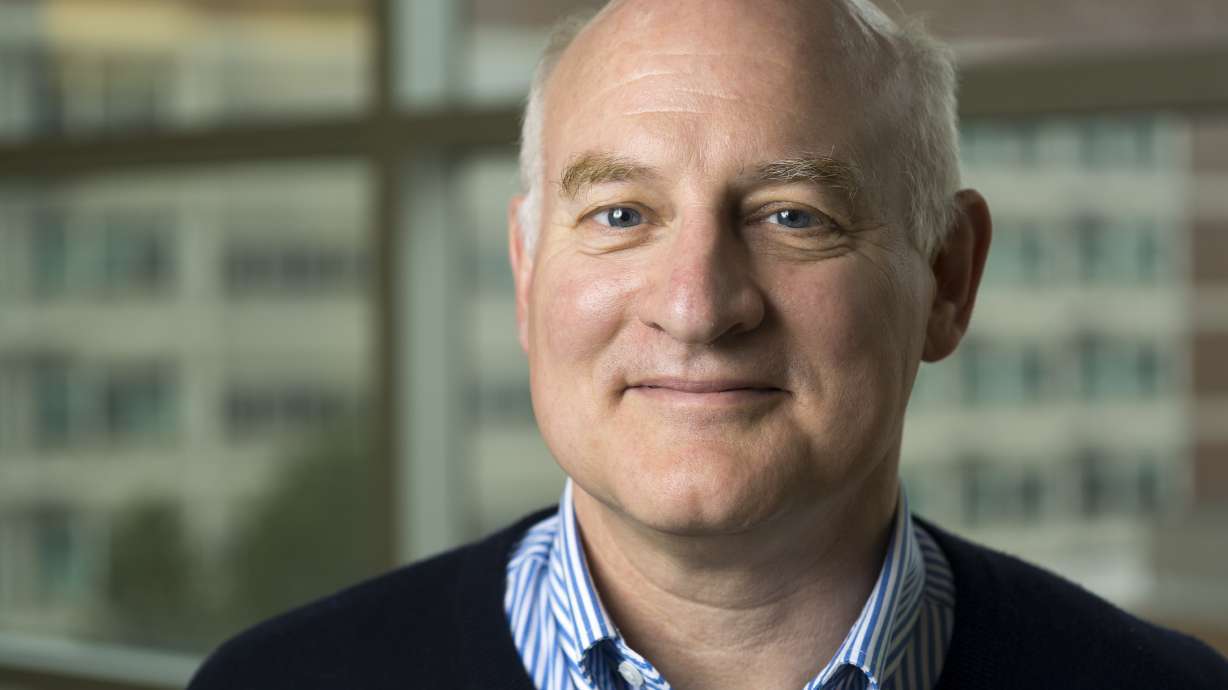
University of Utah biochemist Wesley Sundquist's research led to the development of lenacapavir, an HIV drug approved by the FDA that prevents transmission for six months and has the potential to significantly impact HIV prevention efforts worldwide.
The University of Utah has played a pivotal role in transforming Utah's video game industry into a $2.3 billion powerhouse, with expectations to reach $4.5 billion in economic contribution within five years. The university's Entertainment Arts and Engineering program, ranked fourth in the Princeton Review's 2024 game design schools, has produced alumni who have significantly impacted the industry, including contributions to top-grossing games like 'Hogwarts Legacy' and 'Fortnite.' The program's success is attributed to its innovative curriculum and strong industry connections.
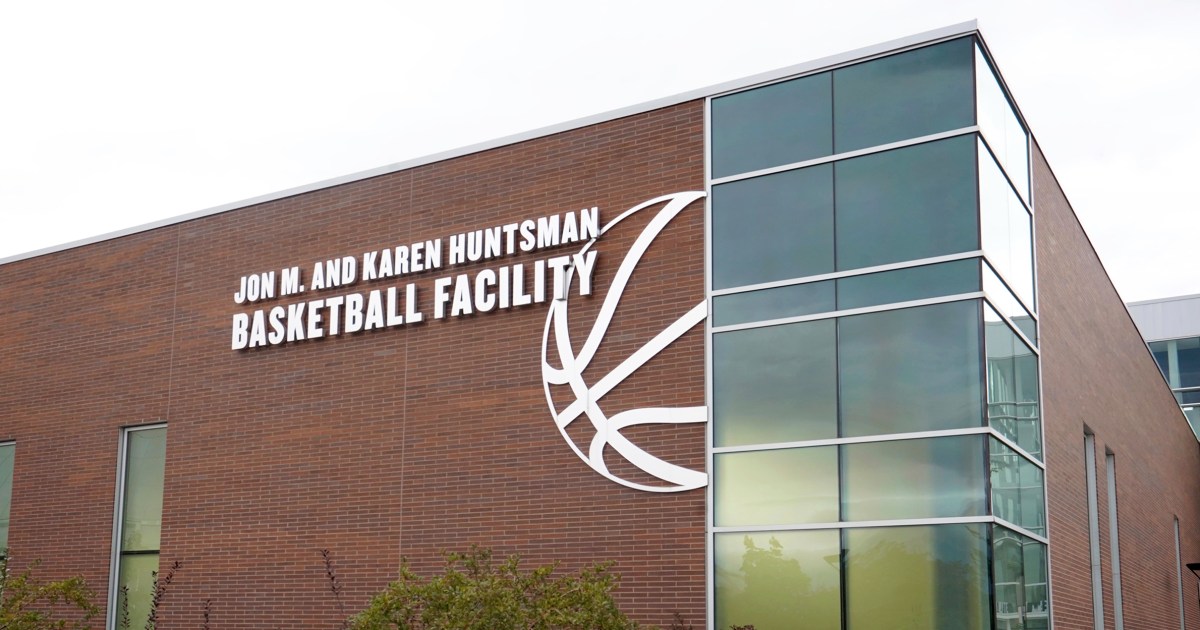
The Los Angeles Sparks have appointed Lynne Roberts as their new head coach, bringing her extensive 27-year collegiate coaching experience, including a successful tenure at the University of Utah. Roberts, recognized for her dynamic offensive strategies and leadership, aims to lead the Sparks to WNBA championships. Her teams at Utah were known for their efficient play style and strong performances, including a Sweet Sixteen appearance and a Pac-12 championship. Roberts will be officially introduced at a press conference on November 21.
Researchers from the University of Utah and the Max Planck Institute for Astronomy have discovered an intermediate-mass black hole in the Omega Centauri star cluster, a finding likened to discovering Bigfoot due to its rarity. This discovery, published in "Nature," was made by analyzing the motion of 1.4 million stars using over 500 Hubble images. The team plans to further study the black hole using the James Webb Space Telescope.
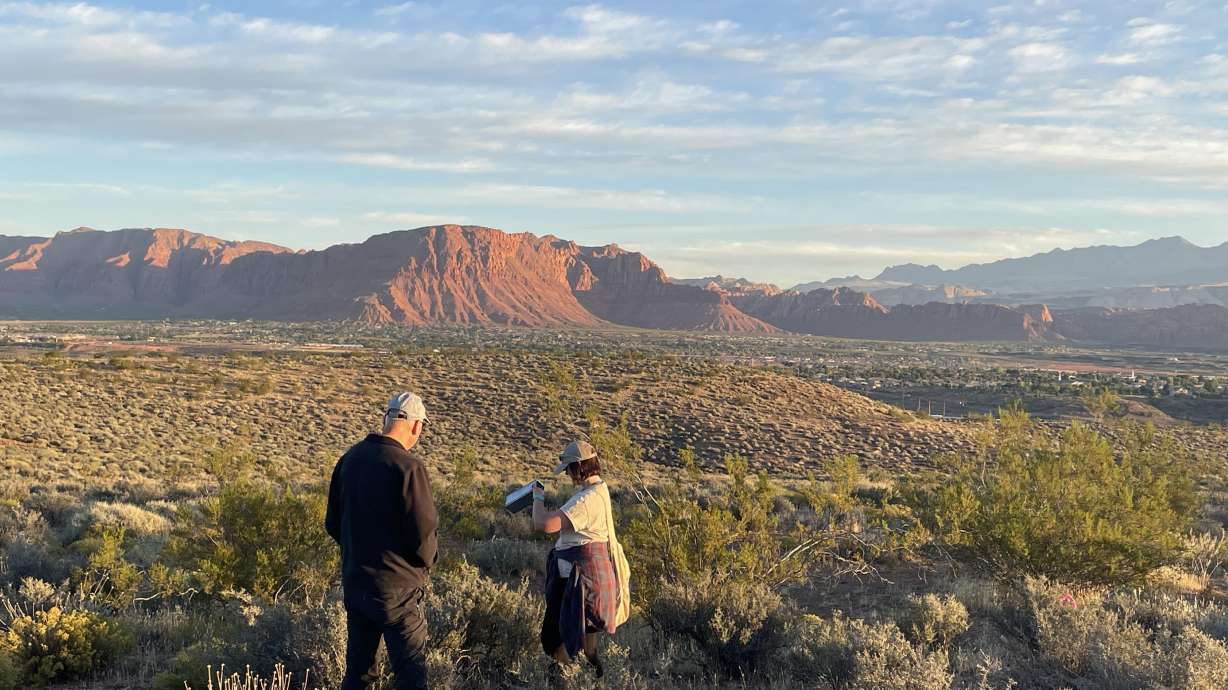
University of Utah researchers are studying the spread of Valley fever, a fungal respiratory infection, through soil and dust in Utah. The interdisciplinary team is mapping where the fungus can survive and spread, especially in the Washington County and St. George regions. With climate change impacting the range of the fungus, the researchers aim to raise awareness and educate the public about the signs, symptoms, and prevention of Valley fever, which poses a significant risk to outdoor workers.
Detectives in Coeur d’Alene, Idaho, have identified an audio recording containing a racial slur directed at the University of Utah women's basketball team, prompting the team to move to a different hotel for safety during the NCAA Tournament. The police department is investigating the incident and collecting evidence, including video footage, to determine the context and potential legal violations associated with the use of the racial slur. Utah athletics officials reported that the team, including Black, white, and Latina athletes, were subjected to racial hate crimes, including being targeted with racial slurs by individuals in vehicles while in Idaho for the tournament.
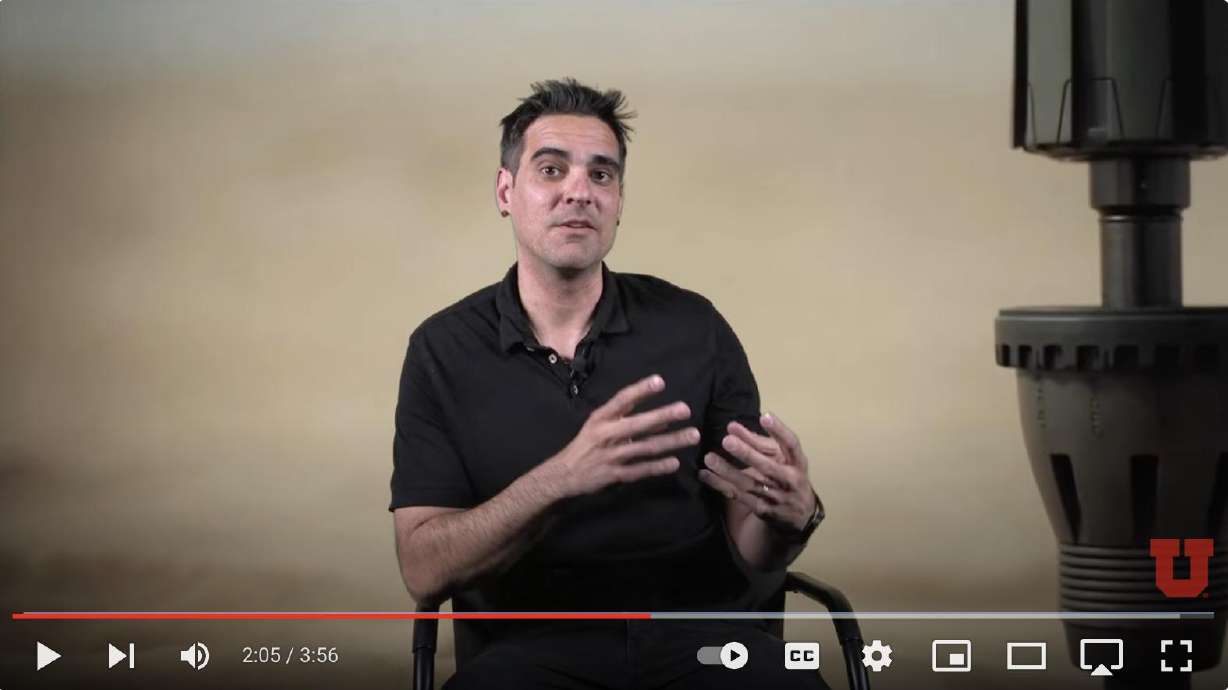
A biology professor at the University of Utah, Michael Werner, who specializes in nematodes, or roundworms, discusses the real science behind the giant worms in the movie "Dune." He explains that while Earth doesn't have worms as large as those in the movie, there are similarities between the fictional creatures and real nematode species. Werner also muses on the potential uses of worms for interstellar travel and reflects on how "Dune" shaped his worldview as a child.
The University of Utah women's basketball team had to change hotels after experiencing racist attacks while in Idaho for the NCAA Tournament, prompting concerns for their safety. The team, consisting of Black, white, and Latina athletes, encountered multiple incidents, including being targeted with racial slurs by individuals in trucks. Utah's athletic director expressed regret over the hotel arrangement, and Gonzaga University, the host school, acknowledged the situation and emphasized the importance of ensuring the safety and welfare of all involved.
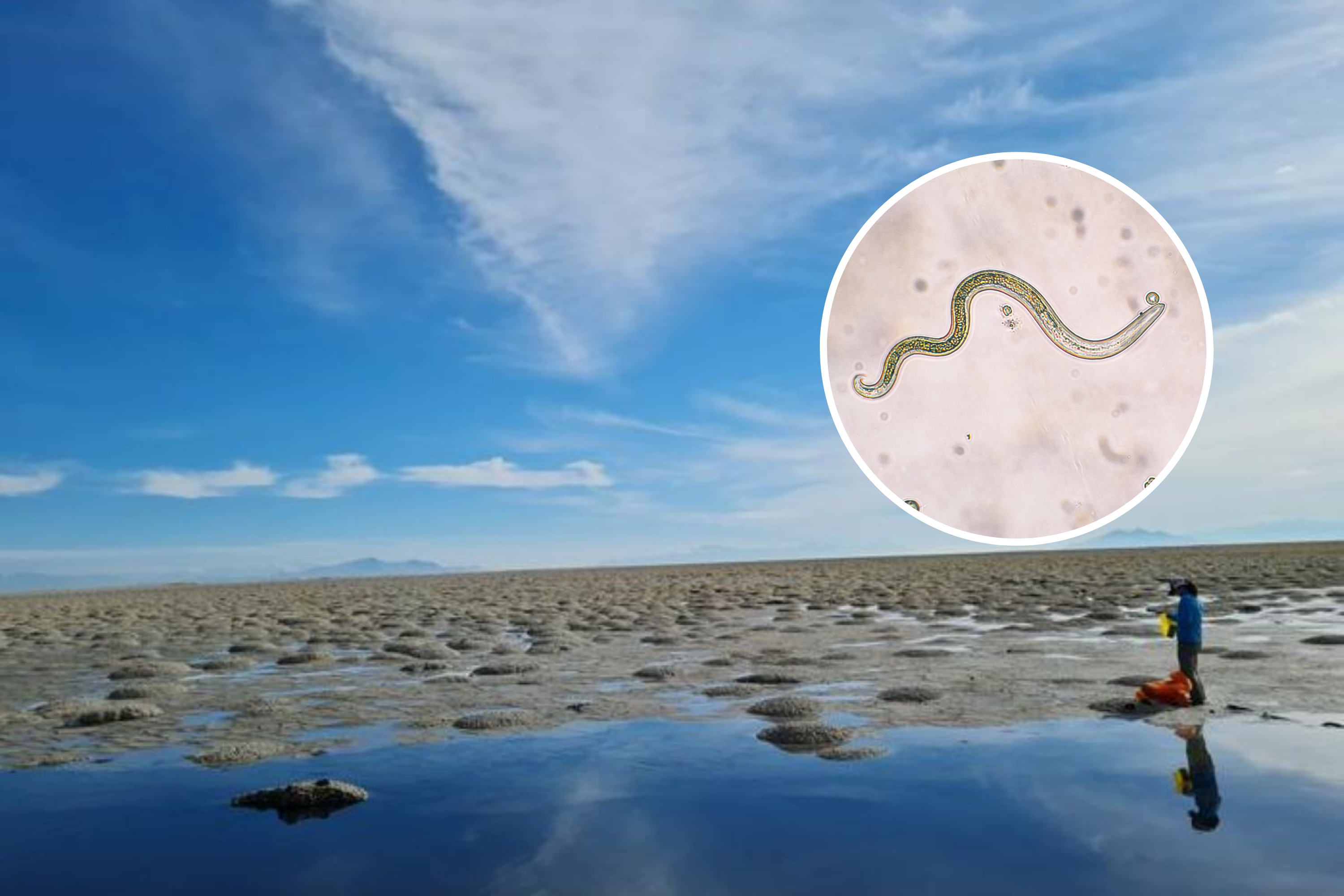
Scientists have discovered a new species of nematode, or roundworm, in the Great Salt Lake, making it just the third multicellular animal known to inhabit the lake alongside brine shrimp and brine flies. The nematodes were found in the lake's southern arm, living in microbialites, which cover about 20% of the lakebed. This discovery raises new questions about the lake's ecosystem and the limits of animal habitability in extreme environments. The fate of these nematodes, potentially a new species, is threatened by the declining levels of the Great Salt Lake, which is impacting the insects and waterfowl that depend on them.
Researchers at the University of Utah have discovered thousands of roundworms, or nematodes, living in the Great Salt Lake's reeflike structures, marking the first known presence of these creatures in the lake. The saltiest environment where these worms have been found, the discovery raises questions about the limits of animal life and their adaptability to extreme conditions. The study's findings suggest that the worms are highly adaptive to their environment, surviving on the lake's bacteria despite the extreme salinity. This discovery sheds light on the lake's unique ecosystem and the potential for finding complex multicellular life in extreme environments, sparking further research into the mechanisms of their adaptability.
A mathematical model developed by a University of Utah professor suggests that it may be possible to indefinitely delay the onset of menopause by implanting a woman’s previously harvested ovarian tissue back into her body. The model predicts that under certain circumstances, menopause could be delayed by 40 years or more, potentially extending a woman's fertile lifespan and offering health benefits such as preventing cardiovascular disease, reducing bone density depletion, and curbing obesity. The study, published in the American Journal of Obstetrics & Gynecology, indicates that harvesting ovarian tissue at earlier adult ages and using better transplant techniques could result in significant menopause postponement.
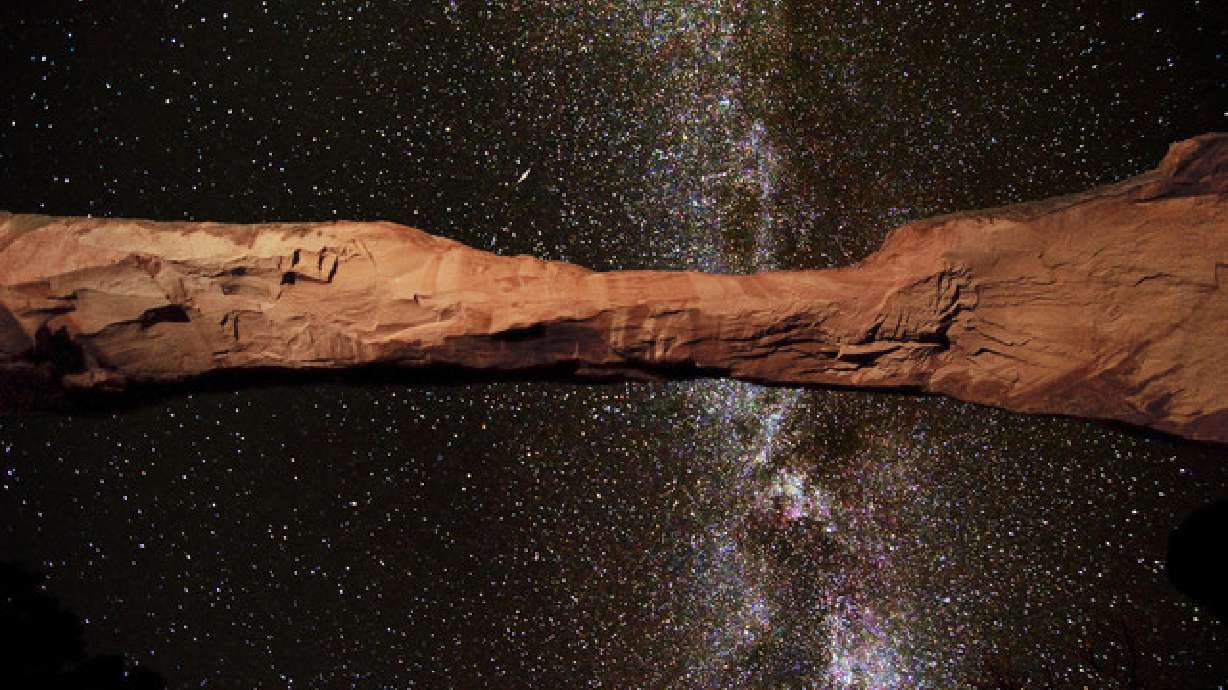
Scientists at the University of Utah and the University of Tokyo have detected a rare cosmic ray, named the "Amaterasu particle," believed to have originated from beyond the Milky Way galaxy. The particle's energy rivals that of the record-setting "Oh-My-God" particle observed in 1991. The source of these ultra-high-energy cosmic rays remains a mystery, as there is no known high-energy source capable of producing them. The Amaterasu particle is thought to have come from the Local Void, an empty region near the Milky Way. The discovery was made by the Telescope Array observatory in Utah, which aims to capture more cosmic ray events and provide further insights into cosmic phenomena.
Scientists at the University of Utah and the University of Tokyo have detected a rare cosmic ray, named the "Amaterasu particle," believed to have originated from beyond the Milky Way galaxy. The particle's energy rivals that of the record-setting "Oh-My-God" particle observed in 1991. The source of these ultra-high-energy cosmic rays remains a mystery, as there is no known high-energy source capable of producing them. The Amaterasu particle is thought to have come from the Local Void, an empty region near the Milky Way. The discovery was made by the Telescope Array observatory in Utah, which aims to capture more cosmic ray events and provide further insights into cosmic mysteries.
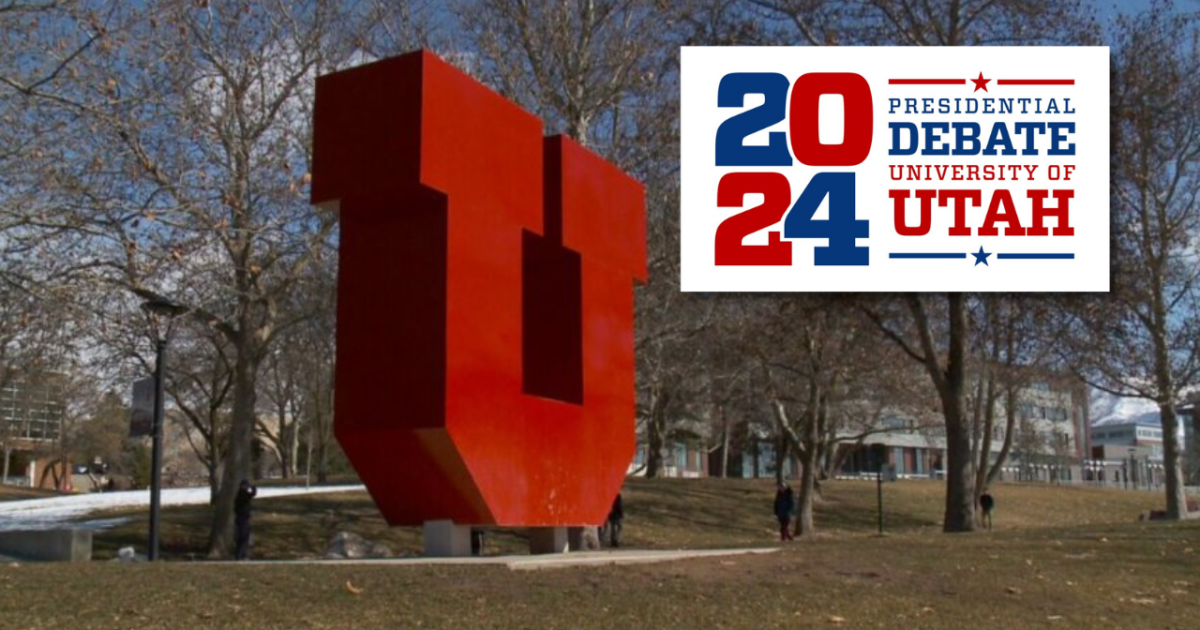
Utah has been chosen as the host site for the third and final presidential debate of the 2024 election cycle, which will take place on October 9, 2024 at the University of Utah's Kingsbury Hall.