Tag

Amaterasu Particle

All articles tagged with #amaterasu particle

astronomy2 years ago

Unexplained Cosmic Ray Detected in Utah's Telescope

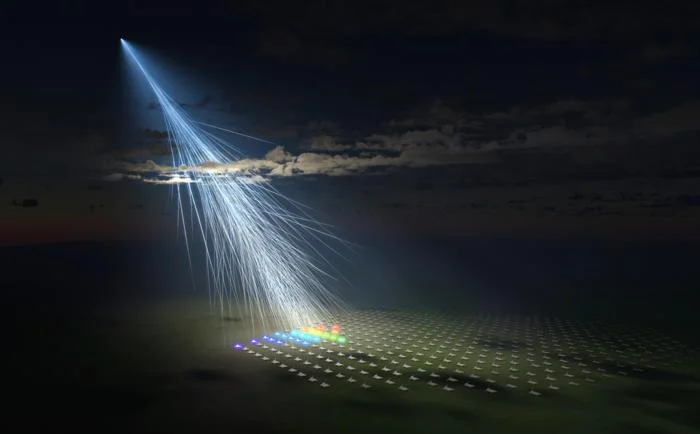
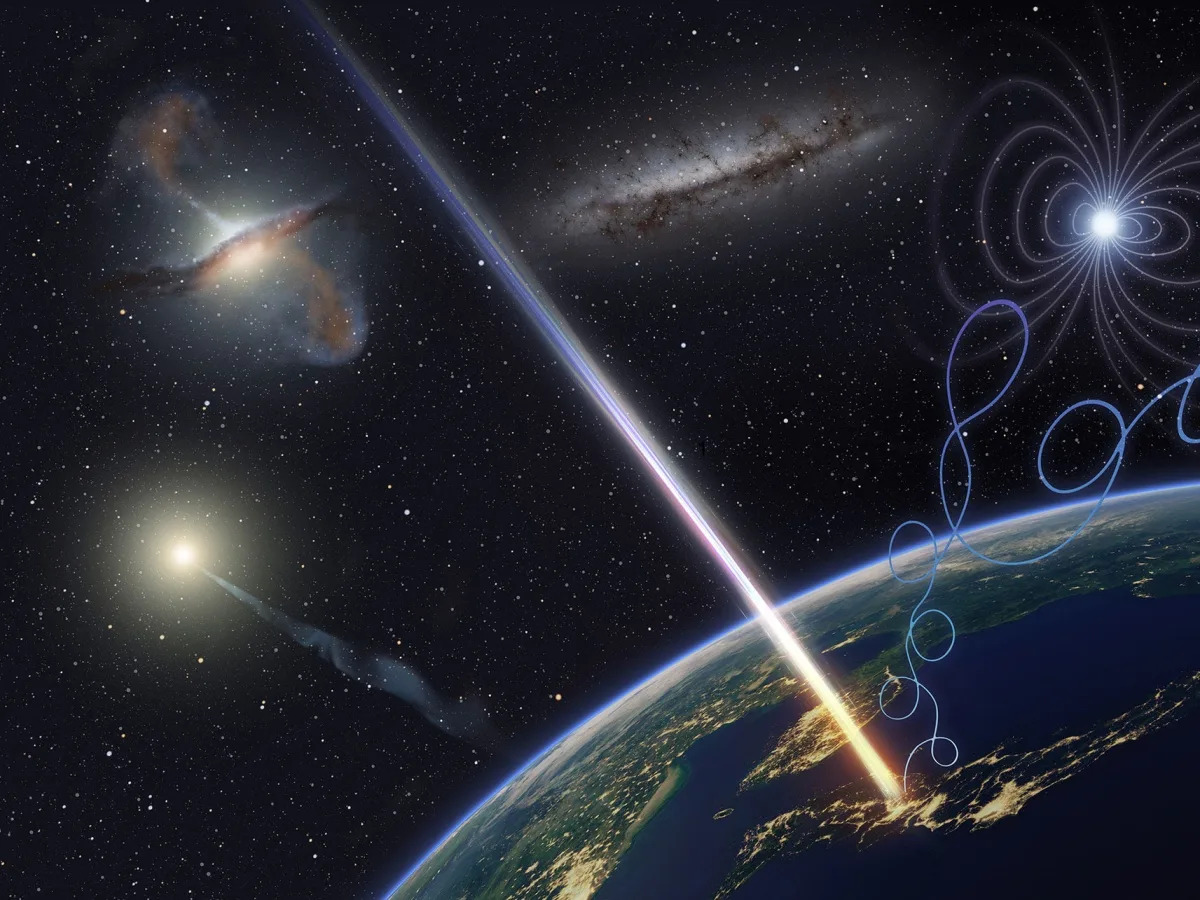
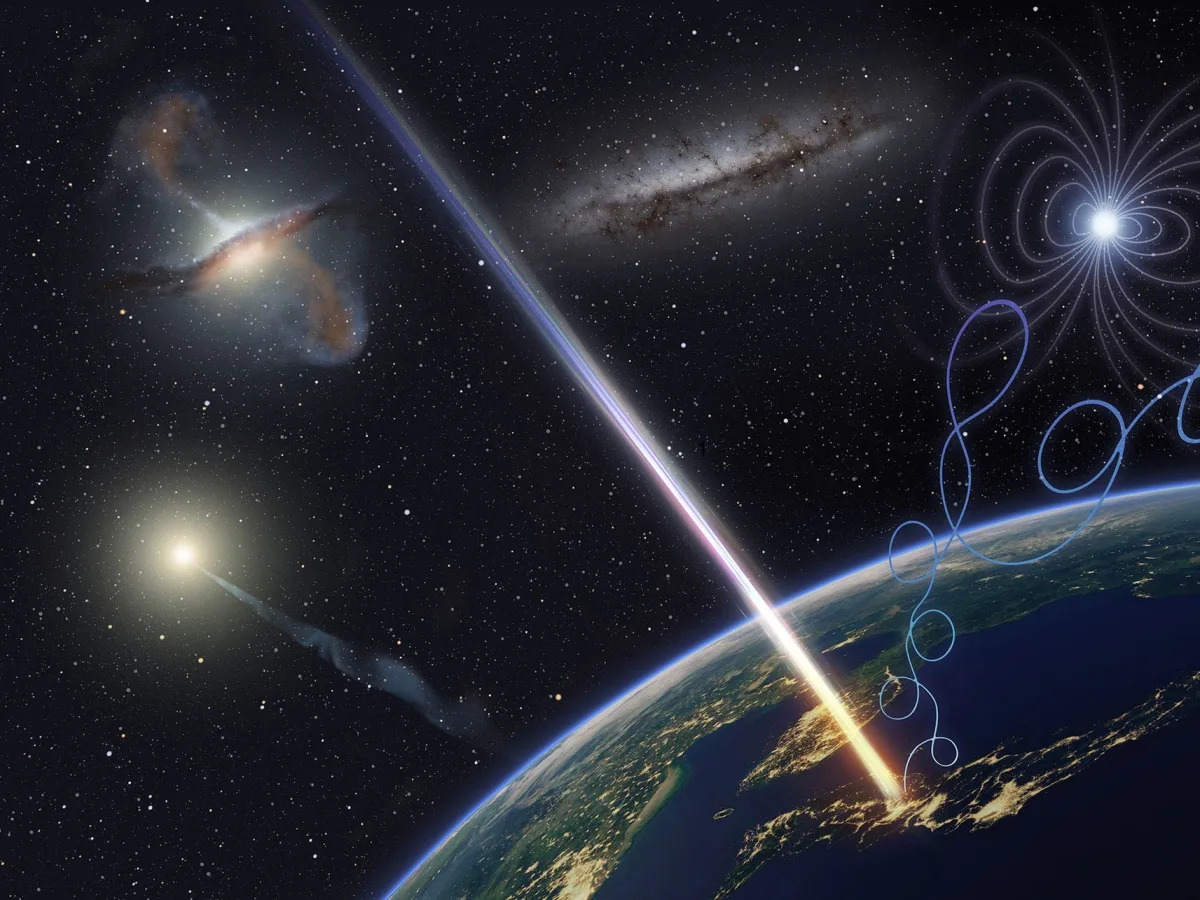
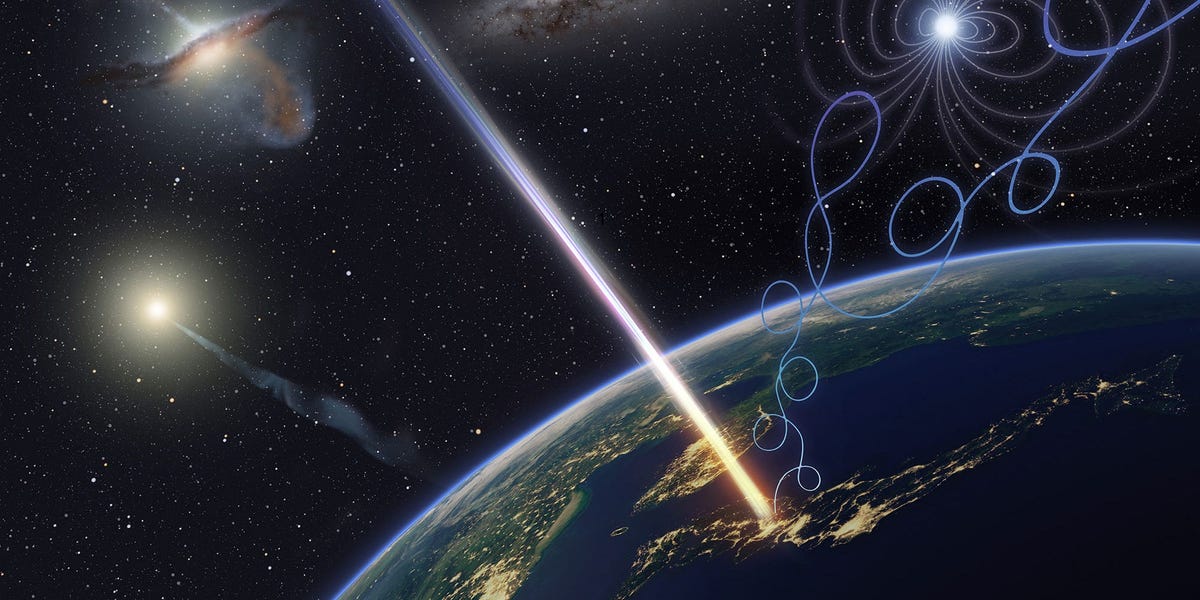
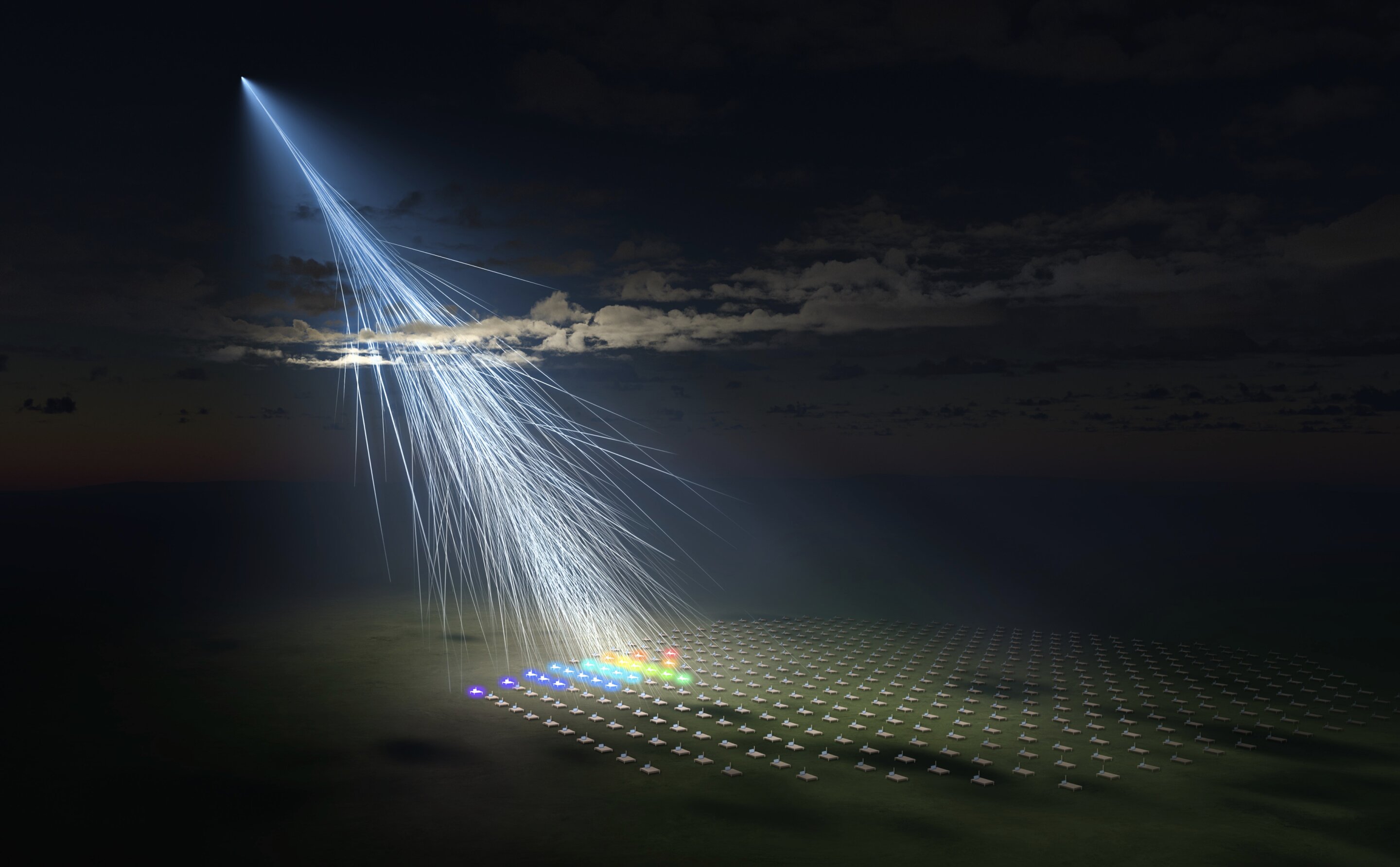
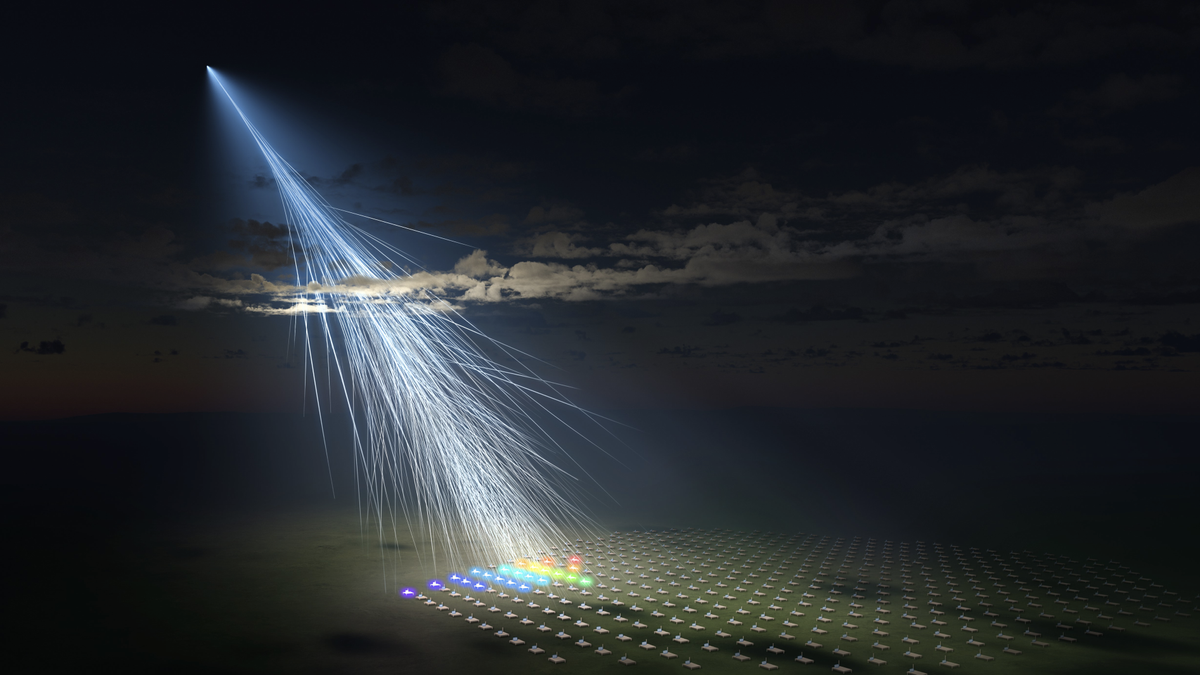
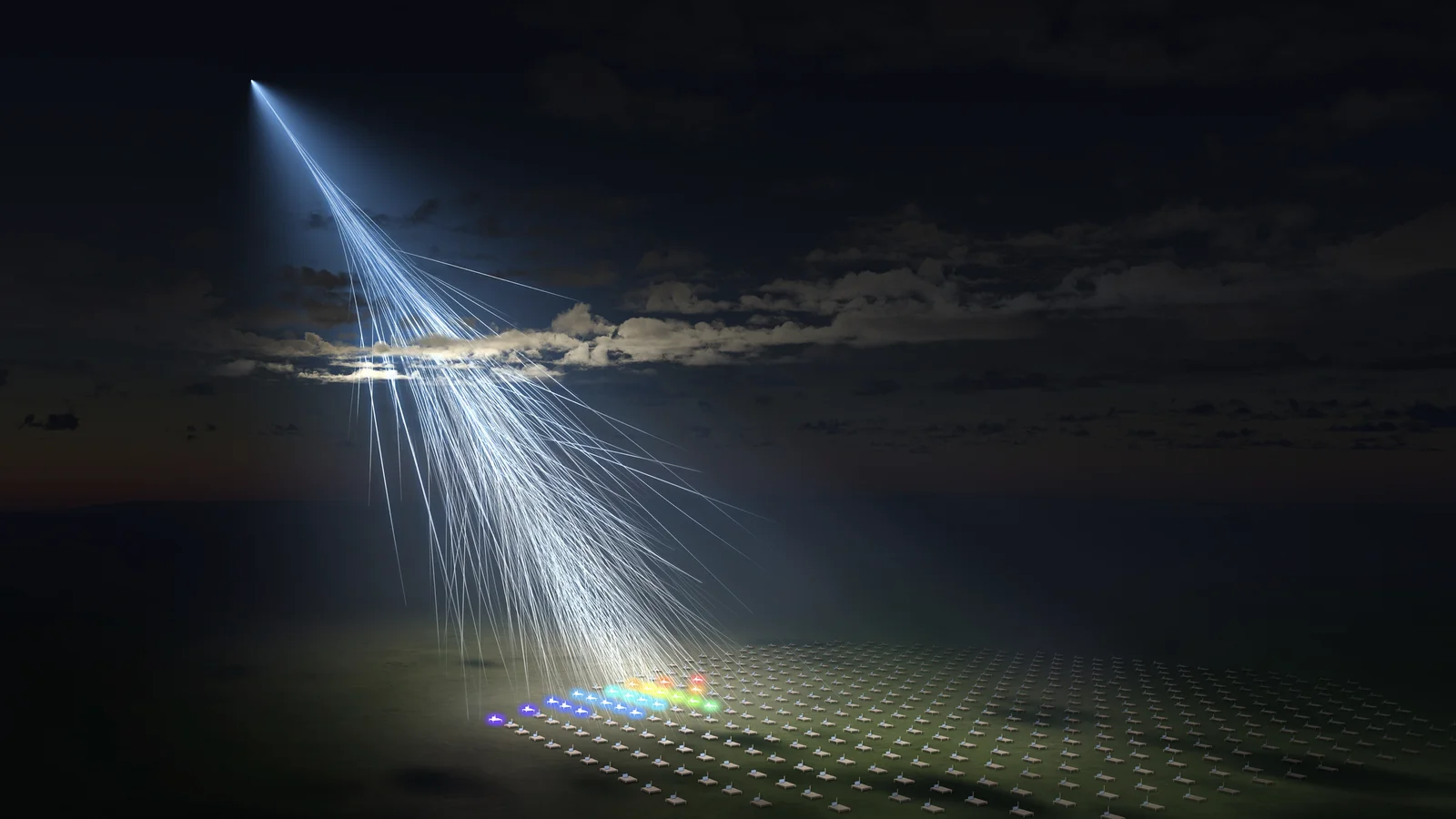
Scientists at the University of Utah and the University of Tokyo have detected a rare cosmic ray, named the "Amaterasu particle," believed to have originated from beyond the Milky Way galaxy. The particle's energy rivals that of the record-setting "Oh-My-God" particle observed in 1991. The source of these ultra-high-energy cosmic rays remains a mystery, as there is no known high-energy source capable of producing them. The Amaterasu particle is thought to have come from the Local Void, an empty region near the Milky Way. The discovery was made by the Telescope Array observatory in Utah, which aims to capture more cosmic ray events and provide further insights into cosmic phenomena.

astronomy2 years ago

"Utah Telescope Discovers Enigmatic Cosmic Ray from Beyond Our Galaxy"

Scientists at the University of Utah and the University of Tokyo have detected a rare cosmic ray, named the "Amaterasu particle," believed to have originated from beyond the Milky Way galaxy. The particle's energy rivals that of the record-setting "Oh-My-God" particle observed in 1991. The source of these ultra-high-energy cosmic rays remains a mystery, as there is no known high-energy source capable of producing them. The Amaterasu particle is thought to have come from the Local Void, an empty region near the Milky Way. The discovery was made by the Telescope Array observatory in Utah, which aims to capture more cosmic ray events and provide further insights into cosmic mysteries.

space-science2 years ago

"Unexplained Cosmic Ray Stuns Scientists with Possible Extraterrestrial Origins"

Scientists have discovered a rare cosmic ray, named the "Amaterasu particle," which is believed to originate from beyond the Milky Way galaxy. This ultra-high-energy particle, similar to the record-setting Oh-My-God particle, poses a mystery as its source remains unknown. While most cosmic rays come from the sun, high-energy particles like the Amaterasu particle are thought to come from other galaxies and extragalactic sources. The Telescope Array observatory in Utah detected the particle, and further expansion of the observatory aims to provide more insights into cosmic mysteries.

astronomy2 years ago

Unraveling the Enigma of Powerful Cosmic Rays: Recent Discoveries and Perplexing Origins

The Telescope Array experiment has detected the second-highest-energy cosmic ray ever observed, with an energy equivalent to dropping a brick on your toe from waist height. The origin and mechanism of these ultra-high-energy cosmic rays remain unknown, as they surpass the theoretical limits of known sources. Researchers speculate that these rare phenomena may follow particle physics unknown to science. The Telescope Array is expanding its detectors to capture more events and shed light on the mystery.

astronomy2 years ago

Unraveling the Mystery of the Highest-Energy Cosmic Ray Detected

Astronomers using the Telescope Array in Utah have detected an ultra-high-energy cosmic ray (UHECR) with an energy level of 244 EeV, the highest since the famous "Oh-My-God" particle in 1991. Dubbed the "Amaterasu" particle, its origin remains a mystery, as tracing its trajectory led to an empty area of space known as the "Local Void." The detection challenges current theories on the sources of UHECRs, which could include cosmic-scale explosions, active galactic nuclei, gamma ray bursts, or starburst galaxies. The expansion of the Telescope Array may provide more insights into these high-energy particles.

science-and-astronomy2 years ago

Unraveling the Enigma: High-energy Cosmic Rays Challenge Scientists

Scientists have discovered a new particle called the "sun goddess" particle, named Amaterasu, which has an energy level one million times greater than what can be generated in humanity's most powerful particle accelerators. This particle, detected by the Telescope Array experiment, is the most energetic charged particle ever detected and its origins and nature remain a mystery. It could potentially open up new avenues in high-energy astrophysics and challenge the Standard Model of particle physics. Further investigation and collaboration with next-generation observatories are expected to shed light on the Amaterasu particle.