Scientists have discovered a new species of nematode, Diplolaimelloides woaabi, in the Great Salt Lake, which may be unique to the lake and plays a potentially important ecological role, raising questions about its origin and survival in such an extreme environment.
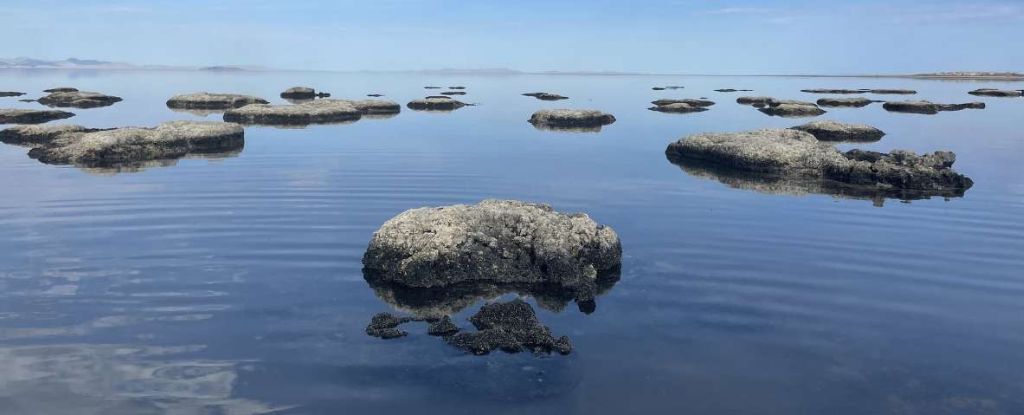
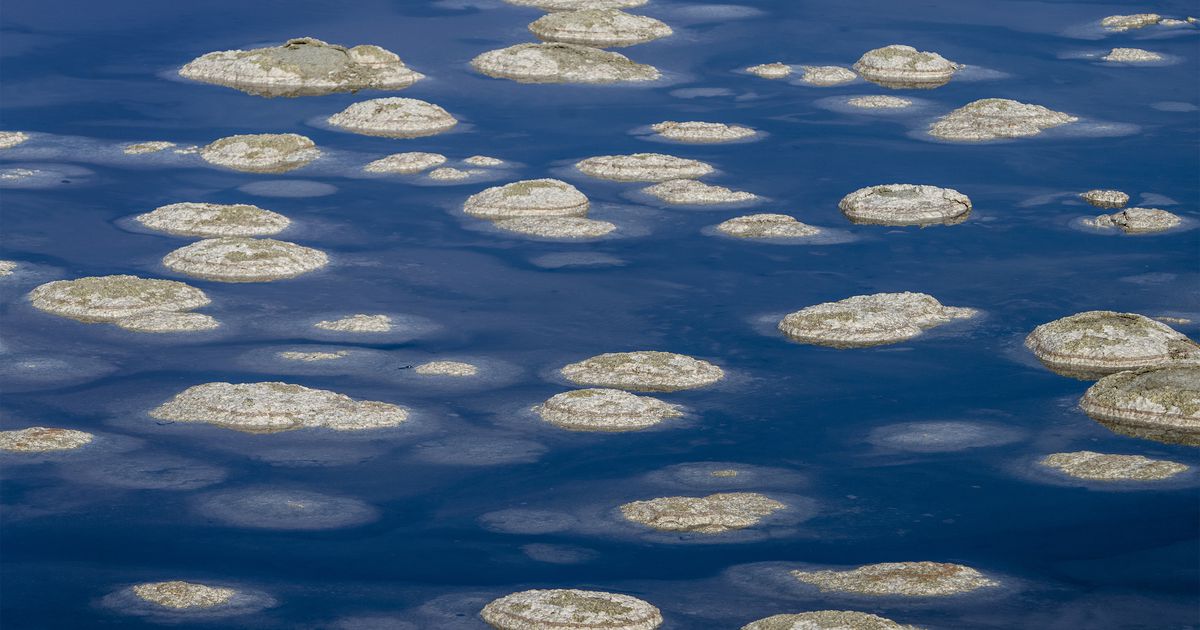
Scientists have discovered a new species of nematode, or roundworm, in the Great Salt Lake, making it just the third multicellular animal known to inhabit the lake alongside brine shrimp and brine flies. The nematodes were found in the lake's southern arm, living in microbialites, which cover about 20% of the lakebed. This discovery raises new questions about the lake's ecosystem and the limits of animal habitability in extreme environments. The fate of these nematodes, potentially a new species, is threatened by the declining levels of the Great Salt Lake, which is impacting the insects and waterfowl that depend on them.
Scientists have discovered a third form of multicellular life, nematodes, in the Great Salt Lake, challenging the long-held belief that only brine shrimp and brine flies inhabited the ultra-saline waters. These worms, found in microbialites on the lake bed, are uniquely adapted to the extreme salinity and may be at risk of disappearing as the lake's water levels decrease due to human usage and climate change. The study highlights the urgent need to understand and protect this unique ecosystem before it collapses completely.
Scientists have discovered a new multi-celled lifeform, nematodes, living in the Great Salt Lake's microbialites, challenging the belief that only brine shrimp and brine flies can survive in the lake's salty water. The nematodes were found to be thriving in the hyper-saline environment, possibly contributing to microbialite formation and transporting useful bacteria. This discovery underscores the importance of a healthy lake elevation for supporting life and sheds light on the diverse and often overlooked microscopic life in the Great Salt Lake.