Tag

Extremophiles

All articles tagged with #extremophiles

science3 months ago

Tardigrades: The Resilient Creatures That Could Safeguard Humanity

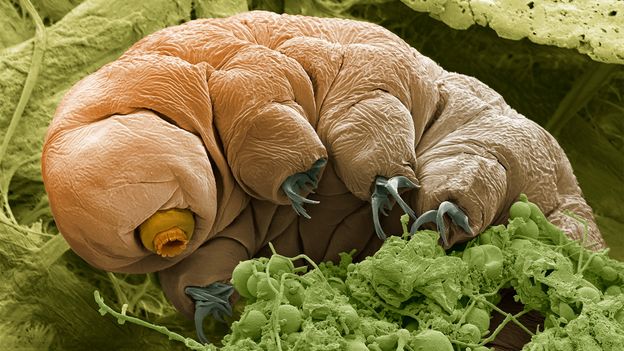
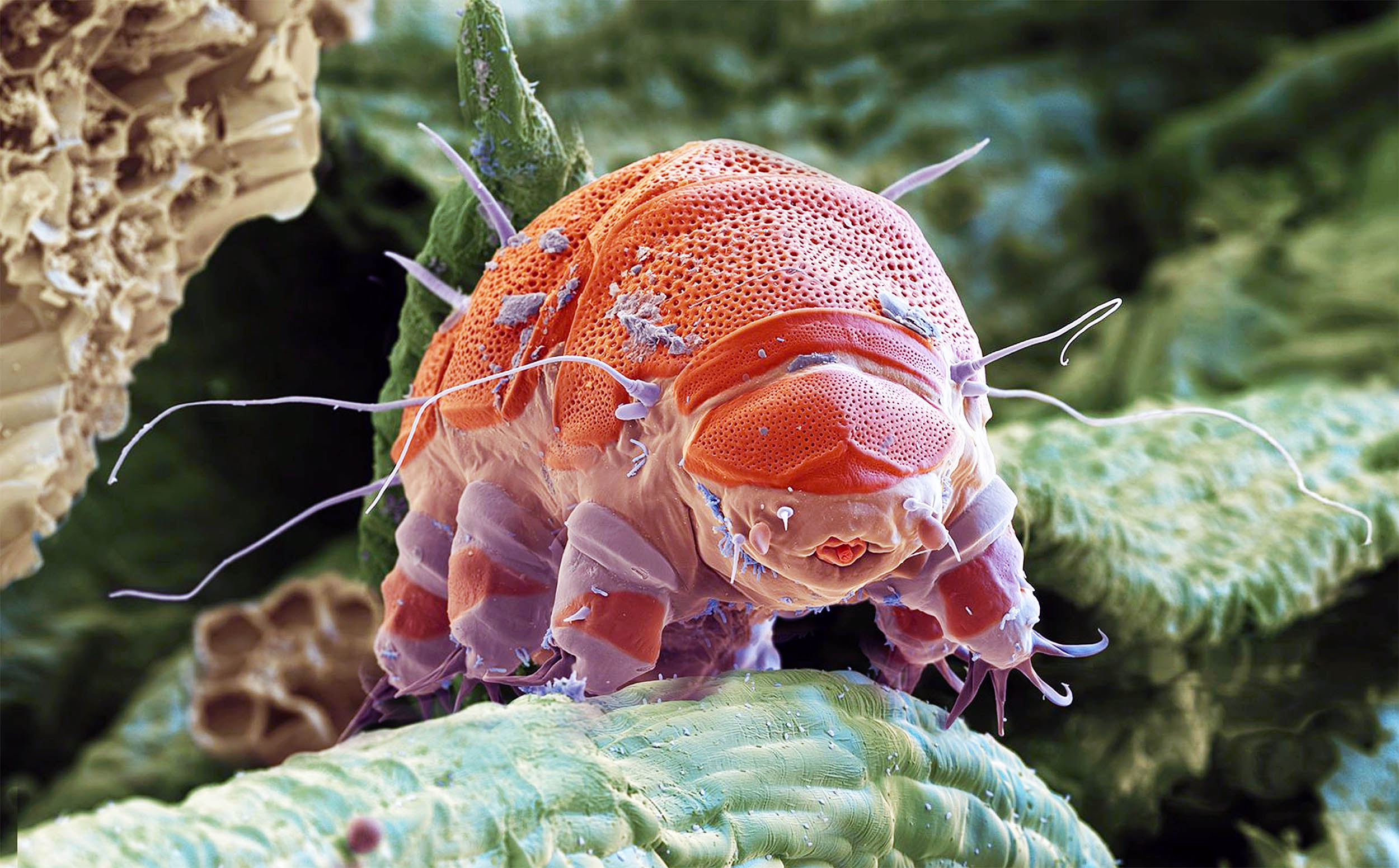
Tardigrades, tiny resilient creatures capable of surviving extreme conditions like space, radiation, and desiccation, are being studied for potential human applications such as protecting against radiation damage, preserving medicines, and aiding space exploration. Their survival mechanisms include specialized proteins and entering a state of suspended animation, offering insights into extreme resilience and biotechnological innovations.

science5 months ago

Small Animal's Potential to Aid Human Mars Colonization

Tardigrades, tiny resilient animals, possess unique proteins like Dsup that protect their DNA from extreme radiation and environmental stresses, making them promising models for enhancing human space travel safety and developing resilient crops and medical supplies. Their ability to survive harsh conditions could inform future Mars colonization efforts and biotechnological applications on Earth.

science-and-technology1 year ago

"NASA's Sunscreen Breakthrough: Immortal Bacteria Holds the Key"

NASA discovered a resilient bacteria, bacillus pumilus, that survived exposure to cosmic radiation, leading to its use in boosting SPF in sunscreens. The bacteria was discovered by a scientist who decontaminates spacecraft bound for Mars, and its UV resistance is now being leveraged by a Massachusetts-based company, Delavie Sciences, to create a new ingredient for sunscreen. This discovery has led to the development of skincare products and has potential applications in activating skin cells' production of hyaluronic acid. The bacteria's use in sunscreen has shown to increase SPF by 22 to 33 percent, and the company is now exploring other extremophiles for potential commercialization, emphasizing the significant contributions of NASA in this field.

science-and-environment1 year ago

"Discovery of New Species in Great Salt Lake Alters Ecosystem Understanding"

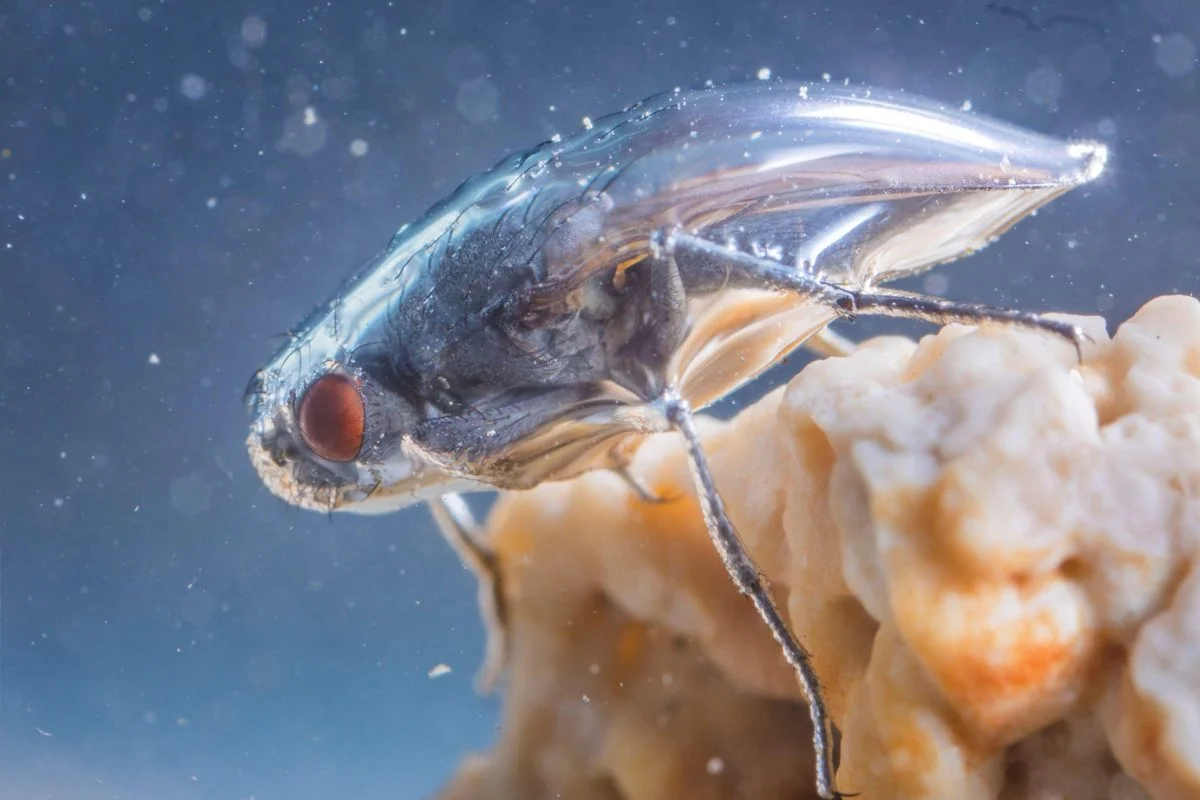
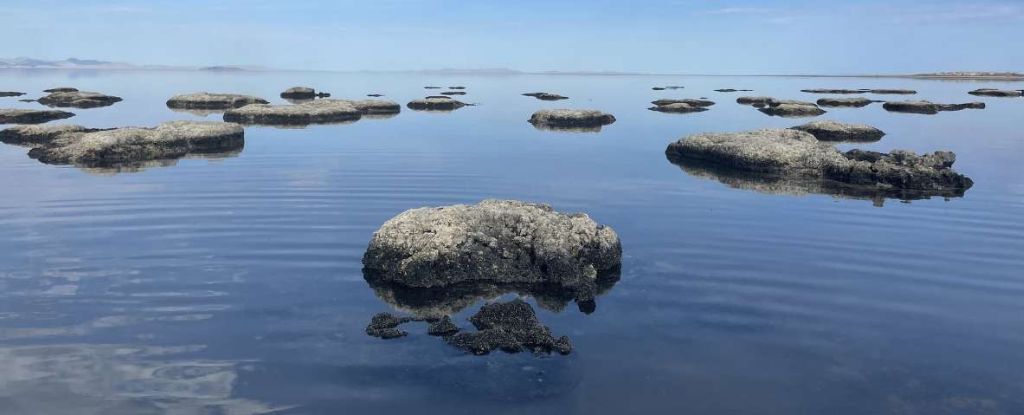
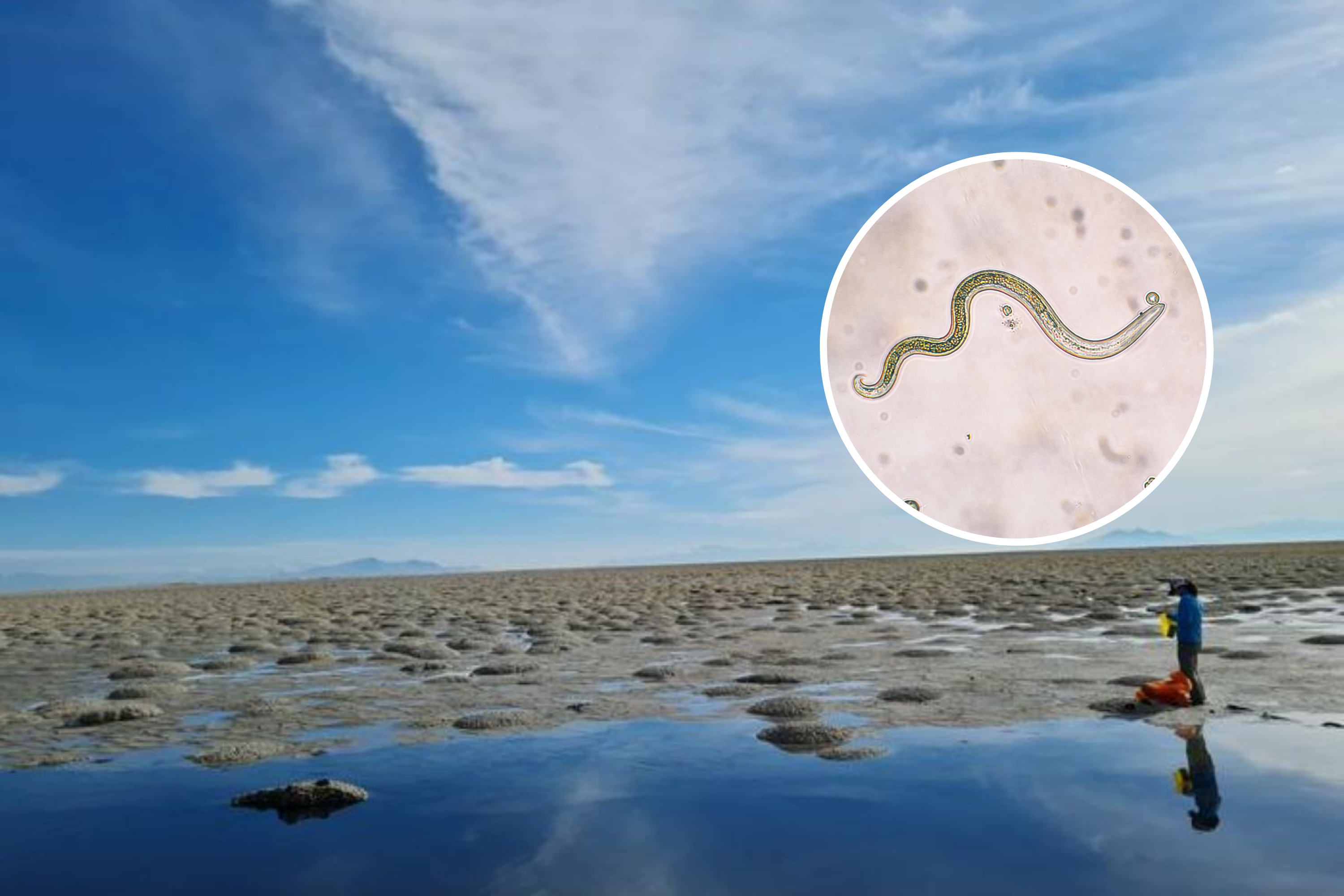
Scientists have discovered a third form of multicellular life, nematodes, in the Great Salt Lake, challenging the long-held belief that only brine shrimp and brine flies inhabited the ultra-saline waters. These worms, found in microbialites on the lake bed, are uniquely adapted to the extreme salinity and may be at risk of disappearing as the lake's water levels decrease due to human usage and climate change. The study highlights the urgent need to understand and protect this unique ecosystem before it collapses completely.

science1 year ago

"Discovery of New Species in Great Salt Lake Alters Ecosystem Understanding"

Researchers at the University of Utah have discovered thousands of roundworms, or nematodes, living in the Great Salt Lake's reeflike structures, marking the first known presence of these creatures in the lake. The saltiest environment where these worms have been found, the discovery raises questions about the limits of animal life and their adaptability to extreme conditions. The study's findings suggest that the worms are highly adaptive to their environment, surviving on the lake's bacteria despite the extreme salinity. This discovery sheds light on the lake's unique ecosystem and the potential for finding complex multicellular life in extreme environments, sparking further research into the mechanisms of their adaptability.

science2 years ago

"Unveiling the Bizarre Ecosystem Thriving in Old Faithful's Boiling Depths"

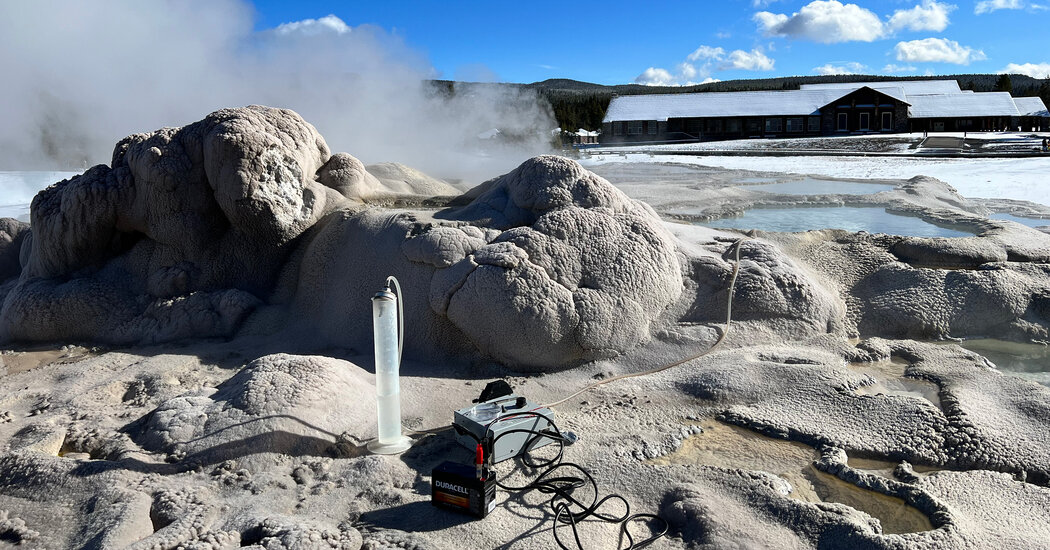
Researchers have discovered that the hydrothermal features of Yellowstone National Park, including its geysers, are home to a diverse range of microbial life. Despite the extreme conditions, such as boiling water and volatile eruptions, these geysers provide a unique habitat for microorganisms. The study found that certain heat-loving bacteria species, such as Thermocrinis, make up a significant portion of the microbial population in Old Faithful, one of Yellowstone's most famous geysers. The findings have implications for astrobiology, as they suggest that similar extreme environments on other planets, such as Saturn's moon Enceladus and Jupiter's moon Europa, could potentially support microbial life.

science-and-environment2 years ago

Thriving Ecosystems Found at Spectacular Hydrothermal Vents

A recent expedition to locate hydrothermal vents along the Mid-Atlantic Ridge near Puerto Rico yielded a new find: a group of “black smoker” vents emitting water of 645 degrees Fahrenheit. The hot spring-like structures occur where the Earth’s plates converge and spread, and are biodiversity hot spots that teem with ocean life that has adapted to temperatures of over 700 degrees. The expedition used a variety of mapping techniques to find the vents, along with a remotely operated vehicle called SuBastian that collected images, measurements and samples from the deep ocean floor.