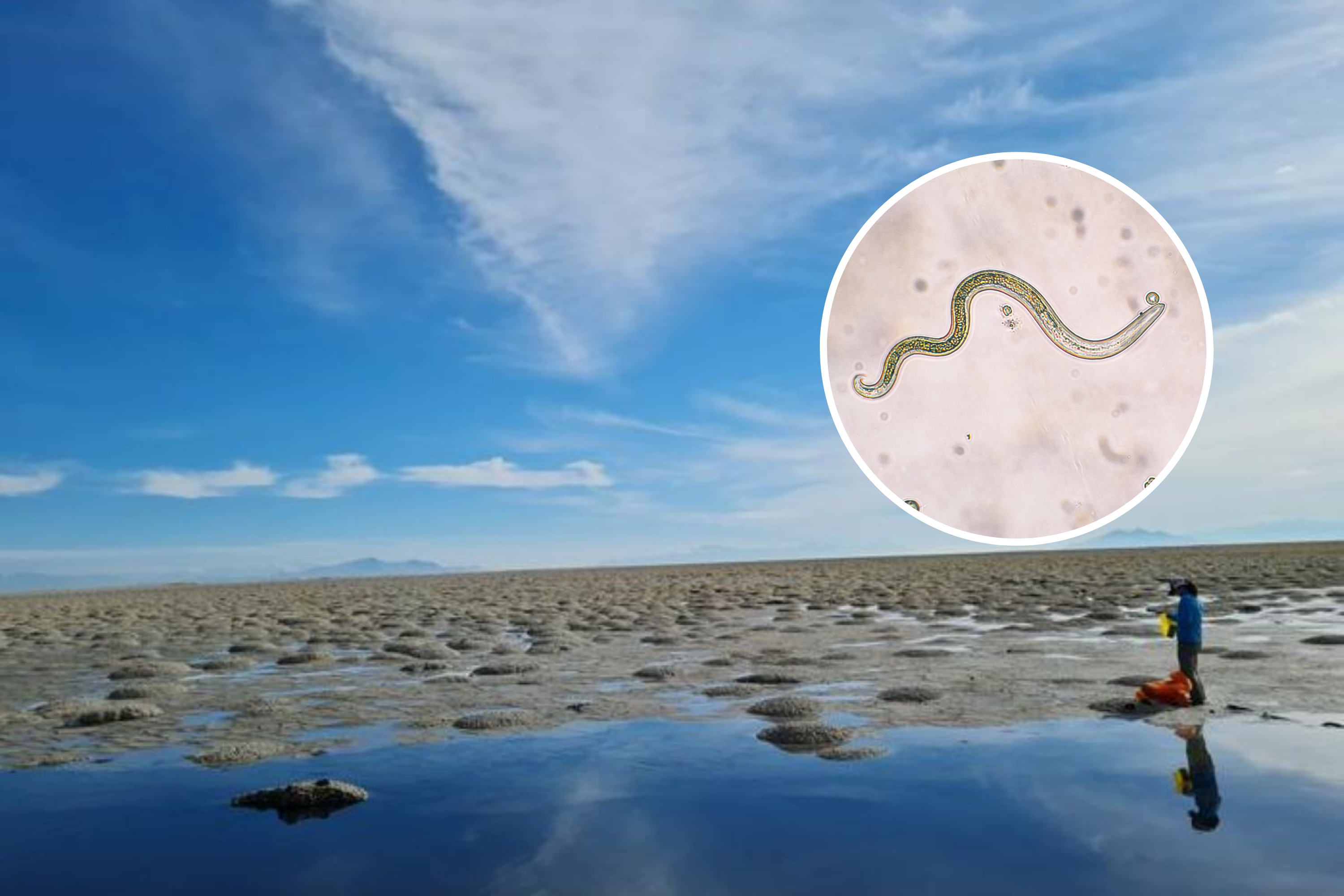
Scientists discovered a new microscopic nematode species, Diplolaimelloides woaabi, in the extreme environment of Utah's Great Salt Lake, challenging previous beliefs about the lake's biodiversity and raising questions about its origins and ecological role.
Scientists have discovered a new species of nematode, Diplolaimelloides woaabi, in the Great Salt Lake, which may be unique to the lake and plays a potentially important ecological role, raising questions about its origin and survival in such an extreme environment.
Silicon Valley startup Lilac Solutions plans to raise $250 million to build a facility at the Great Salt Lake to extract lithium from brine using a cheaper, environmentally friendly method, potentially transforming U.S. lithium supply and supporting the growing demand for batteries driven by electric vehicles and energy storage.
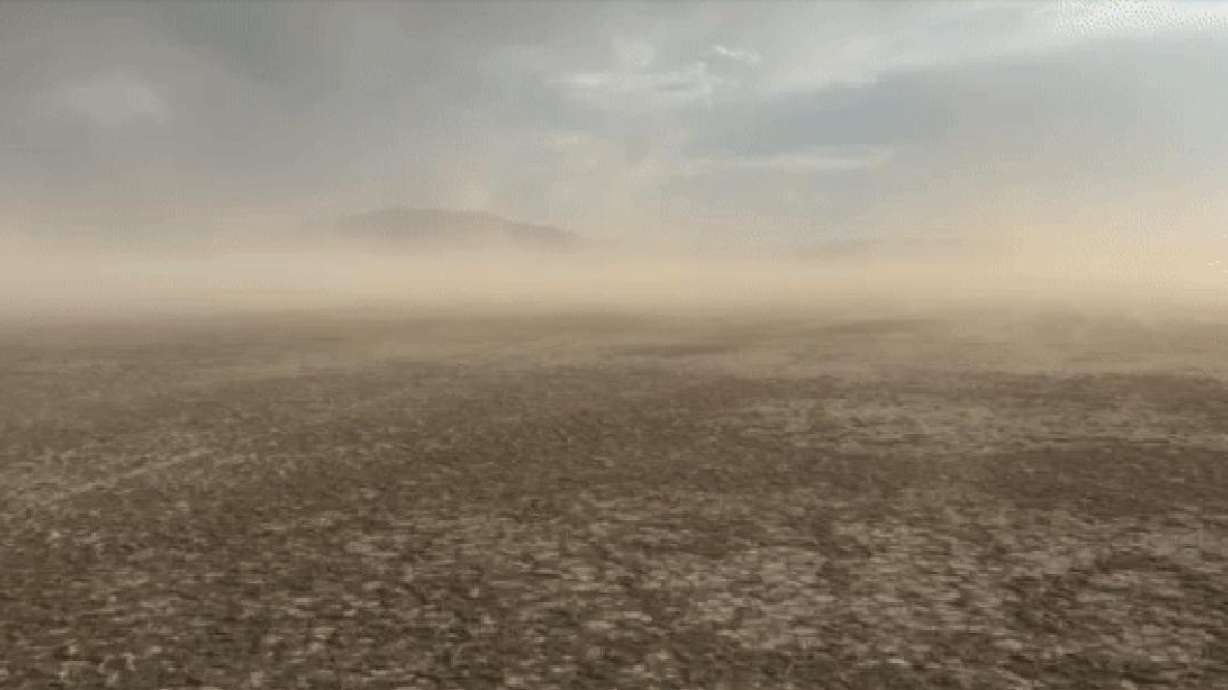
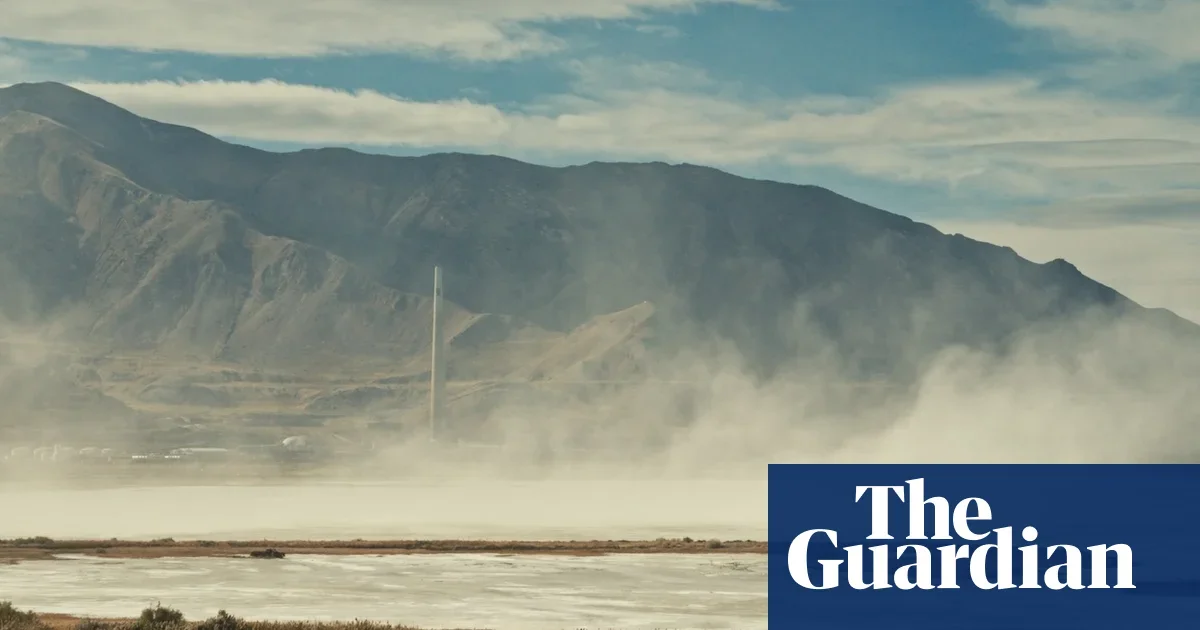
New research reveals that dust storms around the Great Salt Lake are more frequent than previously thought, posing health risks especially to children due to toxic metals like arsenic and lead. The study highlights the need for better monitoring and preventative measures to protect communities from airborne pollutants originating from the lake's receding shoreline and industrial activities.
As the Great Salt Lake shrinks, scientists discover a subsurface aquifer that could provide a new freshwater source to help mitigate environmental issues like dust pollution, though further research is needed to understand its potential and sustainability.
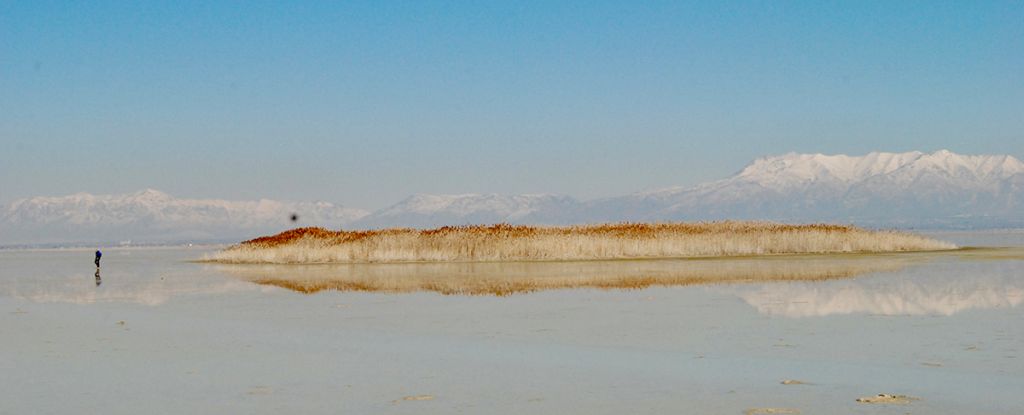
Scientists have discovered that the strange islands appearing on Utah's Great Salt Lake are formed by underground freshwater reservoirs, which may help understand and protect the lake's fragile ecosystem amid declining water levels and increasing salinity.
As water levels in the Great Salt Lake drop, geologists have discovered mysterious underground 'oases' or reed-covered mounds that reveal insights into the lake's hidden freshwater sources, using advanced geophysical techniques to study their formation and potential environmental impacts.
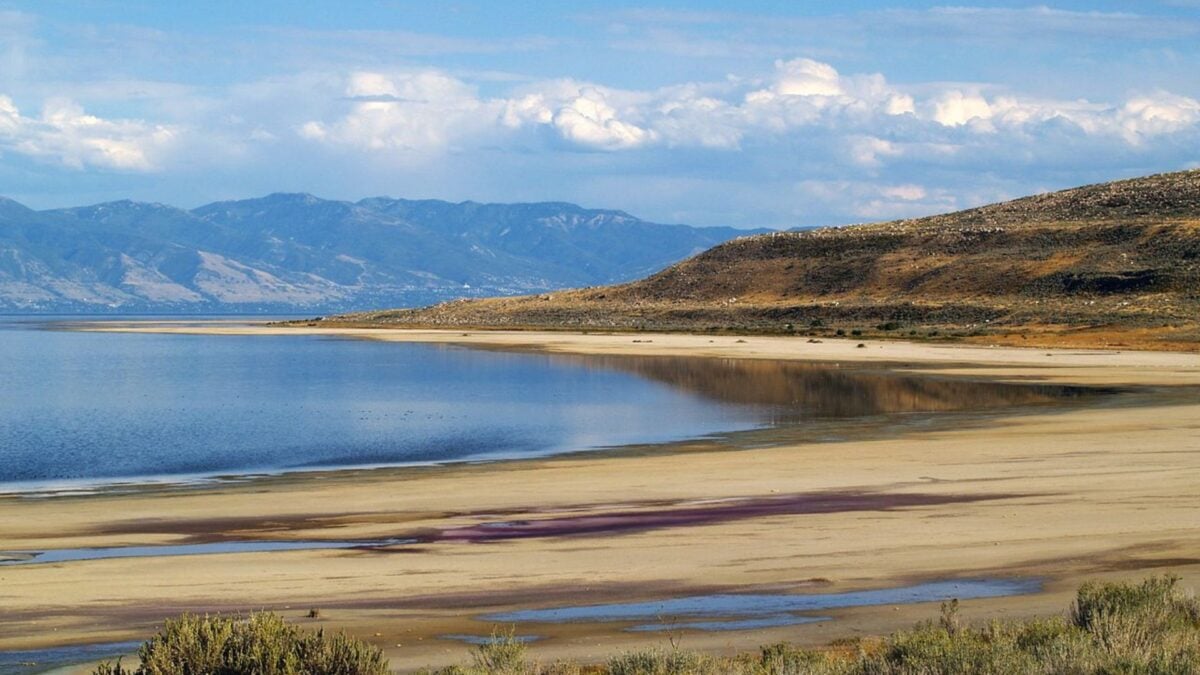
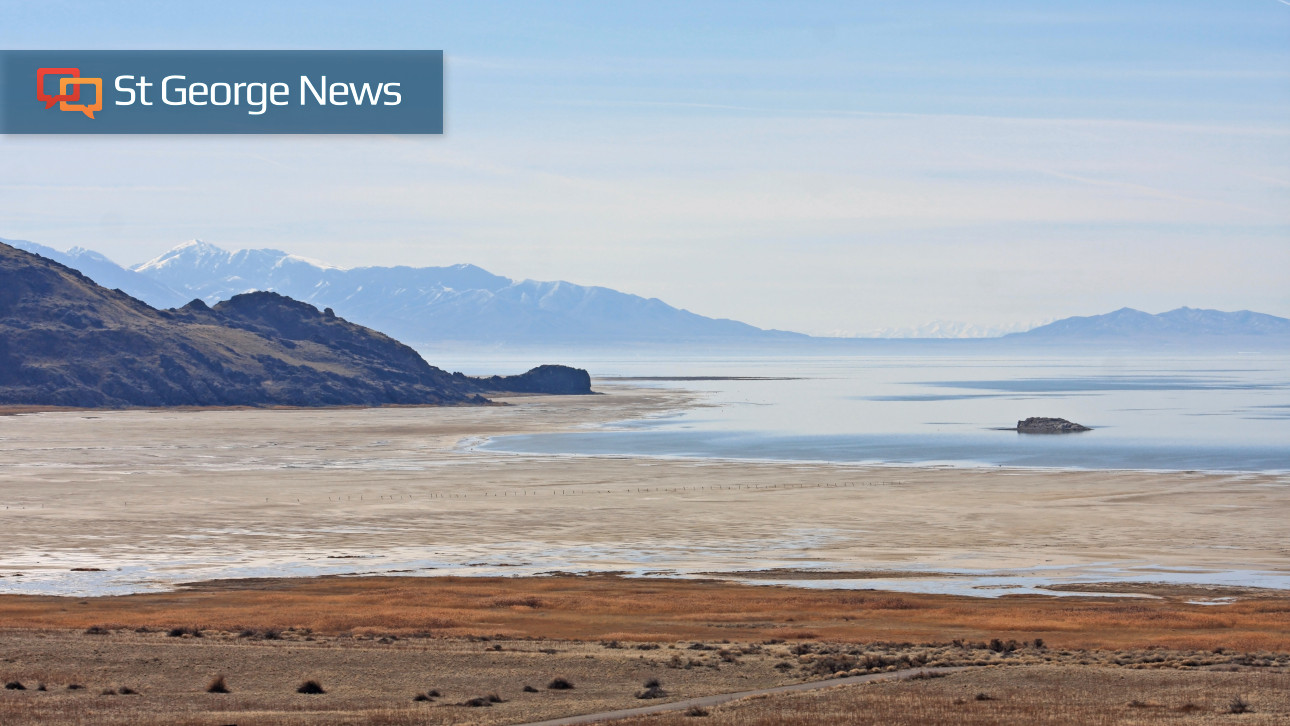
Iran launched a large-scale attack on Israel with drones and ballistic missiles, most of which were intercepted, in retaliation for a suspected Israeli airstrike in Syria. The U.S. has pledged support for Israel but will not participate in offensive operations against Iran. Meanwhile, jury selection begins for Donald Trump's hush money trial in New York City, where he faces 34 felony charges related to payments made to Stormy Daniels. Additionally, Utah's Great Salt Lake is experiencing a significant decline due to megadrought and climate change, impacting its ecosystem.
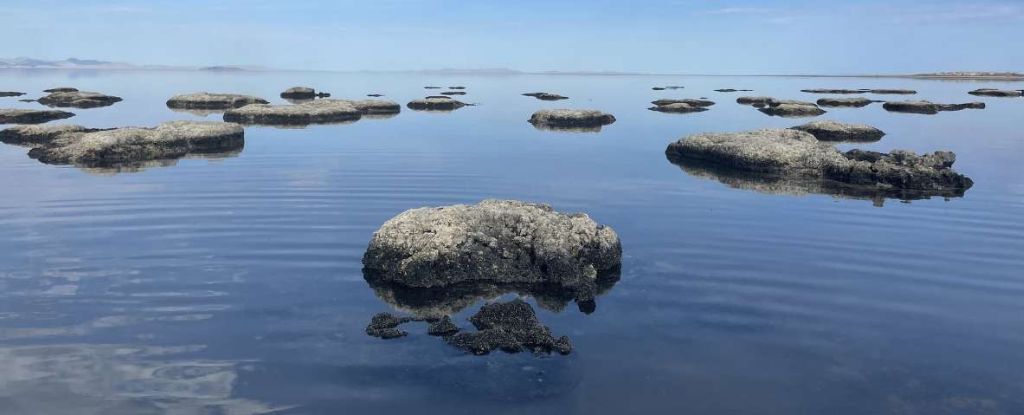
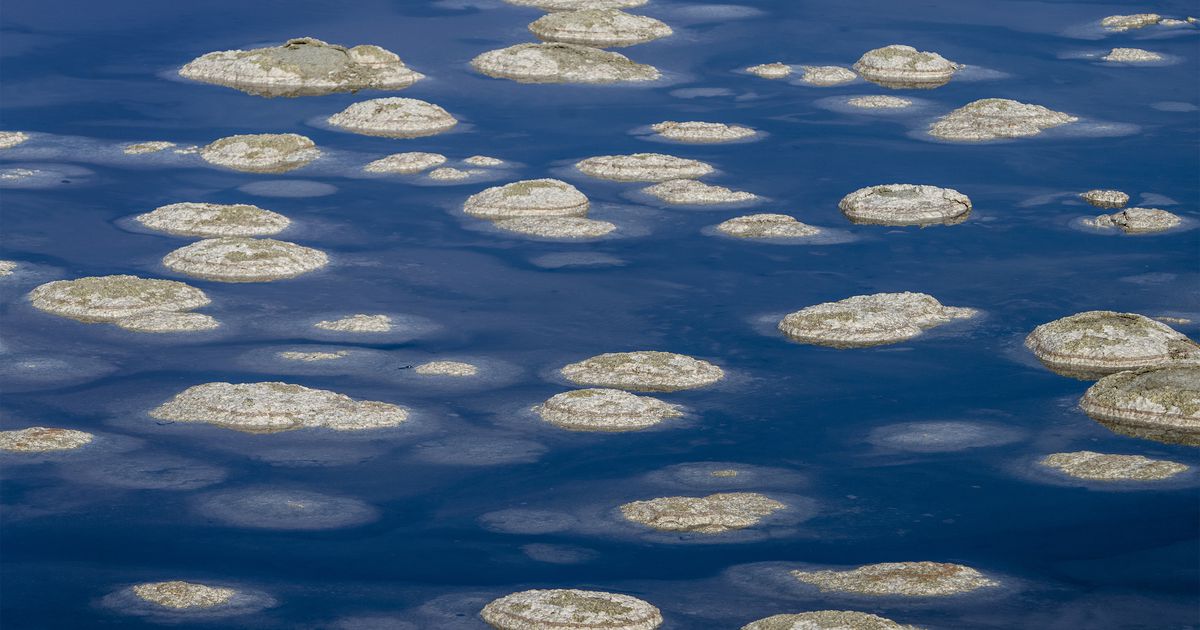
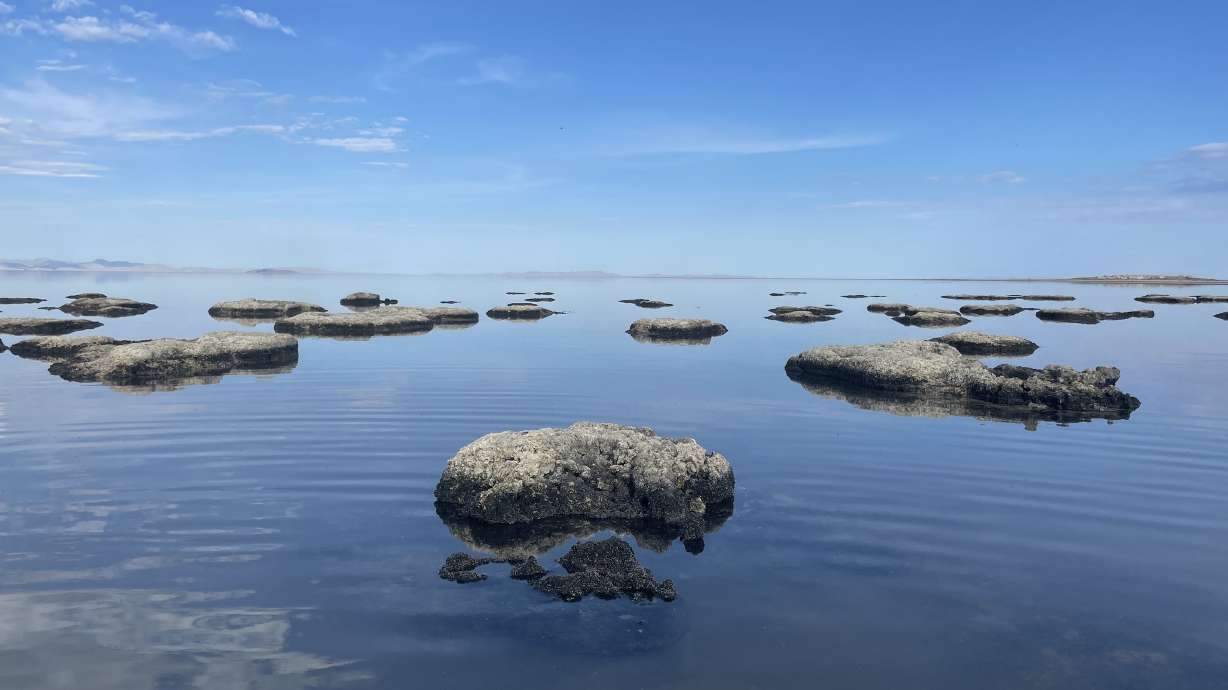
Scientists have discovered a new species of nematode, or roundworm, in the Great Salt Lake, making it just the third multicellular animal known to inhabit the lake alongside brine shrimp and brine flies. The nematodes were found in the lake's southern arm, living in microbialites, which cover about 20% of the lakebed. This discovery raises new questions about the lake's ecosystem and the limits of animal habitability in extreme environments. The fate of these nematodes, potentially a new species, is threatened by the declining levels of the Great Salt Lake, which is impacting the insects and waterfowl that depend on them.
Scientists have discovered a third form of multicellular life, nematodes, in the Great Salt Lake, challenging the long-held belief that only brine shrimp and brine flies inhabited the ultra-saline waters. These worms, found in microbialites on the lake bed, are uniquely adapted to the extreme salinity and may be at risk of disappearing as the lake's water levels decrease due to human usage and climate change. The study highlights the urgent need to understand and protect this unique ecosystem before it collapses completely.
Researchers at the University of Utah have discovered thousands of roundworms, or nematodes, living in the Great Salt Lake's reeflike structures, marking the first known presence of these creatures in the lake. The saltiest environment where these worms have been found, the discovery raises questions about the limits of animal life and their adaptability to extreme conditions. The study's findings suggest that the worms are highly adaptive to their environment, surviving on the lake's bacteria despite the extreme salinity. This discovery sheds light on the lake's unique ecosystem and the potential for finding complex multicellular life in extreme environments, sparking further research into the mechanisms of their adaptability.
Scientists have discovered a new multi-celled lifeform, nematodes, living in the Great Salt Lake's microbialites, challenging the belief that only brine shrimp and brine flies can survive in the lake's salty water. The nematodes were found to be thriving in the hyper-saline environment, possibly contributing to microbialite formation and transporting useful bacteria. This discovery underscores the importance of a healthy lake elevation for supporting life and sheds light on the diverse and often overlooked microscopic life in the Great Salt Lake.
A new species of nematodes has been discovered in Utah's Great Salt Lake, challenging the previous understanding of its ecosystem, which was thought to only contain brine shrimp and brine flies due to its unique saline environment. The discovery, made by researchers at the University of Utah, suggests that nematodes play a role in the lake's ecosystem that is not yet fully understood. This finding, published in the Proceedings of the Royal Society B, also indicates that the Great Salt Lake is now the saltiest body of water known to contain nematodes. The researchers believe that this discovery opens up new research opportunities and may even provide insights into the survivability of organisms in extreme climate conditions, such as on other planets like Mars.
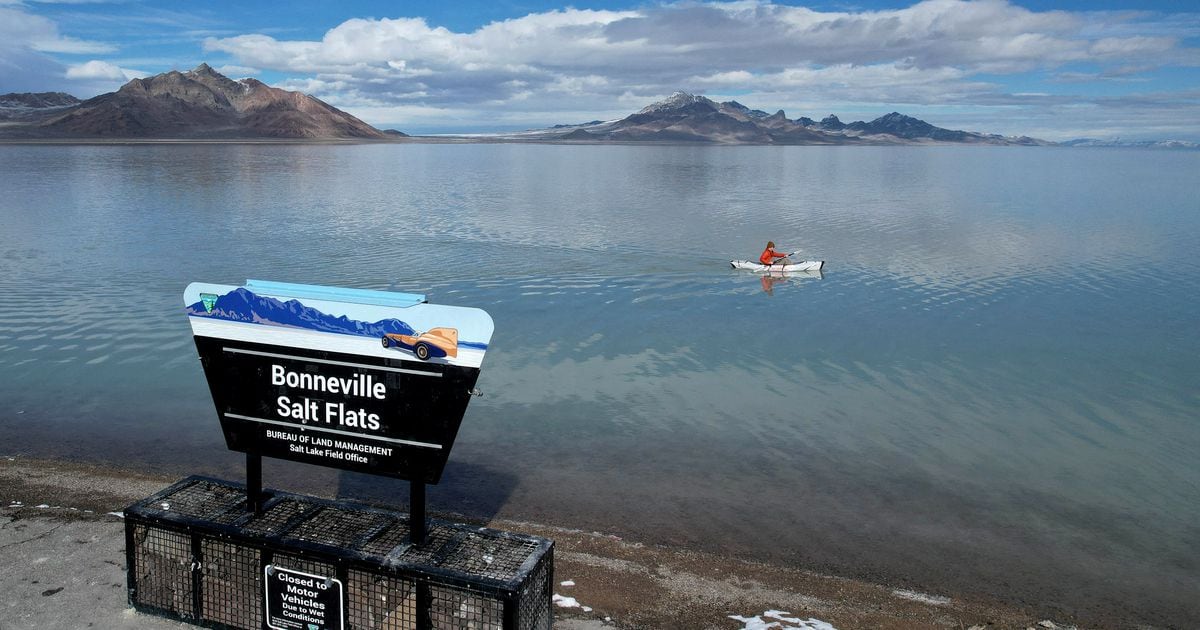
Recent research using radiocarbon analysis has revealed that the Bonneville Salt Flats are much younger than previously believed, forming between 5,400 and 3,500 years ago, millennia after the ancient Lake Bonneville disappeared. The decline of the salt flats is attributed to declining groundwater caused by human disturbances, and efforts to flood the flats may be doing more harm than good. The findings suggest that the salt flats are an ephemeral feature of the Great Basin, and their disappearance may be inevitable due to climate change and human water demands.
Environmental and community groups have filed a lawsuit against Utah officials for their failure to take action to save the shrinking Great Salt Lake. The lake has been steadily declining due to water diversion for agriculture and other purposes, exacerbated by a megadrought. If urgent measures are not taken, the lake could face irreversible collapse within five years, leading to a toxic dustbowl and environmental disaster. Despite some conservation efforts, scientists argue that more needs to be done to save the lake, including redirecting water from agriculture. The lawsuit aims to force the state government to address the crisis and fulfill its duty to protect the lake.