University of Utah biochemist Wesley Sundquist's research led to the development of lenacapavir, an HIV drug approved by the FDA that prevents transmission for six months and has the potential to significantly impact HIV prevention efforts worldwide.
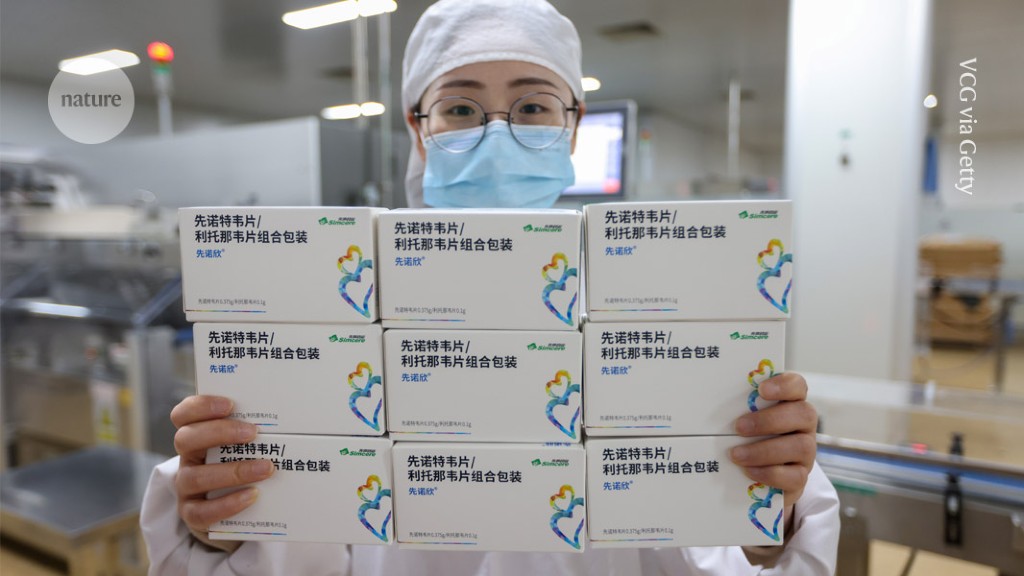
A new antiviral drug called simnotrelvir has shown promising results in speeding up recovery from mild to moderate COVID-19 symptoms, with a clinical trial demonstrating its effectiveness in reducing SARS-CoV-2 levels in patients. The drug, administered as a series of pills, is priced lower than its main rival, Paxlovid, in China and has been available under emergency use authorization since early last year. While the drug's potency is welcomed, some concerns remain about its taste, compatibility with other medications, and the need for more data on its effectiveness in preventing hospitalization and death in high-risk individuals.
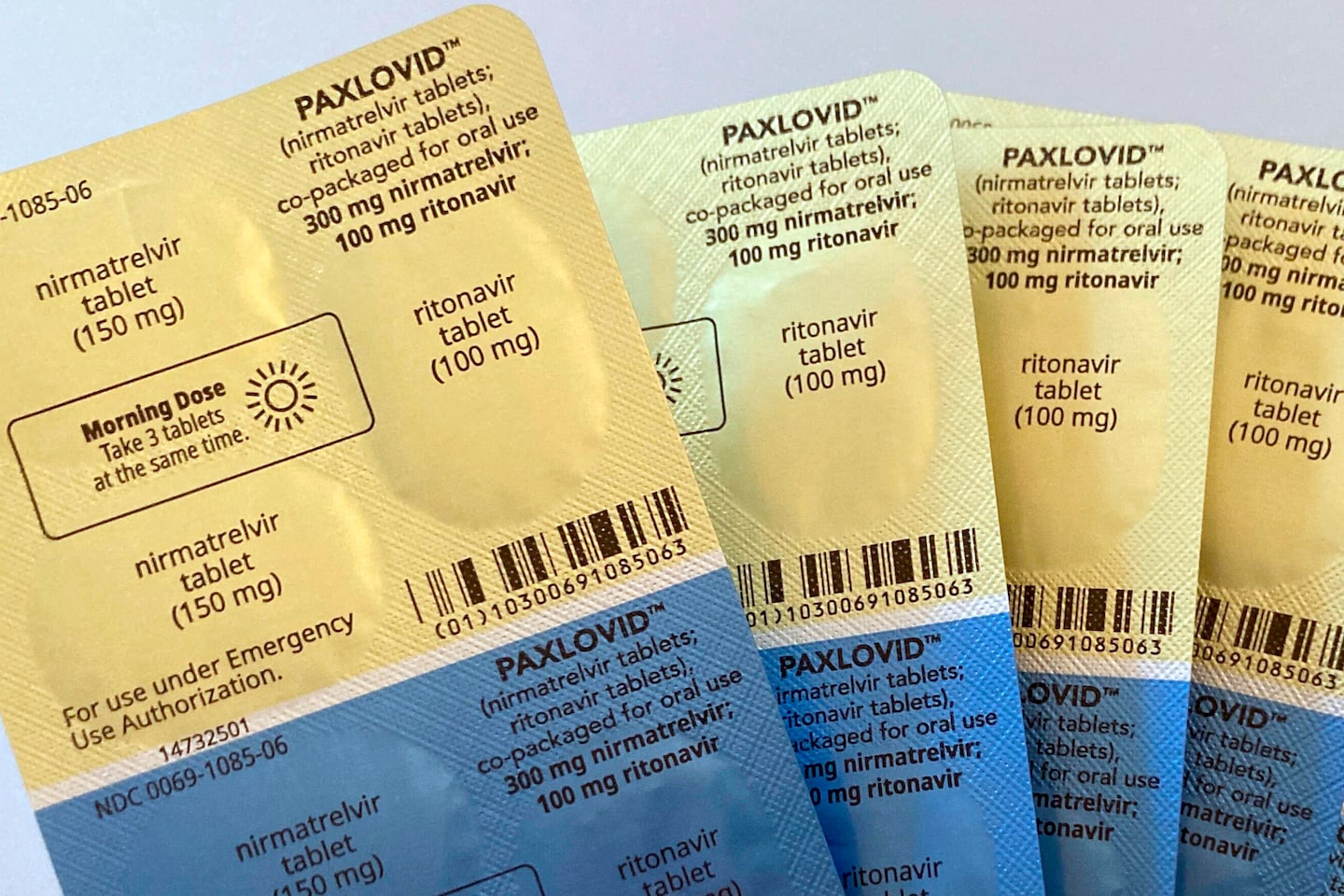
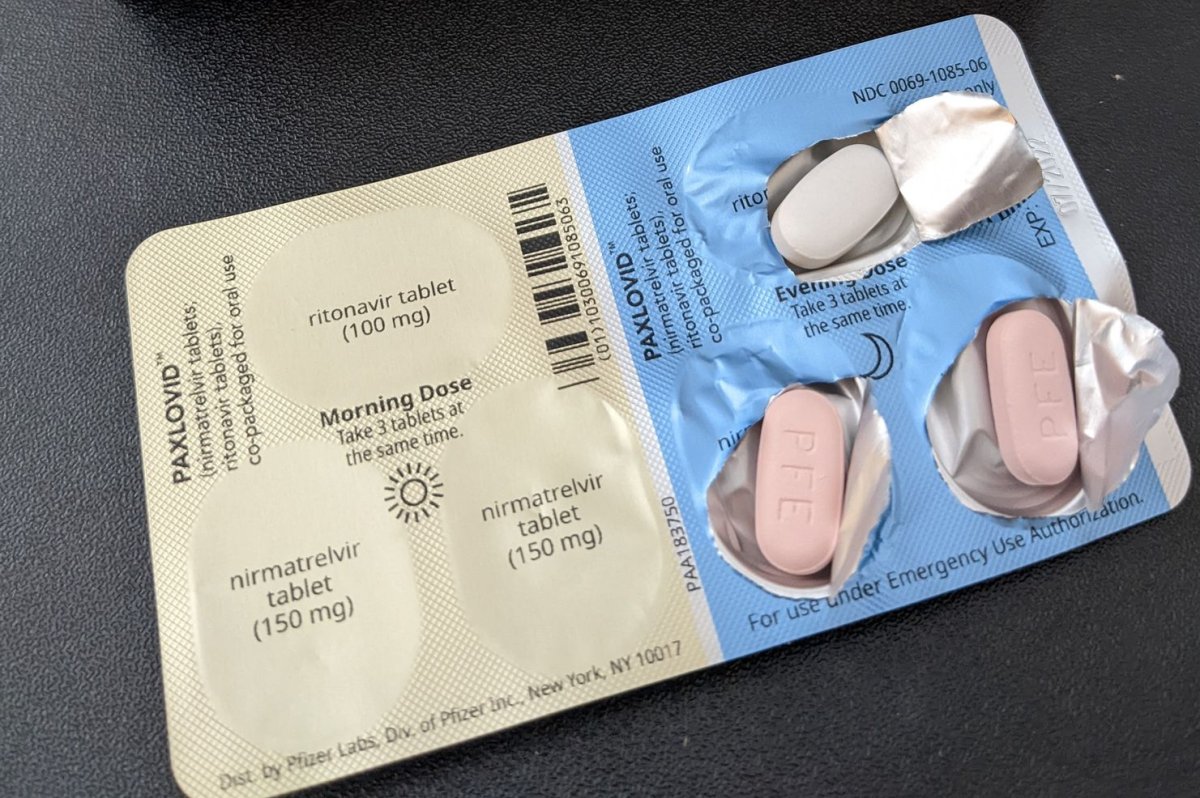
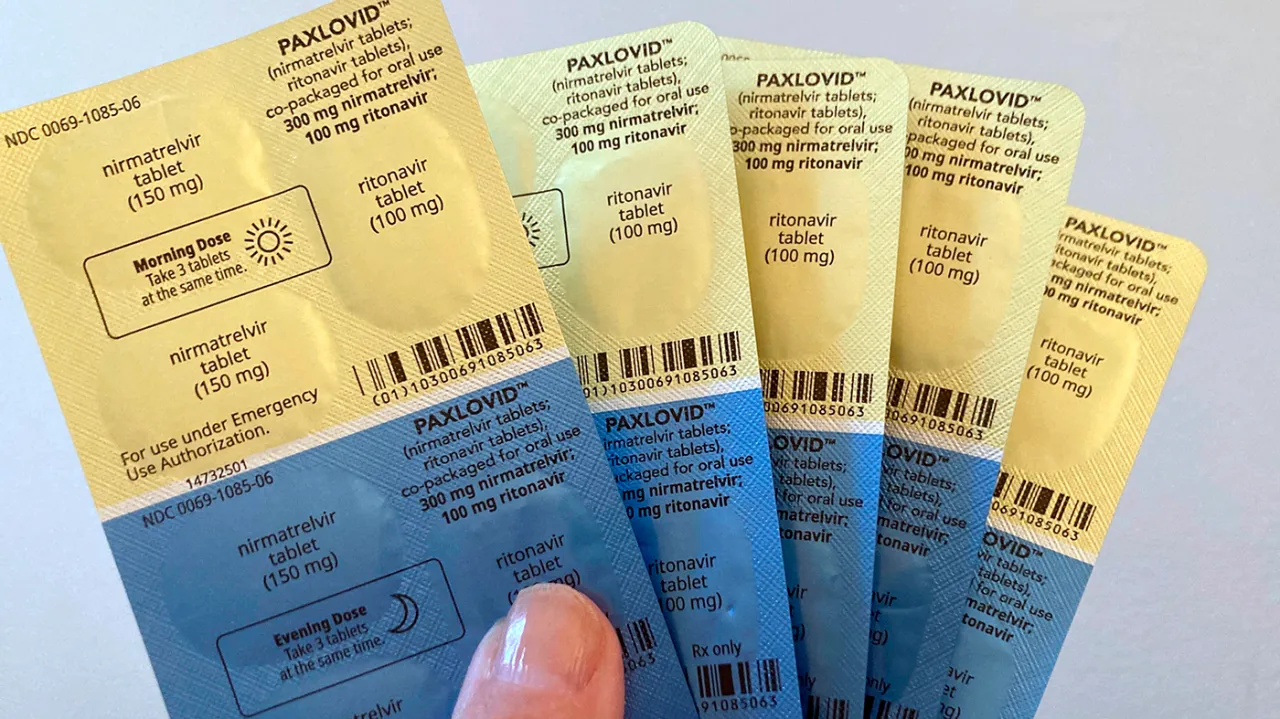
Paxlovid, an antiviral drug, has been found to significantly reduce symptoms of COVID-19 and lower the risk of severe illness or death, yet only about 15 percent of eligible people are taking it. Some individuals are hesitant due to concerns about side effects or the risk of "rebound" COVID-19. Experts emphasize the importance of considering Paxlovid, especially for those at higher risk, and address concerns about its use, side effects, and the potential for rebound COVID-19.
A study conducted by researchers at the University of Hong Kong found that initiating the antiviral drug Paxlovid within 0 or 1 day of COVID-19 symptom onset significantly reduced the rates of death and hospitalization by half compared to starting the drug 2 or more days later. The study, based on electronic medical record data of over 87,000 high-risk adult patients, highlighted the importance of early suppression of viral replication in reducing the risk of severe disease and death. The researchers also noted that COVID-19 vaccination may help protect against viral rebound after early Paxlovid initiation. They emphasized the need for easy access to rapid antigen tests and continued awareness of Paxlovid to ensure early diagnosis and treatment for high-risk individuals.
A study published in the Annals of Internal Medicine suggests that the antiviral drug Paxlovid may not be effective in preventing symptoms associated with long COVID. The study found that nearly 9,600 veterans treated with Paxlovid had a similar risk of post-COVID side effects as those who were not treated with the medication. While Paxlovid has been shown to reduce the risk of death or hospitalization from COVID-19, it may not provide a substantial benefit in preventing long-term symptoms. Experts recommend vaccination as a more effective measure against long COVID.
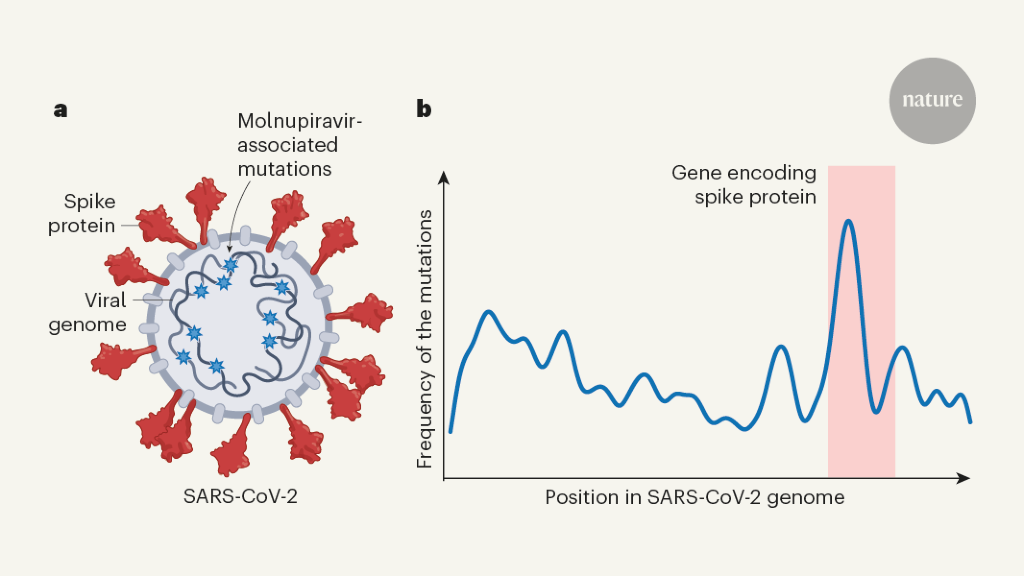
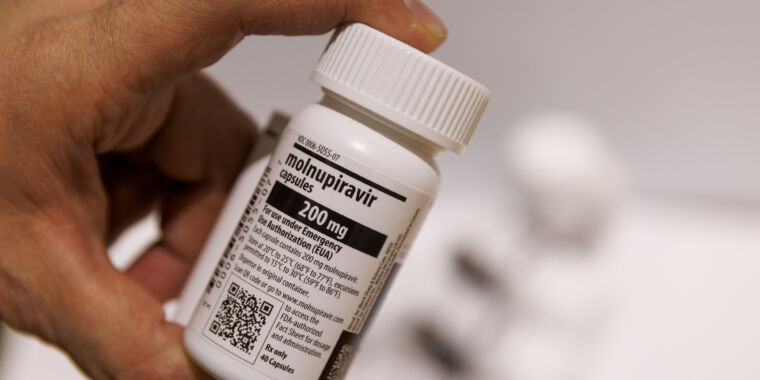
The antiviral drug molnupiravir, used to treat COVID-19, has been found to induce mutations in the SARS-CoV-2 genome, potentially leading to the emergence of new transmissible viral variants. While there is no evidence that any SARS-CoV-2 variant has arisen as a result of treatment with molnupiravir, caution should be exercised when considering the therapeutic use of this drug and others that work in a similar way.
Pfizer plans to charge COVID patients $1,400 for a five-day course of the antiviral drug Paxlovid, nearly triple the amount the US government paid during the pandemic. The company is expected to offer price discounts and assistance with out-of-pocket charges. Critics argue that Pfizer's profits from COVID-related treatments, including its mRNA vaccines, were made possible by significant taxpayer funding. Pfizer defended the pricing, stating it is based on the value provided to patients and healthcare systems. The emergency use authorization doses will remain free until the end of 2023, and a patient assistance program will provide free access to Medicare, Medicaid, and uninsured patients through 2024. Some critics accuse Pfizer of being greedy, while the company recently reduced its sales forecast for Paxlovid and its COVID vaccine due to decreased demand.
Johnson & Johnson's experimental pill for dengue fever has shown promise in a small human challenge trial, protecting against a form of the virus in a handful of patients. The drug is the first ever to show antiviral activity against dengue. In the trial, 6 out of 10 volunteers who received the pill showed no detectable dengue virus in their blood after being exposed to the pathogen, while all participants in the placebo group showed detectable virus. The positive early data supports ongoing Phase II trials of the pill for prevention, with the next step being testing it as a treatment. The drug works by blocking the action of viral proteins, preventing the virus from replicating. Ensuring access to the drug in low- and middle-income countries where it is most needed remains a challenge.
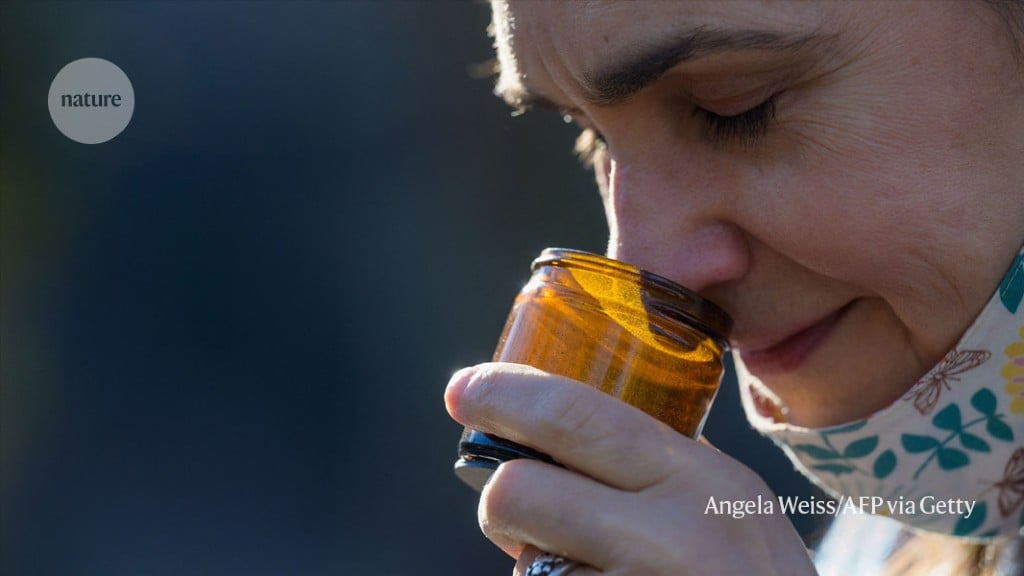
Clinical trial data suggests that the antiviral pill ensitrelvir can shorten the duration of loss of smell and taste caused by COVID-19. Unlike other COVID-19 treatments, ensitrelvir is not limited to high-risk individuals and is available to those with mild to moderate symptoms. The drug has shown promising results in reducing smell and taste loss symptoms, with the percentage of participants reporting these symptoms significantly lower in the ensitrelvir groups compared to the placebo group. Ensitrelvir's developer, Shionogi, is continuing clinical trials, and the drug has not yet been approved outside of Japan.
A Canadian study published in JAMA Network Open found that the antiviral drug combo nirmatrelvir-ritonavir (Paxlovid) was associated with a lower risk of hospitalization or death in high-risk COVID-19 patients with weakened immune systems. The study analyzed data from over 6,800 adult COVID-19 patients and classified them into different vulnerability groups. Paxlovid therapy showed significant reductions in hospitalization and all-cause death in patients with severely impaired immune systems and moderately weakened immune systems. However, the drug did not show significant benefits in patients with healthy immune systems but underlying high-risk conditions. The study highlights the importance of stratifying individuals based on vulnerability to COVID-19 complications when considering the use of nirmatrelvir and ritonavir.
A new study published in the journal Nature suggests that the antiviral drug molnupiravir, used to treat COVID-19, may be linked to specific mutations in the SARS-CoV-2 virus. Researchers found mutation signatures closely associated with patients treated with molnupiravir, and some of these mutations were advantageous to the virus and showed evidence of onward transmission. While there is no evidence that molnupiravir has contributed to the development of major variants like omicron, the study highlights the possibility of persistent antiviral-induced mutations and the need to weigh the risks and benefits of the drug.
Scientists have raised concerns that the antiviral drug molnupiravir, used to treat Covid-19 patients, may be causing mutations in the virus and fueling the evolution of new variants. While there is no evidence that molnupiravir has produced more dangerous variants, researchers have found evidence that the drug can sometimes lead to mutated versions of the virus that can still be transmissible. The mutations increase the genetic diversity of the virus and provide more options for future evolution. The implications of these mutations are still unclear, but further research is needed to assess the risks and benefits of molnupiravir and similar drugs.
A six-month-old boy in Thailand experienced a rare side effect after being prescribed the antiviral drug favipiravir to treat COVID-19 - his dark brown eyes turned bright blue within 18 hours of therapy. The drug released a fluorescent chemical that accumulated in the boy's corneas, causing the color change. While the eye color returned to normal five days after stopping the medication, this is not the first case of favipiravir causing bluish discoloration of the corneas, as a similar case was reported in a 20-year-old man in India. Favipiravir is approved for COVID-19 treatment in parts of Asia but has not yet been approved in the US.
The FDA has granted full approval to Pfizer's COVID-19 oral antiviral pill, Paxlovid, for use in adults at high risk of severe disease. The drug is given as a five-day treatment course and should be initiated as soon as possible after a COVID-19 diagnosis. Paxlovid has been shown to be most effective among patients who have not received a COVID-19 vaccine and those who have not been previously infected. The federal government owns 9.6 million doses of Paxlovid, with about 4 million doses currently available at provider sites nationwide.
Aditxt has signed an asset purchase agreement with Cellvera to acquire 50% ownership of Global Response Aid (GRA) with rights to manufacture and market broad-spectrum antiviral drug Avigan. The consideration for the transaction is $24.5m, comprised of the forgiveness of Aditxt's $14.5m loan to Cellvera and $10m in cash, and future royalties for seven years. Aditxt will partner with global logistics leader Agility to address a growing global market need for effective antivirals. The closing of the transaction remains subject to a number of conditions, including regulatory approvals for the transfer of shares.