Tag

University Of Copenhagen

All articles tagged with #university of copenhagen

health1 year ago

Revolutionary Weight Loss Drug Curbs Appetite and Burns Calories Without Side Effects

Researchers at the University of Copenhagen have identified a new drug target, NK2R, that could revolutionize weight loss treatments by reducing appetite and increasing energy expenditure without causing nausea or muscle loss. This discovery, published in Nature, shows promise for treating obesity and type 2 diabetes, conditions affecting over 380 million people globally. The drug candidate has shown positive results in both mice and non-human primates, potentially leading to more effective and tolerable therapies. The University holds patent rights, and related biotech companies have been established to further develop these treatments.

science-and-technology1 year ago

Stars Vanishing Into Black Holes Without Supernova Explosions

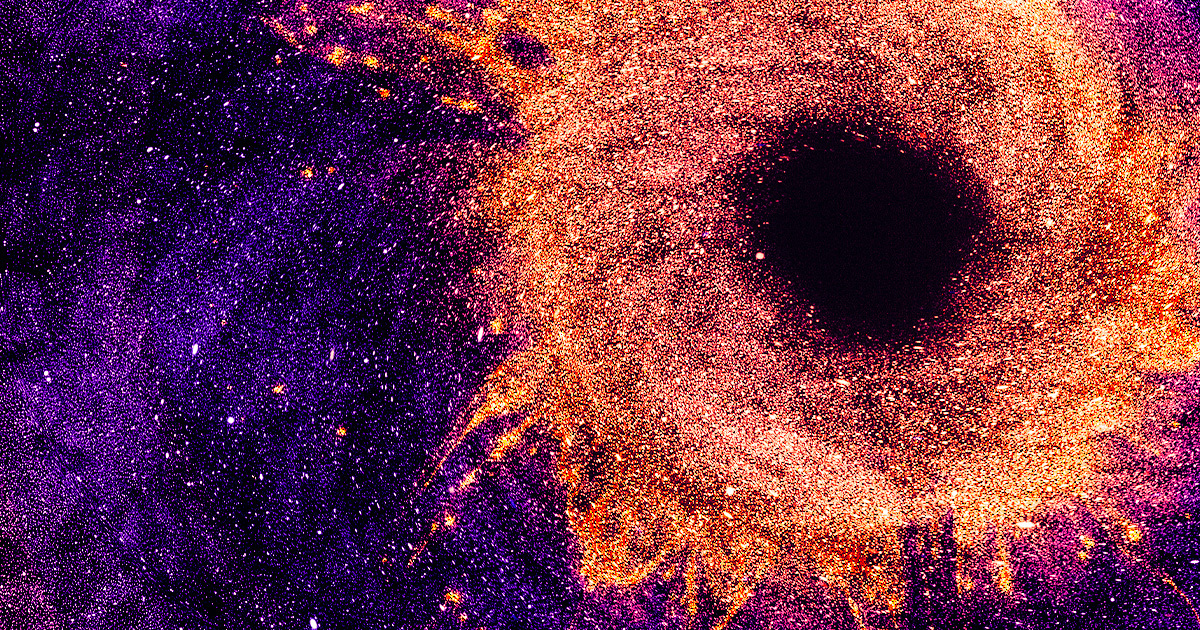
Astrophysicists at the University of Copenhagen have found compelling evidence that massive stars can collapse into black holes without a supernova explosion. Their study of the binary star system VFTS 243 in the Large Magellanic Cloud suggests that with enough mass, a star's gravitational pull can cause it to collapse completely, bypassing the explosive supernova phase. This discovery provides a plausible scientific explanation for the phenomenon of disappearing stars and offers a new benchmark for studying stellar evolution and collapse.

science1 year ago

Astrophysicists Unveil Mystery Behind Vanishing Stars

Astronomers have documented at least 800 cases of stars vanishing from the night sky over the past 70 years. New research from the University of Copenhagen suggests these stars may be collapsing directly into black holes without exploding as supernovae. Observations of a binary star system, VFTS 243, support this "total collapse" theory, showing no evidence of a supernova or disturbance in the orbits of the star and black hole. This finding challenges existing models of stellar evolution and will be crucial for future research.

science-and-technology1 year ago

"Converting Light to Sound: Unlocking Quantum Speed for the Internet"

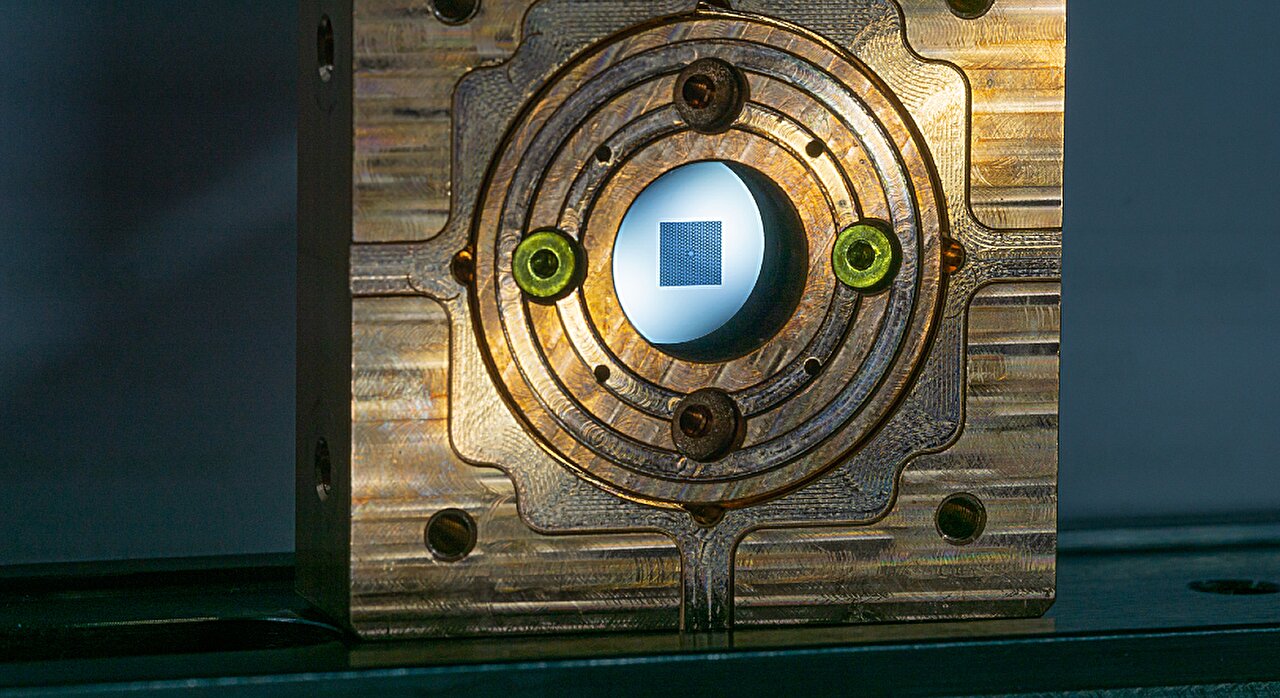
Researchers at the University of Copenhagen's Niels Bohr Institute have developed a method to store quantum data by converting light signals into sonic vibrations in a small drum, paving the way for an ultra-secure internet with incredible speeds. This new form of "quantum memory" could play a crucial role in the future network of quantum computers, allowing for the transmission of quantum information over long distances without losing its quantum state. The quantum drum's ability to handle all light frequencies and retain data signals makes it a promising candidate for use in quantum networks and quantum computers, potentially revolutionizing the field of quantum computing and communication.

science1 year ago

"The Genetic Ancestry of Blue-Eyed Individuals Traced to a Single Human Ancestor"

Researchers from the University of Copenhagen have discovered that every blue-eyed person in the world is a descendant of one single human who lived between 6,000 and 10,000 years ago. This common ancestor carried a genetic mutation affecting the OCA2 gene, which resulted in the development of blue eyes by limiting the production of melanin in the iris. The study compared the eye color of individuals from various countries and found that they all inherited the same genetic mutation at the exact same spot in their DNA, leading to the conclusion that all blue-eyed individuals share a common ancestor.

science-and-technology1 year ago

"Antarctic Neutrino Hunt: Probing Quantum Gravity's Existence"

Thousands of sensors in Antarctica are being used in a large-scale experiment to detect and monitor neutrinos, with the aim of uncovering evidence of quantum gravity, a major mystery in physics. Researchers from the University of Copenhagen are involved in this scientific endeavor at the IceCube Neutrino Observatory near the South Pole.

physics1 year ago

"Antarctic Neutrino Experiment: Unveiling Quantum Gravity's Secrets"

Scientists at the South Pole are using thousands of sensors to study neutrinos from outer space in order to determine if quantum gravity exists. The IceCube Neutrino Observatory, operated by the University of Wisconsin-Madison, is playing a key role in this research. The study aims to detect subtle changes in neutrino properties over large distances, which could provide evidence of quantum gravity. While the initial study focused on neutrinos from Earth's atmosphere, future research will involve studying neutrinos from deep space to further explore this fundamental question in physics.

health1 year ago

"Vegan Diet and Pregnancy: Risks of Preeclampsia and Complications"

A study from the University of Copenhagen found that vegan women have a higher risk of developing life-threatening preeclampsia and having underweight babies, with babies born to vegan mothers being half a pound lighter on average. The research, based on 66,738 Danish pregnancies, also revealed that protein intake was lower among vegetarians and vegans, potentially leading to low birth weight. The study emphasizes the importance of pregnant women, especially those following plant-based diets, to ensure adequate intake of essential nutrients like protein, iron, vitamin B12, vitamin D, calcium, and iodine.

environment2 years ago

Breakthrough Methane Degradation Technology Promises Cleaner Air and Livestock Facilities

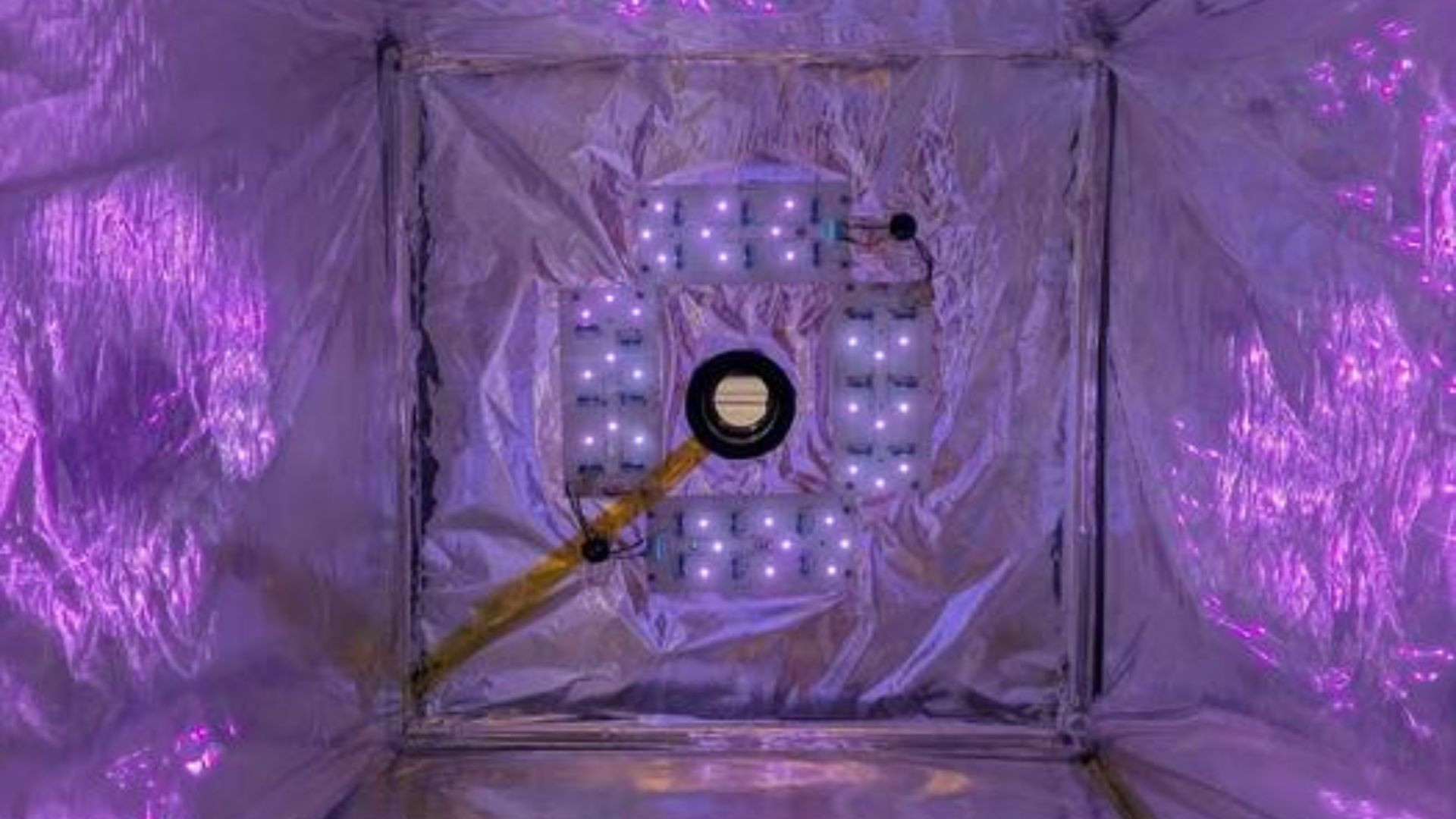
Scientists at the University of Copenhagen have developed a new technology called Methane Eradication Photochemical System (MEPS) that can break down methane 100 million times faster than natural processes. Methane, a potent greenhouse gas, takes up to 12 years to decompose naturally and is 85 times worse for the climate than carbon dioxide over a 25-year period. The researchers have formed a company to make this technology available to society, aiming to reduce methane levels and mitigate the impact of climate change.