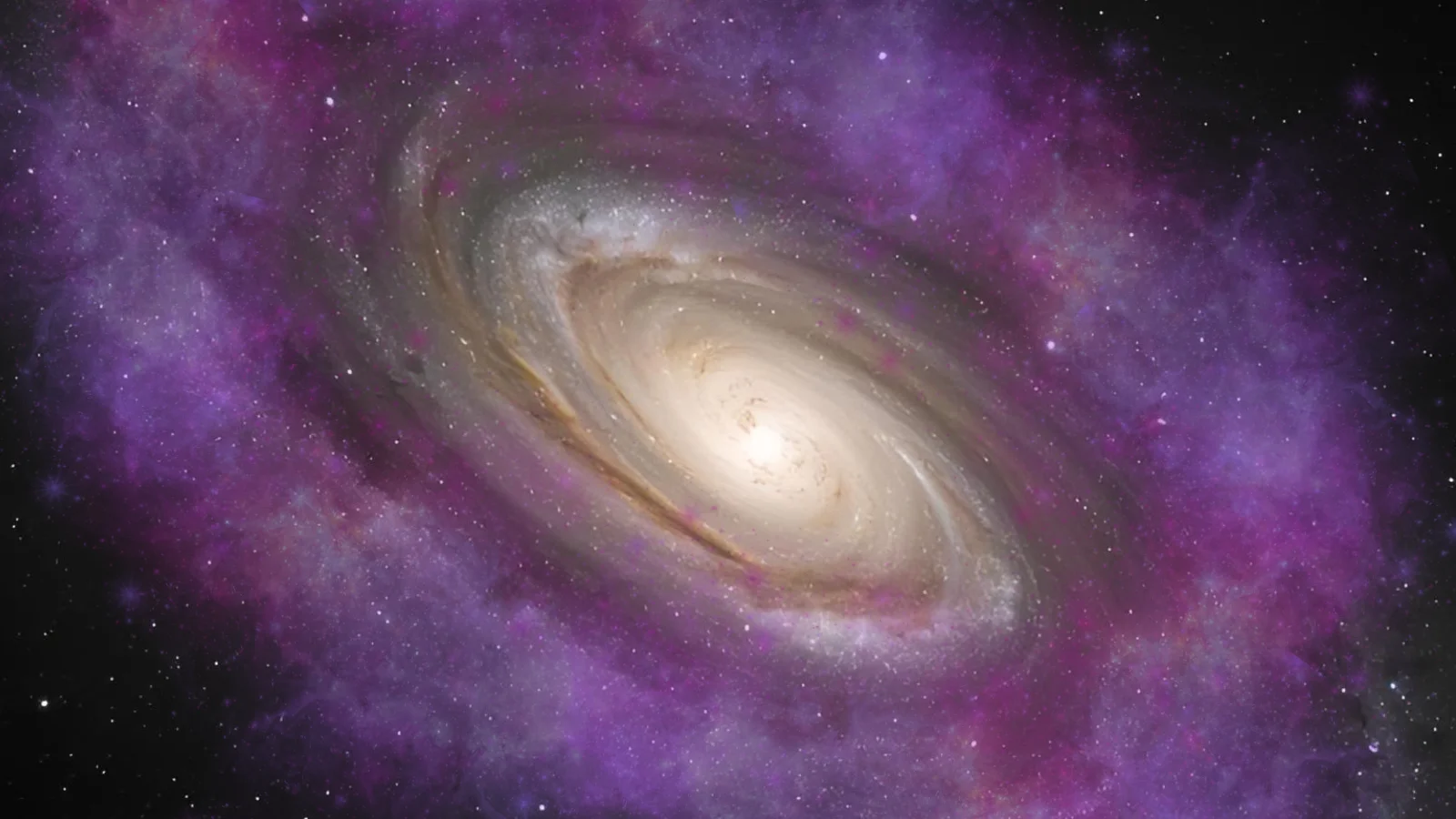
New research suggests dark matter may interact with neutrinos, which could explain why the universe is less 'clumpy' than expected and challenge current cosmological models. Future observations, including cosmic microwave background studies and gravitational lensing, aim to test this hypothesis, potentially leading to a major breakthrough in understanding dark matter.
New results from the MicroBooNE experiment have ruled out the existence of the long-suspected sterile neutrino, narrowing the options for explaining neutrino anomalies and paving the way for future research into other exotic particles and fundamental questions in physics.
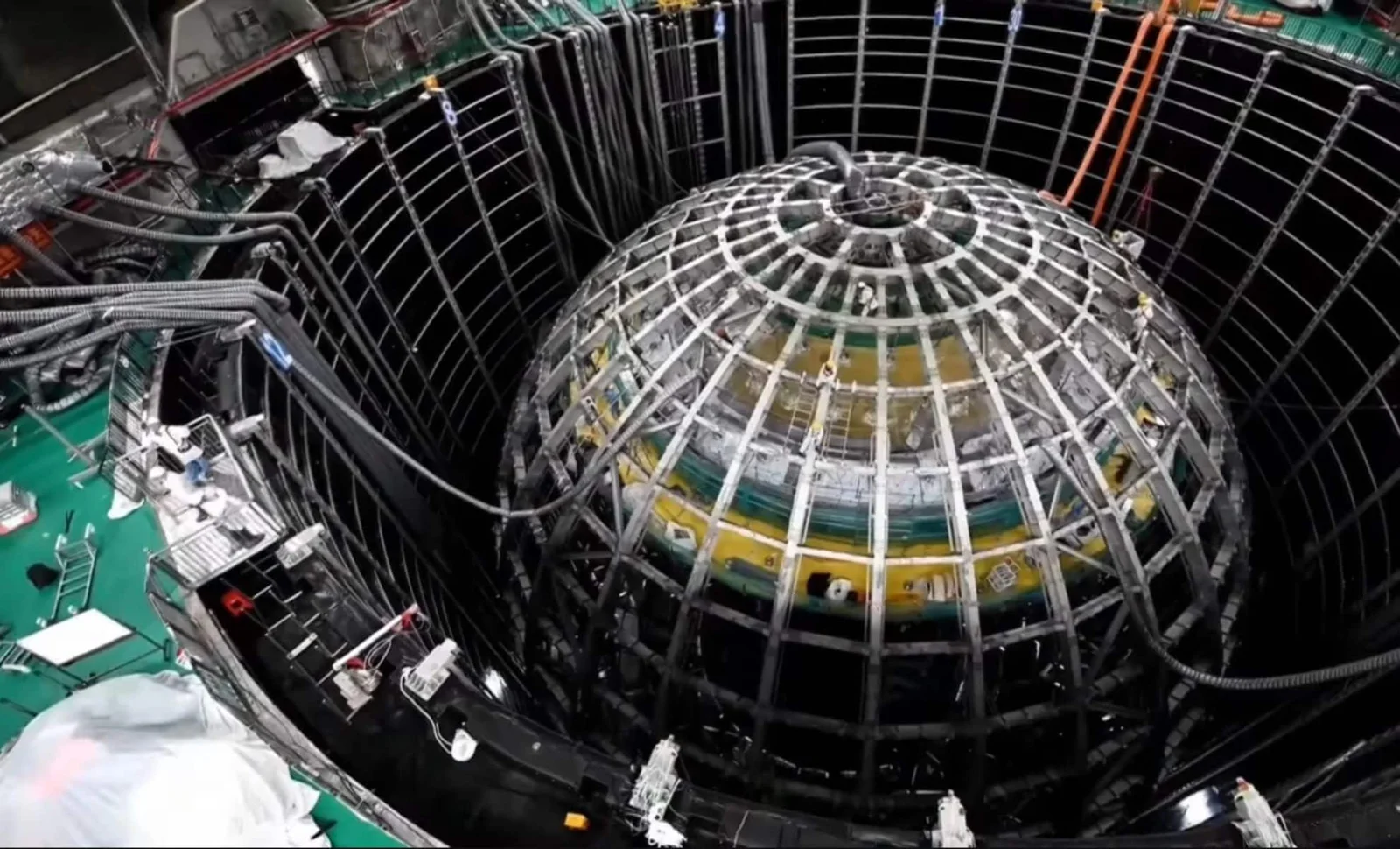
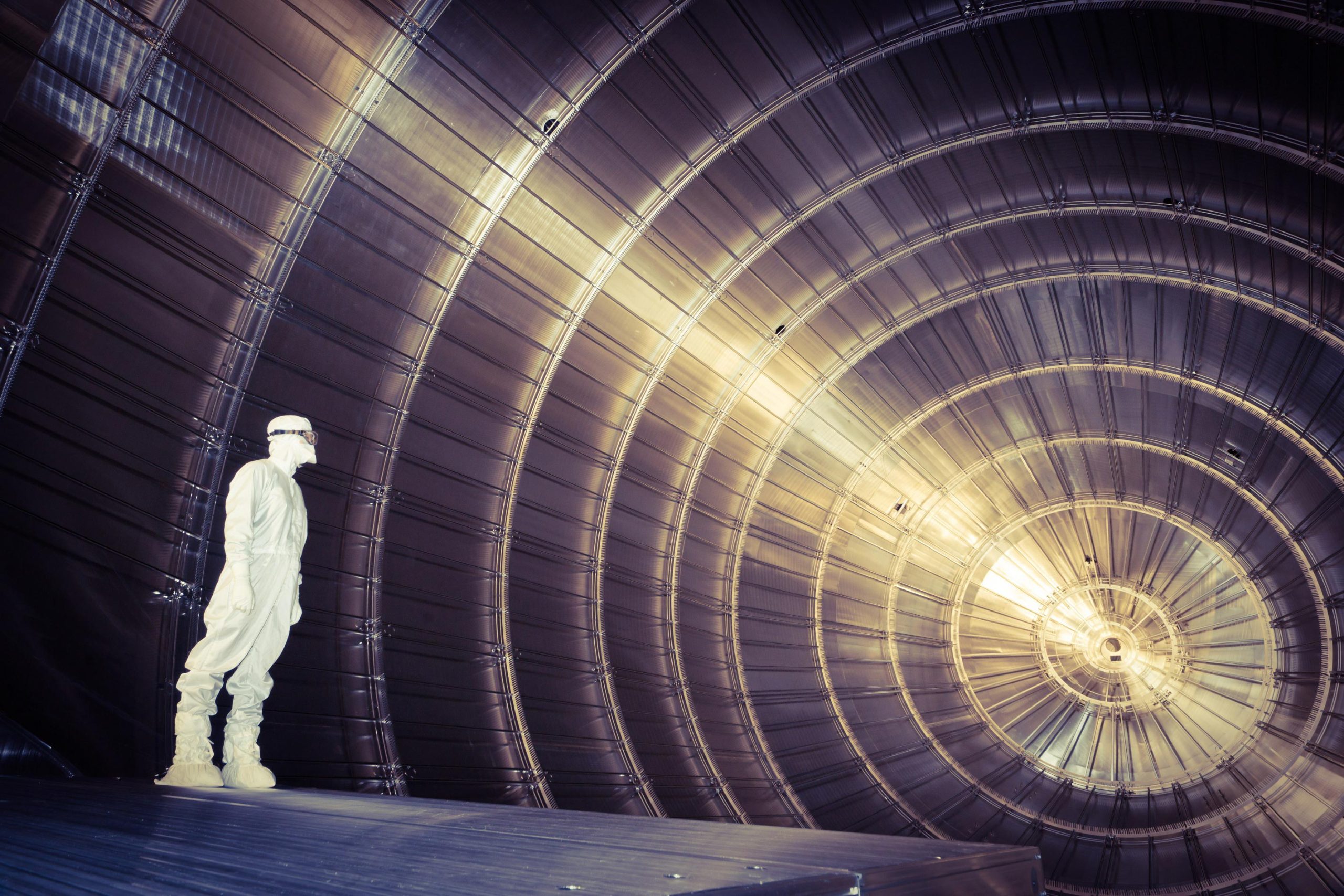
China's Jiangmen Underground Neutrino Observatory (JUNO), after 17 years of development, has begun operations and achieved unprecedented precision in detecting neutrinos, potentially solving key questions about their mass hierarchy and advancing our understanding of fundamental physics.
The KATRIN experiment has conducted the most sensitive search yet for sterile neutrinos using tritium beta-decay measurements, but found no evidence for their existence, thereby narrowing the parameter space and challenging previous anomalies suggesting such particles. Future data collection and upgrades aim to further explore higher mass ranges, potentially shedding light on dark matter candidates.
Scientists from the US and Japan have combined data from large-scale experiments to study neutrinos, elusive particles that might explain why matter exists over antimatter in the universe. While the study doesn't definitively solve the mystery, it demonstrates the power of international collaboration in advancing particle physics research.
A joint study by the NOvA and T2K experiments has provided the most detailed observations of neutrino flavor changes, shedding light on their properties and potential implications for understanding the universe's matter-antimatter imbalance, although more data is needed to answer fundamental questions about neutrinos' role in the cosmos.
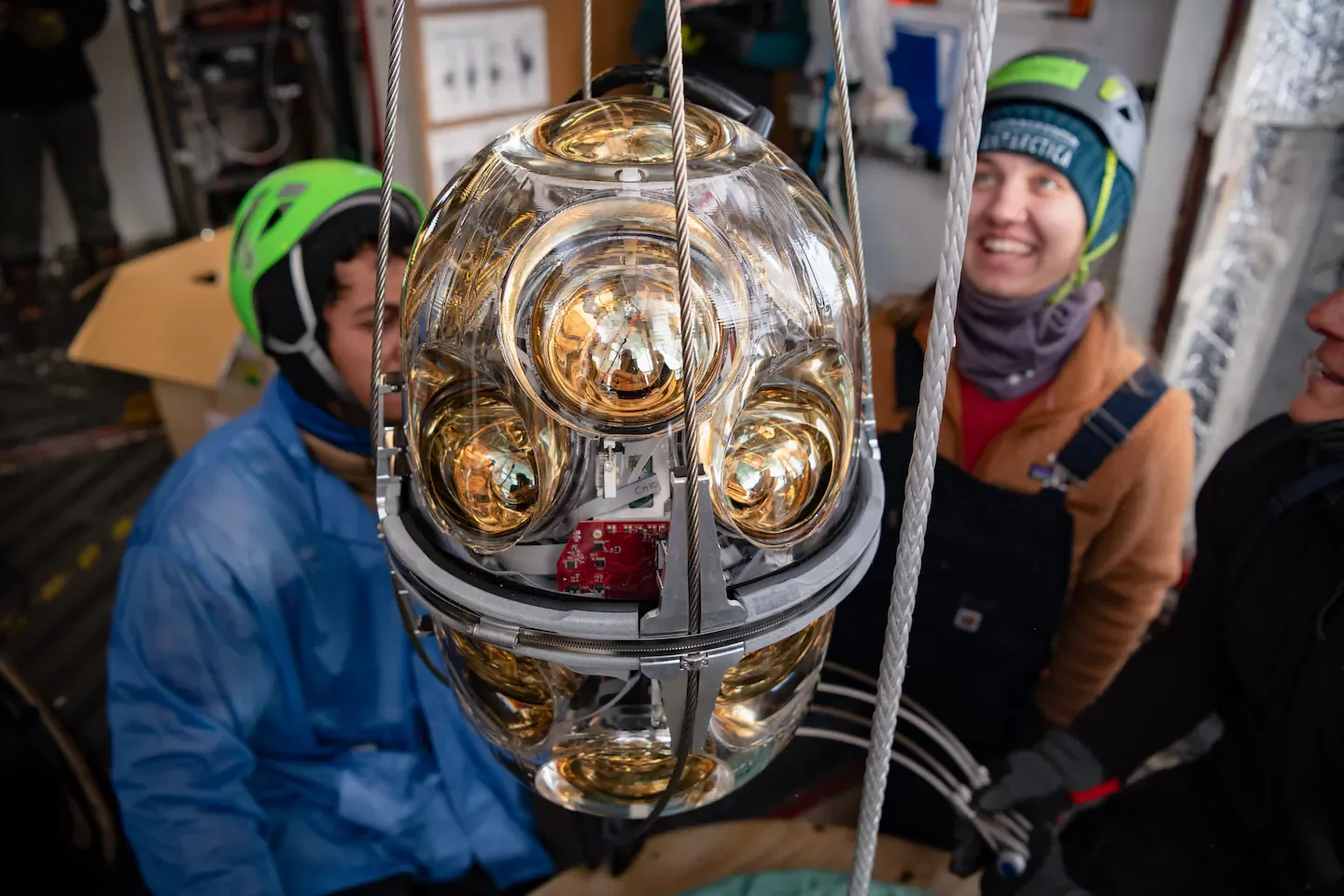
NASA's ANITA balloon experiment detected mysterious upward-moving radio signals from beneath Antarctica's ice, initially suggesting potential new particles or physics, but further analysis indicates these signals are unlikely to be neutrinos, leaving the anomaly unexplained. Researchers are developing more advanced detectors like PUEO to better understand these phenomena.
Neutrinos, often called 'ghost particles,' are abundant, nearly massless particles that pass through Earth unnoticed, yet they hold key insights into the universe's origins and evolution. Scientists are working to better understand their properties and roles in cosmic events through innovative research and science communication efforts, such as the SPARC program, which aims to make complex scientific concepts accessible to the public.
A recent study of the supernova SN 2024bch challenges traditional models by suggesting Bowen fluorescence, rather than debris interaction, explains its energy output, potentially altering our understanding of Type II supernovae and their role in neutrino production and multimessenger astronomy.
Scientists from Indiana University and international collaborations have made significant progress in understanding why the universe is dominated by matter rather than antimatter, by studying neutrino behavior and their oscillations, which may violate CP symmetry and explain the cosmic imbalance. This breakthrough was achieved through joint analysis of data from the NOvA and T2K neutrino experiments, highlighting the importance of global scientific cooperation.
Neutrinos, the most mysterious particles in the universe, have been pivotal in uncovering fundamental physics, from their initial proposal in 1930 to their confirmed mass and oscillation between flavors, which could hold answers to major cosmic mysteries like dark matter, dark energy, and matter-antimatter asymmetry. Ongoing experiments aim to measure their properties more precisely, potentially revealing new physics beyond the Standard Model.
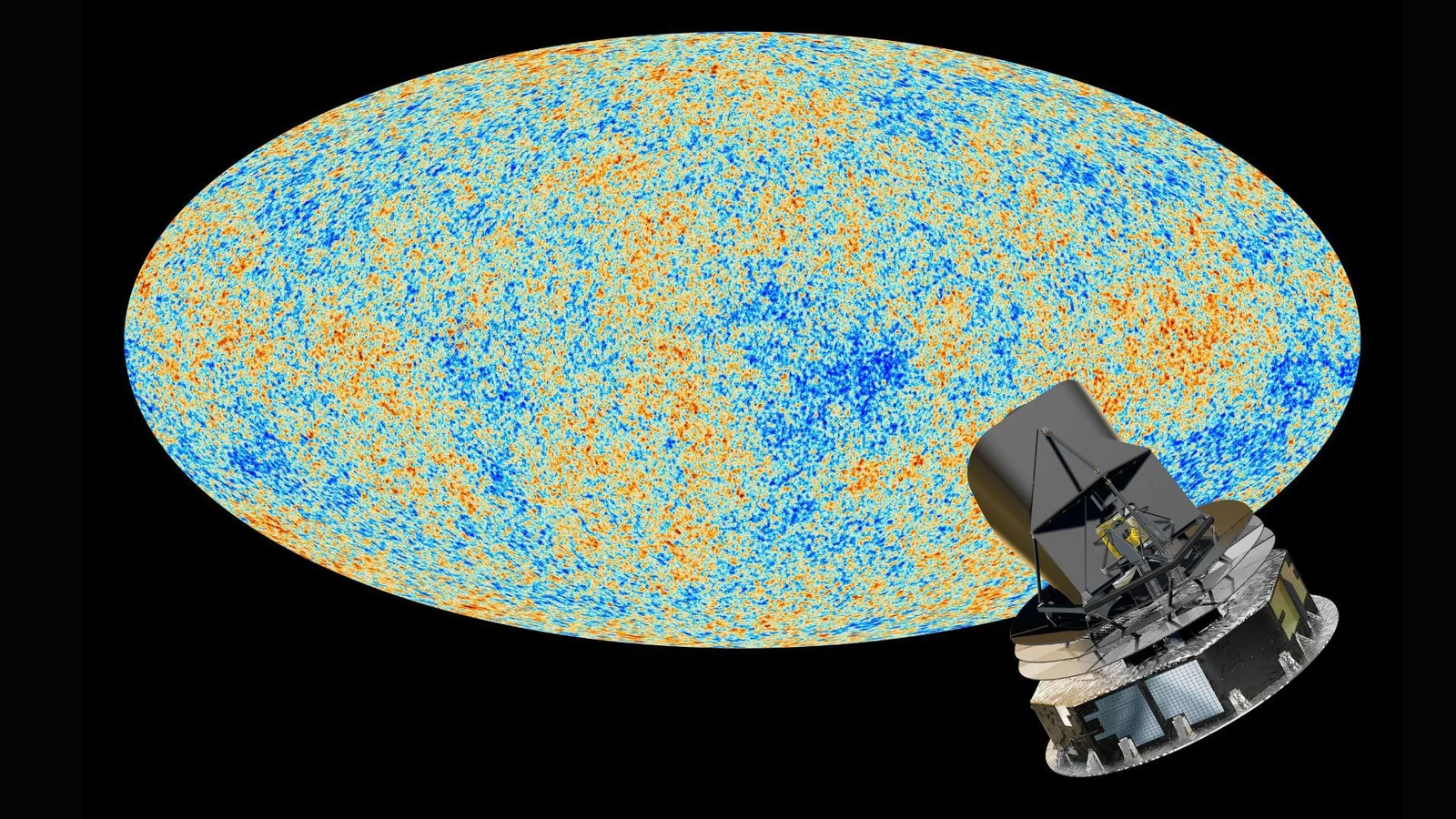
The article discusses potential methods to peer beyond the cosmic microwave background 'wall' of the early universe, focusing on detecting faint X-ray and neutrino signals from primordial cosmic bursts, which could reveal information about events before 380,000 years after the Big Bang. It highlights future possibilities for indirect observation using advanced telescopes and detectors, despite current technological limitations.
The IceCube Observatory analyzed 14 years of neutrino data, finding a potential source near galaxy NGC 1068 and identifying a new hot spot in the southern sky, using a combined approach that enhances sensitivity to steady neutrino sources and advances understanding of cosmic ray origins.
A record-high energy neutrino event (KM3-230213A) may be the first observational evidence of Hawking radiation from primordial black holes, which could also constitute most of the dark matter in the universe, suggesting we might have already detected exploding black holes within our cosmic neighborhood.
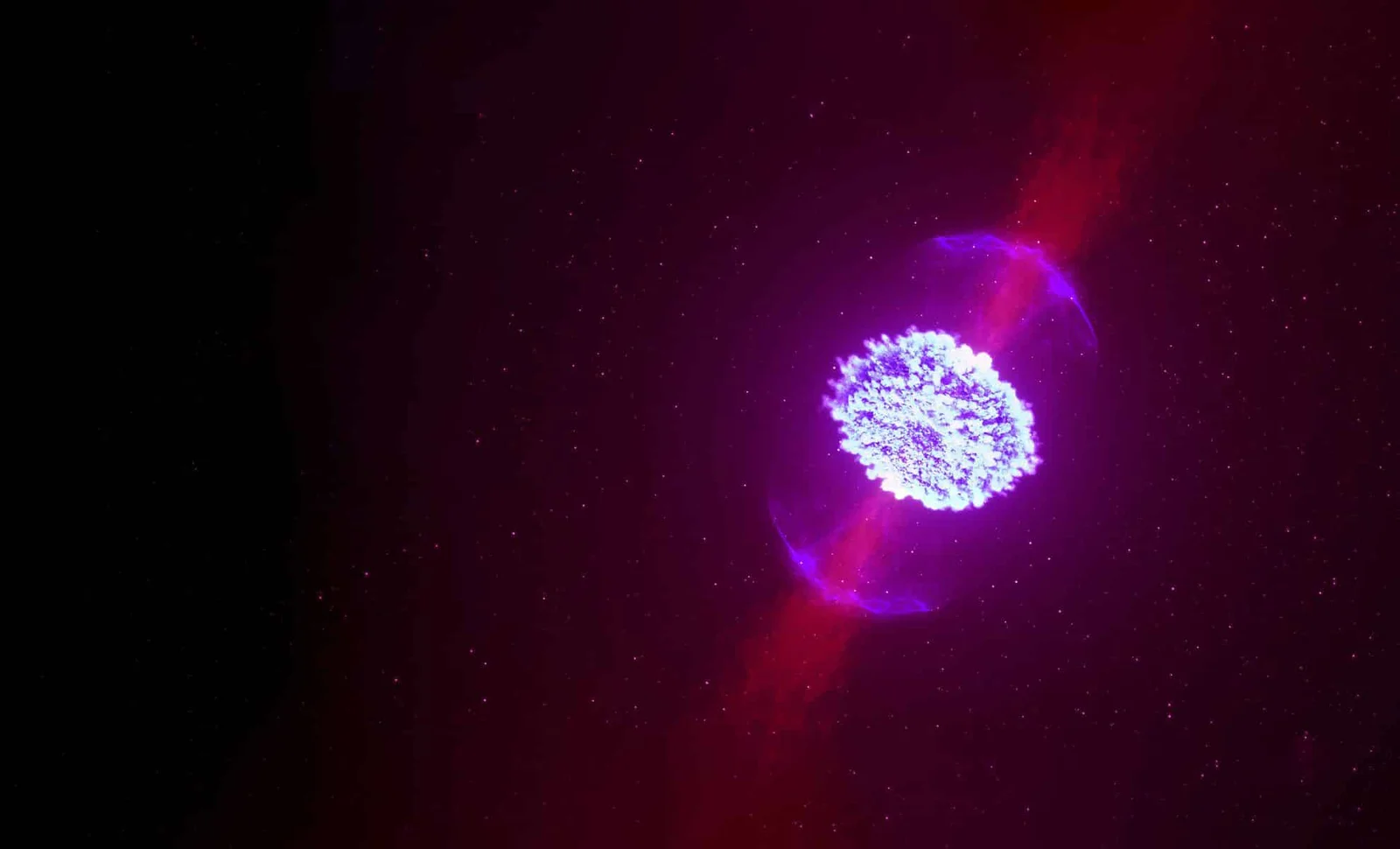
Simulations show that neutrino flavor transformations during neutron star mergers significantly influence the production of heavy elements like gold and platinum, potentially increasing their yield and affecting gravitational wave brightness, highlighting the importance of including neutrino physics in astrophysical models.